





 Portuguese
  English
  Spanish
  3 min of reading
  0 comments


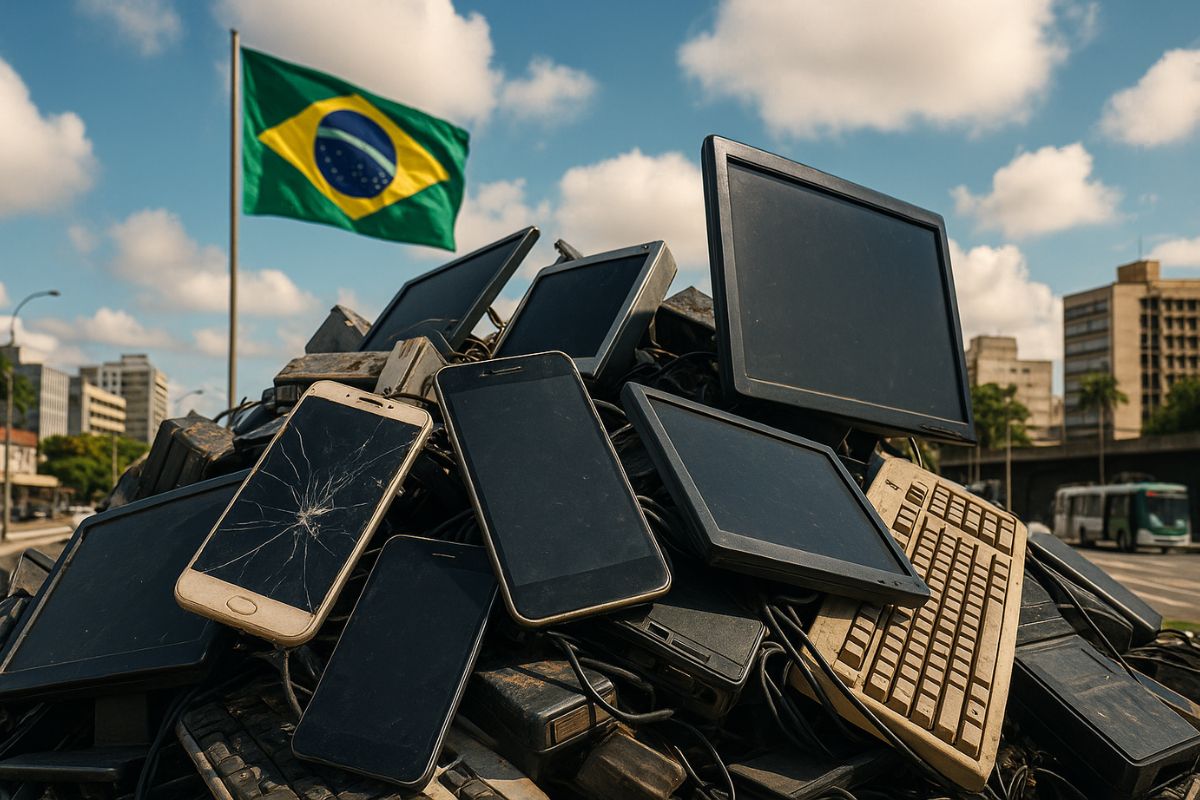
Experts Warn That Obsolete Cell Phones and Computers, When Disposed of Improperly, Can Release Toxic Substances and Worsen Environmental and Social Risks.
Brazil ranks as the fifth largest producer of electronic waste in the world, accumulating millions of tons of waste that rarely receive proper treatment. Cell phones, computers, and discarded appliances end up in landfills, contaminating soil and water, and creating an invisible threat to public health.
According to Marcos Vinícius Pereira, for the TechTudo portal, the lack of effective public policies and low societal awareness make this scenario even more critical, demanding structural solutions that go beyond simple recycling.
The Impact of Electronic Waste in Brazil
International reports indicate that Brazil generates more electronic waste than most countries in the world, but collects and reuses only a fraction.
-
Italian researchers have detected what appears to be a second Sphinx buried under the sands of Egypt, and satellite scans reveal a gigantic underground megastructure hidden beneath the Giza Plateau for over 3,000 years.

-
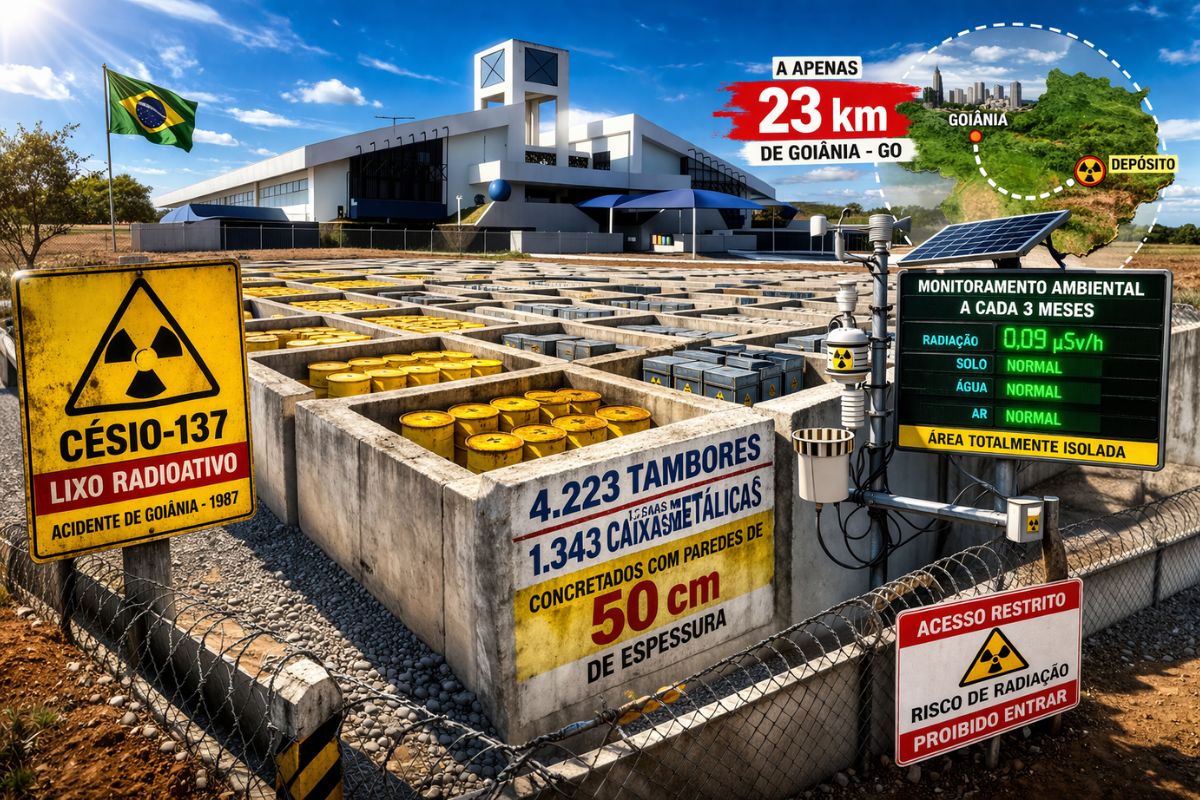
There are 4,223 drums and 1,343 metal boxes concreted with 50-centimeter walls that store the radioactive waste from Cesium-137 in the worst radiological accident in Brazil, just 23 kilometers from Goiânia, with environmental monitoring every three months.
-
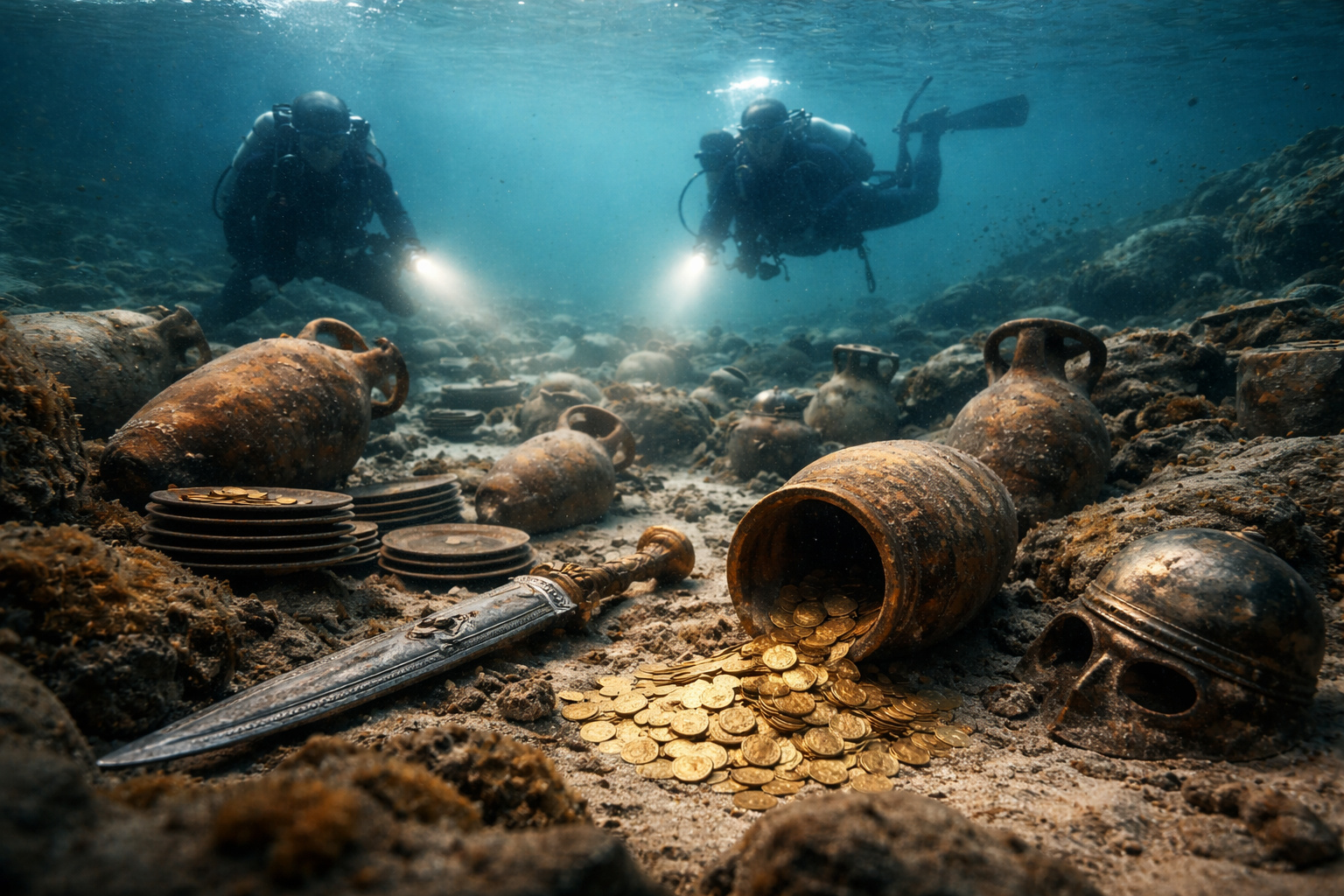
Giant Roman treasure found at the bottom of Lake Neuchâtel in Switzerland reveals an advanced trade system, circulation of goods, and armed escort in the Roman Empire about two thousand years ago.
-
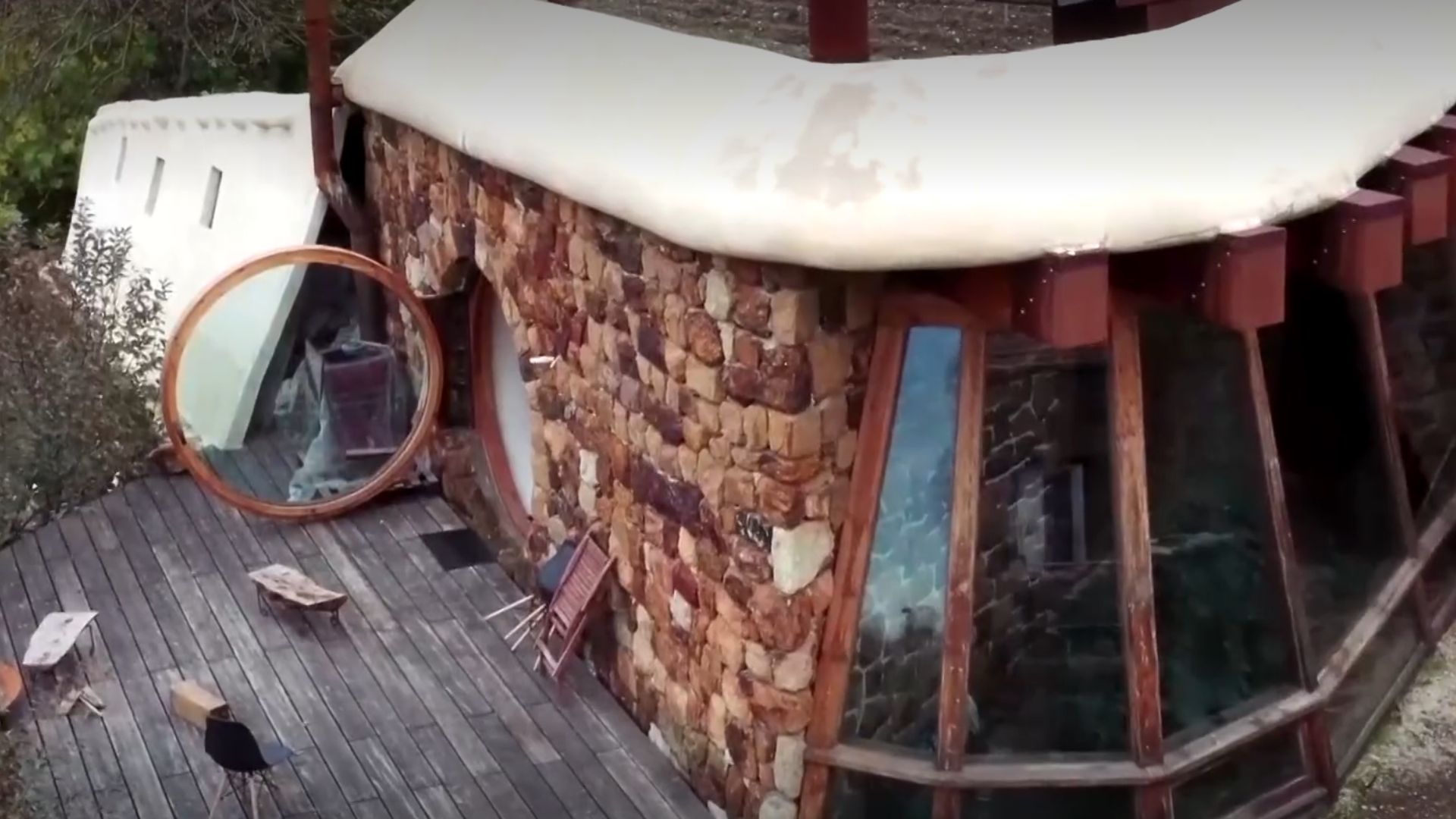
He buried 1,200 old tires in the walls to build his own self-sufficient house in the mountains with glass bottles, rainwater, and an integrated greenhouse.

A large part of this material contains lead, mercury, and other heavy metals that, when exposed to the environment, pose serious risks to public health.
According to experts consulted by TechTudo, the issue is not only environmental but also social.
Vulnerable communities near landfills are exposed to high levels of contamination, while sustainable production chains fail to consolidate due to lack of structure and incentives.
Circular Economy as an Alternative
One of the main solutions discussed is the circular economy, a model that proposes extending the lifespan of products through repair, reuse, and recycling.
Rather than discarding quickly, equipment should be designed from manufacturing to be disassembled, recycled, and reintegrated into the production cycle.
For Karin Brüning, an environmentalist cited by TechTudo, simply recycling after disposal is not enough: it is necessary to change the logic of production and consumption, rethinking device design and strengthening reverse logistics.
The Role of Circular Techs
Startups and companies known as circular techs are already operating in Brazil, connecting consumers, manufacturers, and recyclers.
Digital platforms allow for tracking electronics, separating components, and increasing reuse, creating a sustainable innovation ecosystem.
Marcus Oliveira, founder of Circular Brain, argues that these solutions need national scale to generate real impact.
According to him, the challenge is to transform isolated initiatives into a model that mobilizes the entire value chain, reducing costs for companies and expanding access to cheaper technologies for consumers.
Benefits and Challenges
The circular economy can generate jobs, mobilize billions of reais, and democratize access to quality equipment.
Additionally, it reduces risks to public health by decreasing contamination caused by improper disposal.
Despite this, the obstacles remain significant. There is a lack of collection infrastructure in many cities and continuous awareness campaigns to engage the population.
“The idea of throwing it in regular trash still prevails,” warns Brüning.
International Paths and Inspiration for Brazil
The European Union is a success example: manufacturers are required to collect a portion of the products they put on the market, creating a solid reuse network.
Brazil can draw inspiration from these models, adapting them to its reality, focusing on regulation, incentives, and enforcement.
The Role of the Consumer
Transformation does not depend only on governments and businesses. The consumer also has a direct responsibility in this process.
Donating devices, opting for repairs, or delivering them to collection points already helps reduce environmental impact.
Apps and digital platforms already allow users to locate disposal points and even request pickup at home, making it easier for society to engage.
The advancement of Brazil as the largest producer of electronic waste in the world reveals a problem that connects environment, economy, and public health.
The circular economy emerges as a viable path, but will only gain strength with collective engagement and effective policies.
And you, have you properly disposed of old cell phones or computers? Do you think the Brazilian consumer is ready to take on this role, or should the burden fall on companies and government? Share your opinion in the comments.










-

-

-

4 pessoas reagiram a isso.