





 Portuguese
  English
  Spanish
  4 min of reading
  0 comments


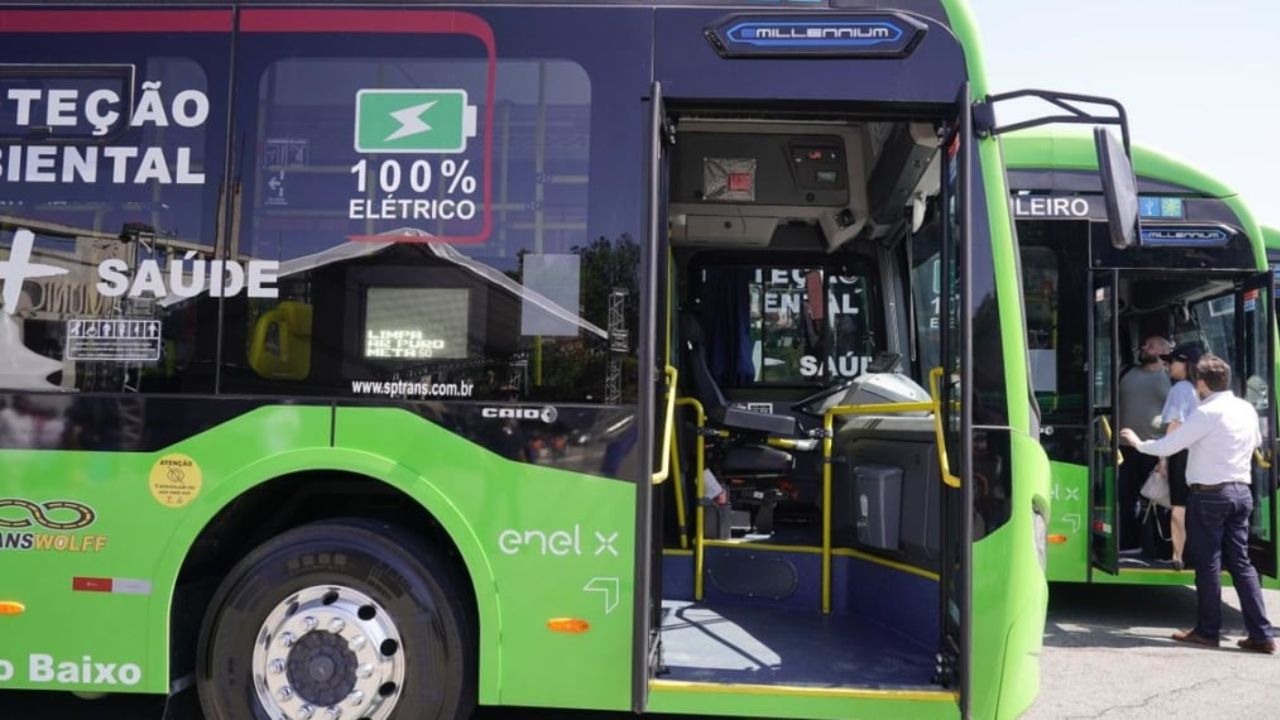
Brazil Advances Toward Sustainable Urban Mobility With A New Million-Dollar Fund Aimed At The Expansion Of Electric Buses, Promoting Innovation, Emissions Reduction, And Clean Transport In Cities
On November 5, 2025, during the Local Leaders Forum of the COP30, the federal government announced the launch of the Brazil Electric Bus Credit Improvement Fund.
The unprecedented initiative aims to accelerate the energy transition in public transport, focusing on sustainable urban mobility. The fund has an initial investment of 80 million euros, with the potential to attract up to 450 million euros in private investments by 2030.
Strategic Goals of The Million-Dollar Fund For Electric Buses
The new million-dollar fund aims to promote the gradual replacement of diesel-powered buses with electric buses, directly contributing to the reduction of greenhouse gas emissions in Brazilian cities.
-
With earth, bamboo, straw, and lime mortar, a specialist builds a house for just over $460 and draws attention for its cost being much lower than traditional construction.

-
Rodrigo de Freitas Lagoon advances in environmental recovery with sanitation, elimination of irregular sewage, and the resumption of water sports in Rio de Janeiro.

-
Sustainable housing gains strength with a nationally awarded project in Campo Grande, highlighting innovative solutions that combine sustainability, urban integration, and efficiency in the use of natural resources.

-
City Where Residents Live Underground to Escape 52°C May Be a Picture of the Future on an Increasingly Hot Planet


According to the Ministry of Cities, the initiative aligns with Brazil’s climate commitments in the Paris Agreement and with the United Nations Sustainable Development Goals (SDGs).
According to Minister Jader Filho, the initiative represents a significant advancement in promoting sustainable mobility and building a more equitable urban development. The fund also aims to stimulate the national industry, create green jobs, and improve the quality of life for urban populations.
Structure Of The Electric Bus Credit Improvement Fund
The Electric Bus Credit Improvement Fund will be operated in partnership with the National Bank for Economic and Social Development (BNDES) and will have technical support from the Inter-American Development Bank (IDB).
The adopted model is blended finance, which combines public and private resources to reduce credit risk and facilitate access to financing for municipalities and public transport operators.
The fund’s structure will enable the standardization of contracts, guarantees, and business models, which should accelerate the large-scale adoption of electric buses. The expectation is that by 2030, thousands of electric vehicles will be in circulation in the country’s major cities.
The fund was conceived through a strategic collaboration between the Ministry of Cities, Bloomberg Philanthropies, BTG Pactual, Mitigation Action Facility, and WRI Brazil.
With the engagement of the private sector, the expectation is that the mechanism will attract approximately 450 million euros in investments by 2030, enabling the introduction of over 1,700 new electric buses into the Brazilian urban fleet.
Integration With The New PAC And Public Sustainability Policies
The launch of the fund is integrated into the New Growth Acceleration Program (PAC), which allocates R$ 13 billion for the renewal of the collective transport fleet across the country. This synergy between public policies amplifies the initiative’s impact and strengthens the national strategy for sustainable urban mobility.
In addition, the federal government has already authorized nearly R$ 10 billion in investments for urban mobility, including infrastructure works, exclusive corridors, and the acquisition of sustainable vehicles. Thus, Brazil consolidates a robust and coordinated approach to transform the transport sector.
Challenges And Opportunities For Brazilian Municipalities
Despite the advancements, the implementation of electrification faces important challenges. Among them, the following stand out:
- Charging Infrastructure: It is necessary to expand the network of charging stations and ensure stable energy supply.
- Technical Training: Operators and public managers need to be trained to handle new technologies.
- Integrated Urban Planning: The adoption of electric buses must align with land use and active mobility policies.
On the other hand, municipalities that join the program will have access to facilitated financing conditions, technical support, and may become references in sustainability. Joining the fund may also attract private investments and international partnerships.
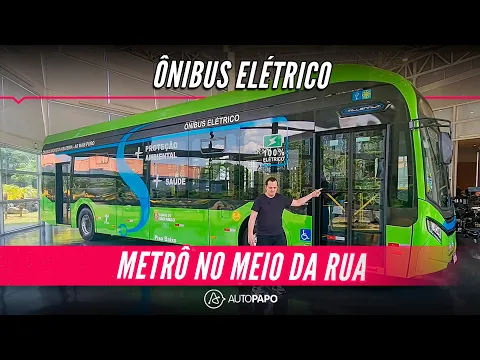

The Role Of The Private Sector And National Industry In Sustainable Urban Mobility
The initiative represents a strategic opportunity for the private sector. Manufacturers of electric buses, battery suppliers, and technology companies will be able to expand their operations in Brazil. The expectation is that the fund will stimulate local production of electric vehicles, strengthening the national production chain.
In addition, institutional investors and impact funds are showing increasing interest in sustainable urban mobility projects, which could further expand the available resources. Active participation from the private sector will be essential to the success of the fleet electrification.
Paths To A Sustainable Future In Brazilian Public Transport
The launch of the million-dollar fund of 80 million euros marks a turning point in Brazil’s trajectory toward sustainability. The initiative not only accelerates the transition to a clean urban mobility but also positions the country as a regional leader in environmental policies and technological innovation.
Investing in electric buses is investing in the future of Brazilian cities. With planning, innovation, and cooperation between the public and private sectors, Brazil has all the conditions to achieve its climate goals and provide quality, accessible, and sustainable public transportation for all.
The transformation of collective transport is an essential step toward building more resilient, inclusive cities prepared for the challenges of the 21st century. The fund launched in November 2025 is more than a public policy: it is a commitment to the future.









Seja o primeiro a reagir!