





 Português
  Inglês
  Espanhol
  3 min de leitura


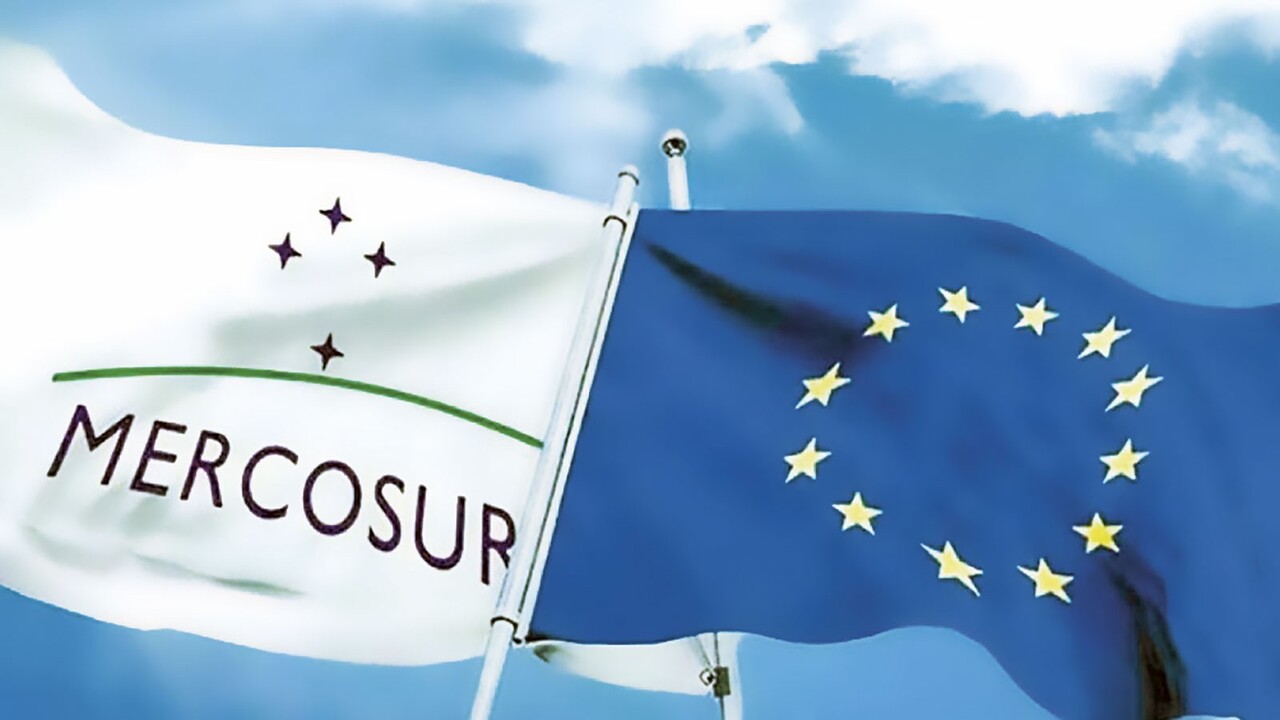
Brazil Faces A Dilemma Regarding The New European Union (EU) Law, Recently Approved By The European Parliament, That Prohibits The Importation Of Commodities Linked To Deforestation.
The Brazilian government stated that it cannot interfere in the EU’s decision, but it will maintain agriculture in accordance with its own laws.
The EU law prohibits the importation of commodities, such as coffee, beef, soy, palm oil, cocoa, rubber, wood, charcoal, and derivative products, including leather, chocolate, and furniture, if they are linked to deforestation. The increase in deforestation in the Brazilian Amazon has raised concerns in Europe in recent years and generated resistance to trade with the country.
Brazilian Agribusiness Sector Already Regulates Deforestation Under The Forest Code
Brazil, as a major producer of soy, coffee, and beef, is one of the world’s largest food suppliers. The country’s agribusiness sector said it already regulates deforestation under its forest code, which allows certain areas to be deforested. The Minister of Agriculture, Carlos Favaro, stated that Brazil cannot interfere in the EU’s decision and will continue to act according to Brazilian legislation.
-
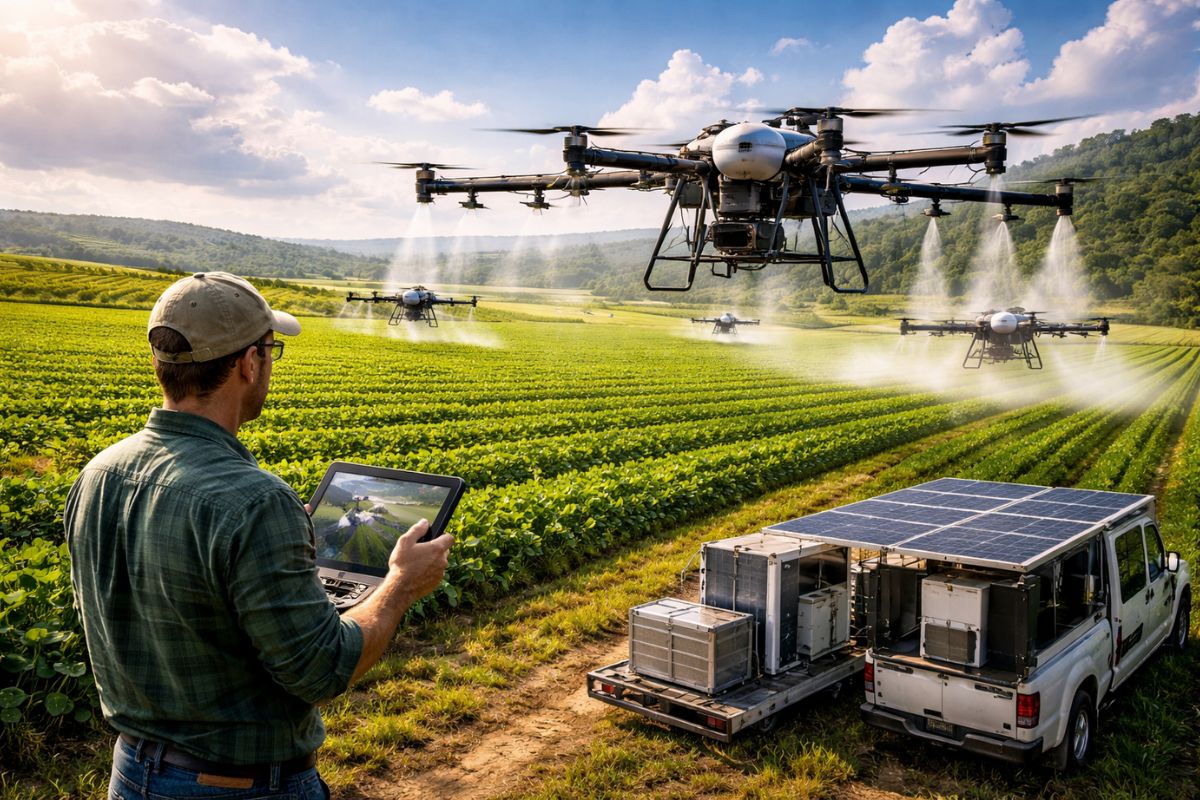
Alone, the producer applies 7,400 hectares with the T100 drone in an optimized structure, replaces the generator with a silent battery, and demonstrates how technology reduces costs, increases productivity, and even challenges the uniport in the field.
-
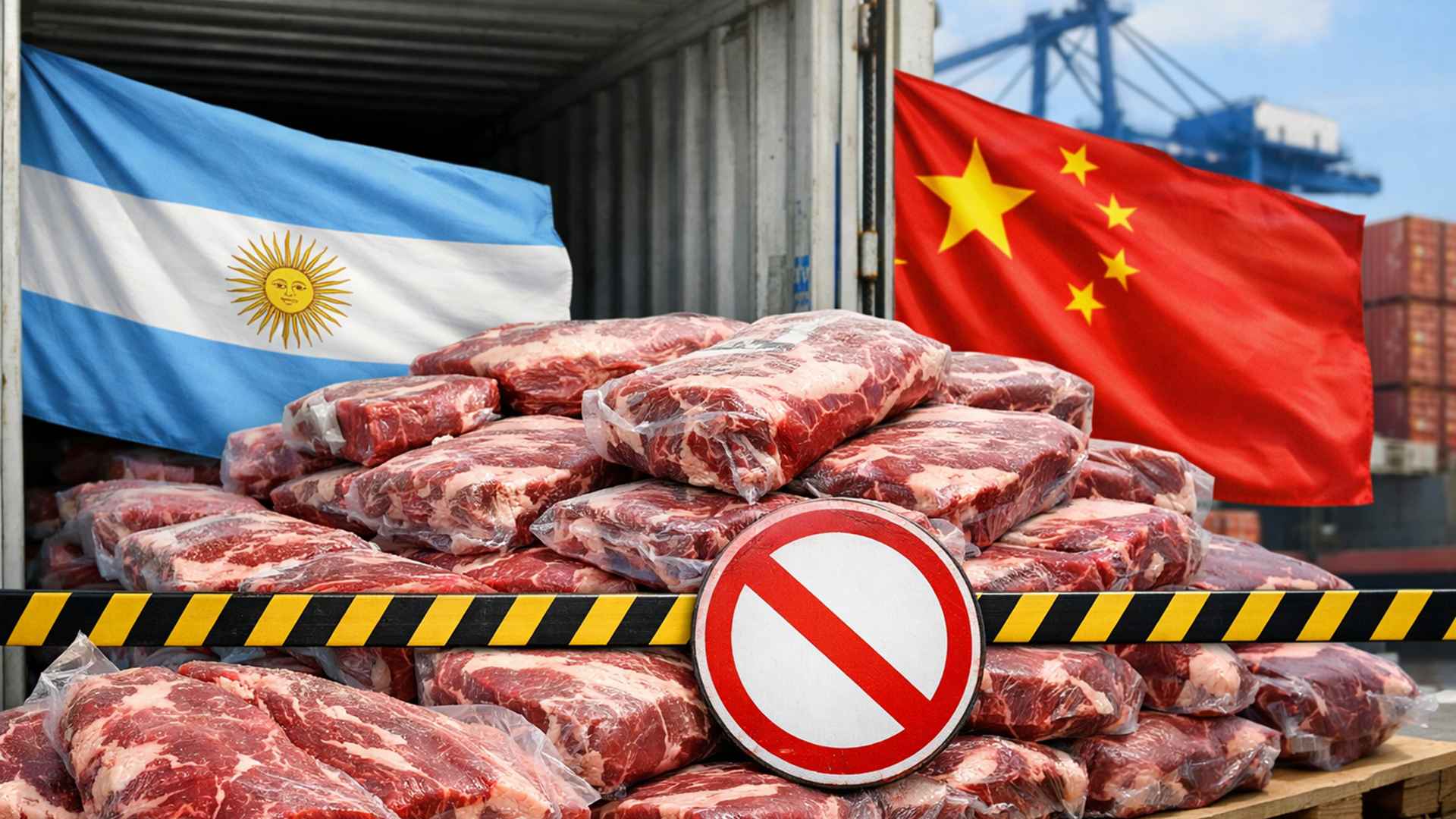
China banned the export of 22 tons of meat from Argentina.
-
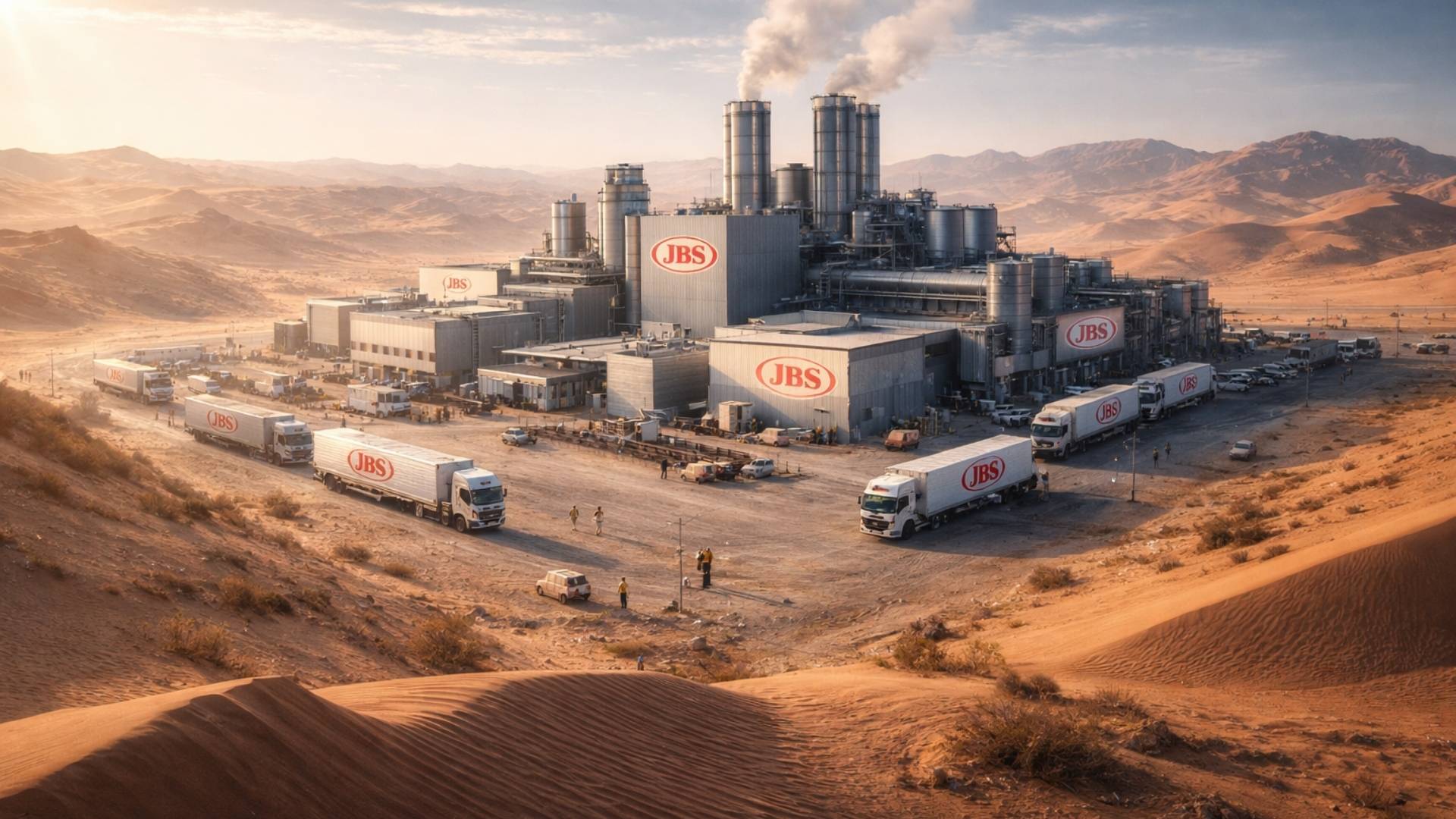
JBS, founded by the Batista brothers, continues to conquer the world: entrepreneurs built a ‘factory in the desert’ creating 3,000 jobs.
-
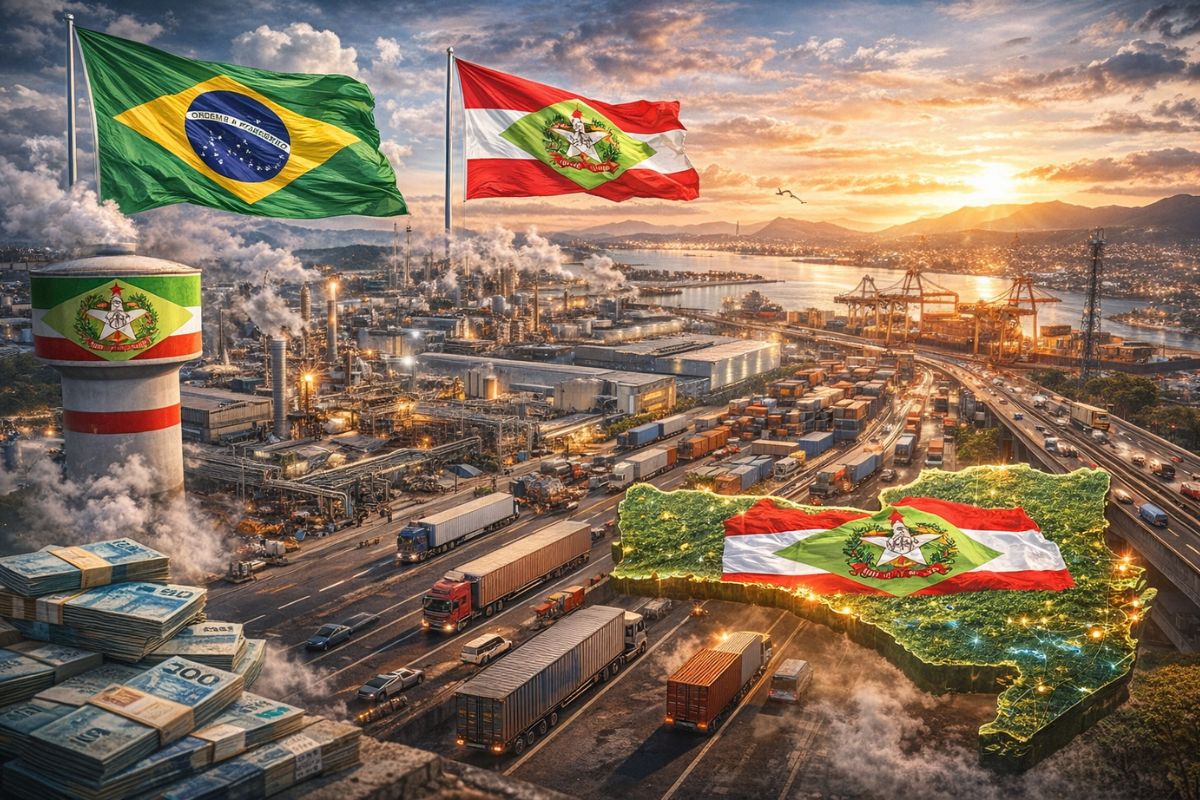
With only 1% of Brazil’s territory, Santa Catarina has built one of the most competitive industrial parks in the country, with 64,000 companies, nearly 1 million jobs, and a growth rate of 5.3% while the national industry is practically stagnant.

On the other hand, former agriculture minister Roberto Rodriguez criticized the new EU law, stating that it amounts to a non-tariff trade barrier and that the EU is ignoring the laws of other nations. According to him, the law is an “excessive protectionism” that punishes producers who comply with their own laws without preserving the environment.
EU Law Will Require Companies To Provide Due Diligence Statements
The EU law still needs to be formally endorsed by the European Council and will require companies selling products to the EU to provide a due diligence statement and “verifiable” information proving that their products were not grown on deforested land after 2020, under the risk of heavy fines.
The EU is the third-largest importer of palm oil in the world and the largest exporters of the product, Indonesia and Malaysia, have accused the EU of blocking access to their products. The new law is expected to further increase pressure on these countries.
The preservation of the environment is of vital importance to the world, but it is also important to ensure that national legislations are respected. While the new EU law may seem like a solution to the problem of deforestation, it may create a series of other problems, such as blocking trade with countries that are striving to comply with their own laws.
Brazil, for example, has implemented a forest code that establishes specific rules for regulating deforestation. Rather than punishing producers who are following these rules, it would be more effective for the EU to create financing mechanisms to help countries preserve the environment.
Regulations Must Be Applied Globally To Avoid Exclusion Of Countries
Ultimately, it is essential to find a balance between international trade and environmental preservation. Regulations must be applied globally to prevent poorer countries from being excluded from trade. Brazil must continue to fight against deforestation and comply with its own laws, while the EU must find ways to ensure global environmental protection without harming trade.










Seja o primeiro a reagir!