





 Portuguese
  English
  Spanish
  4 min of reading
  0 comments



Governors Highlight Country’s Role in Bioenergy and Advocate for Public Policies and Infrastructure to Consolidate Global Leadership.
Brazil is on an accelerated path toward global leadership in the production of clean and sustainable energy. With robust investments in biofuels, especially in the ethanol chain, the country positions itself as a strategic power in the global energy transition. During the AgroForum Cuiabá, held on May 22 and promoted by BTG Pactual, the governor of Paraná, Carlos Massa Ratinho Júnior, summarized this new moment with a phrase that resonated widely among productive and environmental sectors: “Brazil can be the Saudi Arabia of biofuels.”
The analogy with the world’s largest oil producer highlights the national ambition to occupy a central place in the renewable fuels market. And this ambition is far from being a utopia. It is supported by numbers, infrastructure, know-how, and consistent public policies that have been transforming ethanol, biodiesel, and other biofuels into strategic assets of the Brazilian economy.
Mato Grosso Leads Ethanol Industrialization in the Midwest
Ratinho Júnior’s statement was directed at the governor of Mato Grosso, Mauro Mendes, the event’s host and responsible for one of the most praised state administrations in the country in the fields of agro-industry and logistics.
-
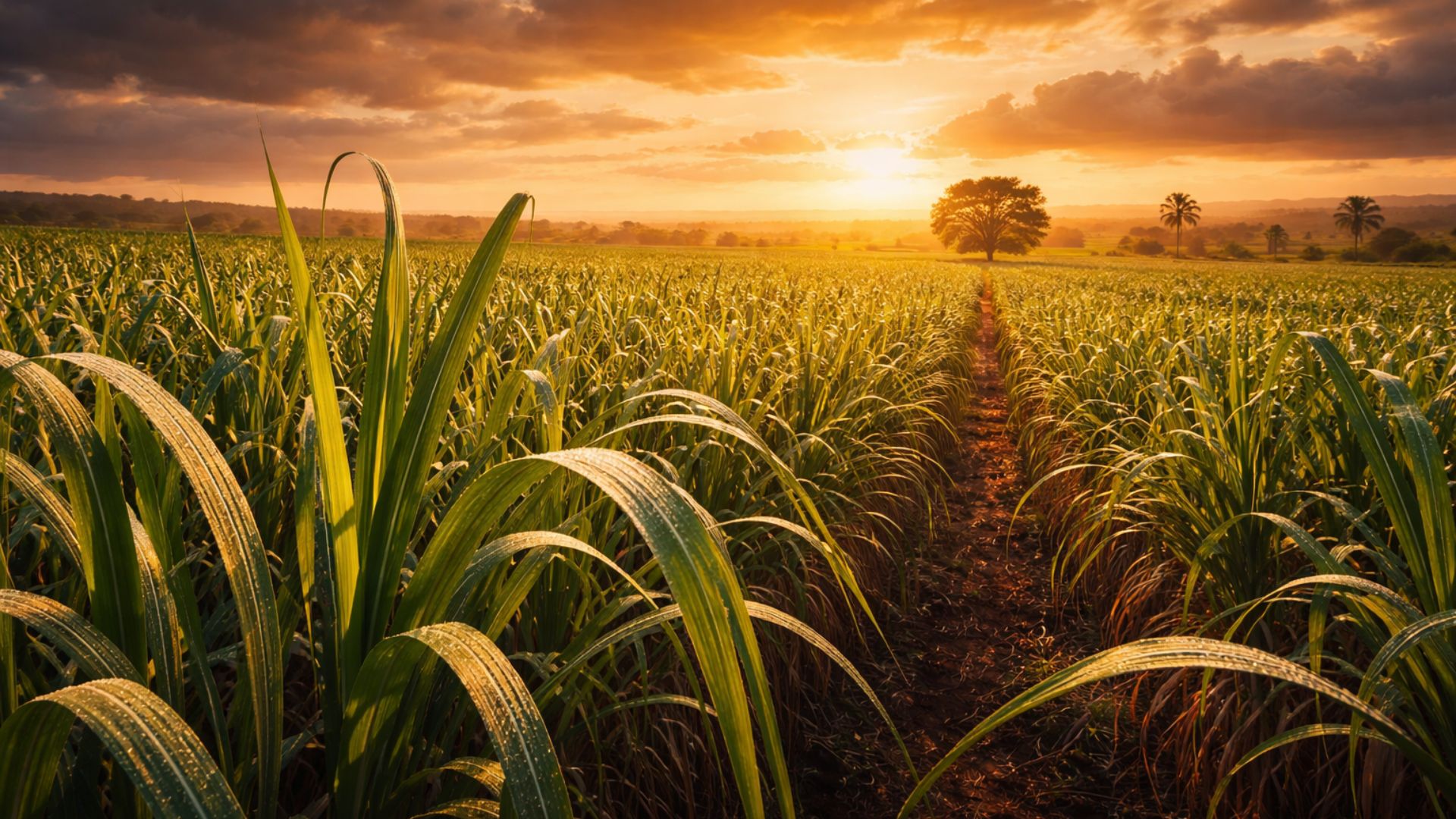
The Economist states that Brazil has a “secret weapon” against expensive oil and highlights how the country can reduce economic impacts even in international scenarios of high volatility.
-
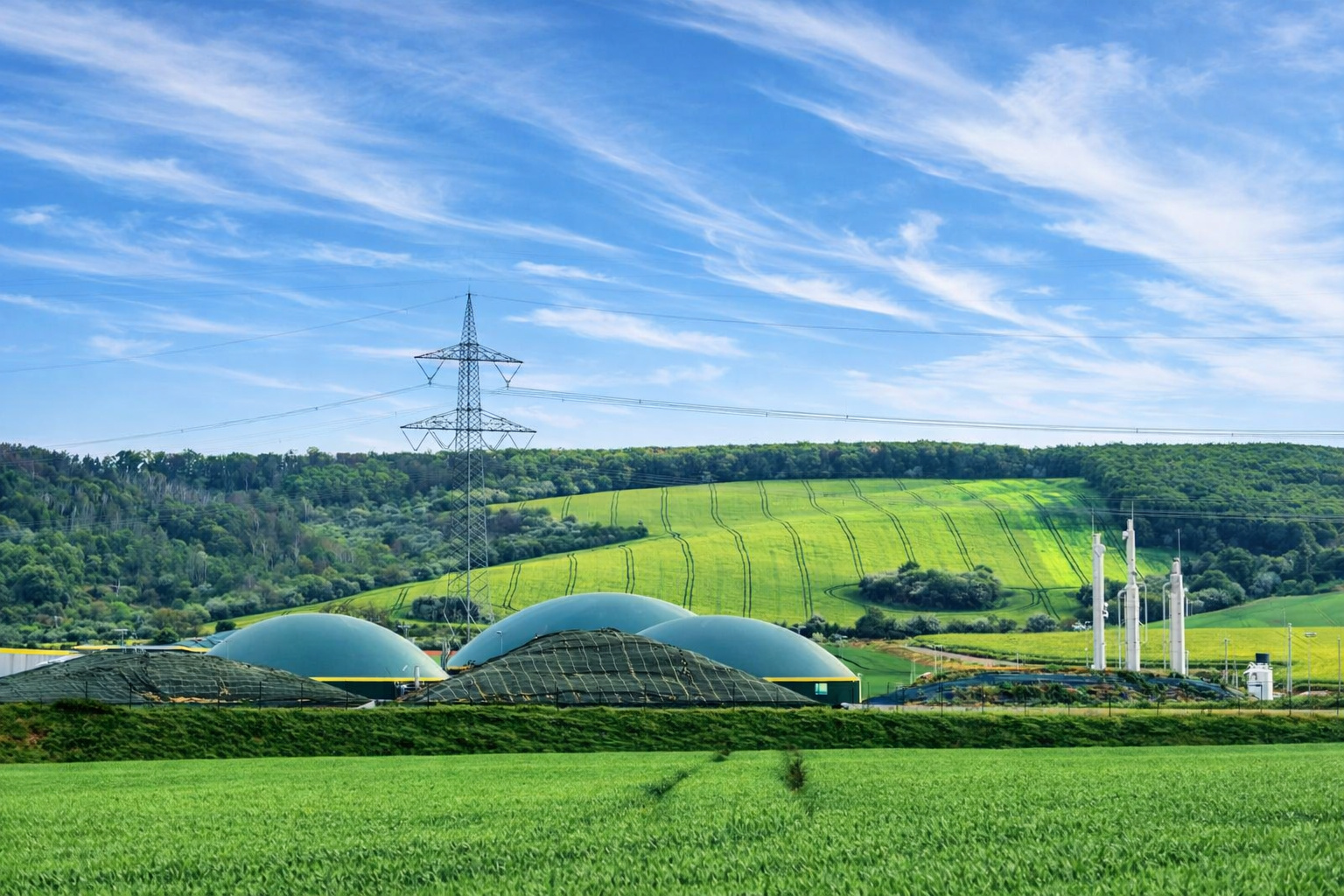
Brazil accelerates decarbonization in the South: International forum in Foz do Iguaçu gathers leaders to discuss the advancement of biomethane in the energy matrix and the potential of “caipira pre-salt.”
-
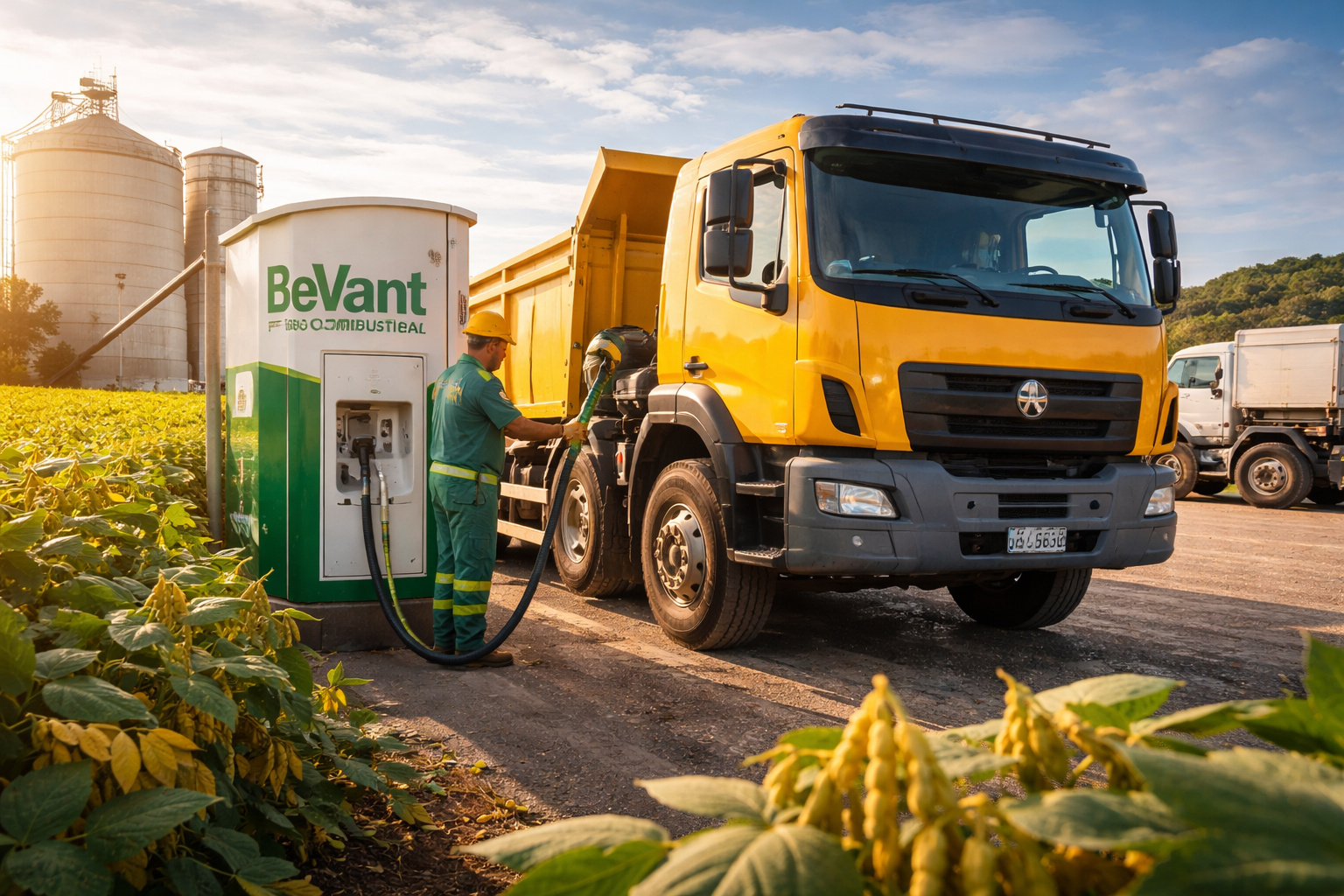
As diesel prices soar due to conflicts in the Middle East, a Brazilian city decides to test a little-known biofuel that promises to completely replace fossil fuel without adaptation and could change the future of energy in the country.
-
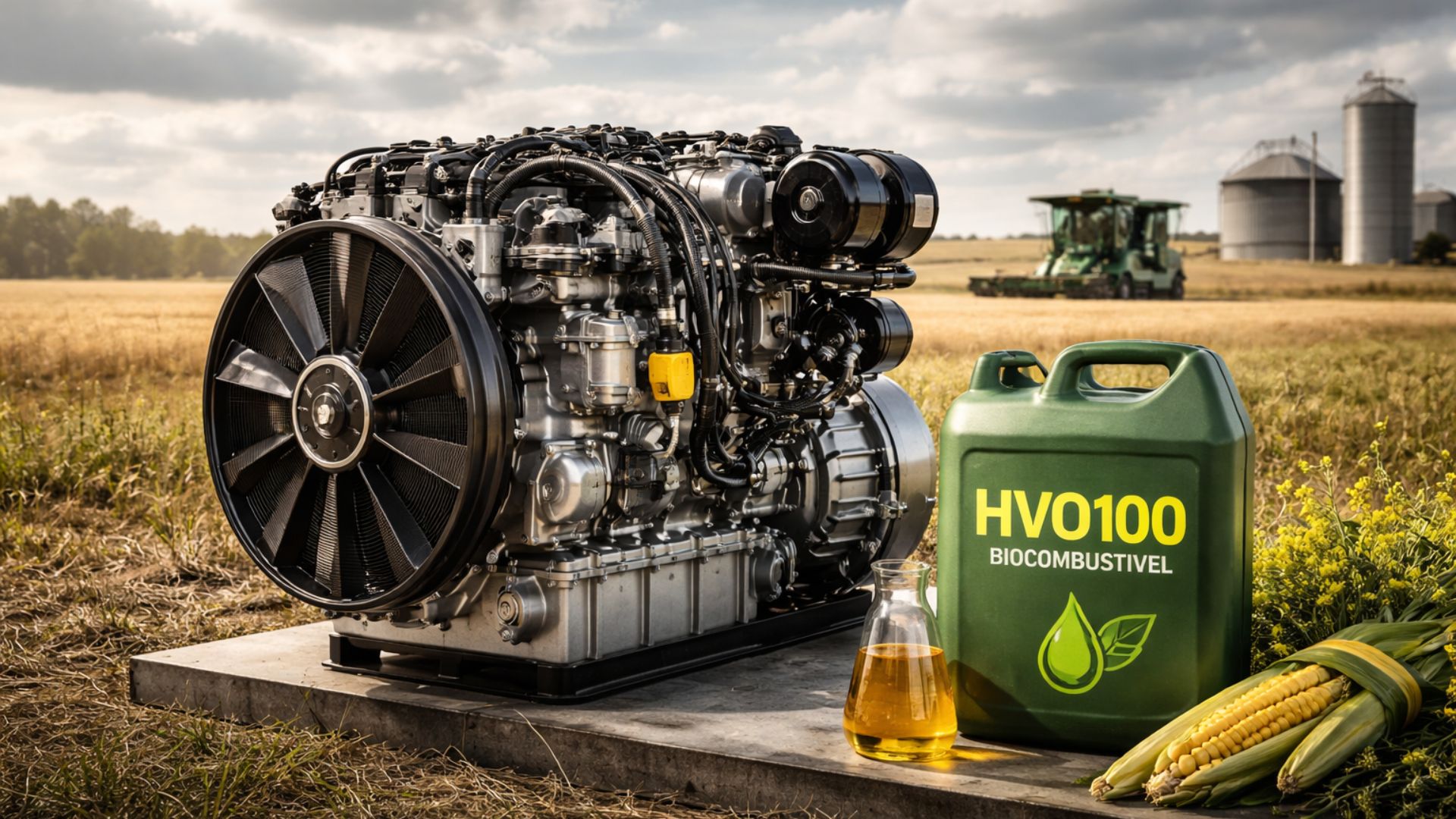
Innovation with biofuel engines transforms agribusiness by replacing diesel without the need for major adaptations, ensuring energy efficiency and helping to reduce dependence on oil.

“Mato Grosso is a locomotive of Brazil. Mauro’s administration is an inspiration for all states,” Ratinho stated, highlighting the state’s central role in the industrialization of ethanol, especially corn ethanol, and the logistical advances that have been fundamental for enabling the sustainable growth of production.
Mato Grosso already hosts one of the largest installed capacities for corn ethanol in the world, with over 6 billion liters produced per year by companies such as FS Bioenergia, Inpasa, Neomille, and Cerradinho Bioenergia. These modern, integrated, and sustainable plants not only produce biofuel but also animal feed, bioelectricity, and by-products that add value to the production chain.
Logistics and Infrastructure Advances Boost Biofuels
Mauro Mendes, in his participation, detailed the investments made in infrastructure, highlighting a historic leap in the state:
“We took over the state with 6,500 km of paved roads and we will end next year with over 13,000 km. Additionally, we delivered over 300 bridges and implemented Brazil’s first state railway, Ferronorte.”
These infrastructural works form the basis for Mato Grosso’s agro-industrial production to efficiently reach major consumer centers, ports, and international markets. They also strengthen the state’s role as a hub for national bioenergy.
Second-Generation Ethanol and the Role of Innovation
In recent years, Brazil has taken important steps in diversifying its renewable energy matrix, with a special focus on second-generation ethanol (E2G), produced from agricultural residues such as straw and sugarcane bagasse. This technology allows for increased biofuel production without expanding planted areas, generating less environmental impact.
According to Unica (Brazilian Sugarcane Industry Association), the 2023/24 harvest ended with 30.7 billion liters of ethanol produced, and growth is expected to continue. The Ministry of Mines and Energy projects that by 2032, annual production could exceed 50 billion liters, driven by private investments and programs like RenovaBio, which rewards plants with low emission levels.
Biofuels as a Pillar of Energy Sovereignty
In advocating Brazil’s lead in clean energy, Ratinho Júnior recalled the importance of cooperation among states and the historical migration that united Paraná with the Midwest in past decades.
“Producing food is a matter of national sovereignty, and generating clean energy from it is a competitive advantage for the country. Brazil needs governors with long-term vision.”
This vision is consolidated with the integration of agriculture, technological innovation, and sustainability, pillars that make Brazil a global case in bioenergy.
International Investors View Brazil as a Green Destination
The model adopted in states like Mato Grosso has attracted foreign investors, especially European and Asian funds, interested in assets linked to the energy transition. The country is beginning to gain strategic space in global discussions on energy security, emission reductions, and climate change.
National biofuel production, in addition to supplying the domestic market and replacing fossil sources, can become an important export item with the advancement of energy diplomacy.
Billion-Dollar Investments in Biofuels by 2032
According to estimates from the National Agency of Petroleum (ANP), the biofuels sector could attract over R$ 500 billion in investments by 2032, covering everything from biorefineries to transportation, logistics, and distribution infrastructure.
In addition to ethanol, the country is also advancing in the production of biodiesel, biogas, and even SAF (Sustainable Aviation Fuel), consolidating a diversified and low-carbon energy matrix.
Brazil and Saudi Arabia: Energy Leadership with Distinct Visions
The comparison with Saudi Arabia, made by Ratinho Júnior, is not limited to production volume, but rather to the centrality that Brazil can have in the new global energy landscape. While Middle Eastern countries still concentrate their influence on oil production, Brazil stands out as a leader in bioenergy, a strategic alternative in the race for decarbonization.
And, unlike oil, Brazilian biofuels are directly linked to food production, environmental preservation, and rural inclusion, adding socio-economic and environmental value to national leadership.










Seja o primeiro a reagir!