





 Portuguese
  English
  Spanish
  4 min of reading
  0 comments


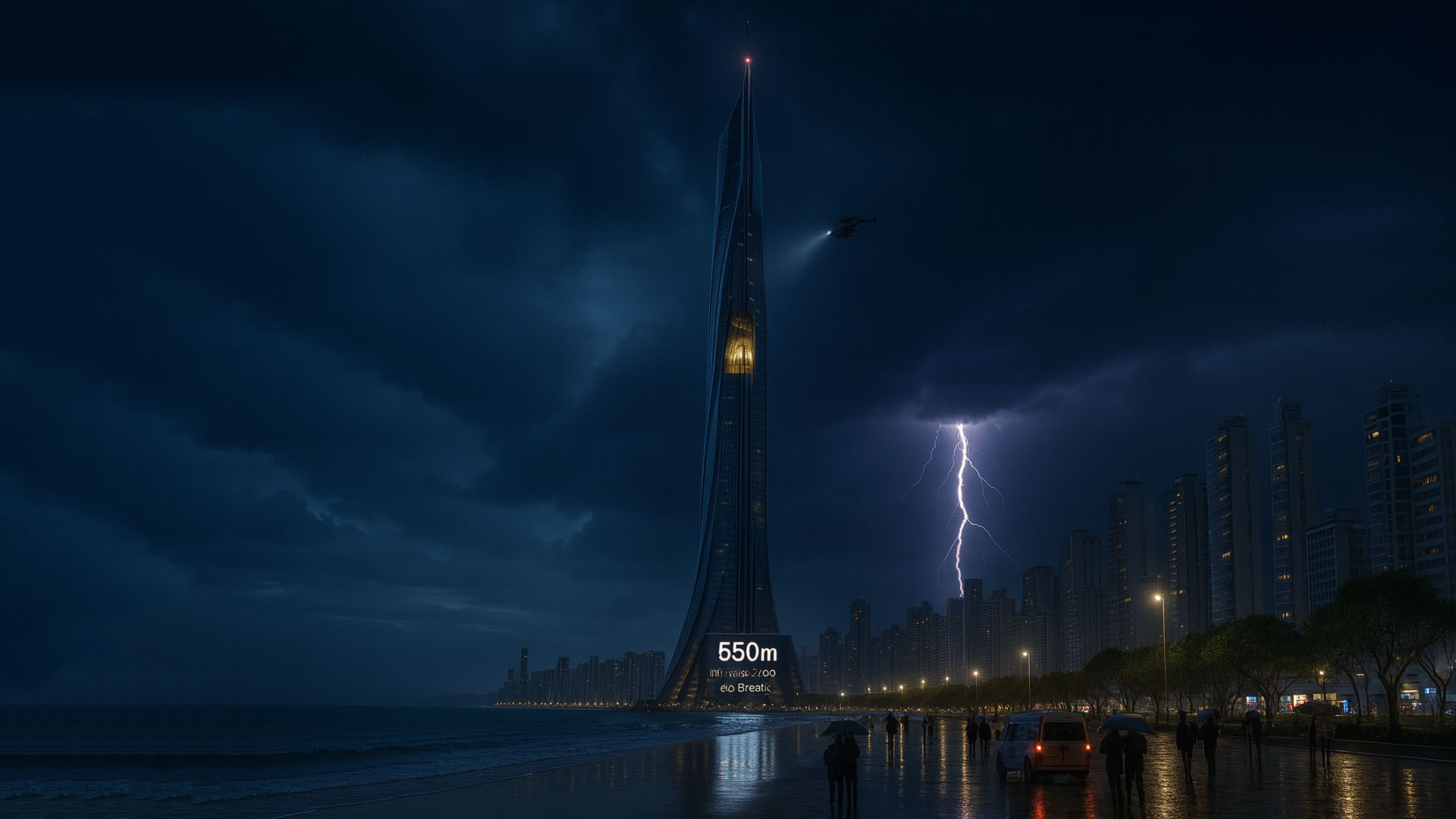
Project of More Than 500 M and 157 Floors Advances in Santa Catarina. City Already Leads the Price of the Square Meter in Brazil and Aims for a New Leap in the Real Estate Market.
The Senna Tower, launched in 2025 by FG Empreendimentos in partnership with the Senna brand, aims to reach more than 550 meters and 157 floors, which would make it the tallest residential building in the world. The project was presented with 228 units and tributes to the driver Ayrton Senna, and is expected to be delivered by 2033, according to public communications and the press.
The project received preliminary approval from the city hall and environmental implementation licenses, according to the construction company. The Council on Tall Buildings and Urban Habitat (CTBUH) registers the proposal as a building over 500 m approved in the city.
The ambition technique includes engineering resources such as tuned mass damper (TMD) to reduce wind vibrations and high-level sustainability goals. The official website of the project also describes leisure floors and areas open to the public.
-
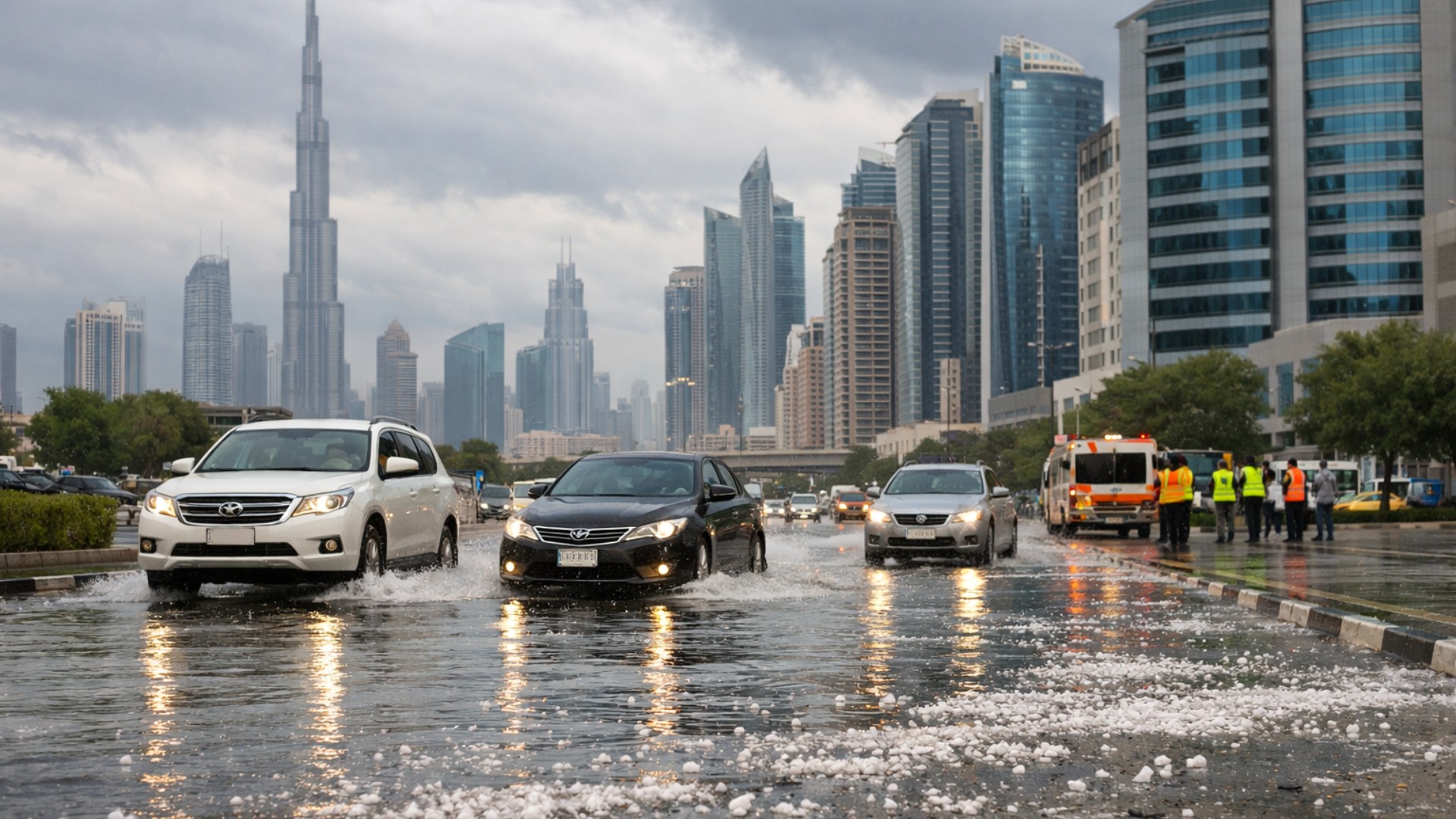
A rare storm transformed part of the Gulf into an unlikely scene of hail, extreme rain, and tornado risk in the middle of the desert, with volumes that exceeded the annual average in a single day.
-
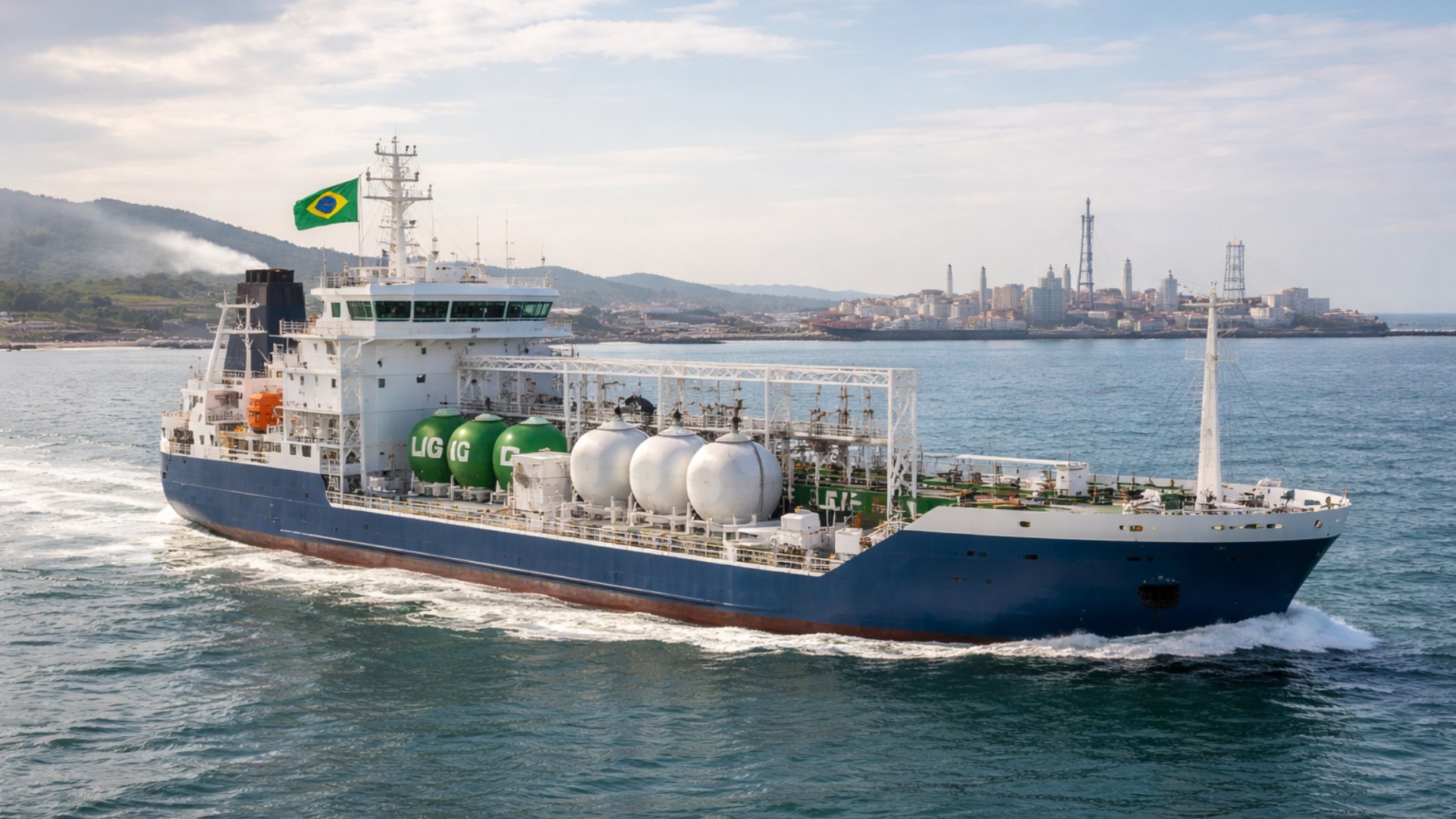
Brazil catches the world’s attention with ships powered by ethanol and biodiesel that have lower emissions, an unprecedented certification with advantages in chartering, and a revolution in cabotage.
-
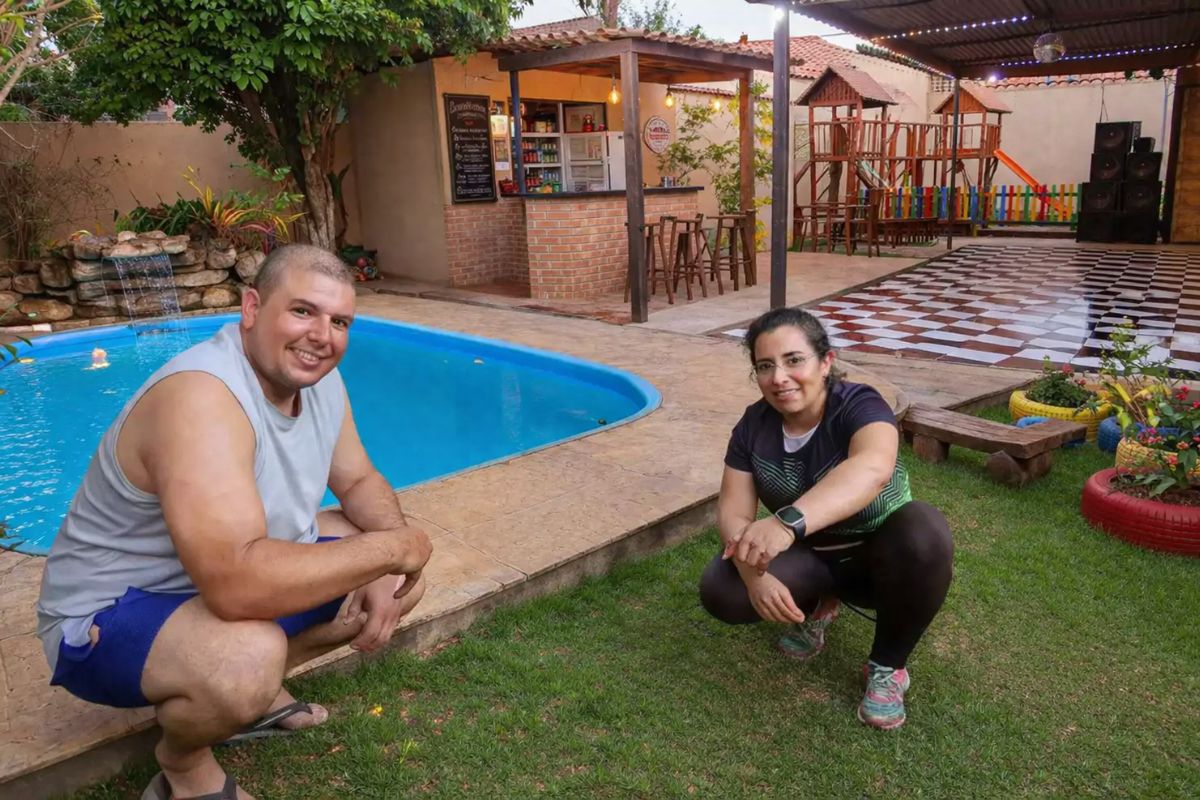
A couple who only has Sundays free has built a hand-dug pool, a hamburger joint, a dance hall, and a playground in their own home without hiring a mason, and even with breaks due to accidents and the pandemic, the work has never truly stopped.
-
Furniture made with aluminum and glass does not warp and has become an alternative to replace MDF in Brazil.

Meanwhile, Balneário Camboriú maintains the most expensive m² in the country, according to the FipeZAP Index, with average values above R$ 14,000 in 2025, ahead of Itapema and Vitória. This data reinforces the backdrop of demand and appreciation that supports high-end projects in the city.
How the Tower Positions Itself in the World Ranking of Residential Buildings
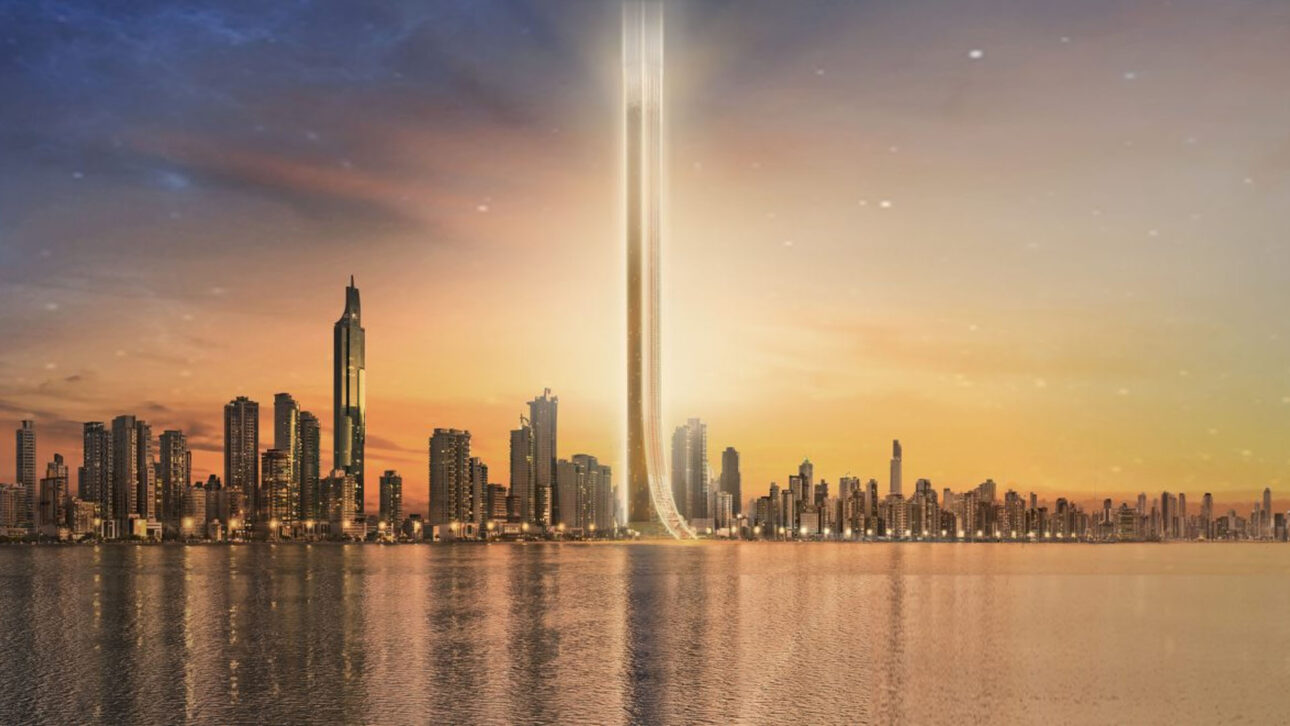
Currently, the title of the tallest residential building belongs to the Central Park Tower in New York, with 1,550 feet (about 472 m). If the announced height is confirmed, the Senna Tower will surpass this mark, repositioning Brazil on the global map of super tall residential skyscrapers.
In the national scenario, Balneário Camboriú already hosts some of the tallest buildings in Brazil. The Yachthouse by Pininfarina stands at 294 m, and the One Tower has 290 m, both recognized by the CTBUH. The new tower would comfortably exceed these references.
The consolidation of BC as a hub for iconic buildings has been happening since the expansion of its skyline and urban interventions along the waterfront, which has increased attractiveness for housing and investment. The Senna Tower, if built as planned, would be the pinnacle of this cycle.
Engineering, Innovation and Sustainability Goals
Among the technical differentials, the TMD, a pendulum system that mitigates oscillations common in very tall towers, stands out. The project also announces high environmental standards, with the goal of LEED certification at the highest level, according to official materials. High-speed elevators and exclusive leisure floors are part of the design.
The combination of advanced structural engineering with mixed-use programs in leisure areas open to the public is presented in the project communication as a way to anchor urban benefits beyond the private. Details about foundations, outrigger and reinforcements have been disclosed by the developer as studies progress.
For independent verification, the CTBUH recorded in 2024 that plans anticipated the start of construction in the second half of 2025 and a schedule of up to 10 years, which is consistent with projects of this scale.
Investment, Schedule and Regulatory Attention Points
In financial terms, reports indicate an estimated investment between R$ 3 billion and R$ 3.5 billion to build the tower, while other market sources cite a Gross Sales Value of about R$ 8.5 billion. The expected completion date by 2033 appears in national press releases. Summary: values are high for Brazilian standards but plausible for a super tall residential.
However, there are regulatory challenges under local discussion, such as the need for specific legal frameworks and additional environmental studies for a wave of high-rise projects in the city. This context may influence deadlines and phases of the construction site.
Nonetheless, the recent history of approvals in BC for tall buildings and the presence of experienced players in the segment suggest the capacity for execution, conditioned to compliance with technical and urban requirements.
Impact on the Market: Leading m² and Demand for Luxury
According to FipeZAP, Balneário Camboriú leads the national ranking of sale price per m² in 2025, with an average close to R$ 14,900, followed by Itapema and Vitória. These numbers, compiled and published by economic outlets, reflect a heated market with a scarce premium stock.
The eventual delivery of the Senna Tower is likely to anchor ultra-luxury prices. There are reports of penthouses featured in the media with prices in the range of hundreds of millions of reais, which, if confirmed in the market, could create a new national reference ticket.
For the investor and high-end resident, BC offers a package that combines beach location, urban services, and iconic architecture. The 500+ m tower would be an additional prestige seal, at the cost of greater pressure on infrastructure, shading, and traffic, issues that require public monitoring.
Is the construction of a 500+ m residential building a technological advancement or extra pressure on the city? Comment below: Should BC pursue the record at any cost or is it time to slow down and demand more urban and environmental compensations?






-

-

-

7 pessoas reagiram a isso.