





 Portuguese
  English
  Spanish
  4 min of reading
  0 comments



Brazil Surpasses The United States And Becomes The Third Country That Generates The Most Jobs In Solar Energy In The World, According To Report By IRENA And ILO, Just Behind China And India.
The advancement of solar energy has consolidated Brazil as one of the main protagonists of the global energy transition. According to the Annual Renewable Energy and Jobs Report 2025, released by the International Renewable Energy Agency (IRENA) in partnership with the International Labour Organization (ILO), the country was the third that generated the most jobs in the solar sector in 2024.
Throughout the year, Brazil accounted for 323.8 thousand jobs in solar energy. With this result, the country moved up one position in the international ranking and surpassed the United States for the first time in jobs related to the photovoltaic source.
China And India Continue To Lead, But Brazil Reduces The Gap
The report shows that China remains the largest global hub for solar energy. The country accounted for 58% of the entire global workforce in the sector, with 4.2 million jobs recorded in 2024. Following is India, which totaled 384.9 thousand workers in the segment.
-
Solar cells have just achieved the “impossible” with this 130% breakthrough.

-
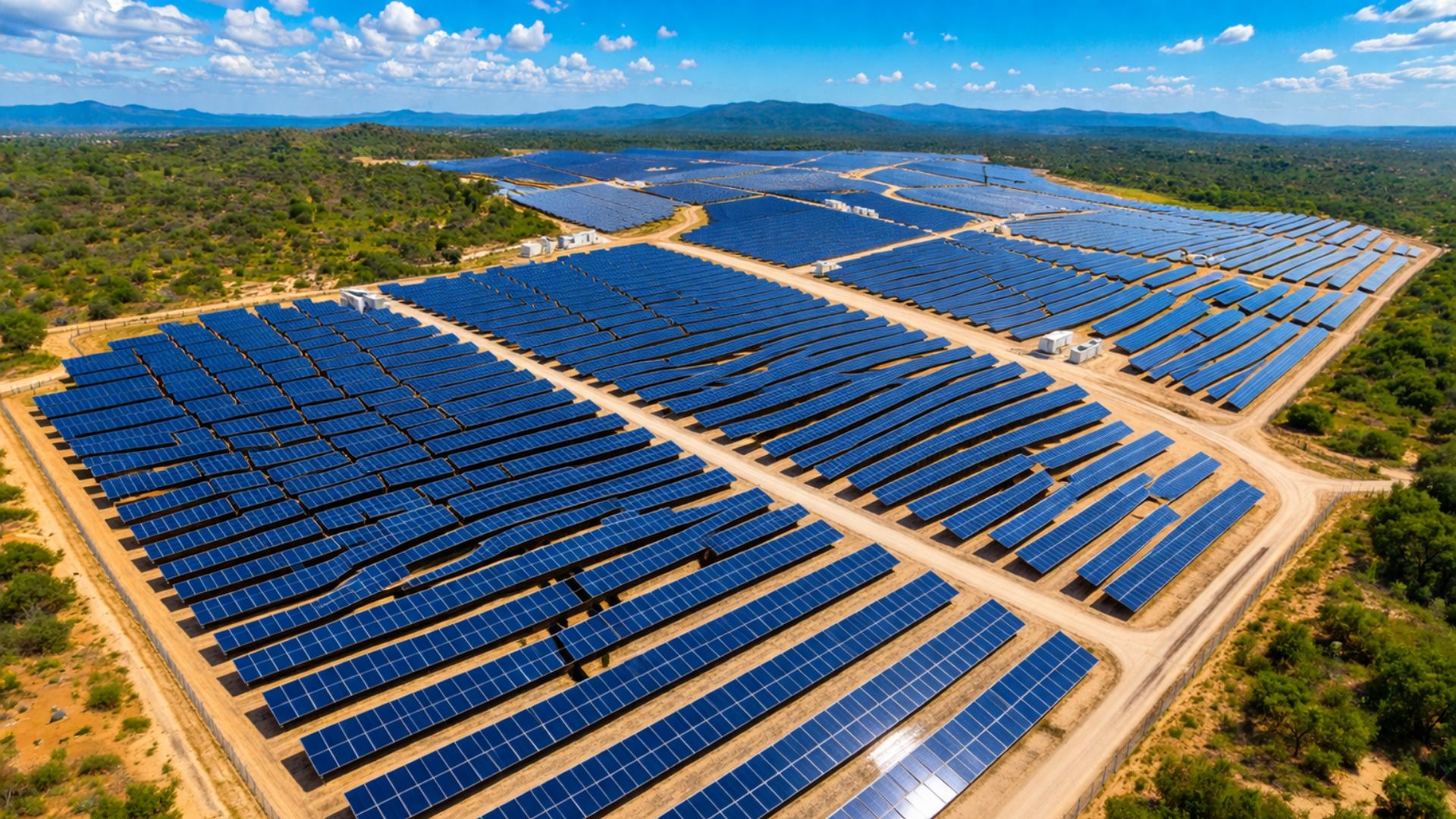
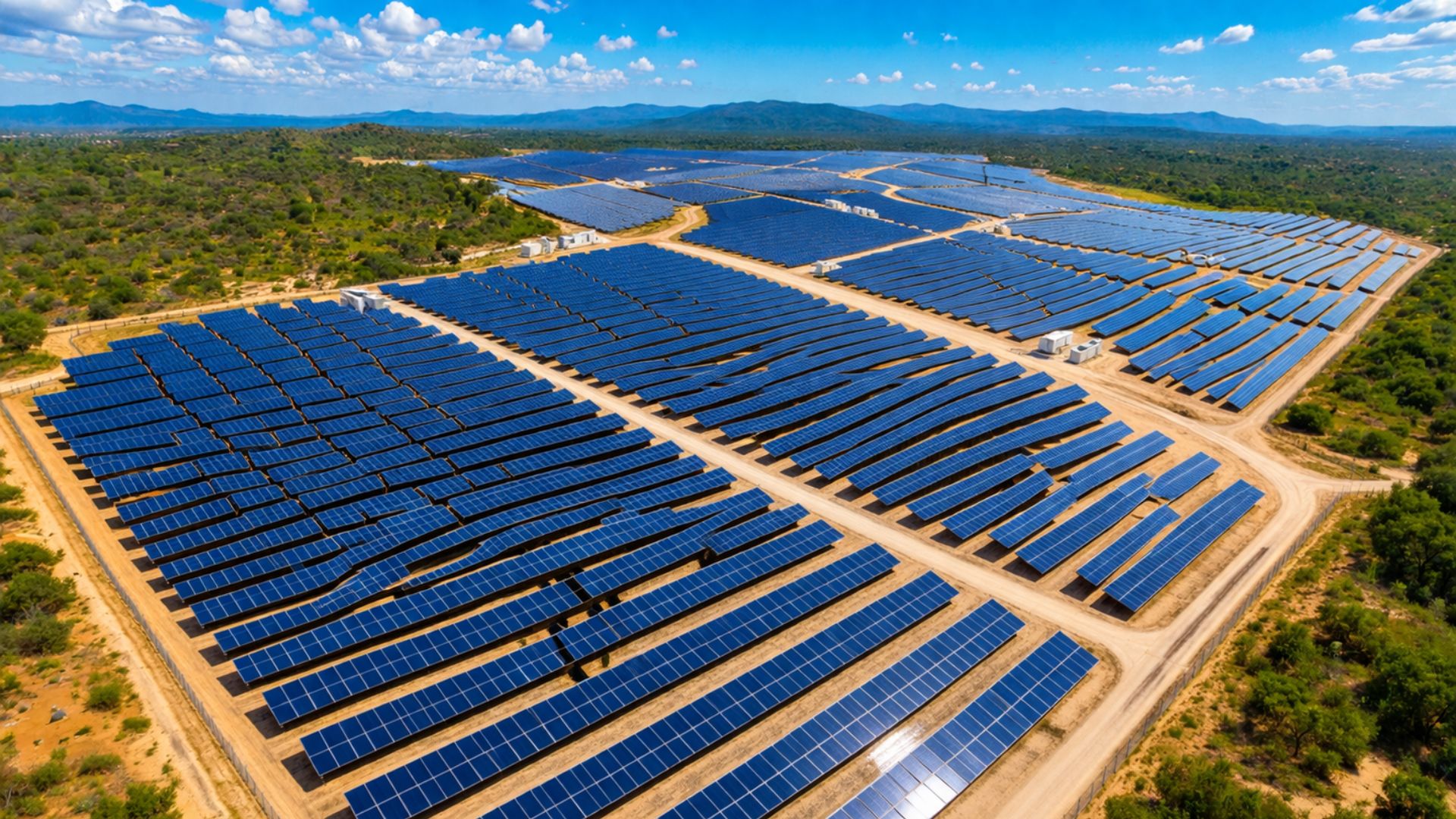
The Sol do Agreste Photovoltaic Complex begins operations in Pernambuco and accelerates the expansion of solar energy in Brazil, directly impacting the reduction of emissions and strengthening the sustainable energy matrix.
-
The Sol do Agreste Photovoltaic Complex begins operations in Pernambuco and accelerates the expansion of solar energy in Brazil, directly impacting the reduction of emissions and strengthening the sustainable energy matrix.
-
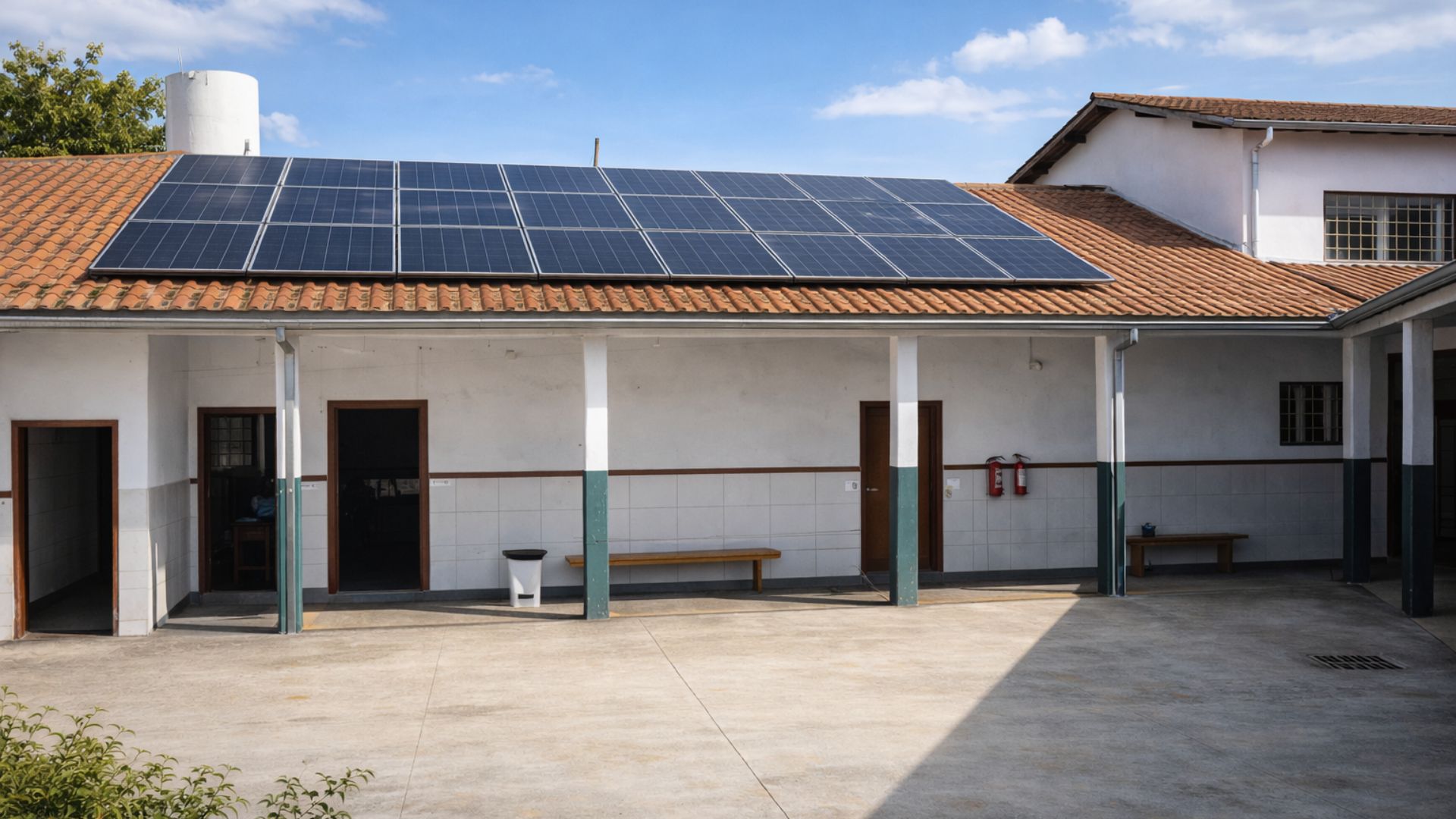
Roraima bets on the sun to escape high tariffs: Amid the energy crisis and price hikes, solar energy is growing in Roraima and transforming consumption in the North region.


Even far from Chinese numbers, Brazil’s performance stands out due to the speed of growth and the consolidation of the sector in a more challenging international scenario. The United States ranked fourth, with 280.1 thousand jobs in solar energy during the period.
Global Ranking Highlights Brazilian Advancement
Among the countries that employed the most in solar energy in 2024, Brazil stands out:
- China: 4.2 million
- India: 384.9 thousand
- Brazil: 323.8 thousand
- United States: 280.1 thousand
- Pakistan: 180 thousand
- Vietnam: 135 thousand
- Germany: 127 thousand
- Turkey: 122 thousand
- Italy: 100 thousand
- Japan: 95 thousand
The Brazilian advancement occurs in a context of more moderate growth in global renewable energy employment, which increases the relevance of the result.
Renewable Jobs Grow Less, But Solar Maintains Leadership
According to IRENA, despite the significant expansion of installed capacity from clean sources in 2024, the total number of jobs in renewable energy grew only 2.3% compared to 2023. The more contained performance reflects factors such as automation, reorganization of production chains, and geopolitical tensions.
Even so, solar energy maintained its position as the main source of job creation in the world. In 2024, the sector employed 7.237 million people, equivalent to almost 44% of all global jobs in renewable energy.
Solar And Biomass Drive Employment Growth
Among the major renewable sources, only solar energy and biomass saw an increase in the number of jobs throughout 2024. This movement reinforces the strategic role of these technologies in advancing the energy transition.
The global distribution of jobs by source was as follows:
- Solar Energy: 7.23 million
- Liquid Biofuels: 2.63 million
- Hydropower: 2.26 million
- Wind Energy: 1.92 million
- Biomass: 734 thousand
- Solar Thermal: 591 thousand
- Heat Pumps: 388 thousand
- Biogas: 332 thousand
- Other Sources: 186 thousand
- Geothermal Energy: 161 thousand
More illustratively, it is possible to observe the distribution of data according to the IRENA report, in English:

Brazil Expands Job Base In Renewable Energies
In addition to the strong performance of solar energy, Brazil currently employs about 1.4 million people across the entire renewable energy sector. This number is primarily driven by the biofuels chains and hydroelectric plants.
For IRENA, the country has favorable conditions to further expand its share in the global green job market. Factors such as the availability of natural resources, an expanding internal market, and accumulated experience in renewables contribute to this scenario.
Structural Challenges Still Require Attention
Despite the leadership of solar energy in job creation, the report highlights important challenges for the coming years. Among them are the advancement of automation, geopolitical and geoeconomic frictions, and the uneven development of the sector among regions.
IRENA and ILO emphasize that ensuring a just energy transition will require public policies focused on professional qualification, inclusion of women and people with disabilities, and strengthening local production chains.
Even in the face of these challenges, the data indicates that solar energy continues to be the main gateway to jobs in the low-carbon economy, with Brazil playing an increasingly relevant role in this global process.







Seja o primeiro a reagir!