





 English
  Francês
  Alemão
  Italiano
  Japonês
  Norueguês
  Portuguese
  Spanish
  5 min of reading


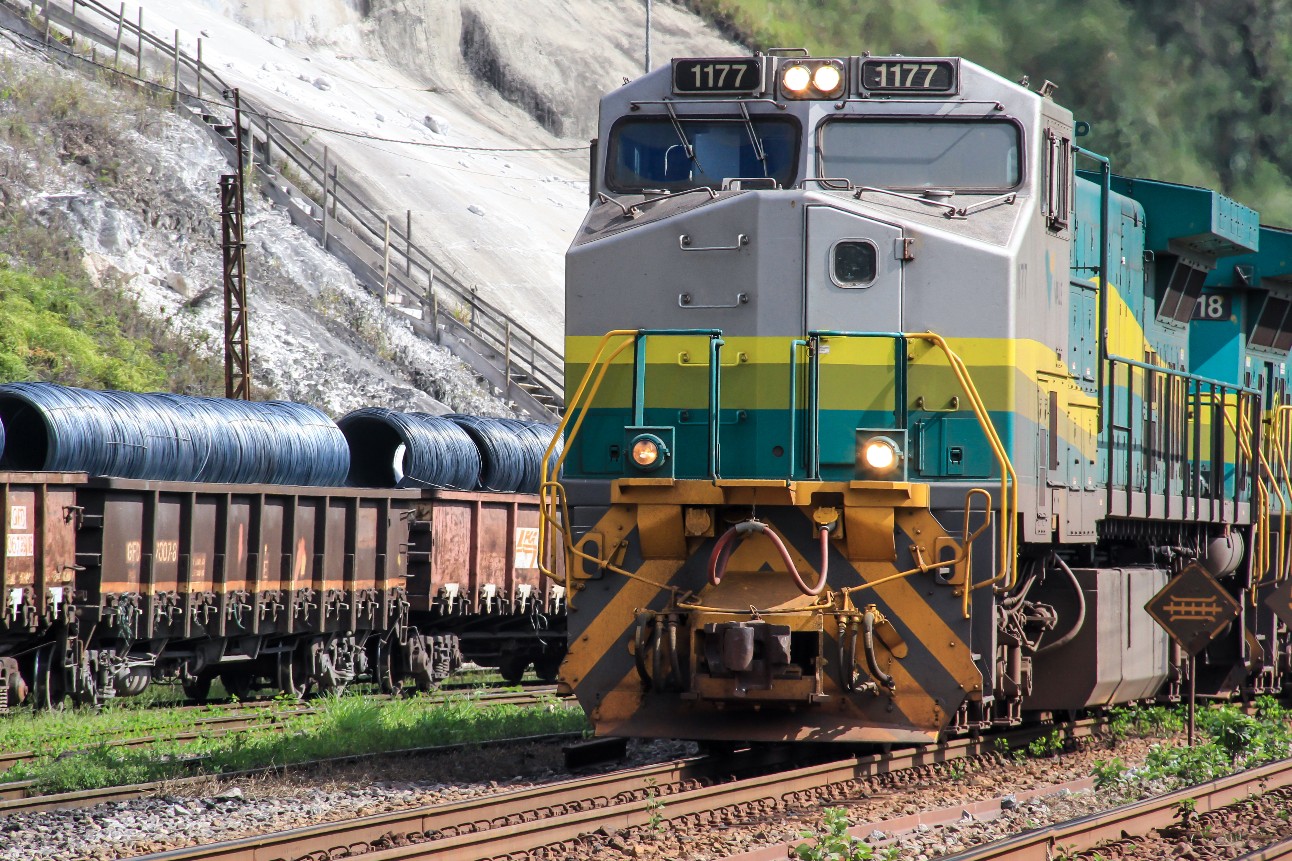
New Railway Framework Has Flood of Projects and Could Generate R$ 342 Billion in Business
There is no questioning that we are a consumer society. Since the early 20th century, when we began producing goods in large volumes, and more economically, per capita consumption has only increased. This consumption is based on the growing demand for industrialized products, which in turn need raw materials to be transported to factories, which then need to transport goods to consumers. Nearly 90% of all cargo transportation is done by sea, which is the most economical means of all. However, the vast majority of the population does not live on the Brazilian coast, leading to the need to send such cargo into the continent.
Read Other Related News
12 Largest Economies in the World
If we think of the 12 largest economies in the world (US, China, Japan, Germany, United Kingdom, France, India, Italy, Brazil, Canada, South Korea, and Russia) in terms of land area, we will see that only six of these countries are the largest in the world (US, China, India, Brazil, Canada, and Russia, in that order) and are responsible for the largest railway networks (Russia, China, US, India, Canada, and Brazil, respectively). It is no coincidence that Brazil is in the last position, with a railway modal just above 20% – a very low percentage that, however, represents a huge share of the so-called “Cost of Brazil.”
Now let’s translate all of this into numbers. A train spends approximately 4 cents of a dollar in fuel to transport one ton of cargo per kilometer. An airplane spends 121 cents of US currency to transport the same ton per kilometer. Okay. You might think: but airplanes are for quickly transporting high-value items, industrialized products. Correct. The comparison that should be made, however, should be based on the road model for cargo transportation. Therefore, each ton transported per kilometer costs 20 cents of a dollar; that is: it is five times more expensive. Moreover, fossil fuel consumption could be greatly reduced with more railways.
-
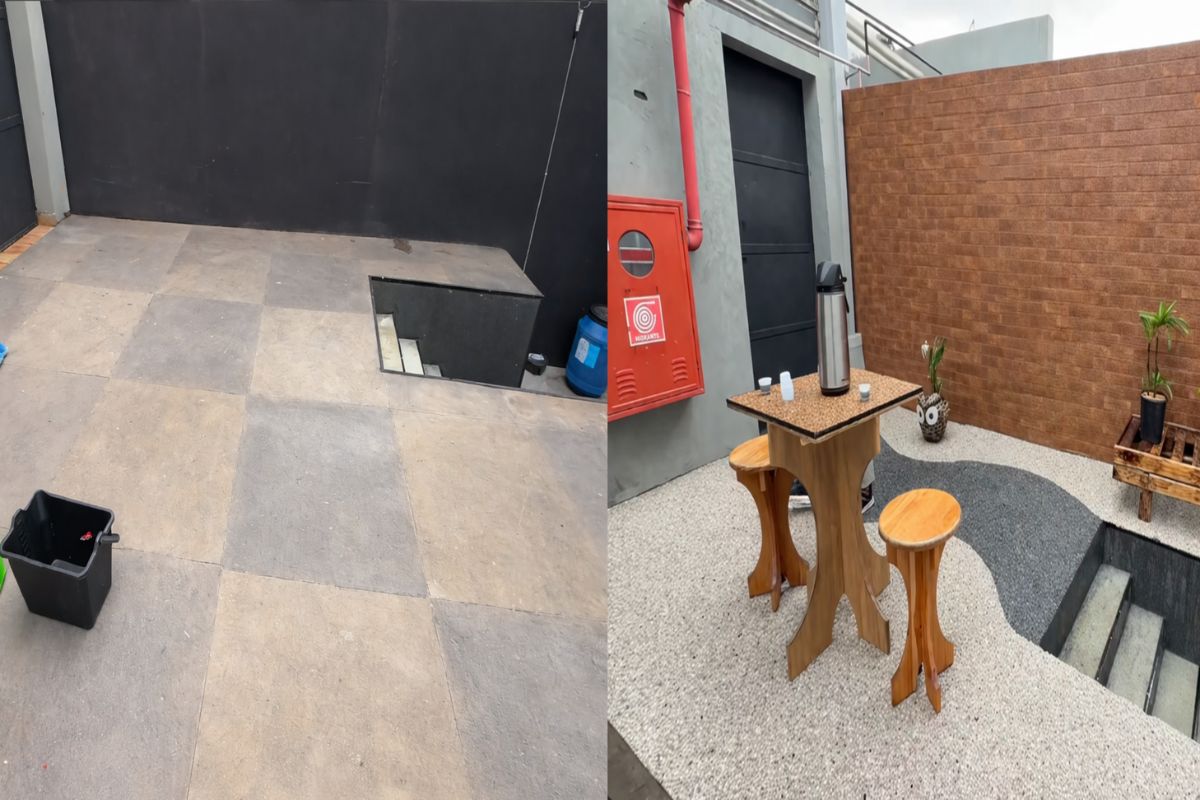
In just three hours, a natural stone floor transforms the entrance of the house with an organic effect, immediate drainage, and a sophisticated non-slip finish that doesn’t puddle water, dries quickly, and impresses with the final result.
-
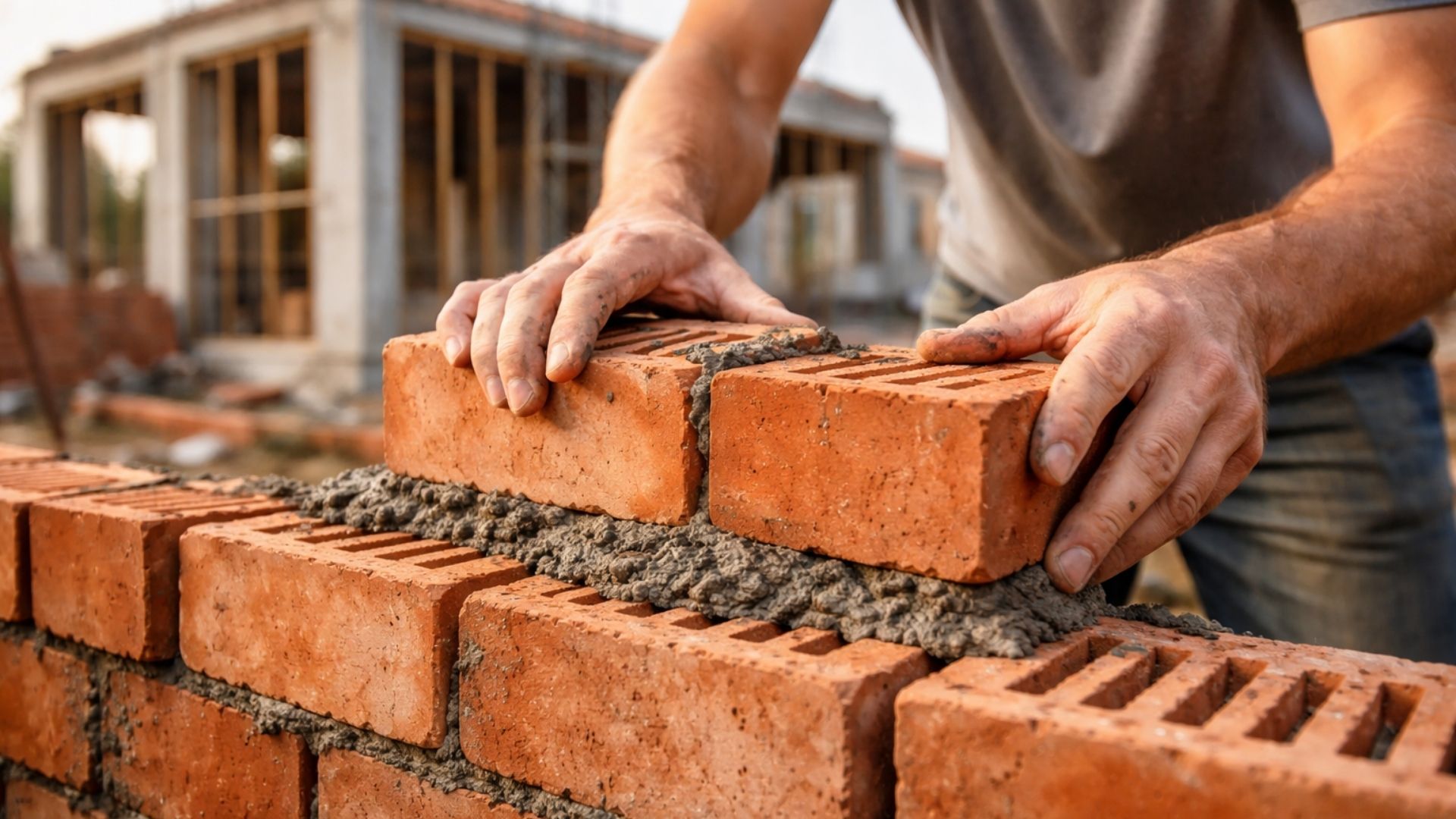
‘Interlocking brick’ made of earth arrives in the construction industry with cost reductions of up to 40% on the project.
-
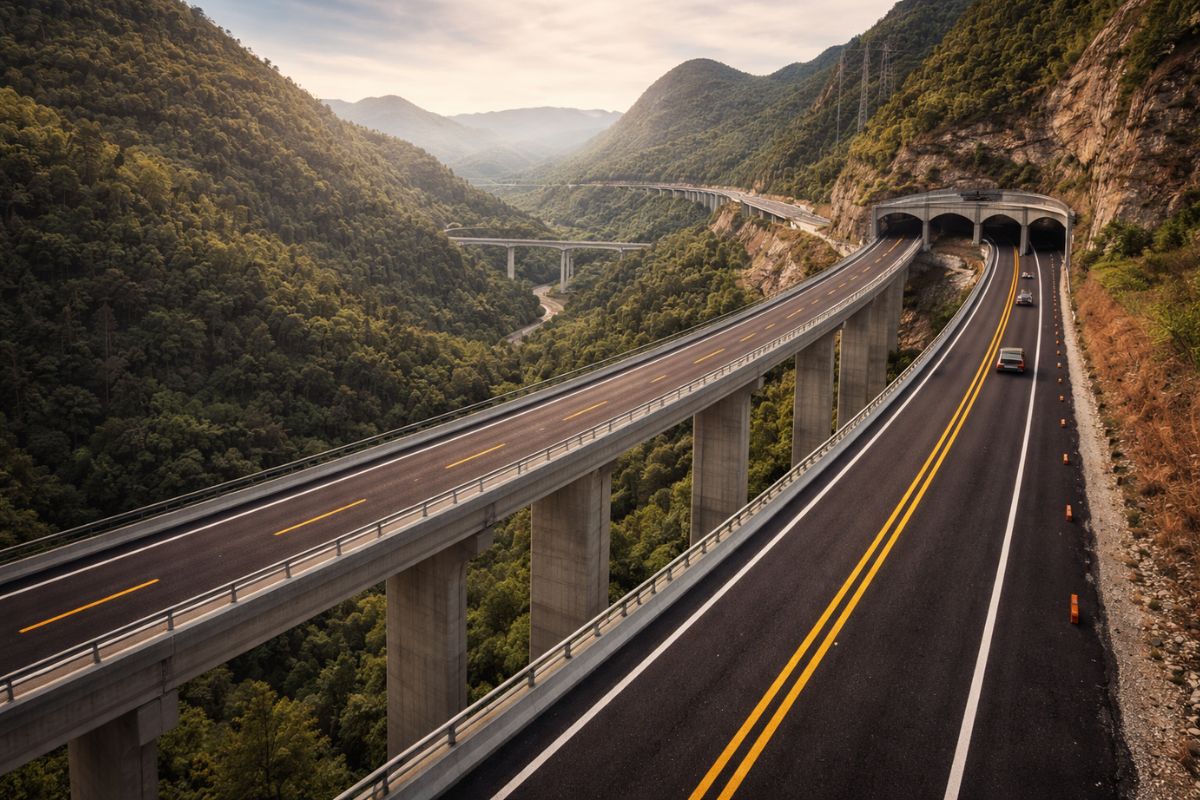
Espírito Santo will receive the largest engineering project in its history with the duplication of BR 262, which will have 50 viaducts, 28 bridges, and 2-kilometer tunnels cutting through the most challenging mountainous region of the entire state.
-
A project of nearly 9 million reais already has the first kilometer paved in Santa Catarina and promises to completely transform the access between Jaraguá do Sul and Rio dos Cedros in an area where tourism is growing at a rapid pace.

With just 5 liters of diesel, a train can transport one ton of cargo for 750 kilometers. And this is very easy to explain: trains have much less friction running on tracks than truck tires. Of course, trucks have the advantage of being able to move anywhere, while a train, logically, can only go where there are tracks. On the other hand, a train only needs one engineer to transport large compositions of cars.
In Brazil, it’s common to have compositions of 300 or more cars extending four kilometers. A person would take more than an hour to walk the entire train from end to end. So, imagine the size.
Sustainable Growth of the Sector with the Railway Framework
By coming into effect through a Provisional Measure, Brazil has taken an important step for the sustainable growth of the sector with the so-called Railway Framework. Private companies will be able to take responsibility for investing in railway networks, assuming the risks of operations and, obviously, all investments, which are always long-term.
Before the Railway Framework, investment was made by the federal government, which “granted” the use of railways, often through bidding. With a lack of resources for investment, the railway network became obsolete and stagnant, unused, wasting an incredible potential for the country’s development.
The Railway Framework Bill has just been approved in the Senate and is now pending in the Chamber of Deputies. In a short time, more than 35 projects have already been presented, totaling more than R$ 150 billion in investments. There are over 11,000 kilometers of new railway networks. And the pace of requests doesn’t stop. It’s immeasurable progress.
Could the Railway Network Project Be Improved? Wilson Antunes Discusses the Topic
But the project could be better, and Wilson explains how: as it is currently written, the Railway Framework does not foresee a NATIONAL network, a real plan that unites the railways in favor of transport communication throughout the country, from North to South, from East to West, from Oiapoque to Chuí, as we usually say. With this flaw, we run the risk of having a large number of small railways that do not communicate with each other, and this is very detrimental for the future and for the demands that, for now, we cannot even imagine might exist.
Another point is the strict control in the construction of these railways to minimize environmental risks, the invasion of indigenous lands, and any type of degradation of the biomes through which the railways will pass. The project is also flawed concerning the possibility of a compensation for each request. For example, the viability of railway transport of passengers as well, not just cargo, in the desired segments would be an extremely beneficial compensation, contributing to reducing car traffic, decreasing the use of fossil fuels and the sustainable development of the country.
Still, I believe that – even with important adjustments to be made – the Railway Framework is a significant advancement. Brazil is getting it right by opening the way for our railways towards a more competitive, economical, and sustainable future.
NOTE: Wilson Antunes is an entrepreneur and specialist in metro-rail automation, with a degree in Engineering from the Polytechnic School of the University of São Paulo (Poli-USP) and in Business Administration from the Getúlio Vargas Foundation. The data cited in the article is from Allied Market Research.








Seja o primeiro a reagir!