





 English
  Francês
  Alemão
  Italiano
  Japonês
  Norueguês
  Portuguese
  Spanish
  3 min of reading


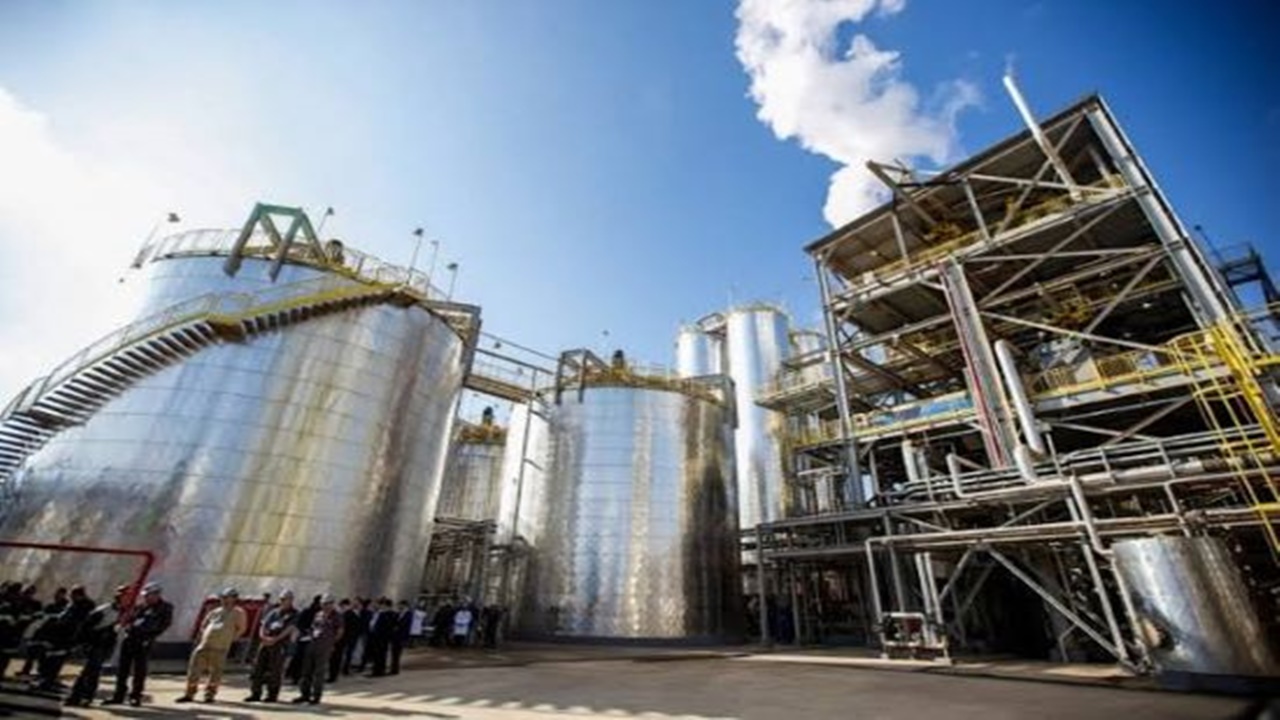
India Raises Ethanol Blending in Gasoline to 20% and Who Can Benefit from the New Measure is the World Leader in Ethanol Production, Brazil
India announced last Thursday (03/25) the approval for the sale of pure ethanol at fuel stations in the country. Even without a fleet of flex-fuel or ethanol-powered cars, the measure is expected to trigger significant private investments and opportunities for Brazil in the medium and long term, according to the Sugarcane Industry Union (Unica).
Read Also
- Ethanol Prices Plummet at Mills
- Ethanol Prices Disappear at Mills and Distributors Burn Stocks
- Petrobras Suffers Losses with Modec’s FPSOs and Prohibits the Oil Giant from Participating in Its Bids
- Siemens Calls for Job and Internship Openings at Its Factories in SP, BA, and RN, for Candidates with and without Experience
- Using Mobile Technology for Construction Site Management
“Initially, the demand for ethanol in India is expected to be met by local supply, and if there is a need for imports, it should arise more in the medium and long term. From the perspective of the Brazilian sugar-energy sector, the main gain is the strengthening of ethanol as a decarbonization agent and combatting climate change”, said the executive director of Unica, Eduardo Leão de Sousa, to Agro News.
Since 2003 in India, the ethanol blend in gasoline has been 5%, increasing then to 10%, and now the announcement is that the blend will increase to 20% by 2030.
-
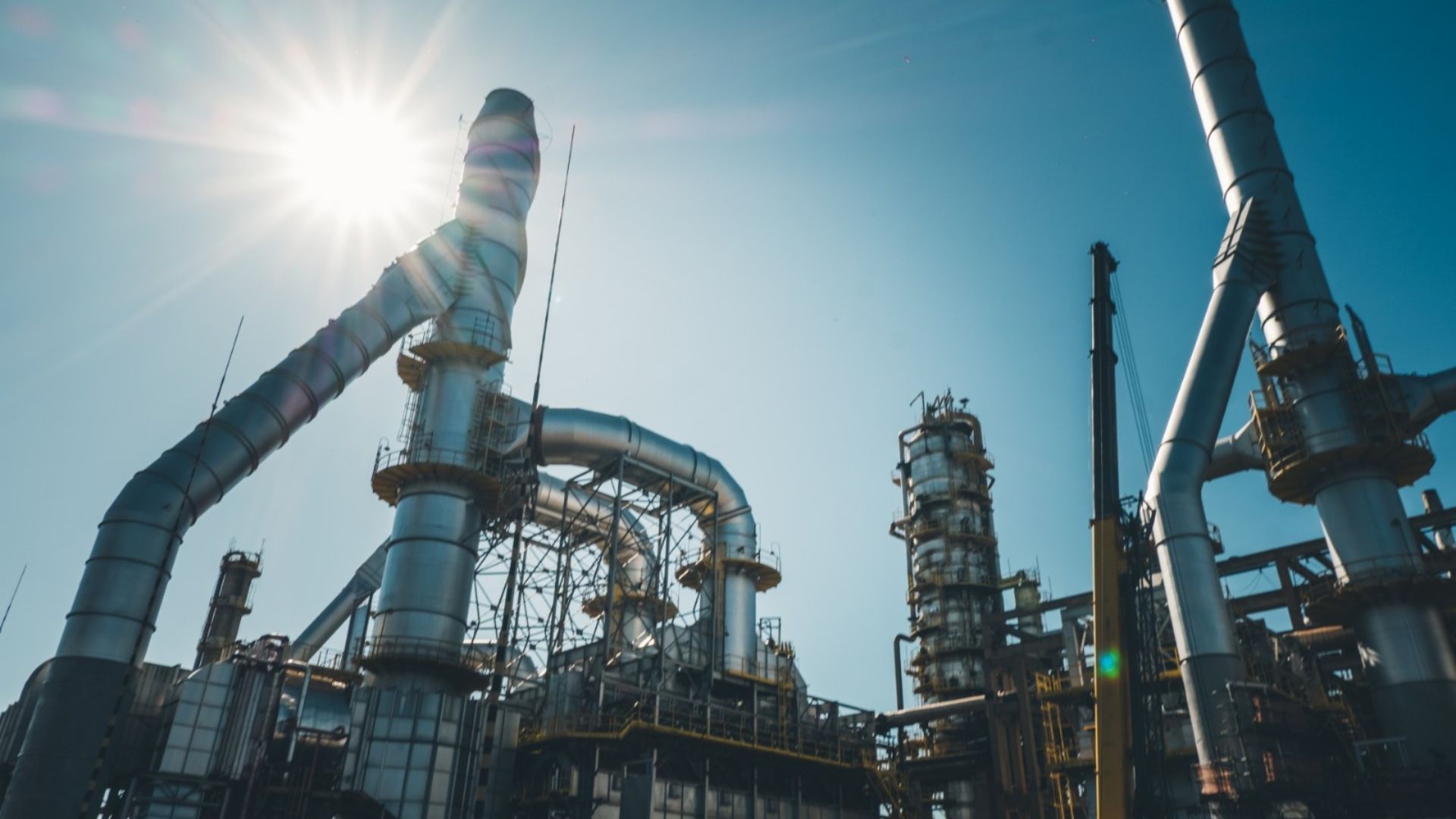
Petrobras Expands Refining in Brazil, Increases Production of Diesel S-10 and Gasoline, Enhances Operational Efficiency, and Reduces Import Dependence Between 2023 and 2025
-
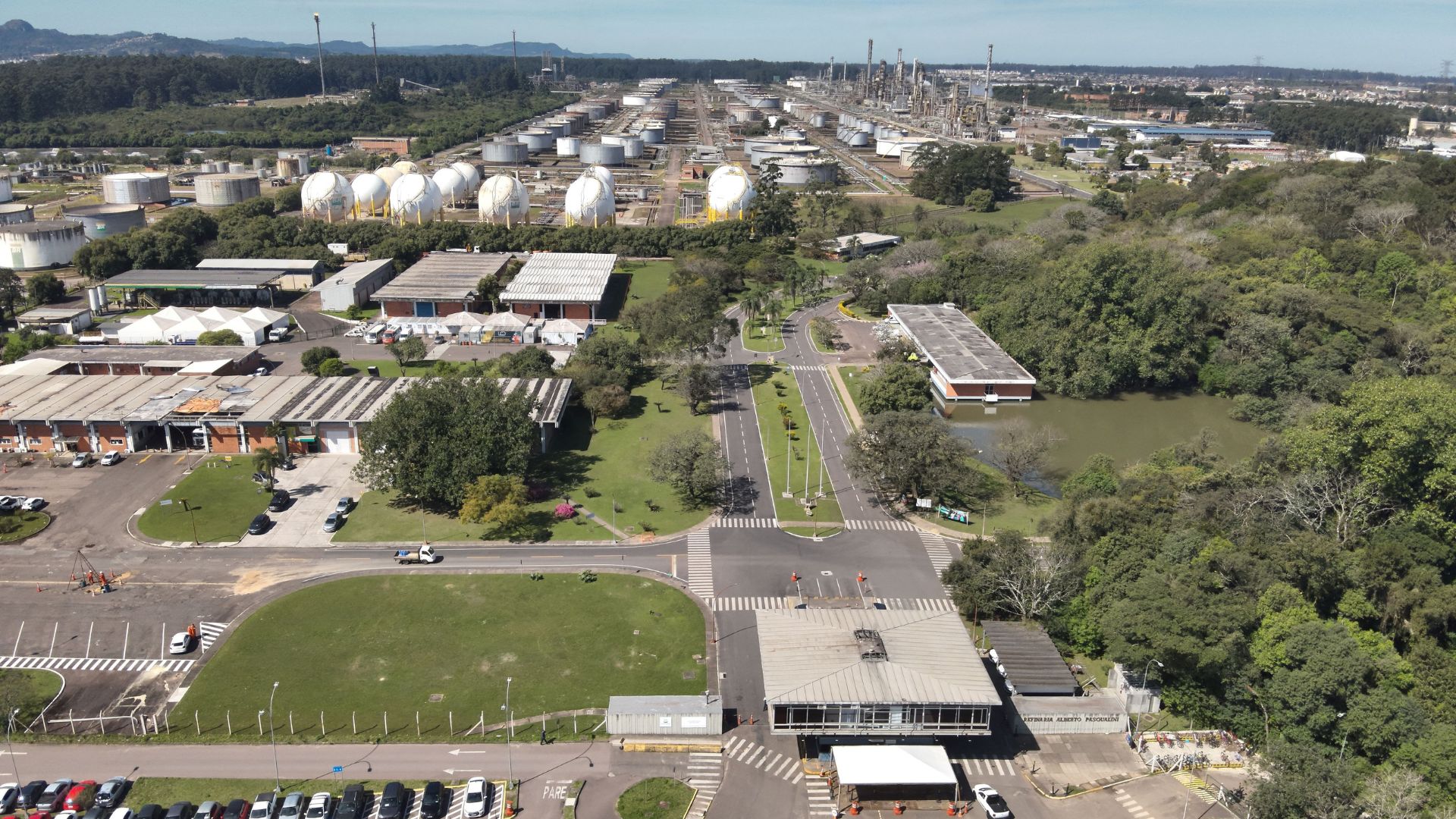
Petrobras’ Refap Sets Historic Records for Gasoline and S-10 Diesel Production in Canoas in Q4 2025, Surpassing Previous Figures
-
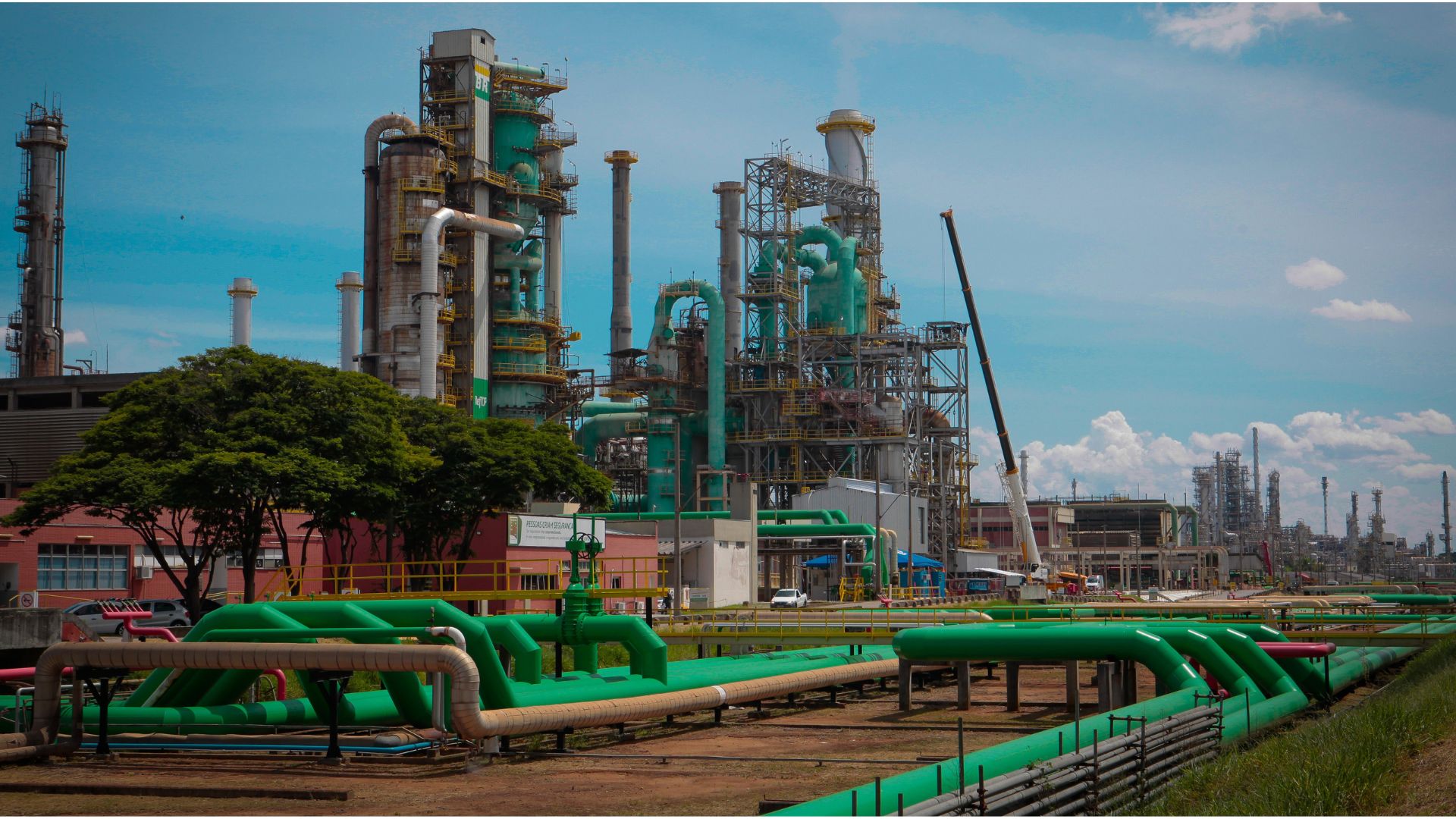
Revap Starts Operation of Modernized HDT and Petrobras Expands S-10 Diesel Production by 80% at the Refinery, Boosting Supply of Less Polluting Fuel in Brazil
-
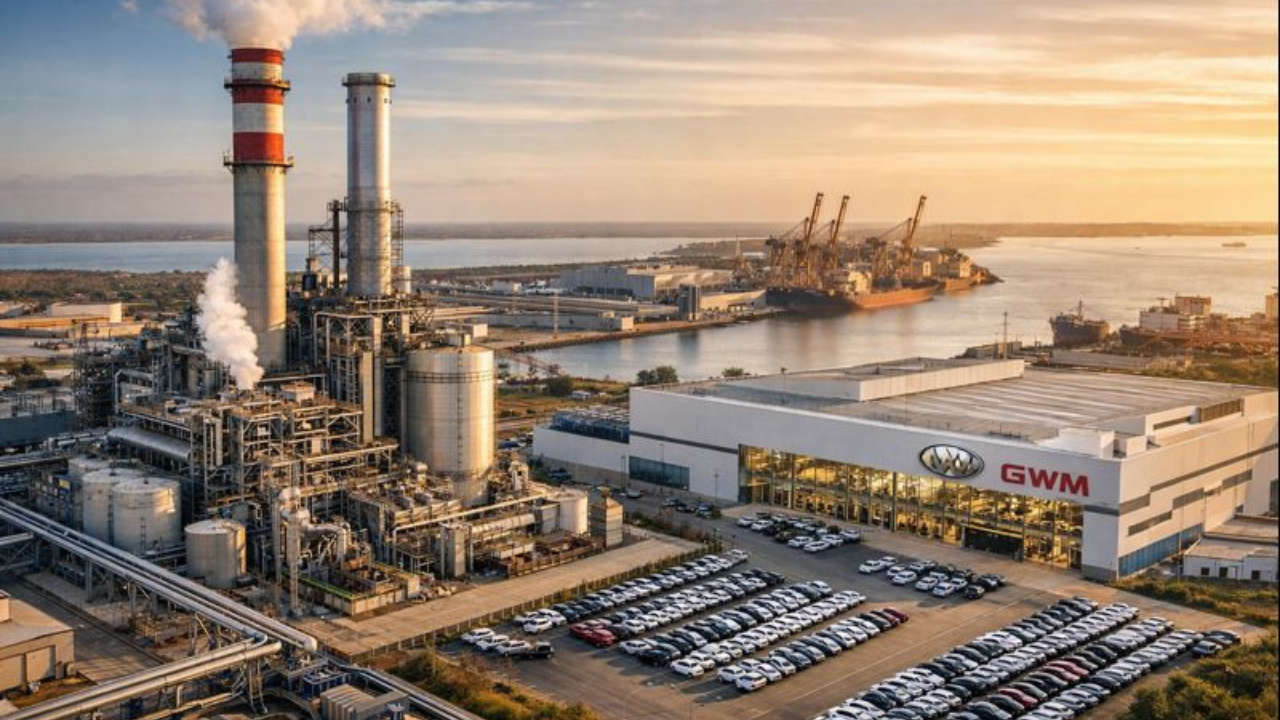
Thermal Power Plant in Rio Grande do Sul Is Key to Attracting GWM
New Measure Directly Affects Brazil, the Major World Producer of Ethanol
Although there is this goal by 2030, the Indian program has been progressing slowly, and now with this new attitude taken by the government, it accelerates the market with significant changes that have direct repercussions in Brazil – a major world producer of ethanol, through technology transfer to India, as it has dealt with the biofuel for years and the Indians would need adjustments in their processing units for the production of ethanol. Vehicle industries are also expected to benefit.
For Sousa, India’s announcement is an important step towards increasing the supply of low-carbon biofuels and also provides the country the possibility for a faster transition of its energy matrix.
“Ethanol reduces greenhouse gas emissions by up to 90% and virtually eliminates particulate matter emissions and other highly harmful pollutants to health compared to gasoline. Several Indian cities rank at the top for worst air quality. Thus, the anhydrous ethanol blend expected to reach 20% in gasoline by 2025 and the adoption of hydrated ethanol can contribute significantly to reversing this scenario”, adds Sousa.
India, the Second Largest Producer of Sugarcane in the World, Imports Over 80% of Oil
Currently, over 80% of the oil consumed in India needs to be imported, according to Unica projections. With the authorization for the sale of pure ethanol, India, the second largest producer of sugarcane in the world, will achieve greater energy security and stability in its fuel market, in addition to a positive impact on the trade balance.
“In 2020, the drop in domestic demand for ethanol [in Brazil] was financially offset by the higher demand for sugar in the external market”, Sousa highlights, referring to the production flexibility that producers can have with ethanol and sugar.
After discussing in recent months a plan to launch vehicles powered by gasoline mixed with 20% ethanol by 2025, up from a blend of 5% to 6% currently, India announced on Thursday, through the Ministry of Petroleum, Natural Gas and Steel, the decision to allow oil and fuel distribution companies to sell pure ethanol (E100).









Seja o primeiro a reagir!