





 English
  Francês
  Alemão
  Italiano
  Japonês
  Norueguês
  Portuguese
  Spanish
  4 min of reading


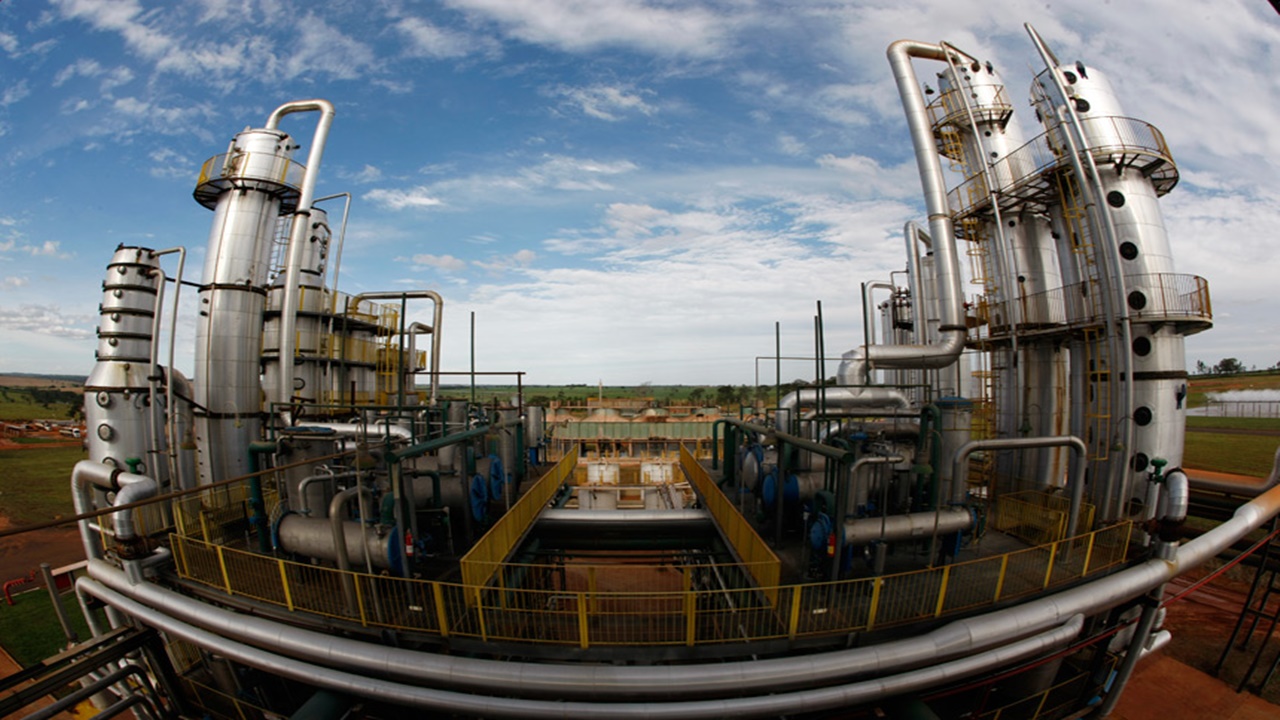
Despite The Intensive Use Of Biofuels In Aviation Transportation, Given The Flex Fleet And The Addition Of Ethanol To Gasoline, Brazil’s Emissions Are Expected To Grow Until 2045
Biofuel is and will be the main factor for the reduction of carbon emissions in the aviation sector in several countries, and Brazil — the largest producer of ethanol and the second largest producer of biofuel in the world, has real conditions to zero its emissions in this sector. This conclusion comes from a study that will be detailed during the multilateral conference Biofuture Summit II -BBEST2021, which includes participation from 30 countries.
Read Also
- Honda, One Of The Most Important Manufacturers Of Cars And Motorcycles In The World, Stops Developing And Manufacturing Gasoline And Diesel Combustion Engines
- Petrobras President And Mayor Of Macaé Meet To Discuss Job Creation And Investment In Ports, Construction Of Thermoelectric Plants And Expansion Of The Airport In The City
- Against The Grain Of Volkswagen, Renault, Honda And Volvo, Multinational Toyota Refuses To End Production Of Gasoline And Diesel Combustion Engines
- Gasoline, Ethanol And Diesel Prices Keep Rising, Deputies Refuse To Change ICMS Amid Soaring Fuel Prices And Petrobras ‘Pays The Price’
Biofuels are and will be the greatest contributing factor to the reduction of carbon emissions in the transportation sector until 2030, in at least four countries – Brazil, the United States, Sweden, and Finland. In Finland and Sweden, this impact will only cease to be the main factor by 2040, when electric cars are expected to be in the majority in the local fleet.
In Germany, biofuels will have a greater impact after 2030. In Brazil, they are definitively already the main factor and are expected to remain at the forefront until at least 2050. These conclusions come from the study “The Role Of Biofuels In The Decarbonization Of Road Transport,” led by Dina Bacovsky, a researcher at the BEST (Bioenergy and Sustainable Technologies) research center in Austria, with participation from 20 other researchers from the International Energy Agency’s (IEA) Bioenergy and Advanced Motor Fuels Technology Collaboration Programs.
-
While Russia dominates the global wheat market, Brazil emerges as an unexpected competitor in the Cerrado, offering grain available in July and August when stocks in the Northern Hemisphere are at their lowest point of the year.

-
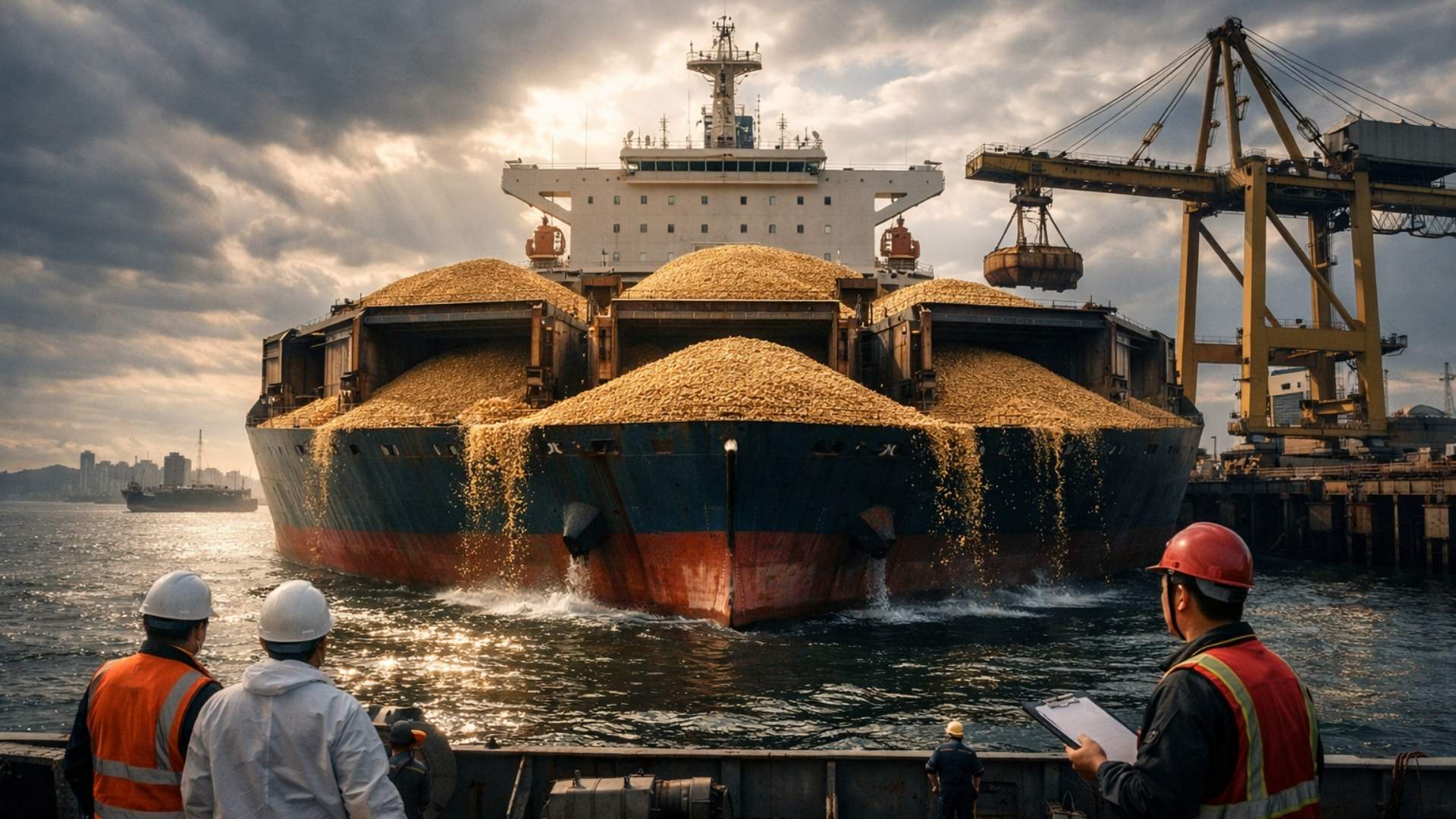
China returned almost 20 Brazilian ships with soybeans, but now everything could change: the country that buys 80% of the grain is considering relaxing regulations after impurities held up shipments of thousands of tons and caused million-dollar losses.
-
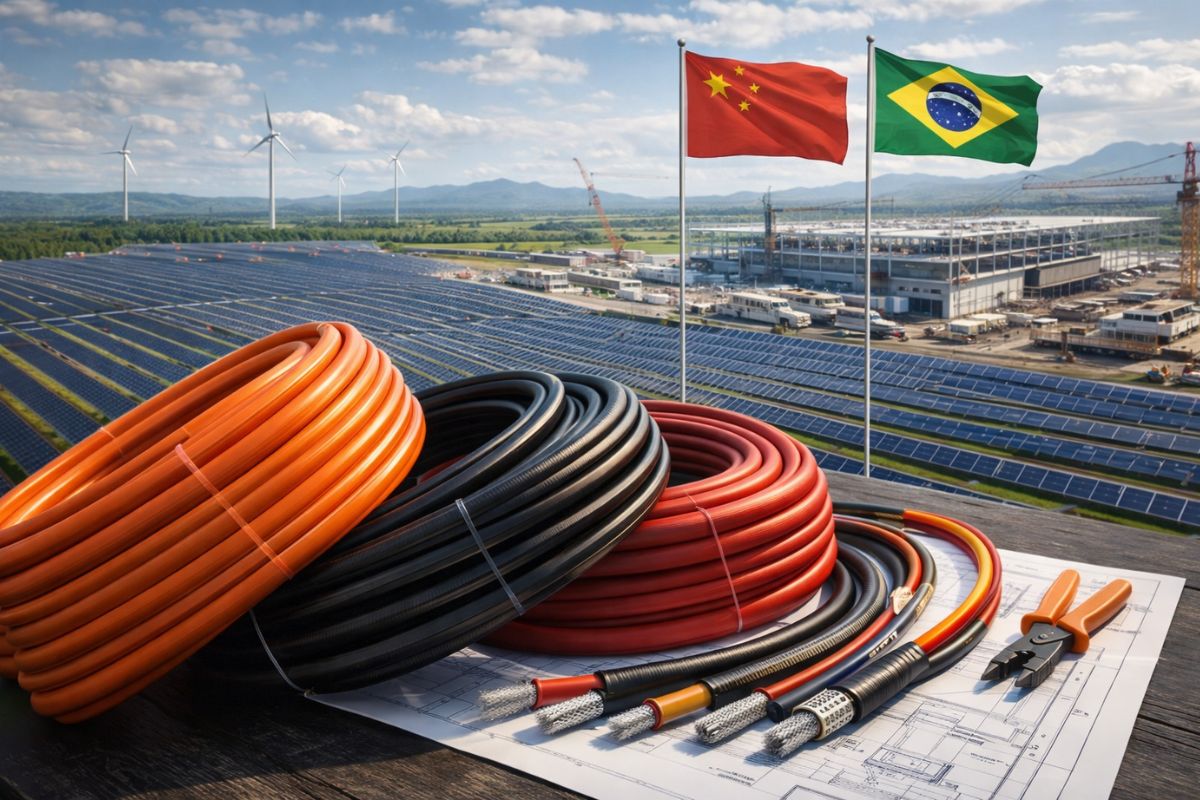
Chinese giant worth nearly R$ 4 billion that manufactures cables for electric cars, solar energy, and robotics wants to open a factory in SC.
-
Many employers do not know, but the law guarantees domestic workers a 25% increase in salary during trips, 50% for overtime, 20% for night shifts, and 17 additional benefits that can lead to labor lawsuits if not paid.


The study will be the topic of a presentation during the Biofuture Summit II and Brazilian Bioenergy Science and Technology Conference 2021 (BBEST2021), which will begin virtually on May 24, with participation from more than 30 countries and about 150 works from international researchers, hosted from Brazil.
Brazil, United States, Sweden, Finland, And Germany Need To Take Simultaneous Actions To Achieve Carbon Emission Reduction Targets In The Aviation Sector By 2050
According to researcher Dina Bacovsky, for the five economies studied (Brazil, United States, Sweden, Finland, and Germany) to achieve carbon emission reduction targets in the road transport sector by 2050, it will be necessary for these countries to adopt several measures simultaneously.
The reduction in demand in the aviation sector, the increase in vehicle efficiency, the addition of biofuels to fossil fuels, the adoption of electricity generated from renewable sources, and the use of hydrogen, obtained from renewable sources such as ethanol, for example, are pointed out as the most promising ways to meet the ambitious targets to which the governments of these countries have committed.
The study involved the participation of 20 specialists from seven countries and focused on the impact of fuels such as ethanol, methanol, various superior alcohols (such as butanol), ethers, biodiesel, and methane, as well as the impact of reducing hydrocarbons in existing fuels.
Based on extensive data from the five countries, it can be stated that all have sufficient plantation resources for large-scale biofuel production to replace up to 30% of the fossil fuel demand for the transportation sector until at least 2060. Among the possible resources, plantations dedicated to energy production (such as sugarcane and corn), crop residues, organic waste from various processes, biogas, firewood, construction waste, and wood scraps were mentioned.
Brazil, The Largest Ethanol Producer, Stands Out In The Scenario And Shows Real Conditions To Zero Carbon Emissions
According to Dina Bacovsky, Brazil stands out in the scenario. Here, in the face of biofuels, electric cars do not appear as a significant contribution until 2050, in terms of their impact on the energy matrix of the aviation sector.
She warns, however, that despite the intensive use of biofuels in aviation transportation, given the flex fleet and the addition of ethanol to gasoline, Brazil’s emissions are expected to grow until 2045. “It makes sense, since the country is a growing economy and there will be pressures for both the total passenger kilometers and the total fleet kilometers to continue increasing,” she comments.
The researcher explains that, potentially, the intensive use of biofuel would contribute significantly to the reduction of emissions. “This would be relatively easy, since the local fleet is already flex. We assume that everyone would start using them, just like biodiesel in place of diesel,” she says. For Dina, Brazil does have the potential to zero its emissions, but that would require investing in a large local biodiesel production.
The study is available on the websites www.iea-amf.org and www.ieabioenergy.com









Seja o primeiro a reagir!