





 Portuguese
  English
  Spanish
  3 min of reading


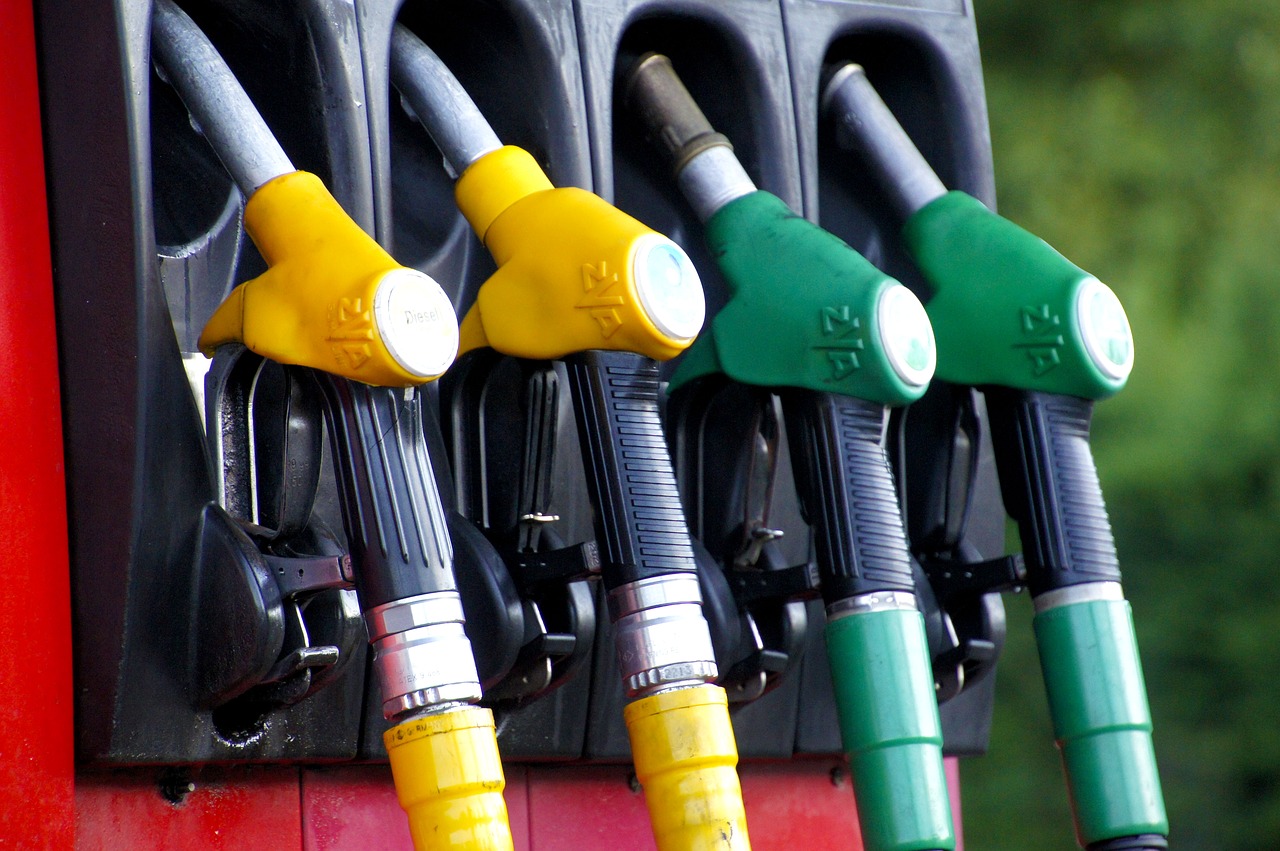
In Relation to the Same Period as 2021, Fuel Consumption Increased. Diesel Sales Grew by 2.22% in Brazil
From January to March of this year, a volume corresponding to 14.8 million m³ of diesel was sold to consumers in Brazil, which represents the highest number in a first quarter since the beginning of the historical series in 2000. This figure also relates to an increase of 2.22% compared to the same period last year, according to information collected by the National Agency of Petroleum, Natural Gas and Biofuels (ANP).
Additionally, the data also reveals that in March, a reduction of 2.19% in diesel consumption was observed in Brazil. However, the growth in the quarter is due to February, when demand was 10.19% higher compared to January.
According to the Brazilian Association of Fuel Importers (Abicom), the increase in diesel consumption is associated with the agricultural harvest period, which requires trucks for transporting goods.
According to Alberto Ajzental, an economics professor at Fundação Getúlio Vargas (FGV), it is necessary to wait to see if the growth in consumption represents a recovery or a slowdown of the economy. He believes that the indicator for April will reveal whether Brazil has continued the recovery of production sectors or if it has once again entered a recession. The professor further explained that the second alternative would represent a series of social and economic impacts in the country.
Diesel Oil is Mainly Used for Transport Purposes in the Country
In Brazil, diesel consumption is generally limited to transportation, as the oil is used by buses and trucks. Thus, the increase in demand also encompasses a second aspect, since 50% of transportation costs are related to fuel, passing these expenses on to Brazilians in all their consumption activities.
From this perspective, economist Alberto Ajzental stated that diesel is everywhere, whether in the mattress bought by a family, the lettuce used as food, or in the bus that allows for transportation to work. Therefore, according to Ajzental, if the producer consumed more, the pass-through reaches the consumer in the form of price increases for the product.
Thanks to the latest adjustment imposed by Petrobras, of 8.8% starting last Tuesday (the 10th), the liter of fuel is currently sold at an average price of R$ 6.85, according to the ANP. However, in places like Acre, the price can already reach R$ 8.30.
Fuel Prices Increase Exceeds Inflation
Since January, the increase in fuel prices has reached 28.5%, which is seven times higher than the accumulated inflation for the period, at 4.29%, according to Alberto Ajzental’s calculations. The professor highlights that the rising costs drive freight rate adjustments, which can result in an immediate impact of up to 4.5%.
Finally, economist Alexandre Schwartsman points out that fuel prices should not stop rising this year. According to him, the price of a gallon of gasoline abroad is higher than what Brazil has been selling, with a disparity of 20%. For the economist, if prices are not reduced, Petrobras will eventually have to make another adjustment, which could result in an inflation rate of 8.5% in the country by the end of the year.
-
Offshore industrial demand in Macaé skyrockets with the recovery of oil and gas and could grow by up to 396% by 2026 in the Campos Basin.
-
Offshore industrial demand in Macaé surges with the recovery of oil and gas and could grow by up to 396% by 2026 in the Campos Basin.
-
Brazilian giant expands borders in the Southeast: Petrobras confirms new oil discovery in ultra-deep waters in the pre-salt of the Campos Basin.

-
Alert in the global energy market: Severe tropical cyclone hits the coast and disrupts gas production at major plants in Australia, threatening global supply.











Seja o primeiro a reagir!