Portuguese
  Spanish


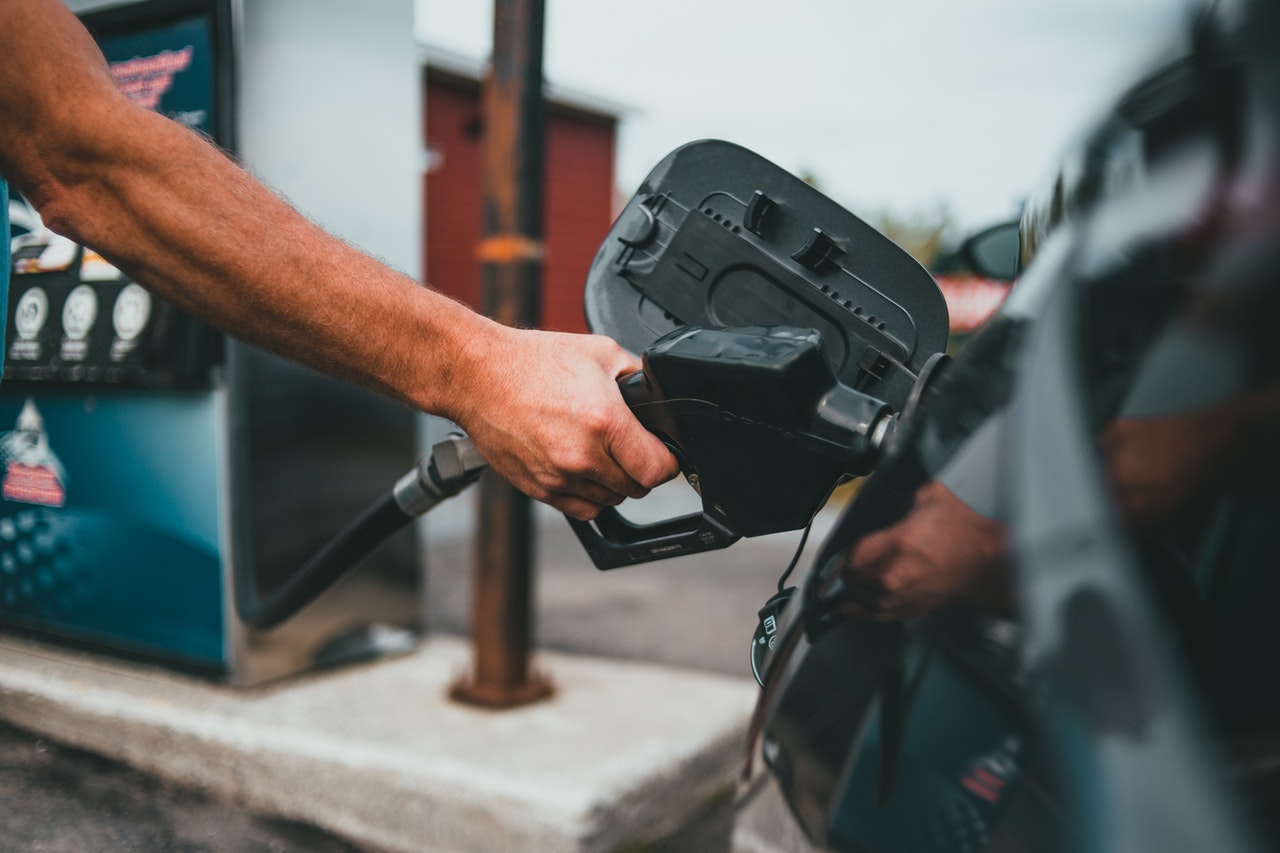

Previous Adjustment in Petrobras Diesel Price Came into Effect on 03/11, Approximately One Month Before This Recent Change
The diesel, which is being sold at an average of R$ 6.63 at gas stations in Brazil, has been lagging for 50 days, according to the Brazilian Association of Fuel Importers. This fact makes representatives from the sector, diesel importers, fuel distributors, and shareholders expect a new price adjustment for diesel at any moment.
According to CNN Brazil, the last price adjustment for diesel made by Petrobras took effect on March 11 of this year; however, one week after the increase in fuel prices, the fuel price was already lagging considering the international market. The price adjustment for diesel was 25%, and yet, diesel prices abroad continued to soar. Currently, the price passed on by Petrobras is 21% delayed compared to the price charged abroad, a difference of about R$ 1.27.
President of Petrobras Claims Impact on the Sector
In a conference held last Friday (5), José Mauro Coelho, president of Petrobras, stated that the sector for this fuel is impacted. In his statement, he said: “It is clear that Petrobras is not insensitive to the Brazilian population, especially in atypical moments like this one we are living, where the conflict in Eastern Europe has greatly harmed energy markets, particularly, at this moment, the diesel market.”
-
OPEC+ Boosts Oil Supply by 188,000 Barrels per Day in July 2026, Leading to Price Drop from $112 to $89 per Barrel in Under Two Months

-
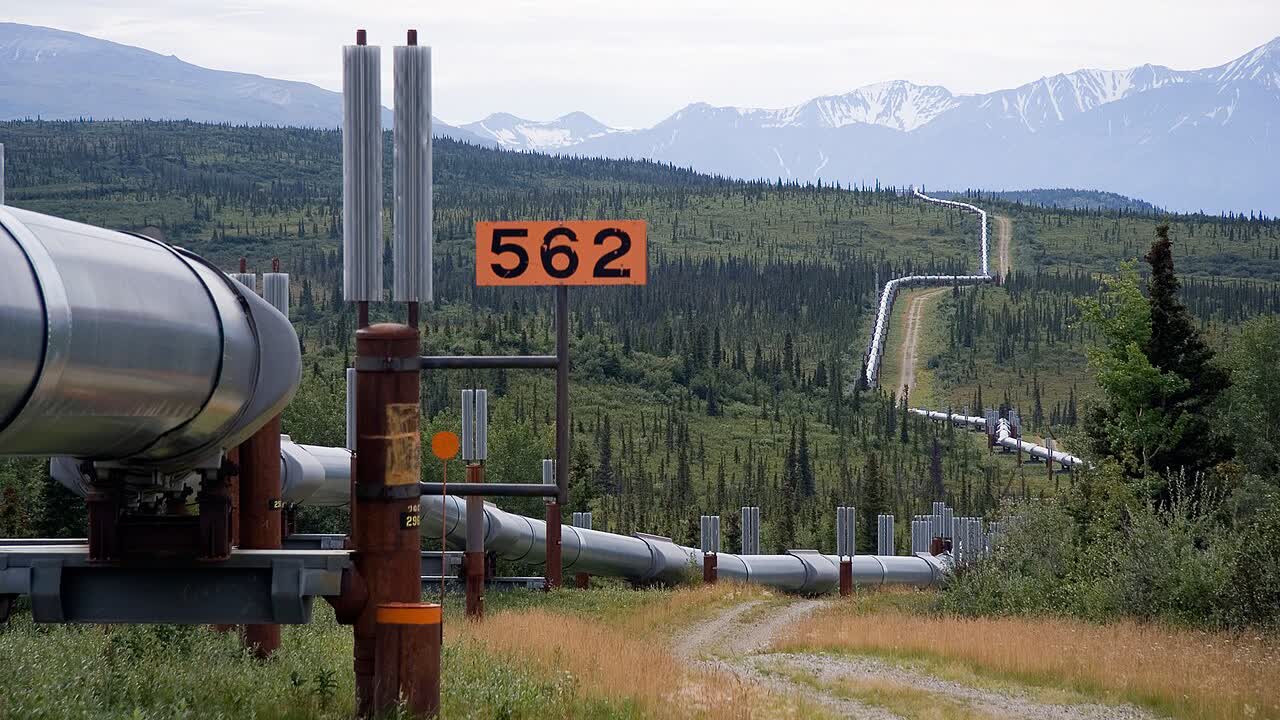
TotalEnergies Signs 20-Year Deal to Purchase 2 Million Tons of LNG from Alaska, Boosting Project Viability
-
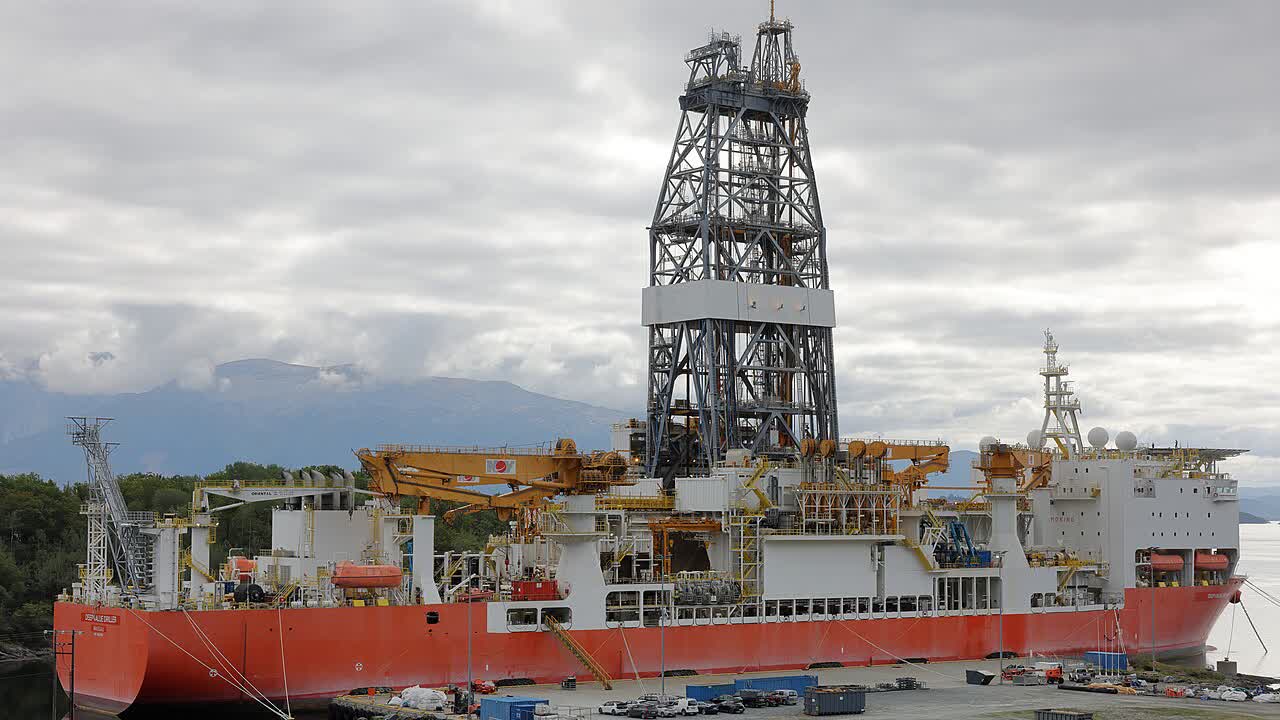
Turkey Deploys Çağrı Bey Drilling Ship to Explore New Oil Frontier Off Somalia’s Coast
-
Golden Pass LNG Ships First Liquefied Gas Cargo from the U.S., Completing $10 Billion QatarEnergy and ExxonMobil Investment

He continued by saying that Petrobras is concerned regarding this depreciation in diesel prices, given that they are monitoring price adjustments in the market but do not pass on the adjustment immediately. “But, of course, at some point, adjustments must be made so that we maintain the financial health of our company,” Coelho said.
Moreover, even though the average diesel lag is at 21%, at the ports of Suape (PE), Santos (SP), Itaqui (MA), and Araucária (PR), this lag index has already reached 25%, according to the association. In some regions, the price of diesel in Brazil is already R$ 1.51 lower.
The fuel is currently passed on to distributors for R$ 4.51 per liter, and before reaching the gas stations, the diesel is mixed with one part biodiesel for every nine parts of oil.
However, at the pump, the price of diesel results in a higher price even without an increase from the oil company; the price has been rising at gas stations, as a result of widespread inflation in Brazil. The average selling price of diesel, according to the weekly survey by ANP (National Petroleum Agency), is R$ 6.63, but in Porto Seguro, Bahia, the ANP has already found diesel being passed on for R$ 8.387 per liter.
Despite Price Adjustment, Price Lag Reaches 11%
Despite the 8.86% adjustment in the price of diesel, announced this Monday, 09, by Petrobras, the price lag for diesel still reaches 11%, according to a calculation made by Abicom (Brazilian Association of Fuel Importers). In a statement, the entity claims that if the exchange rate and the prices of gasoline and fuel in the international market stabilize at a high level, fuel price lags will be very far from parity, which will make import operations infeasible.
Before the diesel price adjustment, the average lag for the fuel was 17% and for gasoline was 19%. Although the rise in the exchange rate and the prices of gasoline and diesel fuel in the foreign market have occurred, the average prices of gasoline and diesel fuel are operating with negative differentials at all researched ports.