





 Portuguese
  English
  Spanish
  3 min of reading
  1 comment


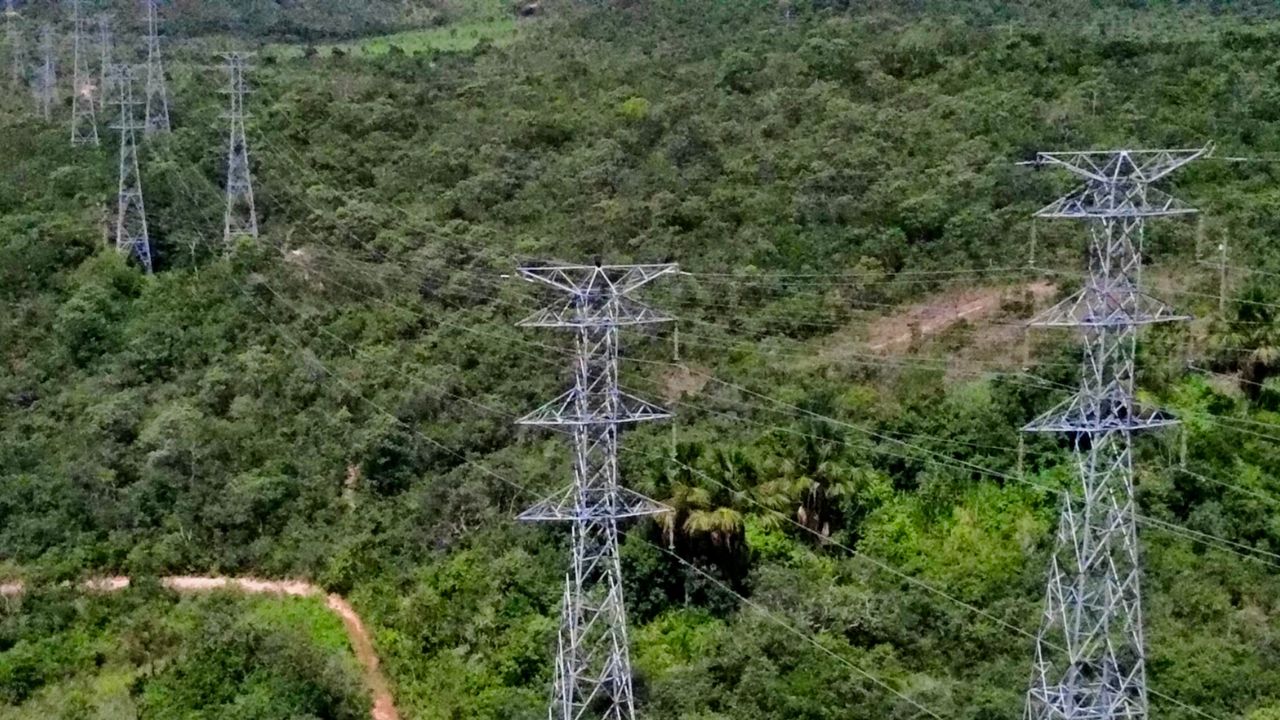

Roraima Lives Routine Blackouts While Brazil Pays Over R$ 6 Million for Venezuelan Energy
Brazil spends an average of R$ 6 million per month to import energy from Venezuela, but the instability in supply has become a recurring problem. Between February 14 and June 8, 2025, the transmission line connecting the neighboring country to the state of Roraima recorded 62 shutdowns — an average of one failure every two days, according to figures presented by the National Electric System Operator (ONS) to the Electric Sector Monitoring Committee (CMSE), linked to the Ministry of Mines and Energy.
During the analyzed period, 32 of these episodes resulted in direct cuts in supply, totaling 309 megawatt-hours interrupted. For the Roraima population, the disruptions range from abrupt power drops to blackouts affecting entire regions.
How Automatic Cuts Work
When fluctuations occur in the supply coming from Venezuela, the Regional Load Relief Scheme (Erac), a protection system of the distributor Roraima Energia, comes into action. This mechanism is automatically activated to prevent an even greater collapse, temporarily cutting supply in specific areas and restoring the balance between generation and consumption.
-
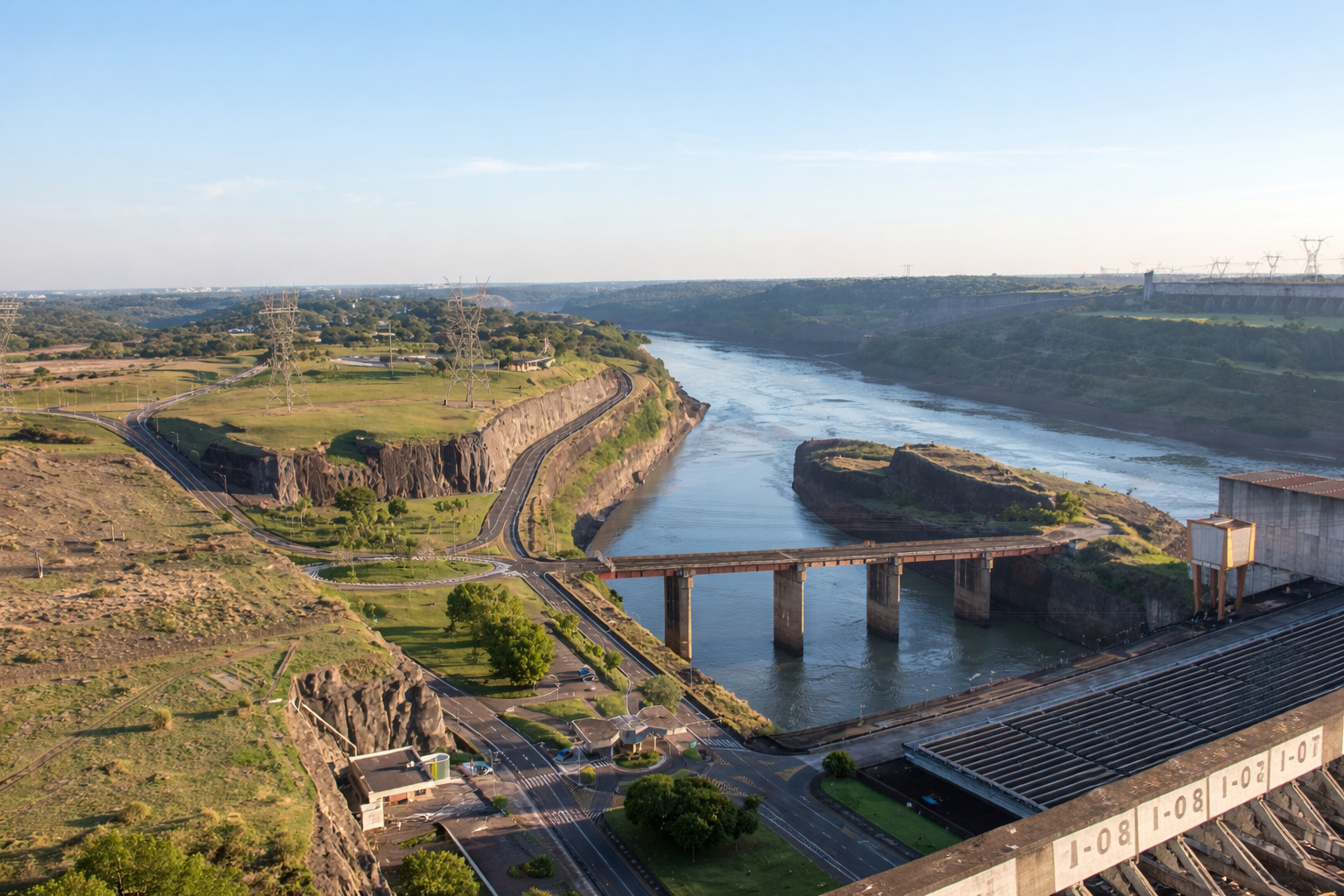
Brazilians paid R$ 18 billion more for energy from the Itaipu plant, reflecting a direct impact on tariffs and generating discussions about costs, transparency, and balance in the national electricity sector.

-
Equatorial adopts new national number for consumer units on electricity bills starting in April, following ANEEL standards and modernizing energy bills in several states.
-
Itaipu Impresses the World: Hydroelectric Plant with 20 Turbines and 14,000 MW Generates Over 2.9 Billion MWh and Leads Global Clean Energy Production
-
Aneel Revokes CMAA Thermal Power Plants After Network Restrictions and Excess Energy in the System

The process is staggered and planned in advance: the concessionaire defines which regions are subject to disconnection at each stage. Meanwhile, the ONS determines that a local plant increases its production or goes into emergency operation to counter the loss.
An emblematic example occurred in February, when a failure in the international line caused a general blackout in Roraima. In this incident, the instantaneous drop was 158.9 megawatts, cutting power throughout the state.
Causes and Impact on the Electric System
According to the CMSE, the shutdowns originated from structural failures in the neighboring system. The minutes of the June 11 meeting, which analyzed the February blackout, highlighted:
“These shutdowns were primarily caused by instabilities in the Venezuelan system, generating overfrequency and underfrequency events. The Jaguatirica II Thermoelectric Plant showed abrupt responses to variations in the system, compromising the power reserve in the region”, is noted in the document.
Despite the problems, the ONS report indicated that the importation prevented the interruption of approximately 252 megawatt-hours, serving as a partial relief for the local grid. Nonetheless, the energy dependency on Venezuela remains a sensitive issue for Roraima, the only Brazilian state still not connected to the National Interconnected System (SIN).
Prospect of Change: Tucuruí Line
The definitive solution for the state should come with the inauguration of the Tucuruí Line, which will integrate Roraima to the SIN. Behind the scenes, technicians claim that testing will begin in September, while the federal government anticipates the official inauguration in December 2025, with the presence of President Luiz Inácio Lula da Silva.
Until then, the import of energy from Venezuela will continue to be maintained, but with the caveat that it may be suspended if transmission performance falls below expectations. The CMSE updates the import balance every two months, and the final decision will depend on the reliability of the service.
Costs and Energy Dependency
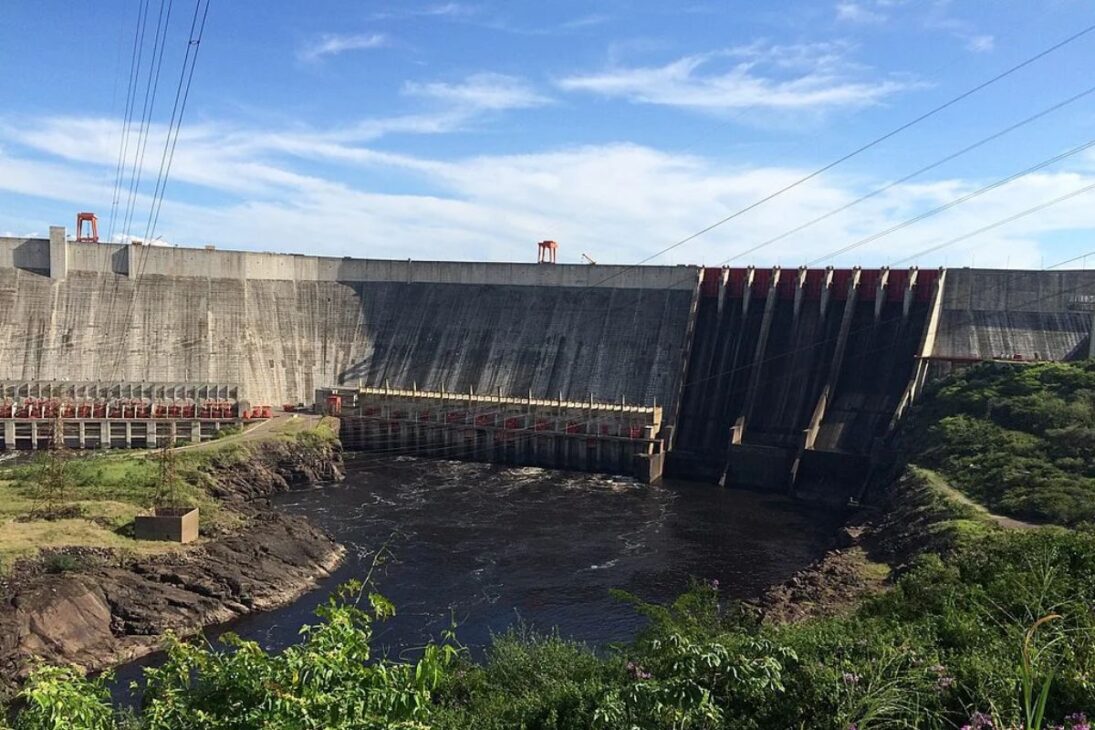
Since January, Brazil has imported over 26,000 megawatt-hours from the Guri Hydroelectric Plant in Venezuela, through Bolt Energy, which is responsible for operations. During the same period, the Brazilian government allocated R$ 28.5 million in subsidies to the importer.
Discounting the initial testing months, the monthly bill was around R$ 6.1 million — a significant expense, especially given the interruptions that have harmed the daily lives of Roraima consumers.
While the line has not gone into operation, the reality is clear: Brazil continues to pay dearly for unstable energy from a weakened foreign system to ensure at least a minimal electric security to a state isolated from the rest of the country.










Energia elétrica eólica e foto voltaica e hidroelétrica são capazes de abastecer a Região Norte do Rio Amazonas