





 Portuguese
  English
  Spanish
  3 min of reading
  0 comments


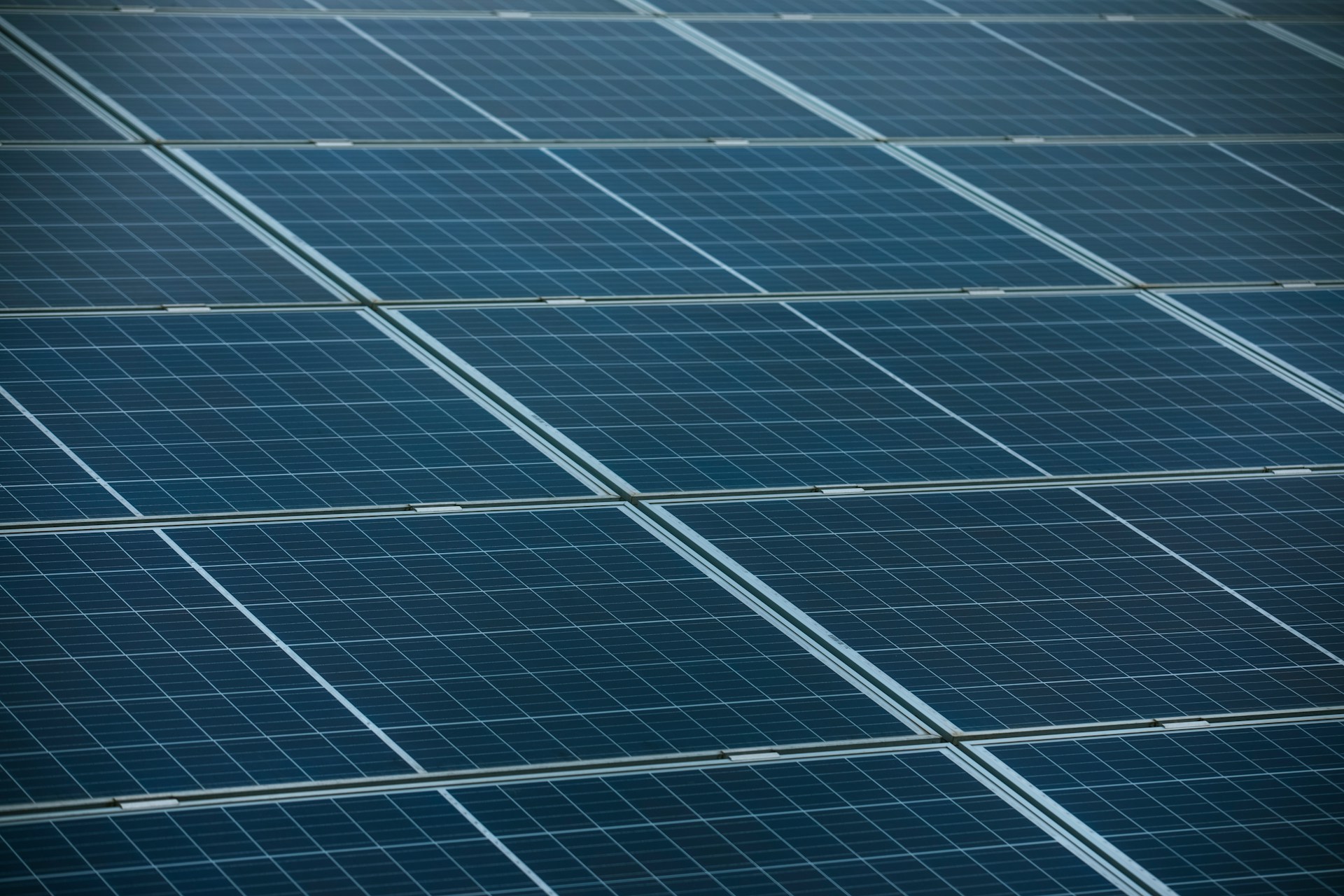
Even With Clean Energy Potential and Abundant Raw Material, Brazil Remains Dependent on China for Solar Panels and Silicon Production
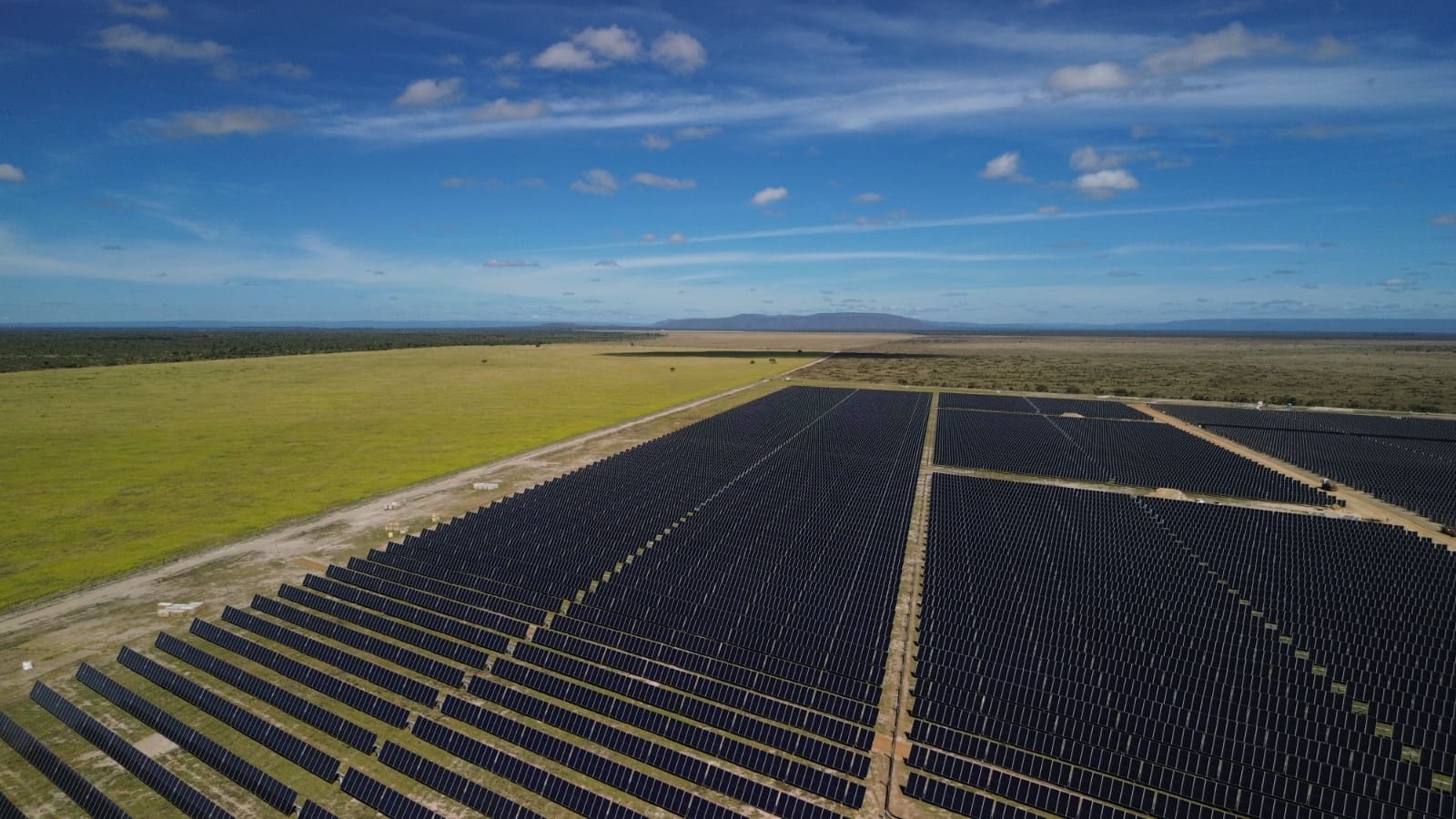
Brazil is experiencing an energy paradox. Even though it excels in renewable energies, it continues to import most of the solar panels used in the country from China. This results not only in environmental impact but also economic losses, according to a study by the E+ Energy Transition Institute.
The report reveals that Brazilian imports of silicon, the raw material for solar panels, resulted in the emission of 4 million tons of CO₂ in 2024. This volume is equivalent to the annual emissions of nearly 880,000 cars in Brazil, representing 0.4% of total national emissions.
The reason lies in the Chinese energy matrix. Silicon production in China is highly polluting, being 17 times dirtier than the Brazilian electricity matrix. And despite this difference, Brazil continues to export raw silicon, of low value, while importing finished panels, which are more expensive.
-
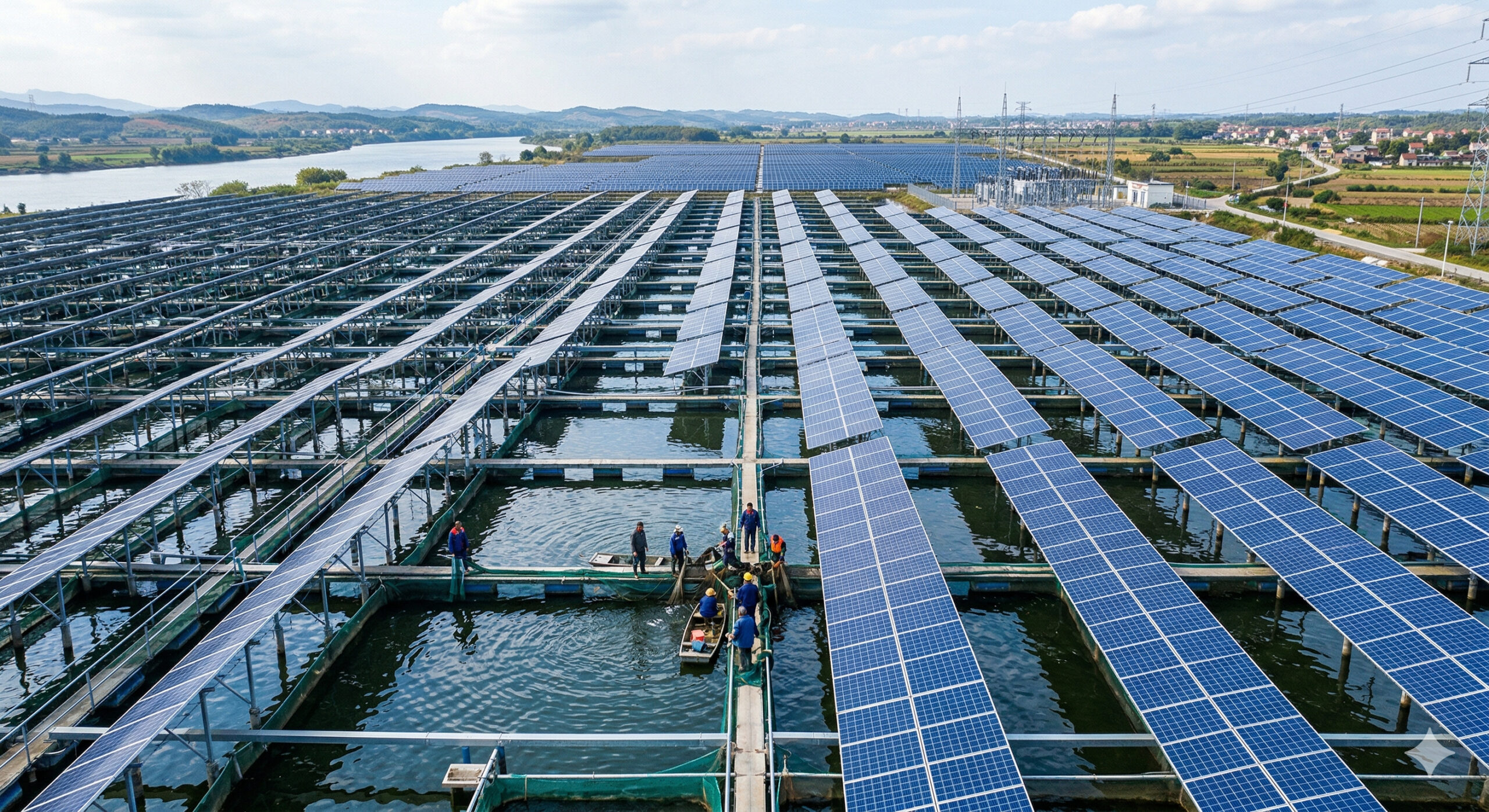
China bets on the Fishery-PV model and transforms fish farms into giant solar plants, covering ponds with panels that generate energy while utilizing the same space for large-scale aquaculture production.
-
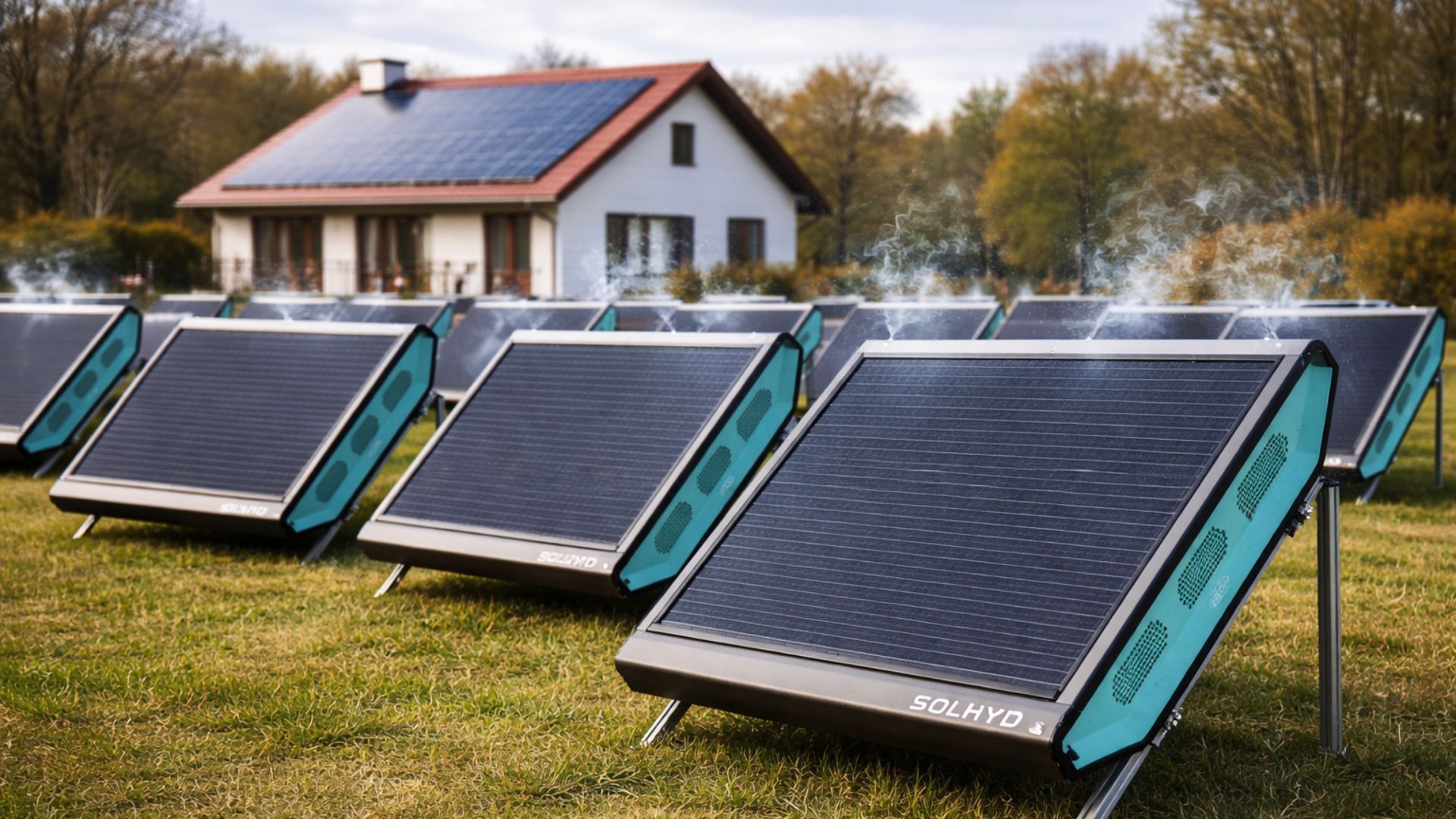
Green hydrogen at home: Belgium launches new technology that makes solar panels produce fuel from the moisture in the air, which could boost the energy transition.
-
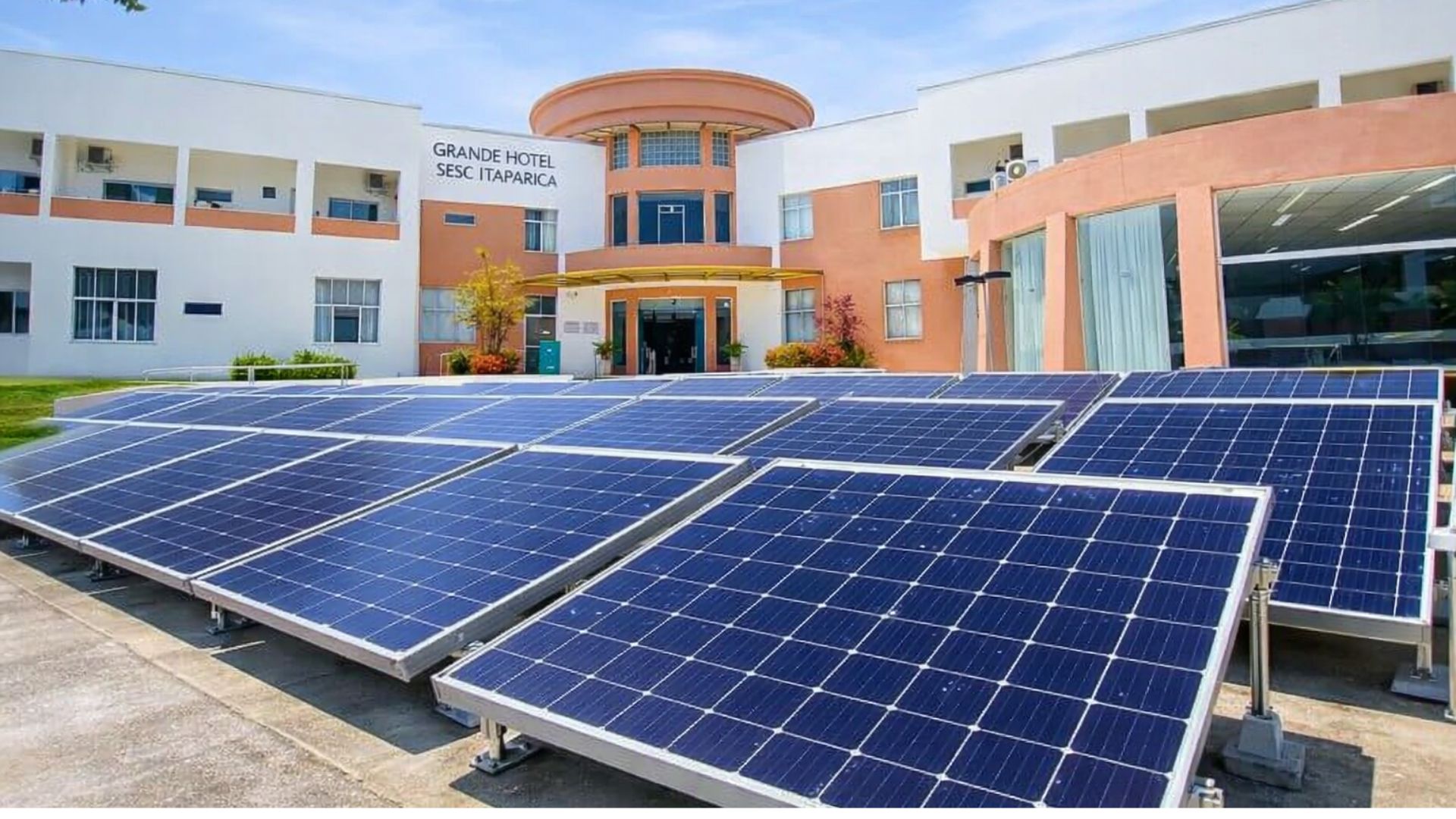
Sesc-BA bets on renewable energy with the support of EDP and drives the energy transition with a direct impact on cost reduction and the sustainability of its operations in Bahia.
-
Technology giant breaks global sustainability records: How Amazon’s leadership in renewable energy procurement transformed the global energy market in the past year.


Resources Exist, But Are Poorly Utilized
Brazil has large reserves of quartz, the raw material for producing silicon. It already has local production of metallic silicon and has a clean electricity matrix, ideal for energy-intensive industrial processes. Yet, it continues to be an exporter of simple inputs, without adding value domestically.
According to Edlayan Passos, an energy specialist at the E+ Institute, it is possible to change this scenario. He states that part of the value chain can be nationalized, which would decrease external dependence and bring economic and environmental benefits. The proposal involves an approach called “industrial micro-targeting.”
This strategy, developed with Johns Hopkins University, identifies the most promising link in the production chain to be incorporated in Brazil. Factors such as international trade volume, competitiveness, and sensitivity to logistical and energy costs are analyzed.
Technology and Control in Brazilian Hands
Edlayan advocates that trade agreements can include technology transfer clauses. This would ensure not only investment in factories but also technical training and mastery of strategic technologies.
Solar energy already accounts for over 15% of the national electricity matrix. The trend is for growth, which only underscores the importance of reducing international dependence, as warned by the institute.
U.S. Tariffs Open and Close Doors
The study also highlights an unexpected side effect of the United States’ trade policy. The tariffs imposed by Donald Trump on China caused overproduction in the Asian country.
Unable to sell to Americans, Chinese manufacturers are seeking new markets – and Brazil is one of the main targets.
For Edlayan, this represents a risk. The country may become a destination for cheap surpluses, stifling any local initiative. This phenomenon, known as “overcapacity,” turns Brazil into a receptive and vulnerable market.
However, the expert also sees a strategic window. With the U.S. closing its doors to China, there is room for new suppliers. Brazil can position itself as a clean, stable alternative close to major markets.
Price Difference Remains a Barrier
The major challenge still lies in costs. Brazilian silicon used in solar panels costs about US$ 15 per kilogram, more than double the Chinese price, which is US$ 6. This difference has hindered the viability of local production.
However, this scenario may change with the European carbon market. Currently, CO₂ is traded at about US$ 90 per ton. If the price rises to US$ 120, as some experts predict, Brazilian silicon would become more competitive than Chinese in Europe.
Time to Act: Domestic Market Is Sufficient
Brazil has an estimated internal demand of 34,500 tons of solar silicon per year over the next decade. This is sufficient to sustain a national industry. Additionally, the country could export to regions interested in products with a lower carbon footprint.
The gains would be significant: fewer emissions, more skilled jobs, strengthening of the trade balance, and the creation of a robust production chain.
But for this to happen, the country needs to act. The institute warns that the opportunity exists, but it depends on coordinated public policies. And other countries with clean energy matrices are already moving.
With information from Exame.







Seja o primeiro a reagir!