





 Portuguese
  English
  Spanish
  6 min of reading
  0 comments


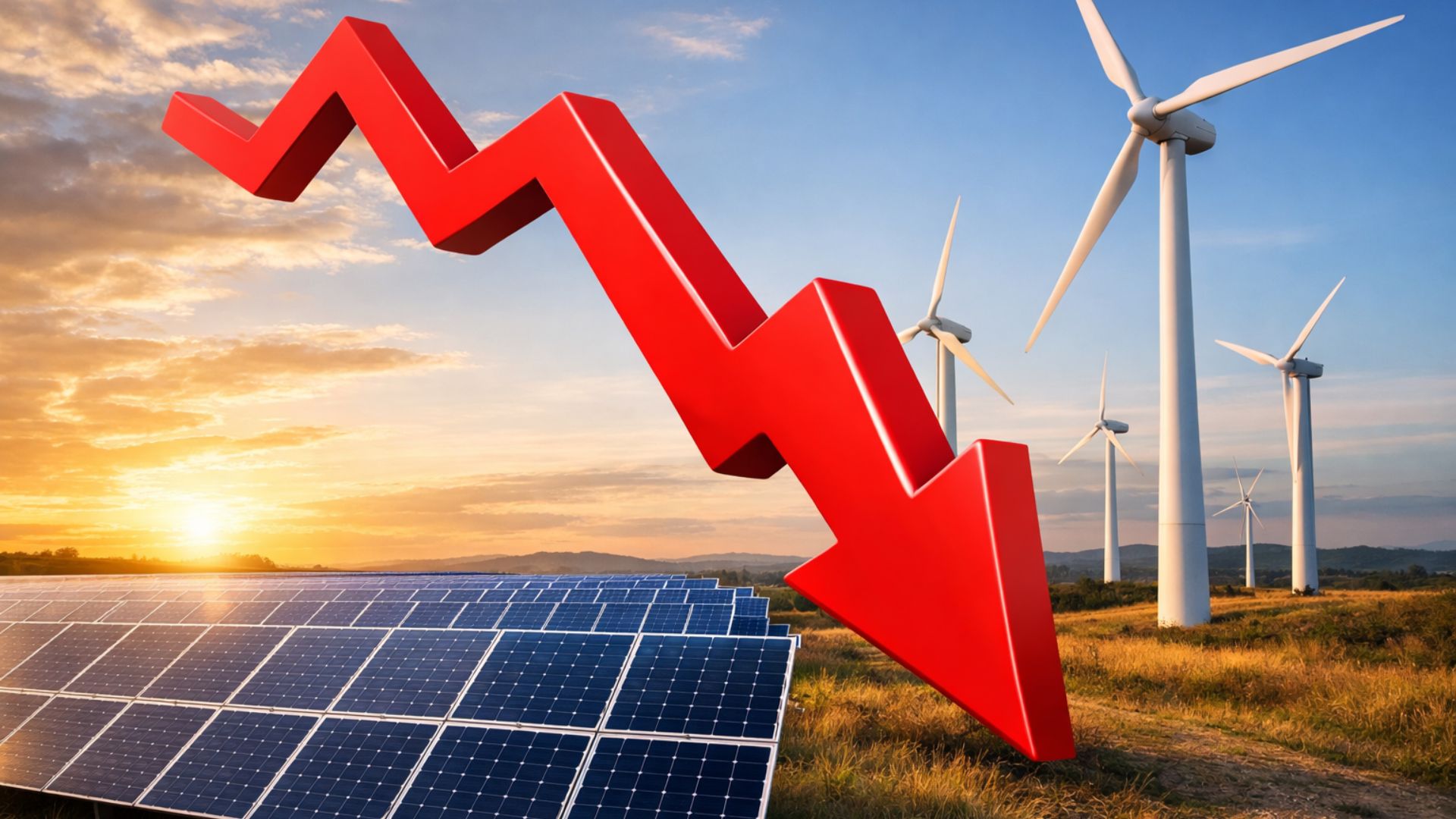
In 2025, Brazil Wasted More Than 20% of Renewable Energy Produced, Causing Billion-Dollar Losses and Exposing Weaknesses of the Electric System in the Energy Transition.
Brazil wasted 20.6% of all renewable energy generated from solar and wind in 2025, according to the report Curtailment 2025: Retrospective and Projection, by the consulting firm Volt Robotics. The financial loss exceeded R$ 6 billion, a direct result of operational cuts and limitations of the national electric system. According to an article published by Correio Braziliense this Sunday (28), the phenomenon, known as curtailment, raised a red alert about the country’s capacity to sustain its energy transition in a safe, efficient, and economically viable manner.
Although Brazil ranks among the largest global powers in renewable energy, it experienced a historical paradox in 2025: it generated clean energy at a record volume but could not consume or distribute it properly. The waste mainly occurred in the early hours of the day, when solar generation peaks and demand is insufficient to absorb the supply.
Excess Renewable Energy Exposes Limits of the Brazilian Electric System
According to Volt Robotics, generation cuts reached unprecedented levels in 2025, putting financial pressure on renewable energy projects and calling into question the reliability of the electric system. Half of the curtailment occurred due to oversupply of energy — when there is not enough consumption — and the other half was due to limitations in transmission infrastructure.
-
Researchers discover a possible hydrogen deposit of up to 46 million tons beneath an ancient coal basin, and the volume could exceed half of the entire global production.

-
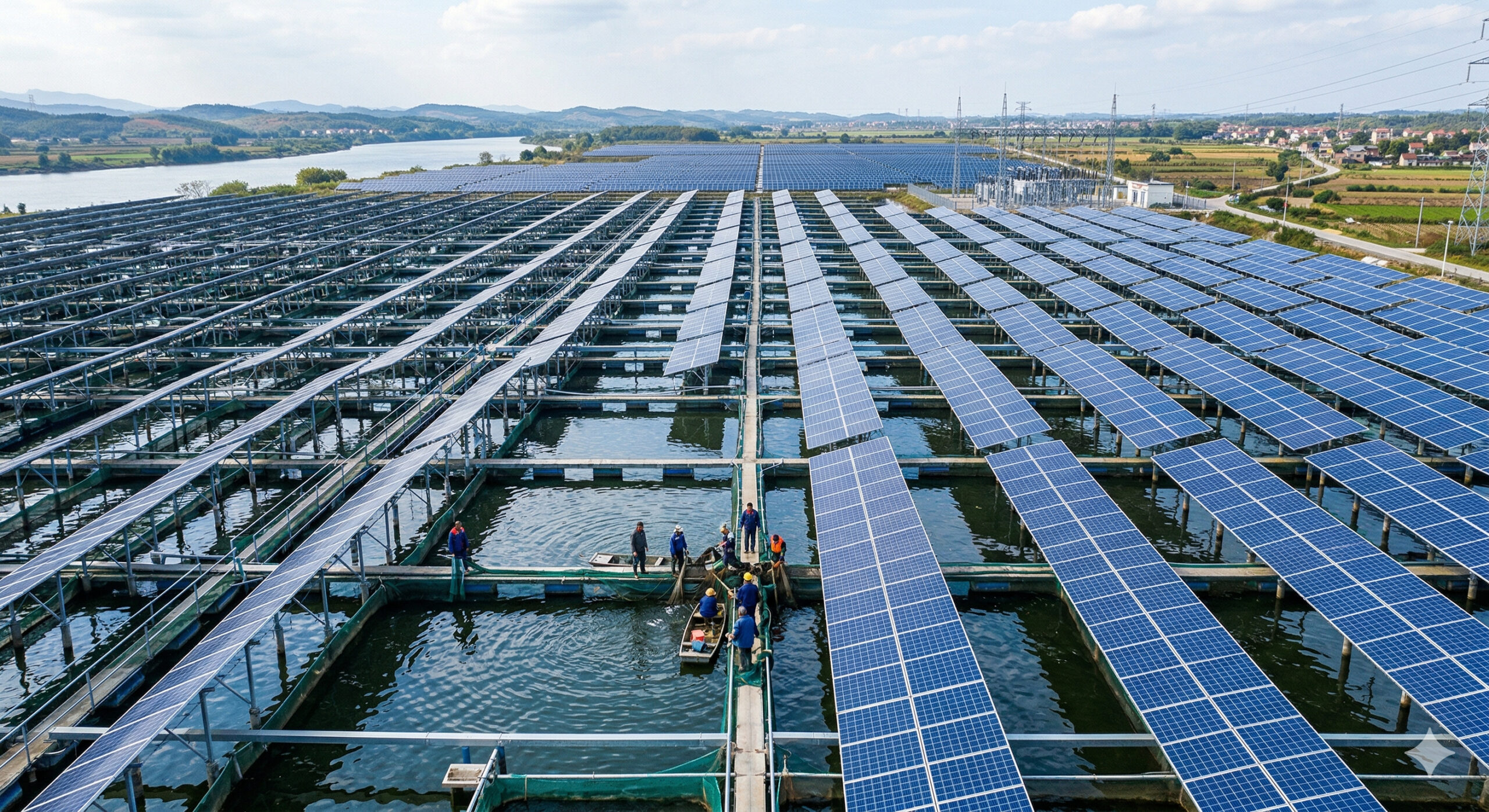
China bets on the Fishery-PV model and transforms fish farms into giant solar plants, covering ponds with panels that generate energy while utilizing the same space for large-scale aquaculture production.
-
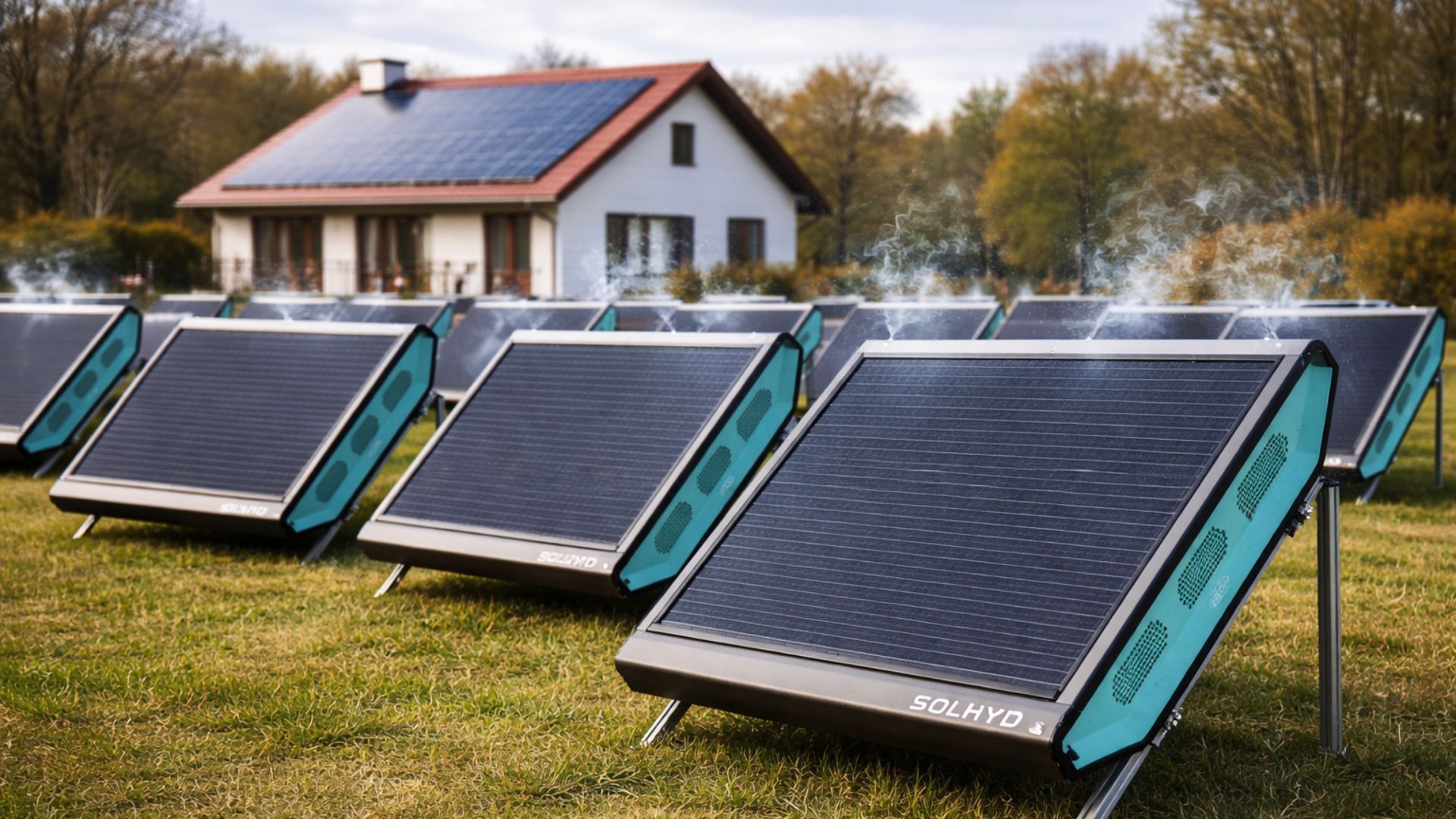
Green hydrogen at home: Belgium launches new technology that makes solar panels produce fuel from the moisture in the air, which could boost the energy transition.
-
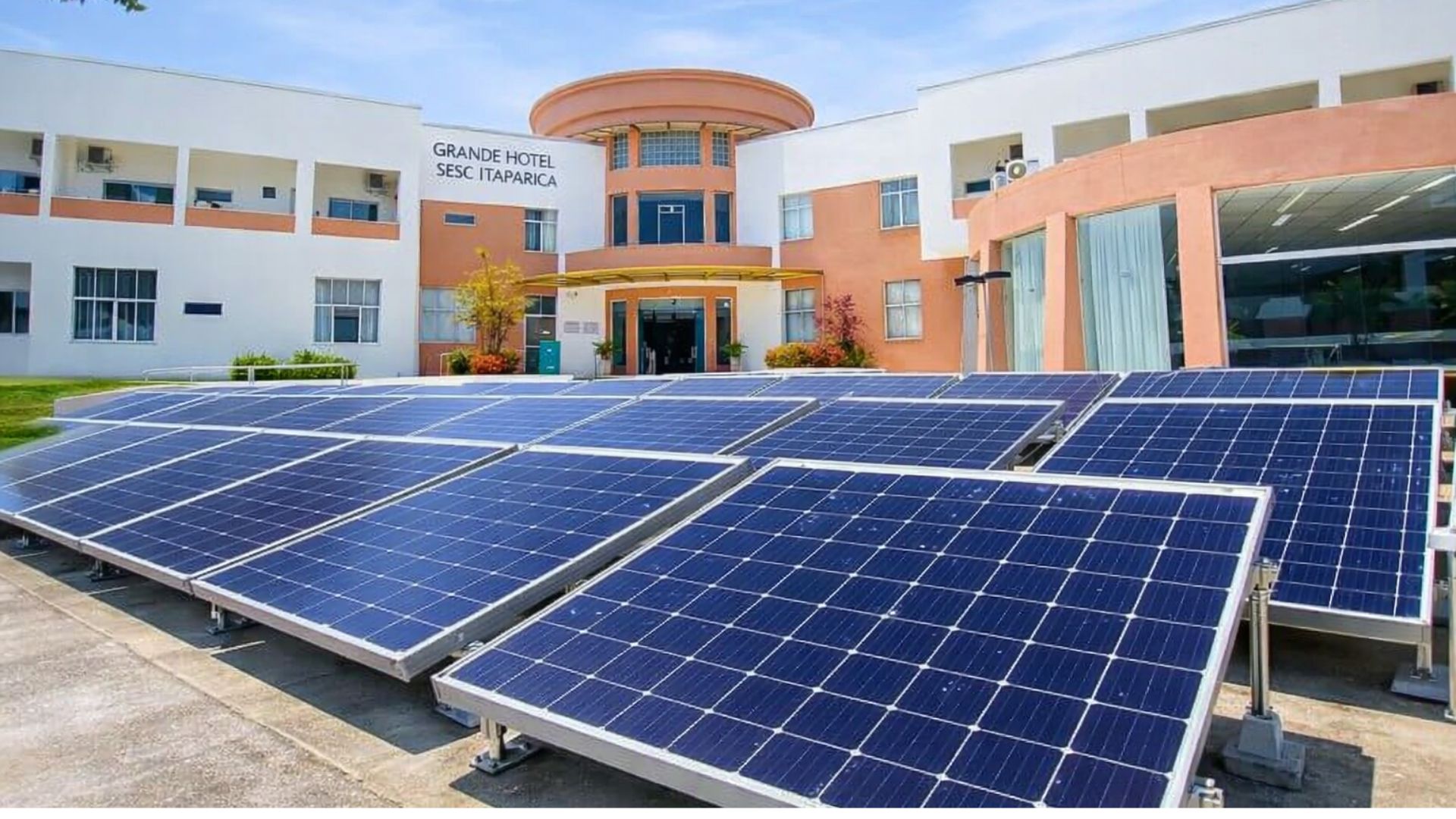
Sesc-BA bets on renewable energy with the support of EDP and drives the energy transition with a direct impact on cost reduction and the sustainability of its operations in Bahia.

According to Donato da Silva Filho, CEO of the consulting firm, this is clean energy that could supply homes, industries, and hospitals, but ended up being wasted. The situation worsened with the accelerated expansion of decentralized solar generation, especially micro and mini-generation connected to distribution networks, without matching investments in infrastructure.
Brazil rapidly expanded its installed capacity, but power system planning was not updated at the same speed. As a result, the grid began to operate under constant stress, especially during low-load hours.
Energy Transition in Brazil and Challenges of the Electric System
The energy transition prompted the massive entry of intermittent sources into the electric system. Data from the National Electric System Operator (ONS) indicate that Brazil ended 2025 with about 60 gigawatts of installed solar capacity and 33 gigawatts of wind energy, a volume that, at noon, exceeds the total load of the system.
For professor Ivan Camargo from the University of Brasília (UnB), the increase in curtailment is a structural problem, also observed in other countries that have rapidly advanced in energy transition. There is no transmission line that can solve this problem on its own, he states. According to him, transmitting energy requires load on the other side, which simply does not occur during peak solar generation times.
Thus, Brazil’s challenge is not only to expand the grid, but to create new forms of consumption and storage that can absorb renewable energy during surplus moments, ensuring that the energy transition is effective.
Critical Months of Renewable Energy Waste in Brazil
The Volt Robotics report points out that the problem intensified in the second half of 2025. August, September, and October recorded consecutive records of renewable energy cuts. In October, the average volume of curtailment reached around 8,000 MW, equivalent to the average generation of the Itaipu Dam.
This was the peak of a cycle of imbalance, resulting from the combination of rapid renewable growth, network limitations, and the absence of adequate supply management tools. In November, there was a partial relief, with cuts retreating to an average of 4,600 MW, but the reduction was considered conjunctural, associated with the end of the wind season.
Until mid-December, the cuts hovered around an average of 1,700 MW. Still, the structural problem remained intact, reinforcing the need for strategic planning of the Brazilian electric system.
Brazil and the Consumption of Renewable Energy on Weekends
The study identified a clear pattern: the most critical moments occur on Sunday mornings, when consumption drops drastically while renewable generation remains high. Sunday has become a true stress test for the electric system, says Donato.
Based on operational safety metrics, Volt Robotics identified 16 critical days in 2025, during which over 80% of the available generation was curtailed during late morning. There is even a theoretical risk of blackout due to excess energy if all centralized generation is curtailed and there is still a surplus from distributed generation.
At the end of the year, the risk increases. The drop in consumption can reach 8,600 MW on average, increasing the pressure on the Brazilian electric system and reinforcing the need for adjustments in operation and the energy transition.
Costs of Curtailment and Economic Impact in Brazil
The cost of curtailment gained prominence in the reform of the electric sector sanctioned in November 2025. The central debate revolves around who should bear the losses from wasted energy: consumers or generators.
The Minister of Mines and Energy, Alexandre Silveira, stated that government vetoes prevented an additional impact of R$ 6 billion on electricity bills. According to him, only compensation was maintained when energy cannot be transmitted due to network infrastructure failures, which is the State’s responsibility.
This would be a direct impact on consumers, which is why this part was vetoed, the minister declared in an interview on the program Roda Viva on TV Cultura, on November 25, 2025. Nevertheless, the government recognizes the legitimacy of compensating investors when there is state omission in expanding transmission.
Regulatory Failures and Challenges of the Energy Transition in Brazil
According to Diogo Lisbona, a researcher at FGV-CERI, addressing curtailment requires regulatory decisions and strategic policies. One of the main bottlenecks is the absence of clear economic signals to guide where and when to invest in generation.
Today, distributed generation in Brazil practically does not see price or location signals. Solar panels can be installed at any point in the grid, with guaranteed remuneration, while the operator is obliged to absorb this energy, even when the system is already saturated.
Without revising compensation rules and integrating storage instruments, renewable energy cuts are likely to increase, compromising the credibility of the electric system and the energy transition in the country.
Emergency Measures and Solutions to Balance the Electric System
In light of the worsening scenario, Aneel and ONS approved an Emergency Plan to deal with the excess generation. Among the measures is the automatic application of the white tariff for large consumers, encouraging consumption during peak supply hours.
Historically, voluntary adoption of the white tariff has been below 0.1%. Still, the institutional recognition of the problem is considered a milestone. Transmission works that will connect the Northeast to the South and Southeast, planned for 2029 and 2030, should also reduce part of the cuts.
Additionally, consumer behavior is a key element. Reorganizing the use of flexible loads, such as appliances and electric vehicle charging, can help balance supply and demand, increasing the efficiency of the Brazilian electric system.
Renewable Energy in Brazil: Consuming Better is the Way
The waste of renewable energy in 2025 exposed deep weaknesses of the Brazilian electric system. Brazil advanced rapidly in the energy transition, but did not adapt its infrastructure, regulation, and consumption patterns to the new reality.
It is not about producing more energy, but about consuming it better. Smart tariffs, storage, clear economic signals, and integrated planning are essential to prevent billions of reais in clean energy from continuing to be wasted.
Without these changes, the energy transition in Brazil risks becoming unsustainable, both from an economic and operational standpoint. The priority should be to balance supply and demand, strengthen the electric system, and ensure that renewable energy is fully utilized, ensuring benefits for consumers, investors, and the sustainable advancement of the country.








Seja o primeiro a reagir!