





 Portuguese
  English
  Spanish
  2 min of reading
  0 comments


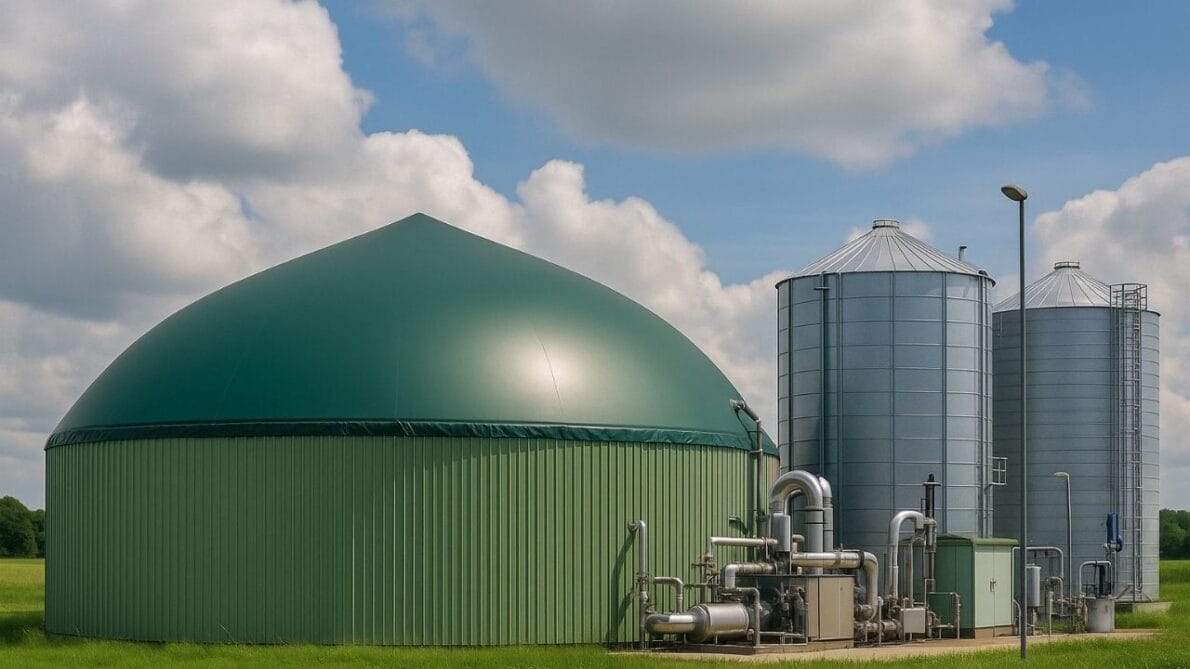
Bill Aims to Include Biogas Plants in the Electric Capacity Reserve, with Potential to Benefit the Energy Sector and National Sustainability
The Brazilian Association of Waste Energy (ABREN) proposed a bill to allow the hiring of biogas plants as part of the electric capacity reserve of the power system. The measure could represent an important step for Brazil’s energy security and the sustainable use of organic waste.
Biogas as Energy Backup: Sustainable and Strategic Solution
The bill coordinated by ABREN aims to allow biogas plants to be hired directly by the federal government as providers of reserve electric energy. This means that these plants could be activated during peak demand times or in critical supply situations, reinforcing the stability of the national power system. The initiative would also open up space for new investments in the sector, especially in regions with strong agricultural production and usable urban waste as energy feedstock.
According to ABREN, the potential of biogas plants in Brazil is still underutilized, despite the country having one of the largest waste-to-energy generation capacities in the world. The use of this type of clean and renewable source can significantly help reduce dependence on fossil and carbon-emitting sources while promoting regional development and job creation in the bioenergy sector.
-
Renewable energy advances over protected areas in Brazil, and a survey by the Energy Transition Observatory reveals silent impacts that challenge environmental conservation and pressure sensitive traditional territories.

-
Rio Grande do Sul accelerates energy transition: State invests in renewable technologies and consolidates decarbonization strategies and pathways to attract billions in new industrial investments.

-
With 160,000 m² of collectors, an area larger than 20 football fields, Silkeborg, in Denmark, hosts a solar thermal plant that heats 19,500 homes and could become the largest solar heating plant in the world.

-
A study reveals the expansion of renewable energy procurement in Brazil and shows how companies are taking advantage of opportunities to reduce expenses, ensure energy efficiency, and strengthen strategic environmental commitments.


Biogas at the Center of Brazil’s Energy Transition
In addition to reinforcing the energy matrix with a clean and constant source, biogas plants play a fundamental role in the country’s decarbonization policy. Generation from biogas reduces greenhouse gas emissions and transforms problematic waste, such as manure, food scraps, and urban waste, into electricity and fertilizer. According to Eixos, ABREN’s proposal could accelerate the adoption of this technology, which has proven effective in countries like Germany, Sweden, and Japan.
Infrastructure and Incentives: What’s Missing for Biogas Plants to Take Off?
Despite the enormous potential, the expansion of biogas plants in Brazil still faces structural challenges. Among the main obstacles are the lack of specific financing lines, bureaucratic hurdles for connecting to the power grid, and the absence of more robust public policies. Experts point out that the approval of the bill proposed by ABREN may be the necessary push to unlock investments and create a more competitive market, contributing to energy security, sustainability, and diversification of the Brazilian matrix.









-

Uma pessoa reagiu a isso.