





 Portuguese
  English
  Spanish
  4 min of reading
  0 comments


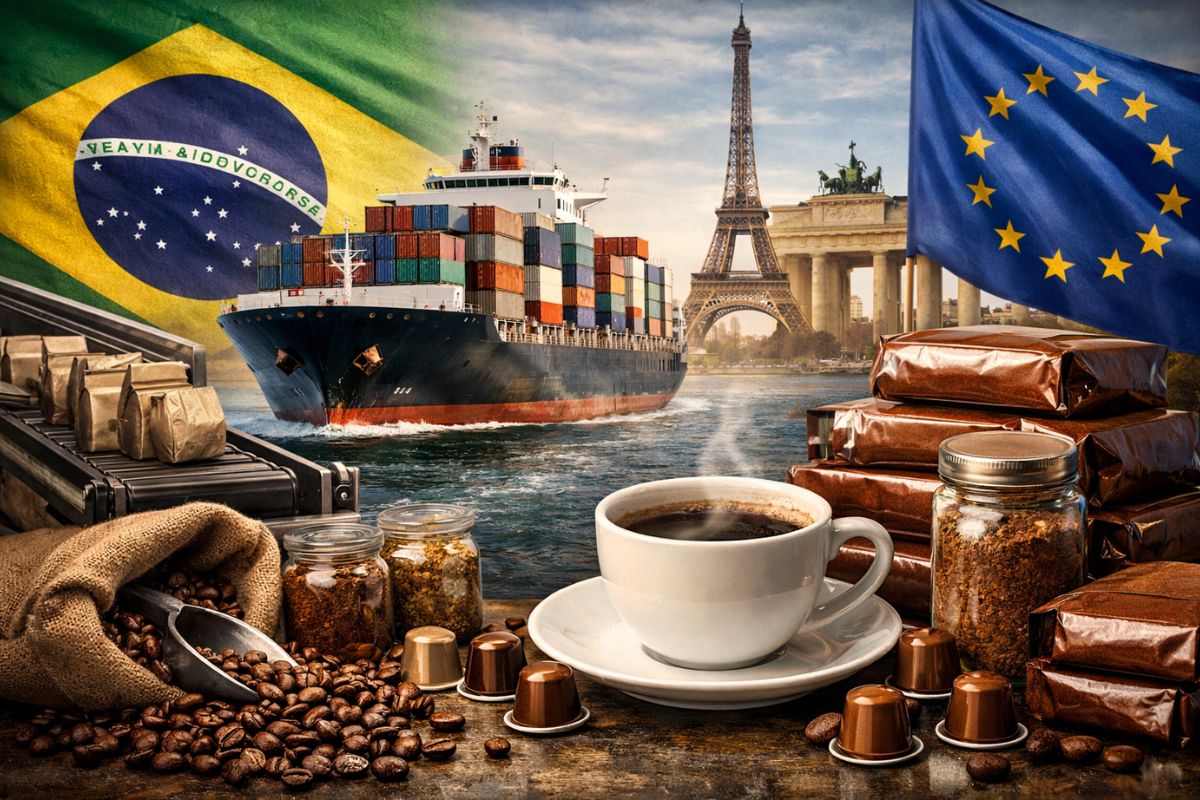
Agreement Between Mercosur and European Union Opens the Way to Add Value to Coffee Exports, Reduce Tariffs on Industrialized Products, and Expand Brazilian Access to the Largest Economic Block in the World, Favoring Gains in Volume, Market Diversification, and Advancement of National Industry in International Trade.
Brazilian coffee exports may enter a new phase with the trade agreement between Mercosur and the European Union, which expands access to the largest economic block on the planet and creates conditions to sell more than just raw beans.
The new export landscape for coffee combines increased shipped volume with the possibility of advancing sales of industrialized products, a strategy seen as essential to capture part of the global revenue that has historically remained outside the country.
Trade Agreement Expands Space for Coffee Exports
After more than two decades of negotiations, the treaty between Mercosur and the European Union reduces or gradually eliminates tariffs on more than 90 percent of bilateral trade.
-
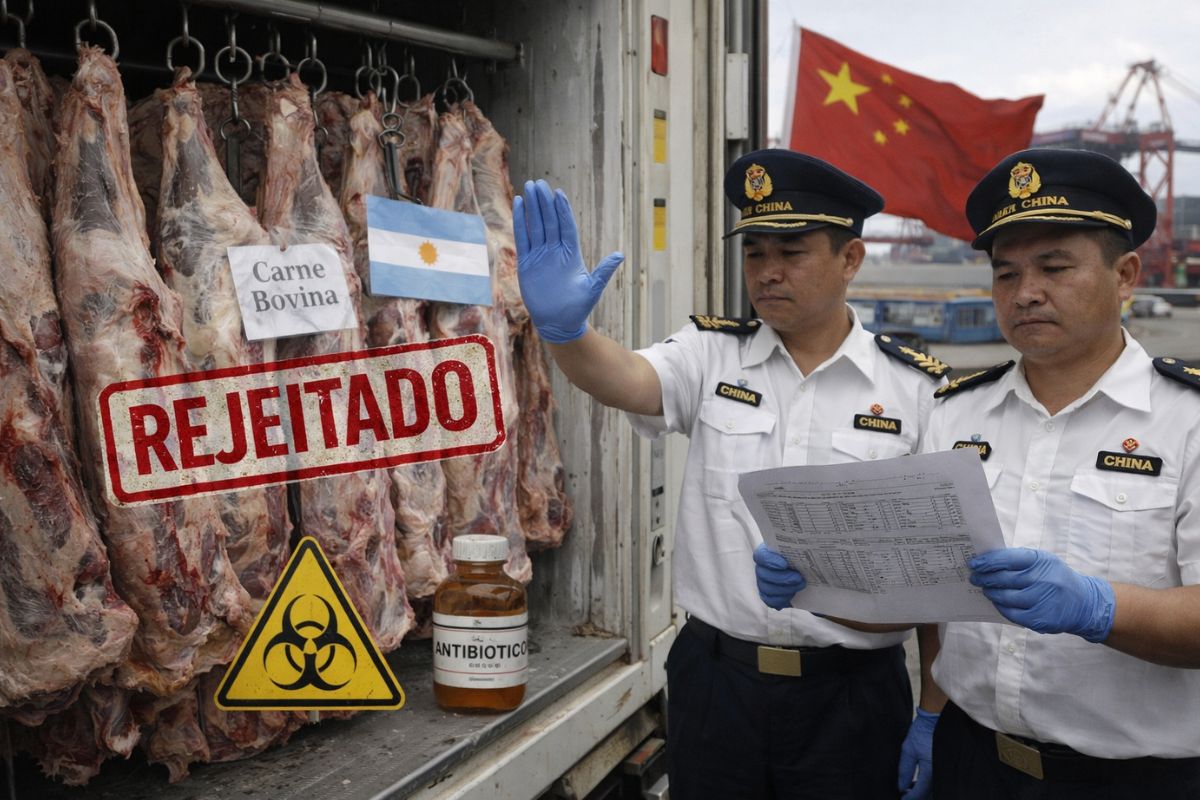
China rejected an entire shipment of beef from Argentina after detecting an antibiotic so dangerous that it has been banned for human consumption for over 30 years, and now the export sector is facing a crisis of international trust.
-
With nearly 500 thousand tons per year, barley production is growing in Brazil, while a decline in beer consumption among Generation Z raises alarms in the sector.

-
With tractors out of reach for small producers, a tricycle created by Embrapa Algodão becomes a cheap and efficient solution and gains national prominence.

-
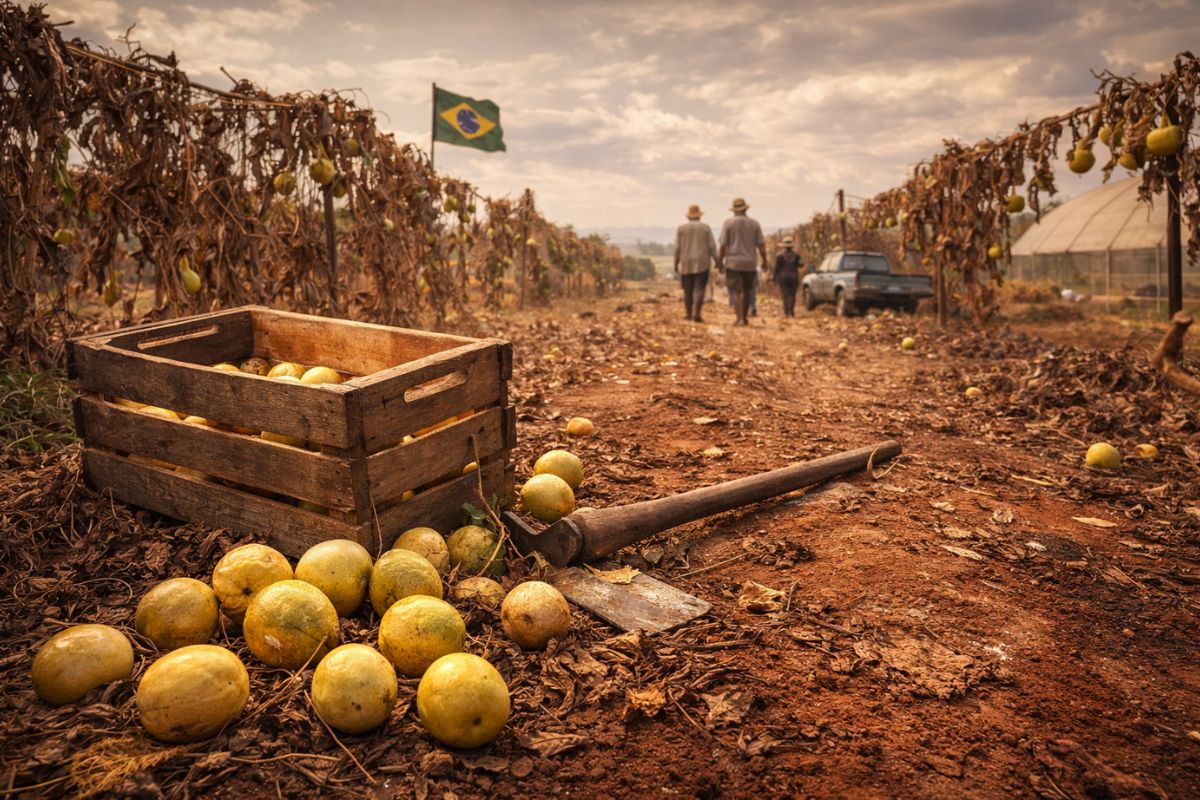
From 130 producers in the year 2000 to just 15 today: the dramatic decline of passion fruit in Araguari shows how the lack of labor in the Brazilian countryside is killing a decades-old agricultural tradition, even with Brazil being the largest producer in the world.

This move repositions Brazil and strengthens coffee exports within a market with great purchasing power.
Today, the European Union is already the destination for 48.36 percent of Brazil’s unroasted coffee exports, demonstrating how central the block is to the sector.
With tariff reductions, the expectation is that coffee exports will gain even more space, both in volume and presence within different European countries.
According to representatives of foreign trade, the agreement creates conditions to increase demand in a market considered elastic.
This may benefit not only unroasted coffee but also stimulate the growth of roasted coffee exports and other categories with higher added value.
Initial Gain Should Come from Volume Increase
In the short term, the assessment is that the main effect on coffee exports will be the growth of the volume sold.
The elimination of tariffs for thousands of Brazilian products is expected to boost the trade balance, even without immediate changes in prices.
This increase in coffee export volume may strengthen Brazil’s position as a dominant supplier of raw material, while the country prepares to also compete in the market for industrialized products.
Industrialization Is the Key to Capturing More Value
The agreement does not only benefit raw beans. It also opens a strategic window for coffee exports to advance towards finished products.
Brazil accounts for about 40 percent of the world’s coffee production but only participates with 2.7 percent of the global revenue in the sector.
This discrepancy reveals how coffee exports, when focused only on raw materials, leave most of the value with foreign industries and brands.
The sale of roasted coffee, soluble coffee, and other processed products is seen as the main way to reduce this gap.
Lower Tariffs Stimulate Industrialized Products
Currently, industrialized coffees face tariffs between 7.5 percent and 9 percent to enter the European Union.
Under the agreement, these tariffs will be progressively reduced until they reach zero over a period of up to four years, depending on the product.
This reduction directly benefits coffee exports with higher added value. By lowering the tariff barrier, Brazil gains competitiveness to sell not only beans but also brands, blends, and products ready for the end consumer.
Geographical Indications Strengthen Differentiation
Another strategic point for coffee exports is the recognition of Brazilian geographical indications, such as producer regions already known for the quality of their beans.
This certification helps position the product in premium segments and reinforces the strategy of adding value.
With recognized regional identity, coffee exports can reach niches willing to pay more for origin, quality, and traceability, increasing revenue per unit sold.
More European Countries Enter the Commercial Radar
The agreement also expands the range of buyers within the European Union itself, formed by 27 countries.
This means that coffee exports now have more logistical routes and commercial options, reducing costs and making new markets viable.
This diversification strengthens Brazilian competitiveness and reduces dependence on a few destinations.
With more doors open, coffee exports gain momentum to grow in both volume and value at the same time.
Do you believe Brazil should prioritize industrialization in coffee exports even more to capture a larger share of the global revenue in the sector?




-

-

-

-

11 pessoas reagiram a isso.