





 Portuguese
  English
  Spanish
  3 min of reading
  0 comments


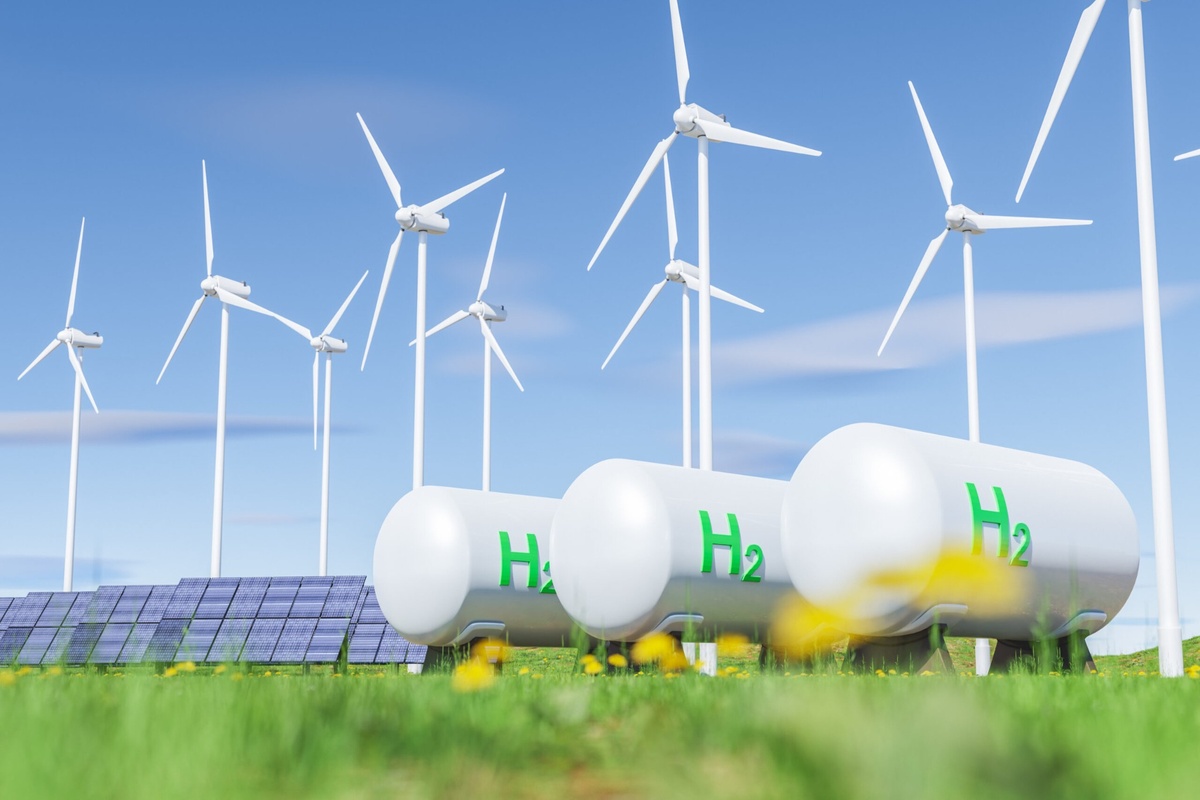
European Project Aims for Clean and Low-Cost Steel with Support from the Brazilian Industry
In June 2025, a new European steel mill began studying the production of steel in Brazil using green hydrogen. The proposal aims to transform the country into a strategic hub for the decarbonization of the global industry.
During an event at the Brazilian Embassy in Berlin, the Ministry of Development, Industry, Commerce, and Services (MDIC) presented a study by the Nature Energy Institute. The document showed that manufacturing hot briquetted iron (HBI) in Brazil with clean energy could reduce German industrial costs by between 8.7% and 31.5%.
The alternative consists of exporting the HBI semi-finished product rather than isolated hydrogen. This reduces energy losses and improves logistics, avoiding the expensive process of converting gas into ammonia.
-
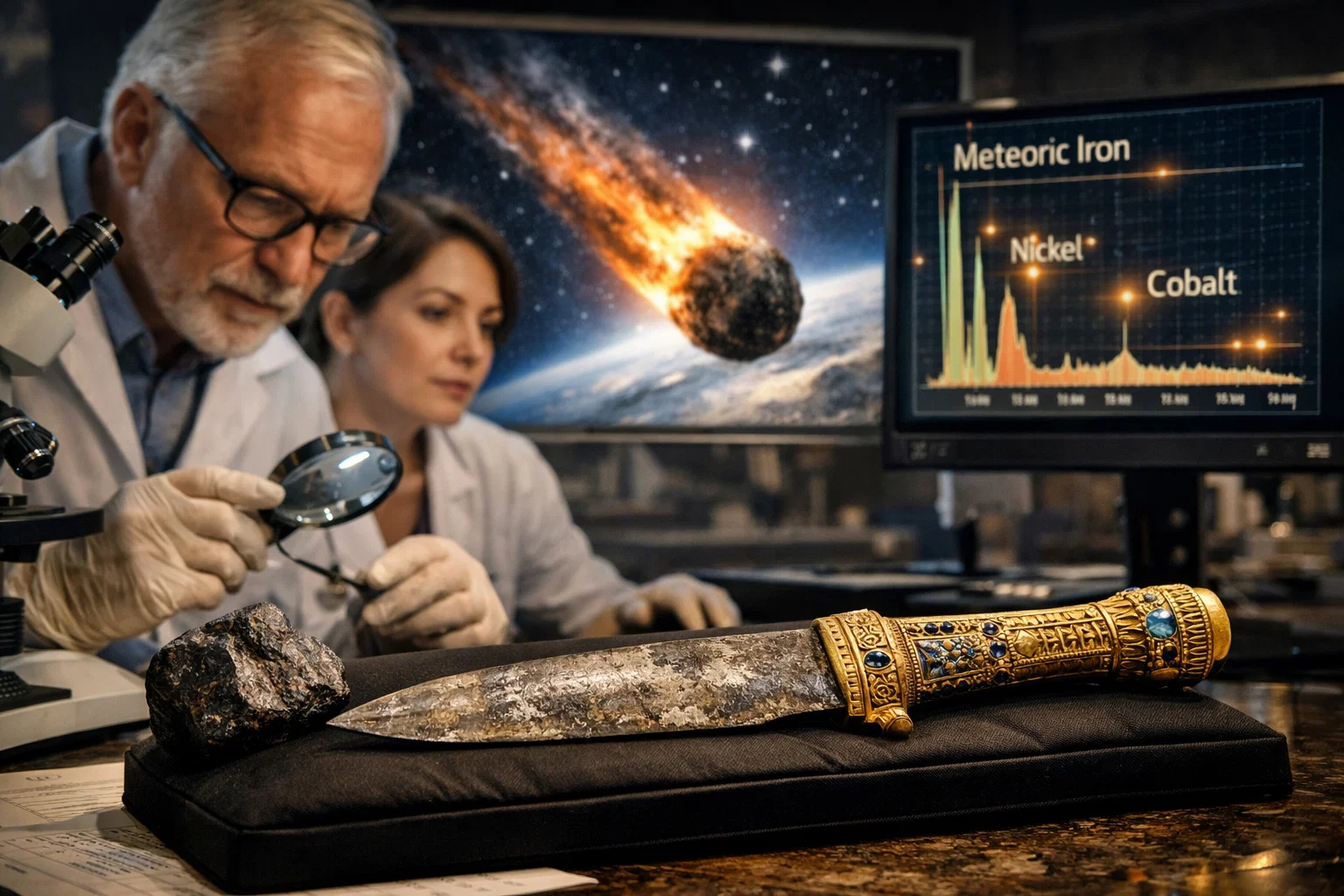
Recent Studies on Ancient Metallurgy Reveal That Various Tools Made Over Three Thousand Years Ago Used Iron from Rare Material That Fell from the Sky Long Before Humanity Mastered Iron Production
-
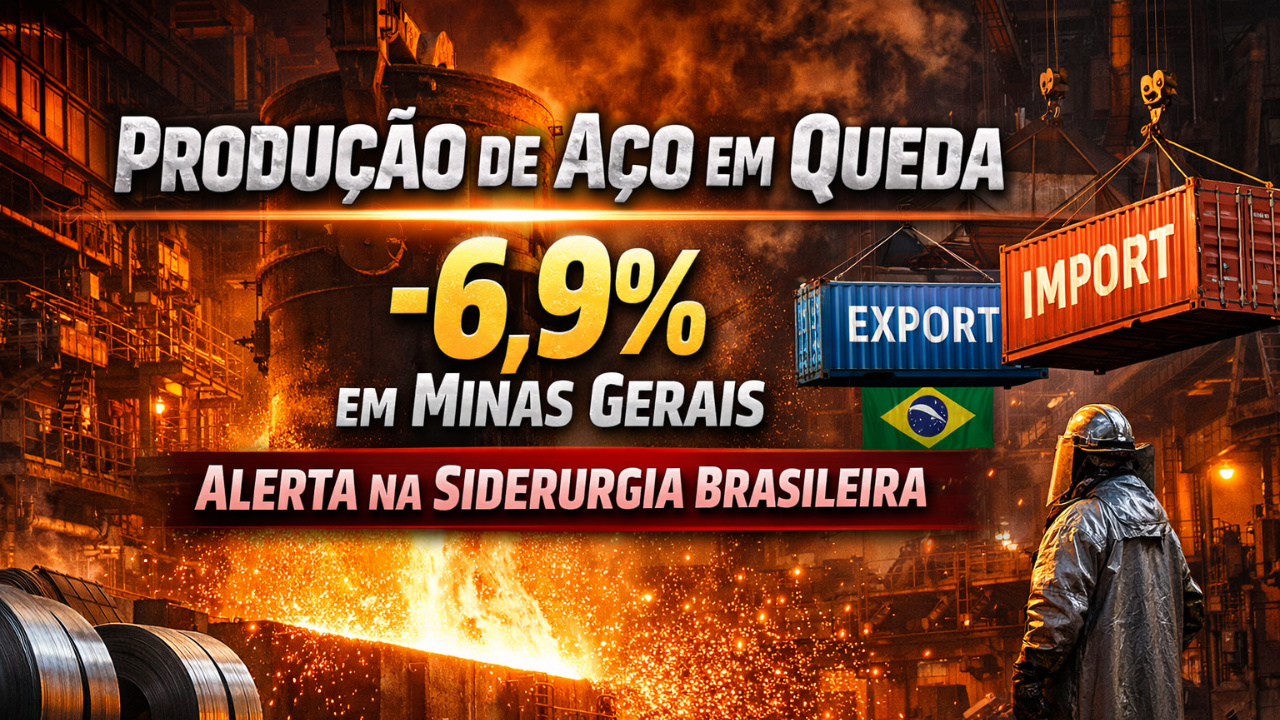
Steel Production Falls 6.9% in Minas Gerais, Raising Alert in Brazilian Steel Industry
-
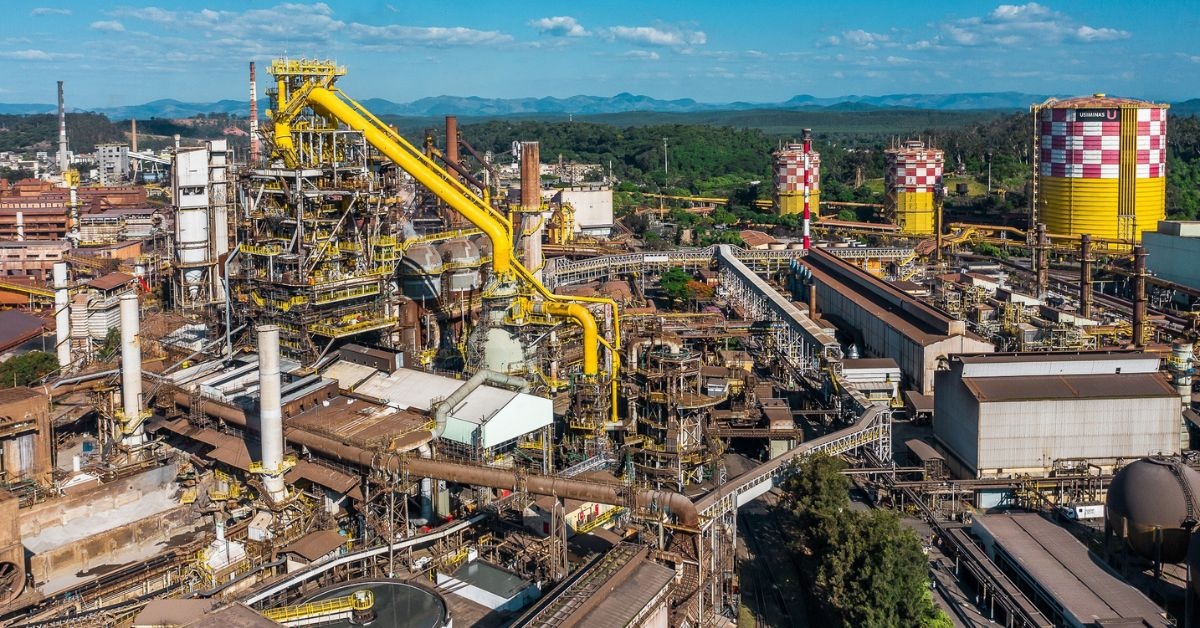
Brazilian Steel Industry Grows in Third Quarter of 2025, Maintains Margins, Reduces Costs, and Faces Imported Steel Surge Amid Commercial Uncertainties
-
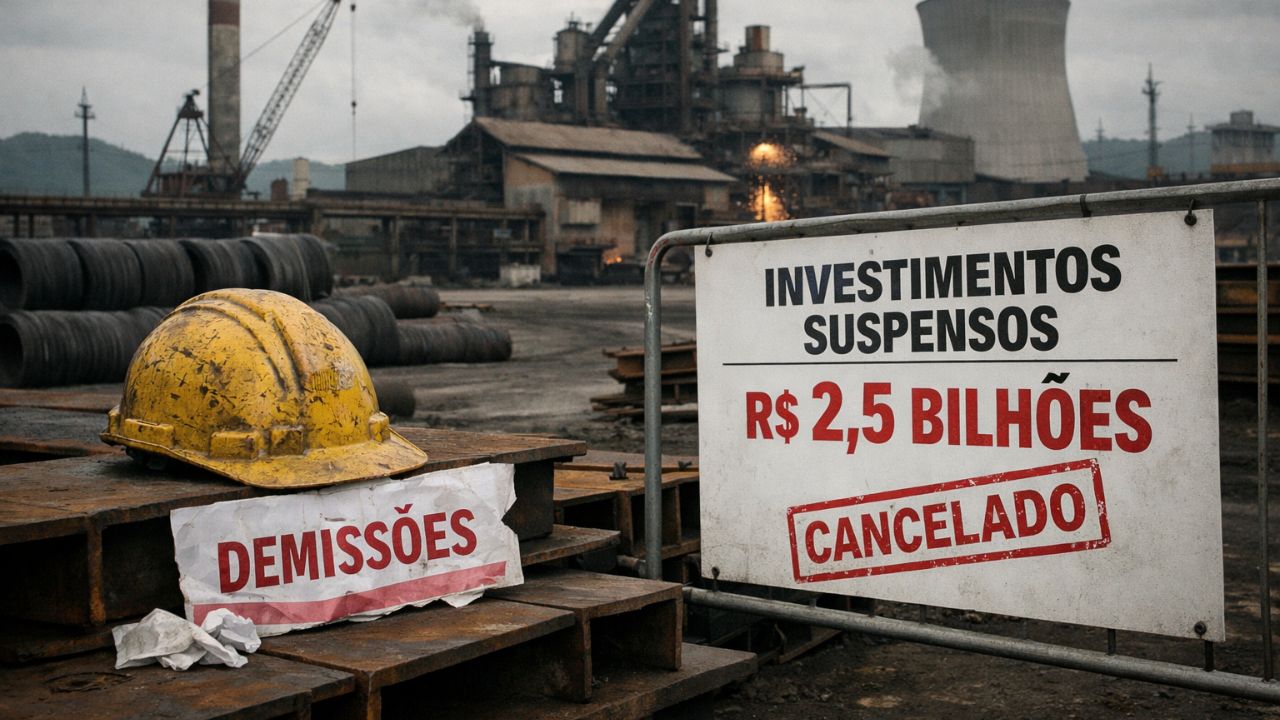
Brazil’s Steel Industry Records Cut of 5,100 Jobs and Suspension of R$ 2.5 Billion in Investments

Competitiveness and Emission Reduction
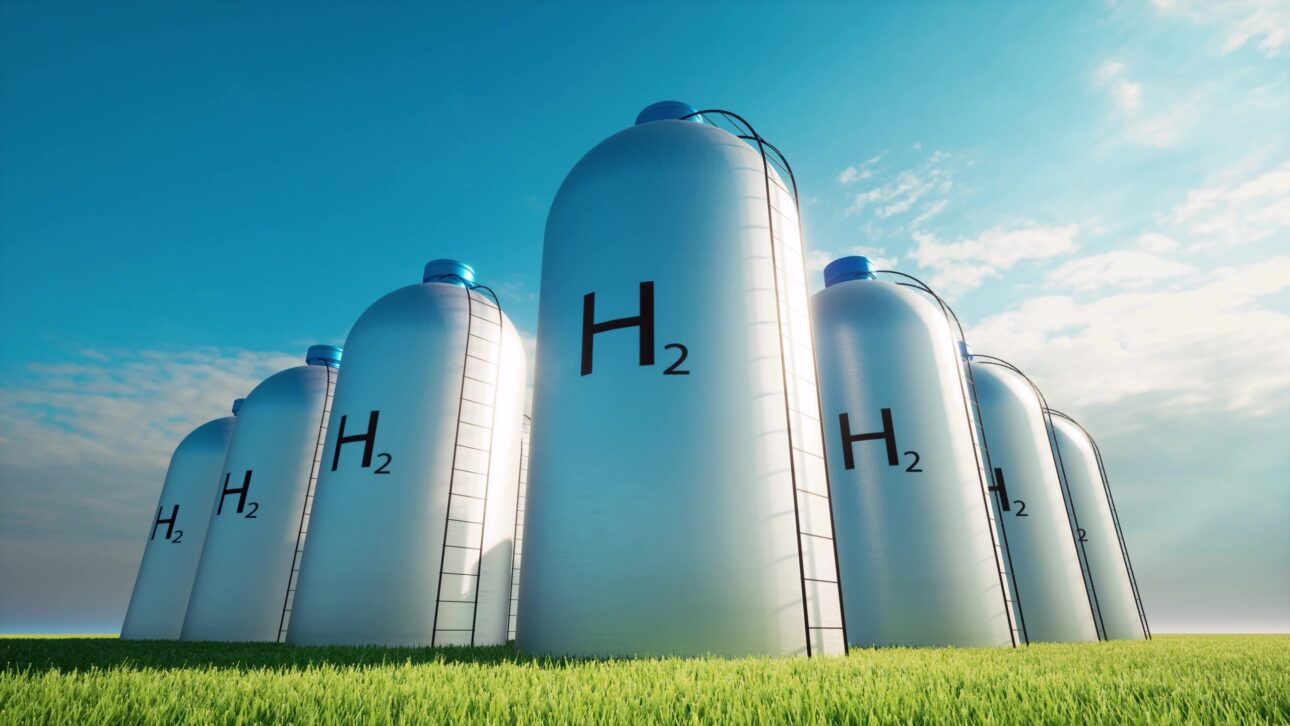
The proposed model replaces coal and natural gas with green hydrogen. This substitution significantly cuts carbon emissions, generating steel with a lower environmental impact.
The study points out that the use of hydrogen could increase the competitiveness of Brazilian products by up to 31.5% compared to traditional steel. High-quality iron ore, combined with clean energy, creates a competitive advantage for the country.
As a result, brands like BMW and Mercedes-Benz could produce vehicles with cheaper and more sustainable components, strengthening industrial partnerships between Europe and Latin America.
Logistical and Energy Potential
Brazil stands out among the most promising countries for clean steel production. The highlight is due to the abundance of hydropower and favorable infrastructure.
Furthermore, the country already has efficient export routes. This infrastructure facilitates the quick and cost-effective delivery of HBI to European steel mills.
Although green hydrogen accounts for less than 0.1% of global production, Brazil can accelerate its growth if it invests in exporting value-added products.
Political Resistance in Germany
Despite the technical advantages, the project faces political resistance in Germany. Unions and leaders fear job losses with the transfer of part of the production chain abroad.
Friedrich Merz, a potential new German prime minister, advocates for carbon capture as a domestic solution. According to him, this strategy preserves jobs and maintains industrial control within the country.
Additionally, conservative sectors fear that Brazil will advance as a direct competitor in the global steel chain. The competition for technology and market intensifies the debate.
Future Paths and New Partnerships
The Brazilian government, furthermore, seeks to advance in trade negotiations with the European Union.
Thus, it aims to secure export agreements that are not only technically sound but also socially and environmentally responsible.
On the other hand, the Nature Energy Institute is expected to complete its full report by August 2025.
In this way, the study will serve as a basis for commercial and industrial decisions between the two blocs.
If approved, the project could generate thousands of skilled jobs in Brazil.
Thus, the creation of sustainable industrial hubs represents a new moment for the national steel industry.





-

Uma pessoa reagiu a isso.