





 Portuguese
  English
  Spanish
  5 min of reading
  0 comments


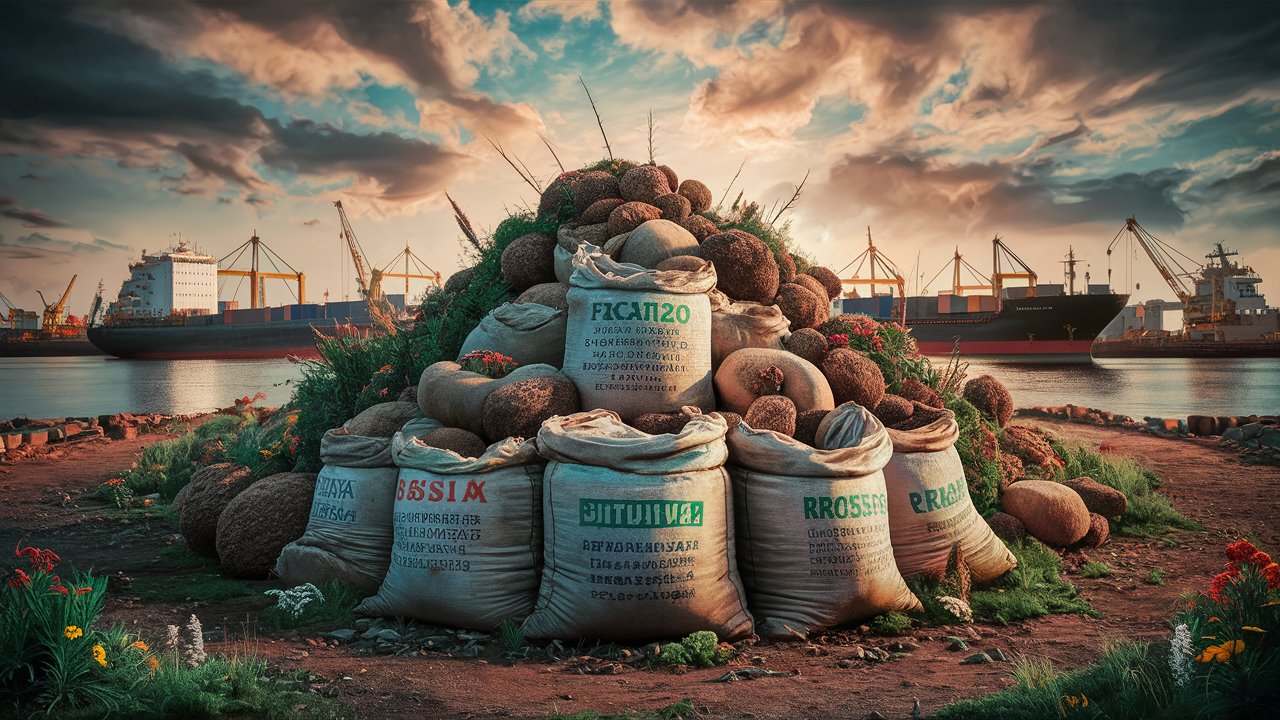
Discover How Brazil Achieved Global Leadership in Importing Russian Fertilizers in 2024 and the Effects of This Milestone on National Agriculture
Brazil, surprisingly, establishes itself as the leading importer of fertilizers from Russia in 2024, marking a historic milestone. While other major agricultural countries, such as India and China, maintain their impressive numbers, Brazil, on the other hand, has taken over the lead. This highlights not only the relevance of the Brazilian agricultural sector but also its strong dependence on imported inputs, essential to sustain global competitiveness.
Furthermore, with the accelerated growth of Russian exports to Brazil, this strategic commercial relationship reinforces the importance of both countries in the global market. However, it is equally crucial to assess the benefits and risks of dependency, especially for national agriculture.
Imports Hit Record: Impressive Numbers
Between January and November 2024, Brazil unexpectedly imported US$ 3.38 billion in mineral fertilizers from Russia, reaching a historic record, according to data released by the Brazilian Ministry of Economy in December 2024. To contextualize this, it is worth noting that other countries, such as India and China, had considerably lower values:
-
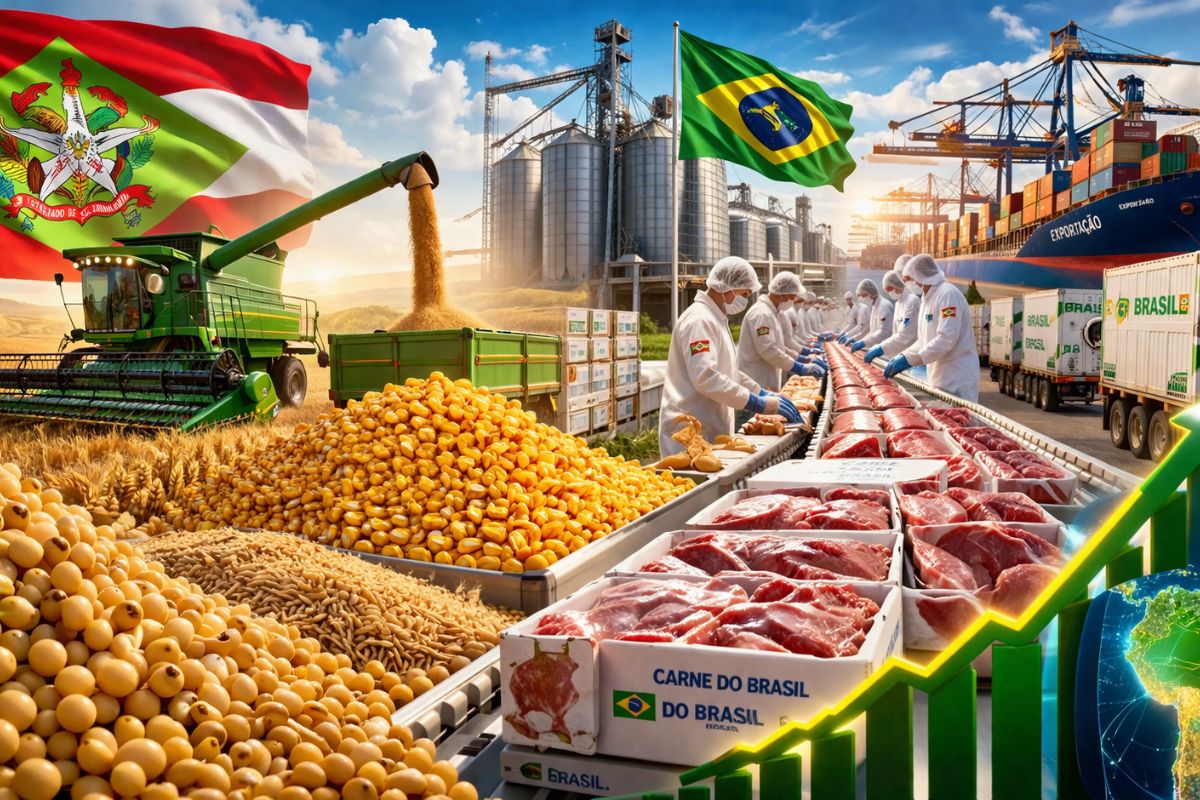
Santa Catarina harvested 7.85 million tons of grains and exported 2 million tons of meat in 2025: a growth of almost 6% in the food industry, which is four times higher than the national average and drives the entire Brazil.
-
The expansion of greenhouses in southern Canada has become so intense that it has changed the appearance of the soil and even the nighttime glow of the region, transforming Ontario into one of the most visible agricultural hubs in North America from space.

-
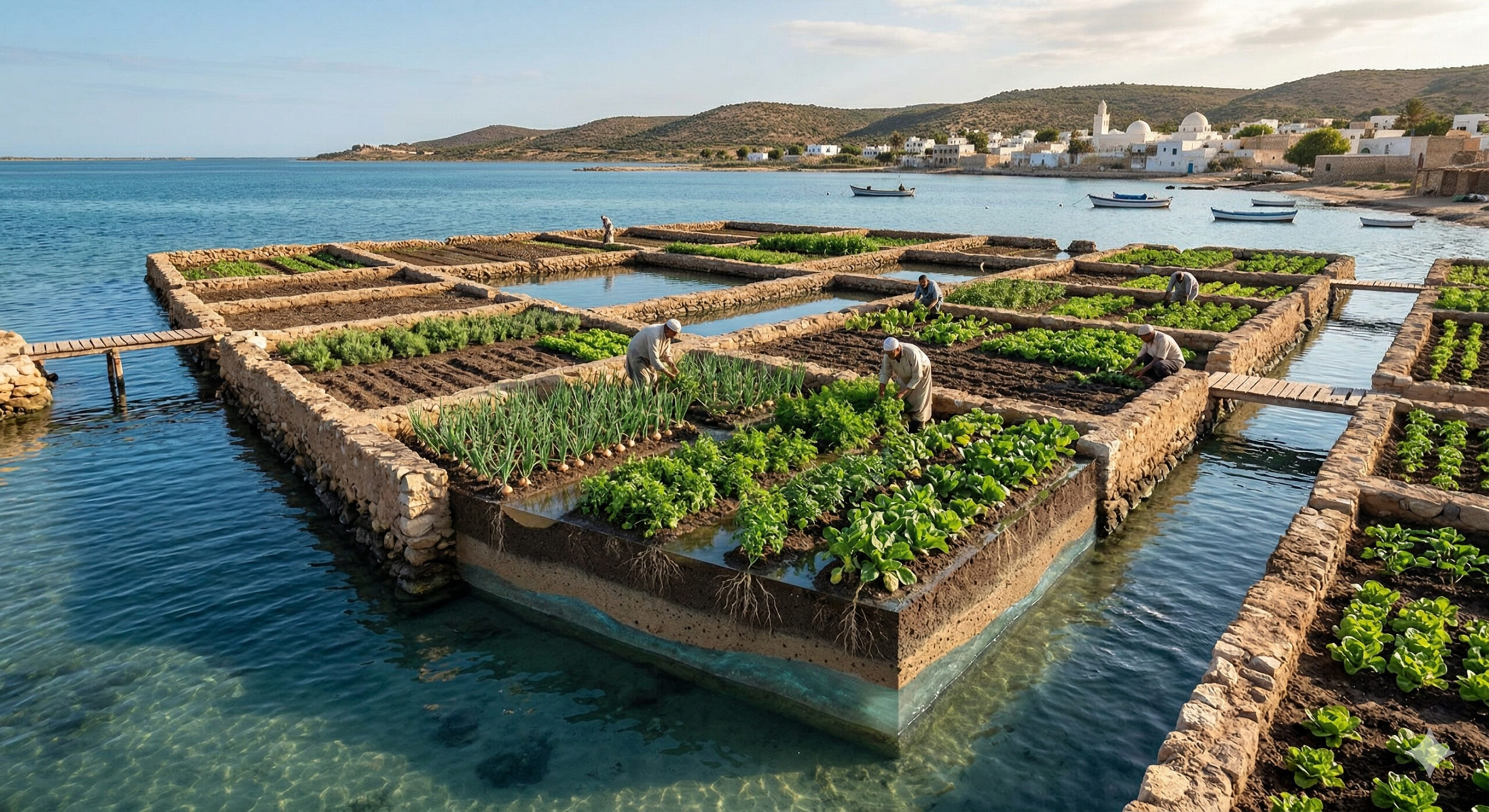
Almost nobody imagines it, but farmers in Tunisia grow food in the sand and make the roots drink fresh water that floats on top of seawater in an agricultural system considered unique in the world.
-
More than 20,000 km² of wheat fields form nearly perfect lines and geometric shapes in Montana, creating an agricultural pattern so symmetrical that the landscape looks like an abstract artwork visible from space.

- India: US$ 1.46 billion.
- China: US$ 1.31 billion.
These numbers demonstrate a marked increase in Russian exports to Brazil throughout the year. In October 2024, for example, Russia’s monetary exports to Brazil totaled an impressive US$ 425 million, representing a 70% increase compared to the same month in 2023, as recorded by the Brazilian Institute of Geography and Statistics (IBGE).
On the other hand, it is important to note that while Brazil benefits from competitive prices, high dependence on a single supplier may bring future risks. Thus, the scenario requires heightened attention to avoid supply issues.
Why Russia?
Undoubtedly, Brazil’s preference for Russian fertilizers results from various strategic factors. Firstly, the competitive prices offered by Russia make this market extremely attractive. Russia offers fertilizers at prices 15% lower compared to other global markets.
Additionally, despite the distance, the maritime routes are quite logical, facilitating transportation and reducing costs. Data from the National Agency of Waterway Transportation (ANTAQ) indicates that trade routes between Brazil and Russia have intensified, especially between 2022 and 2024.
Another reason is the recognized quality of the economical fertilizers, widely used in Brazil’s most important agricultural crops, such as soybeans, corn, and coffee. Moreover, the long trade relationship between the two countries strengthens mutual trust. Since 2018, according to the Ministry of Agriculture, Livestock and Supply (MAPA), fertilizer imports have been growing at an average annual rate of 22%.
Market Share
Russia consistently occupies the position of the largest fertilizer supplier to Brazil, solidifying its leadership significantly. For instance, in October 2024, Russia accounted for remarkable 28.1% of Brazilian imports, as pointed out by ComexStat, the foreign trade platform of the Federal Revenue.
Additionally, other countries, such as China and Morocco, also stood out, although with smaller shares:
- China: 18.2%.
- Morocco: 7.7%.
This growth, in turn, reinforces Russia’s importance as a strategic supplier. However, to ensure greater commercial security, it is necessary to seek alternative sources and diversify supplier markets.
How Does This Impact National Agriculture?
Certainly, Brazilian agriculture relies heavily on economical fertilizers to sustain its productivity. Crops such as soybeans, corn, and coffee, for example, stand out among the most benefited.
- Soybeans: The world’s leader in exports, soybeans are essential to the Brazilian economy. According to data from the National Supply Company (CONAB), Brazil exported more than 95 million tons of soybeans in 2024, much of which was cultivated with Russian fertilizers.
- Corn: Widely used in the production of animal feed and biofuels, corn is another highlight. MAPA points out that 40% of the inputs used in corn cultivation come from Russia.
- Coffee: A symbolic product of Brazil, with a strong presence in the international market. In 2024, according to the Brazilian Coffee Industry Association (ABIC), the sector used 25% more mineral fertilizers compared to the previous year.
Still, it is important to highlight that excessive dependence on imported fertilizers can expose the sector to global crises. Therefore, seeking sustainable alternatives and diversifying suppliers are essential measures to reduce vulnerabilities.
Moreover, public policies that encourage domestic production can contribute to greater autonomy in supply. Consequently, Brazil will be better prepared to face future challenges in the agricultural market.
Opportunities and Challenges
Although the partnership with Russia offers advantages, it also presents significant challenges for Brazil. In this sense, it is essential to explore both the opportunities and risks involved.
1. Need for Diversification
On one hand, dependence on a single supplier increases Brazil’s vulnerability. On the other hand, diversifying markets is crucial to reduce risks and ensure supply security.
2. Domestic Fertilizer Production
Furthermore, investing in domestic production could be an effective long-term solution. In this way, the country could reduce costs and increase its autonomy.
3. Focus on Sustainability
Simultaneously, sustainable alternatives, such as biofertilizers and innovative technologies, should be considered to ensure greater competitiveness.
Thus, balancing dependence, innovation, and sustainability is fundamental for the future of Brazilian agribusiness.
How Might the Market Evolve?
Looking ahead to 2025, Brazil is expected to maintain its position as the largest importer of Russian fertilizers. However, significant changes in the market are likely, such as:
- New Trade Agreements: African and Middle Eastern countries may emerge as competitive suppliers, according to analysts from the National Confederation of Agriculture (CNA).
- Rising Costs: Global inflation and currency fluctuations may impact input prices, as planned by the World Bank in the 2024 report.
- Technological Innovations: Advanced research promises more efficient solutions for Brazilian agriculture, according to the Brazilian Agricultural Research Institute (Embrapa).
Therefore, Brazil needs to seize the current moment to plan robust long-term strategies. In this way, it will be possible to reduce its dependence while ensuring its leadership in the agricultural market.
What to Expect from the Future?
Undoubtedly, agribusiness will continue to be one of the main pillars of the Brazilian economy. However, to sustain this prominence, it is necessary to adopt strategic measures that promote diversification, innovation, and sustainability in the sector.
Additionally, public policies and investments in technology can help reduce dependence on external inputs. Despite this, it is important to recognize that the partnership with Russia has been crucial to the success of agribusiness so far.
Thus, the future of Brazilian agriculture depends on both strategic partnerships and the ability to adapt and innovate in the face of global challenges.








-

Uma pessoa reagiu a isso.