





 Portuguese
  English
  Spanish
  4 min of reading
  0 comments


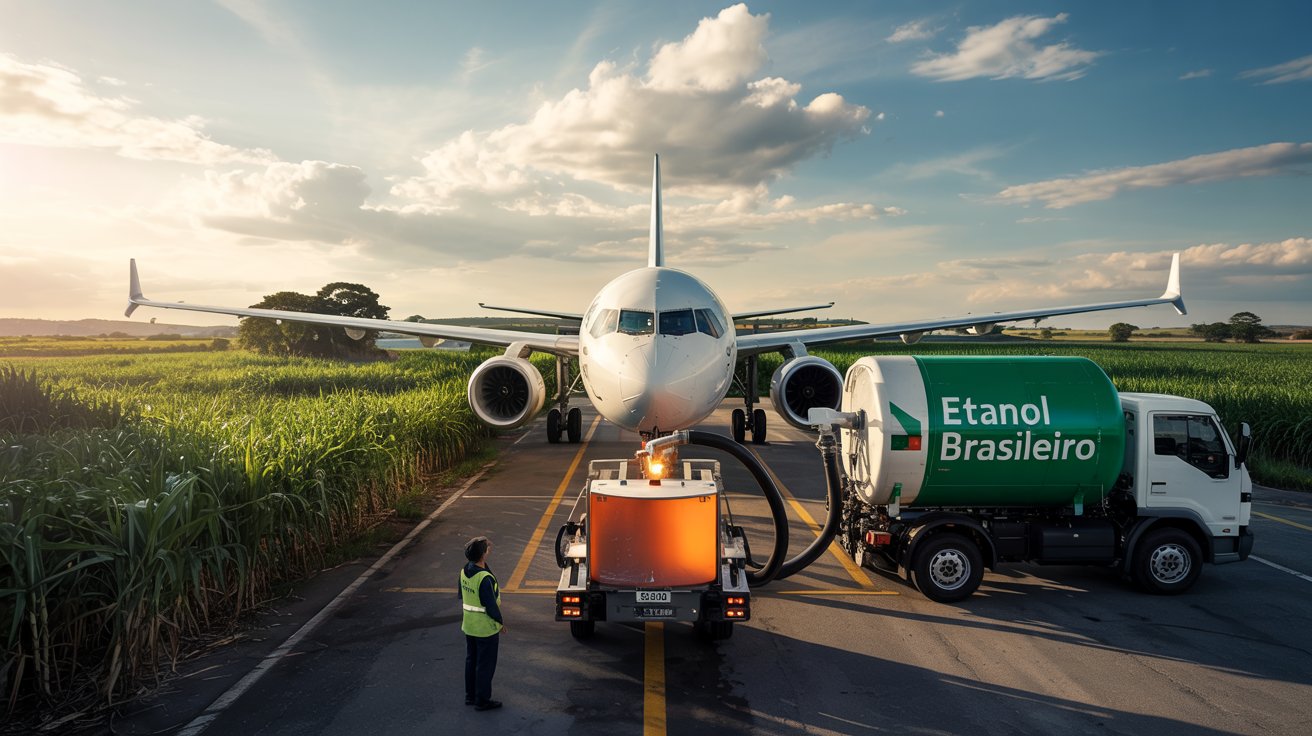
Billion-Dollar Investments in Green Technology Connect Brazil and China to Revolutionize the Aviation Sector with Renewable Fuels from Sugarcane, Pointing Toward a Sustainable Future and Innovation in Clean Energy in the Global Market.
Brazil took a decisive step toward sustainability in aviation with a Chinese investment of US$ 1 billion — equivalent to about R$ 5.6 billion in direct conversion — aimed at producing renewable fuel for aircraft, known as SAF (Sustainable Aviation Fuel).
According to information released this Monday (12), the investment will be made by Envision Group, a Chinese company that also intends to establish a research and development (R&D) center dedicated to renewable energy in the country.
The announcement took place during President Luiz Inácio Lula da Silva’s official visit to Beijing, his third in just over two years, and marked four meetings with Chinese executives from the sustainable energy and defense sectors.
-
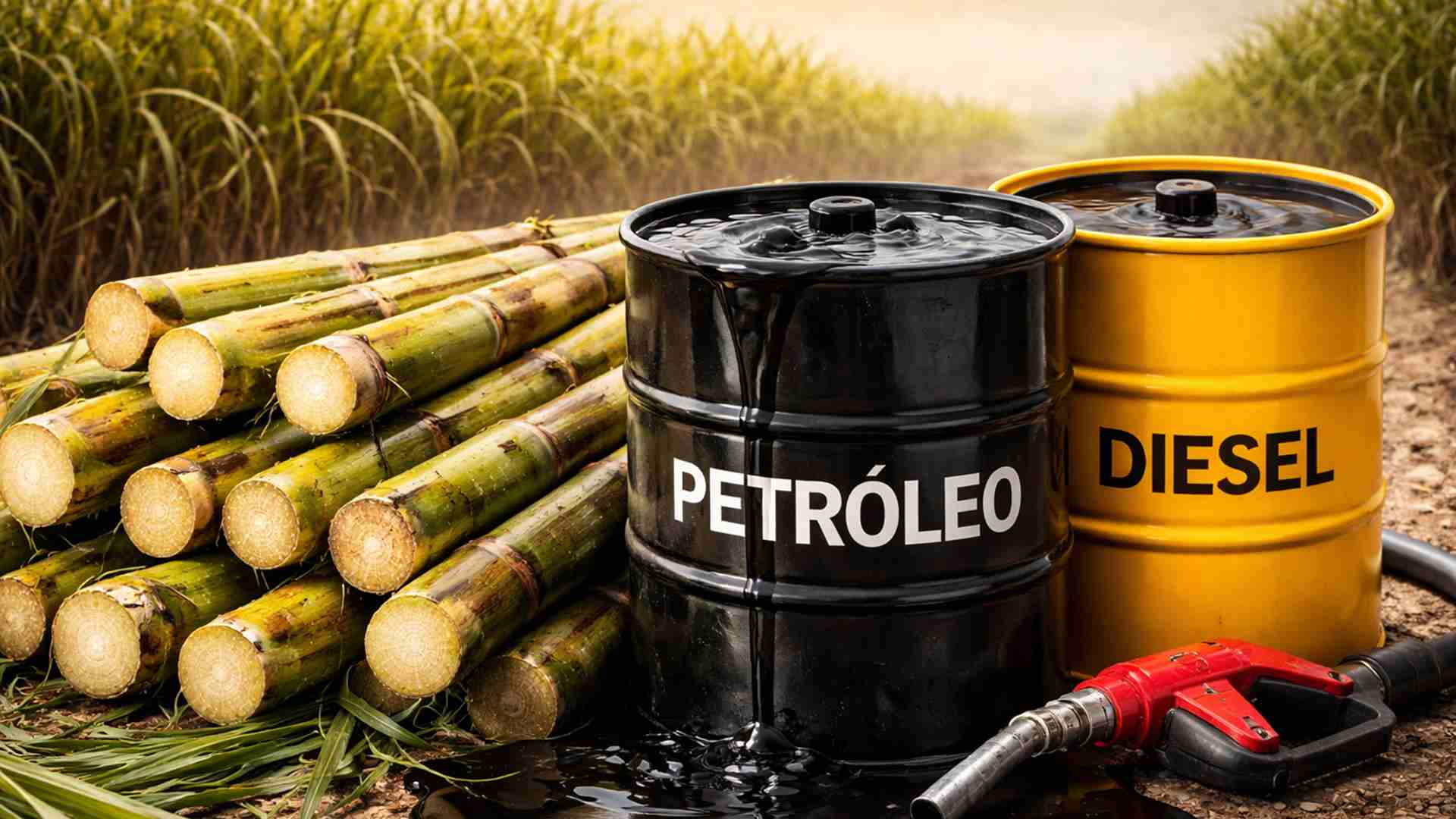
The rise in oil prices in the Middle East is already affecting Brazilian sugar: mills in the Central-South are seeing their margins shrink just as ethanol gains strength.
-
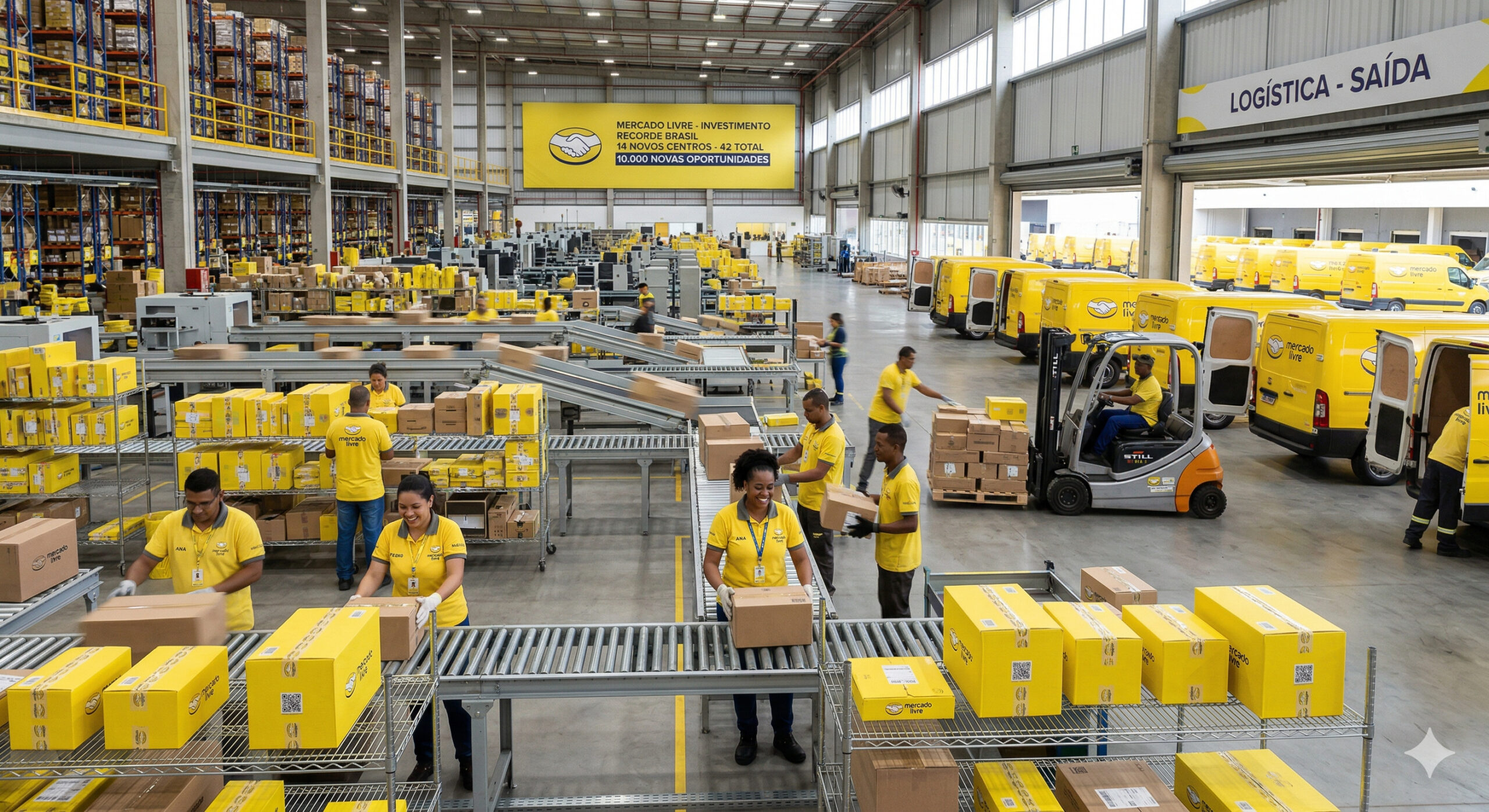
Mercado Livre “opens the vault” and announces a record investment of R$ 57 billion in Brazil in 2026, a value 50% higher than the previous year, with an expansion plan that includes 14 new logistics centers, totaling 42 units in the country and hiring an additional 10,000 employees.
-
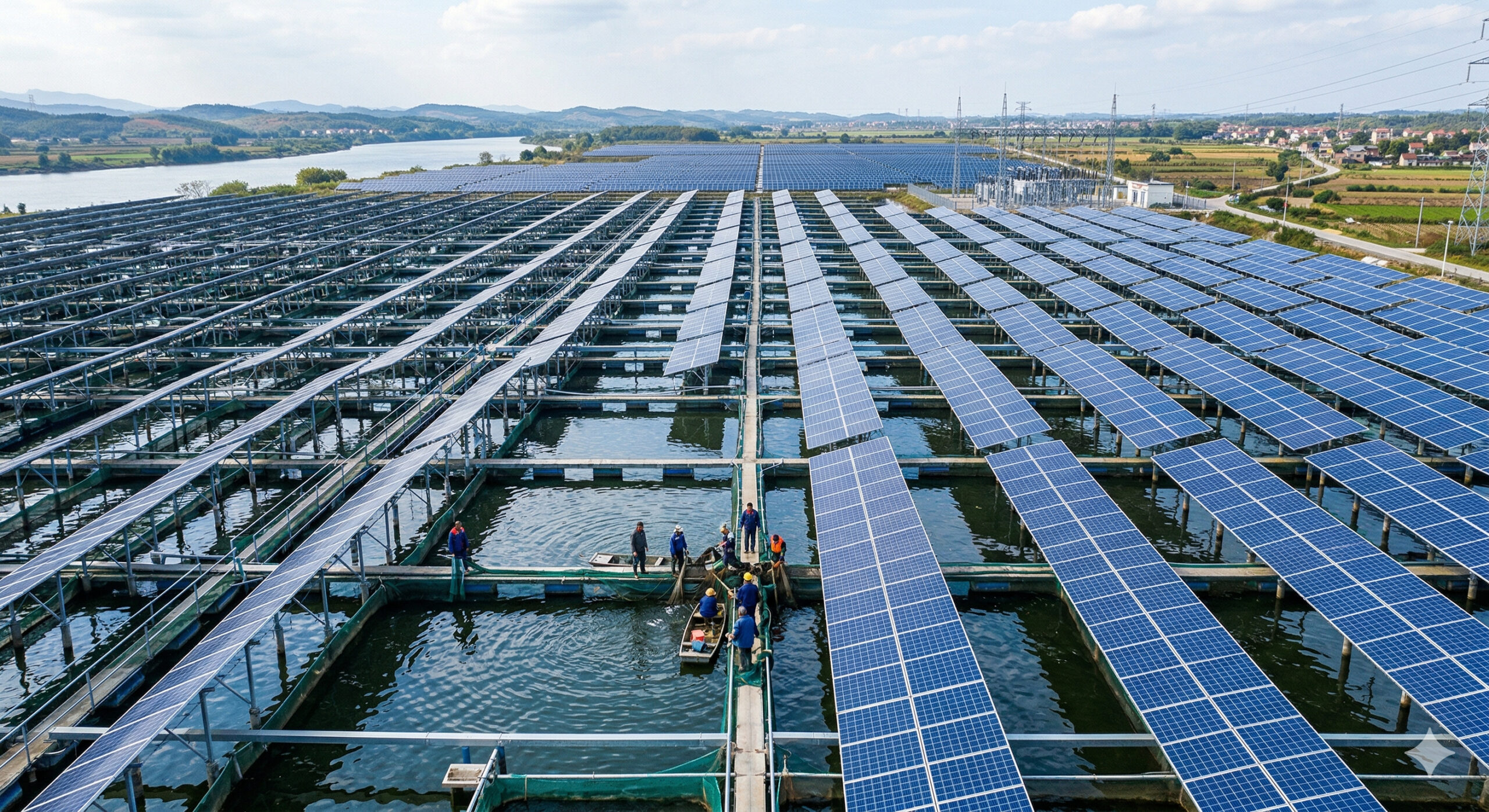
How investment in technology can revolutionize the national economy and enhance industrial gains, according to a study that highlights the direct impact on productivity, innovation, and wealth retention within Brazil.

-
The largest food company on the planet, JBS, has just opened a 4,000 square meter laboratory in Florianópolis to develop customized proteins that modulate muscle mass gain, immune response, and metabolic performance.


“We concluded a meeting with an investment announcement of US$ 1 billion for the production of SAF from sugarcane in Brazil. The country will become one of the largest producers of green aviation fuels,” said Minister Rui Costa of the Civil House, who accompanied the presidential delegation.
Strategic Investments for Brazil’s Energy Future
In addition to the commitment to SAF, the agreements signed between Brazil and China encompass various renewable energy projects, including initiatives in wind, solar, hybrid systems, and energy storage technologies.
According to representatives of the Brazilian government and ApexBrasil, the investment in SAF is one of the largest ever announced for the sector in the country, demonstrating global interest in Brazil’s potential for sustainable development.
Envision Energy, headquartered in Shanghai and recognized worldwide as a leader in green technology, will be primarily responsible for the projects.
The company is already involved in innovative solutions, such as smart wind turbines and advanced energy storage systems, while prioritizing the development of SAF on its global energy transition agenda.
The investment results from negotiations initiated in 2024, with recent meetings in April of this year between Brazilian authorities and Chinese executives aimed at exploring partnership opportunities and joint technological development.
These discussions also addressed ways to reduce production costs and integrate multiple renewable sources using cutting-edge technologies, including hybrid energy systems, green hydrogen, green ammonia, and large-scale wind turbines.

The new research center, which will be implemented in partnership between Senai Cimatec, a national reference in innovation, and Windey Energy Technology Group, a leading Chinese state-owned company in wind turbines, will focus on the development and maintenance of technologies for large wind turbines, expanding Brazilian expertise in clean energy.
Sustainable Aviation Fuel: A Revolution for the Aviation Sector
SAF is an innovative alternative to the fossil fuel currently used in commercial aviation.
It is produced from renewable raw materials, with processes that meet strict environmental sustainability criteria.
According to the National Union of Bioenergy (UNICA), Brazil has unique conditions to globally lead the production of this fuel, thanks to its favorable climate and the variety of natural resources available.
Among the raw materials used are sugarcane, oil palm, macaúba, eucalyptus, soybean, corn, and even agave.
Studies show that the use of SAF can reduce carbon emissions in the aviation sector by up to 80% compared to traditional kerosene, representing a crucial step toward decarbonizing one of the most challenging sectors in terms of environmental impact.
According to research by Boeing, Brazil has the capacity to produce up to nine billion liters of sustainable fuel per year, which corresponds to 125% of the current fossil fuel consumption of the national aviation sector.
This production would mainly come from agro-industrial waste, such as leftover sugarcane, eucalyptus residues, exhaust gases, as well as unusual raw materials like beef tallow and used cooking oil, enhancing the efficiency of the production cycle and contributing to the circular economy.
International Overview and Challenges for Brazil
In the global context, the aviation sector is facing increasing pressure to adopt alternatives that reduce its environmental impact.
The International Renewable Energy Agency (IRENA) highlights SAF as one of the most promising technologies to meet carbon neutrality targets by 2050.
However, for Brazil to realize this leadership, it still needs to face challenges such as technological development, infrastructure for distribution, and the competitive cost of sustainable fuel compared to fossil kerosene.
According to experts, recent investments — such as the Chinese investment — are essential to accelerate these processes, bringing innovation and expanding international cooperation.
Furthermore, strengthening public policies, such as the Future Fuel Law, provides an important regulatory framework to stimulate the sector and ensure legal security for investors.
Brazil, therefore, is at the forefront of a transformation that could redefine not only the national energy sector but also the country’s position in the global sustainable aviation landscape.
What do you think about this investment and Brazil’s prospect as a global leader in renewable fuels for aviation?







Seja o primeiro a reagir!