





 Portuguese
  English
  Spanish
 5 min of reading
  0 comments


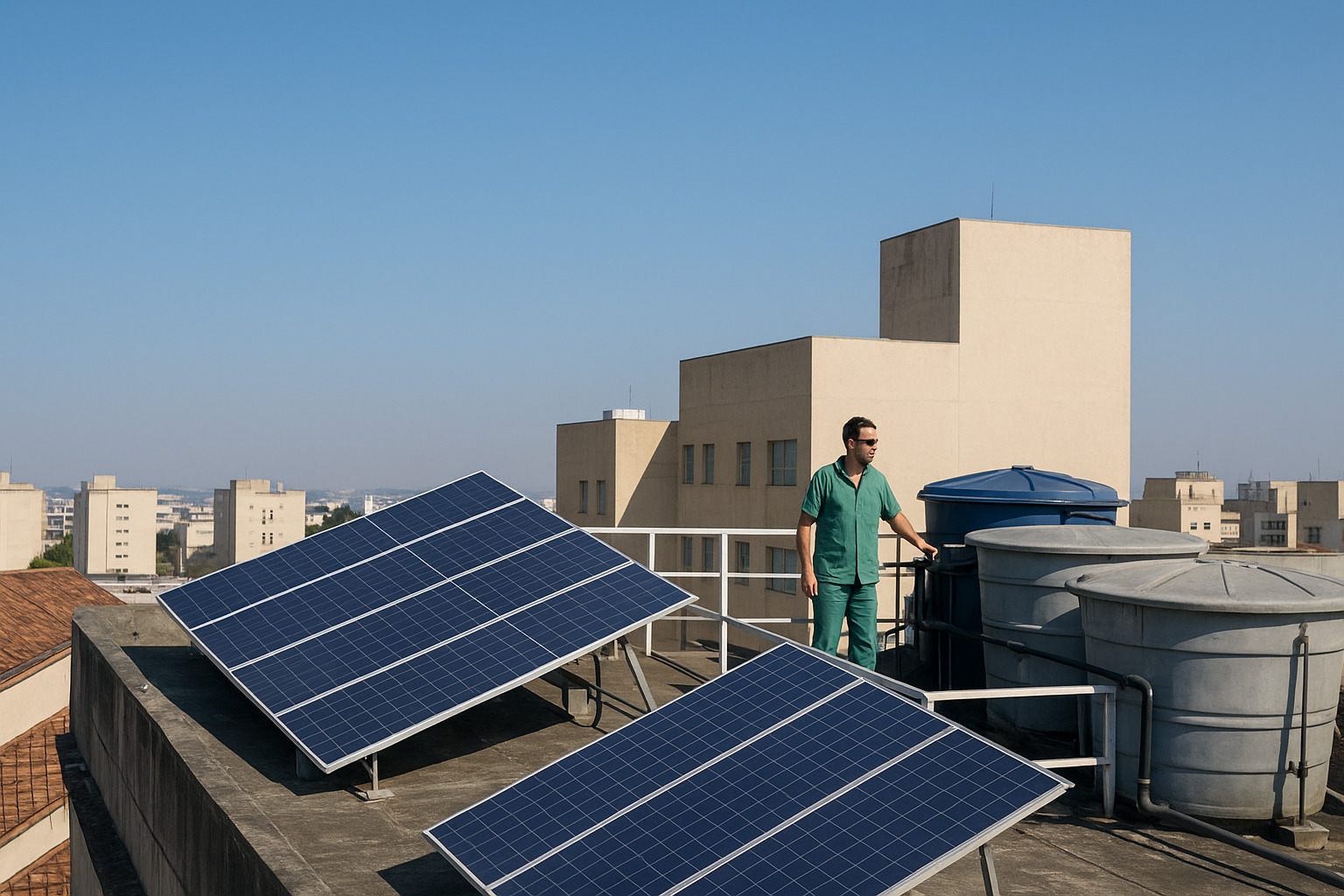
New Solar Energy Systems Are Growing in Brazil, with 500 Thousand Installations in the Semester, Boosting Self-Generation and Sustainable Energy.
In the last six months, Brazil has recorded a significant expansion in the solar energy sector, with the installation of 500 thousand new solar energy systems. Additionally, this growth reflects not only the increasing interest in renewable sources but also the historical evolution of Brazil’s energy matrix.
The country seeks cleaner and more sustainable alternatives in the face of environmental and economic challenges.
Historically, Brazil has concentrated energy production in hydraulic sources. Since the 20th century, the country has heavily invested in hydroelectric plants, which account for a large part of the national electricity generation capacity. However, factors such as climate change, dry periods, and increased electricity consumption have highlighted the need to diversify the energy matrix.
-
Seagri’s headquarters invests in solar energy with Neoenergia Coelba and promises to cut electricity costs, highlighting a strategic advance in sustainability and energy efficiency within state public administration.
-
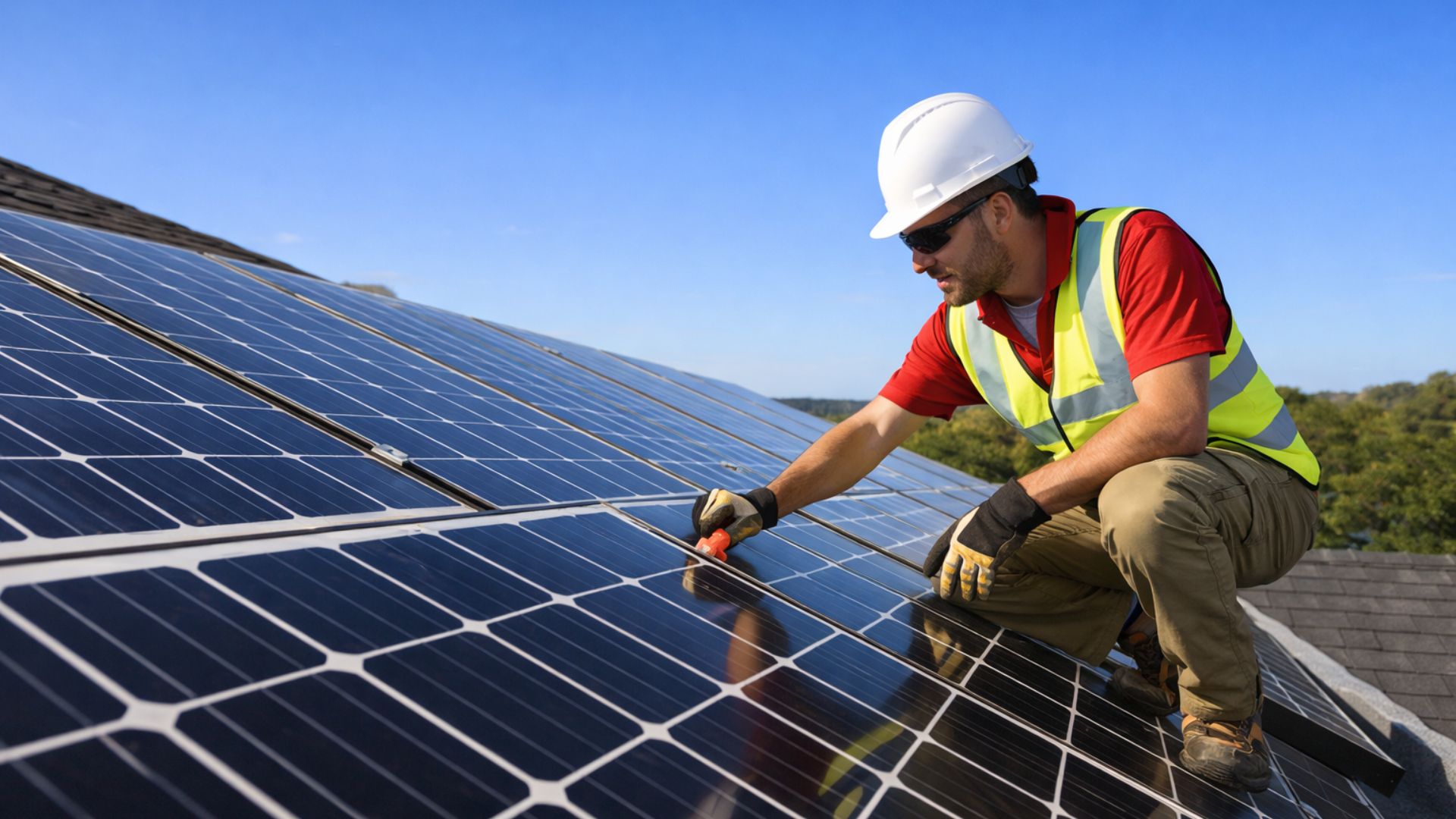
Solar Pyramid draws attention by converting solar energy into million-dollar savings and repositioning the City Hall of Curitiba as an example of innovation, sustainability, and intelligent use of public resources.
-
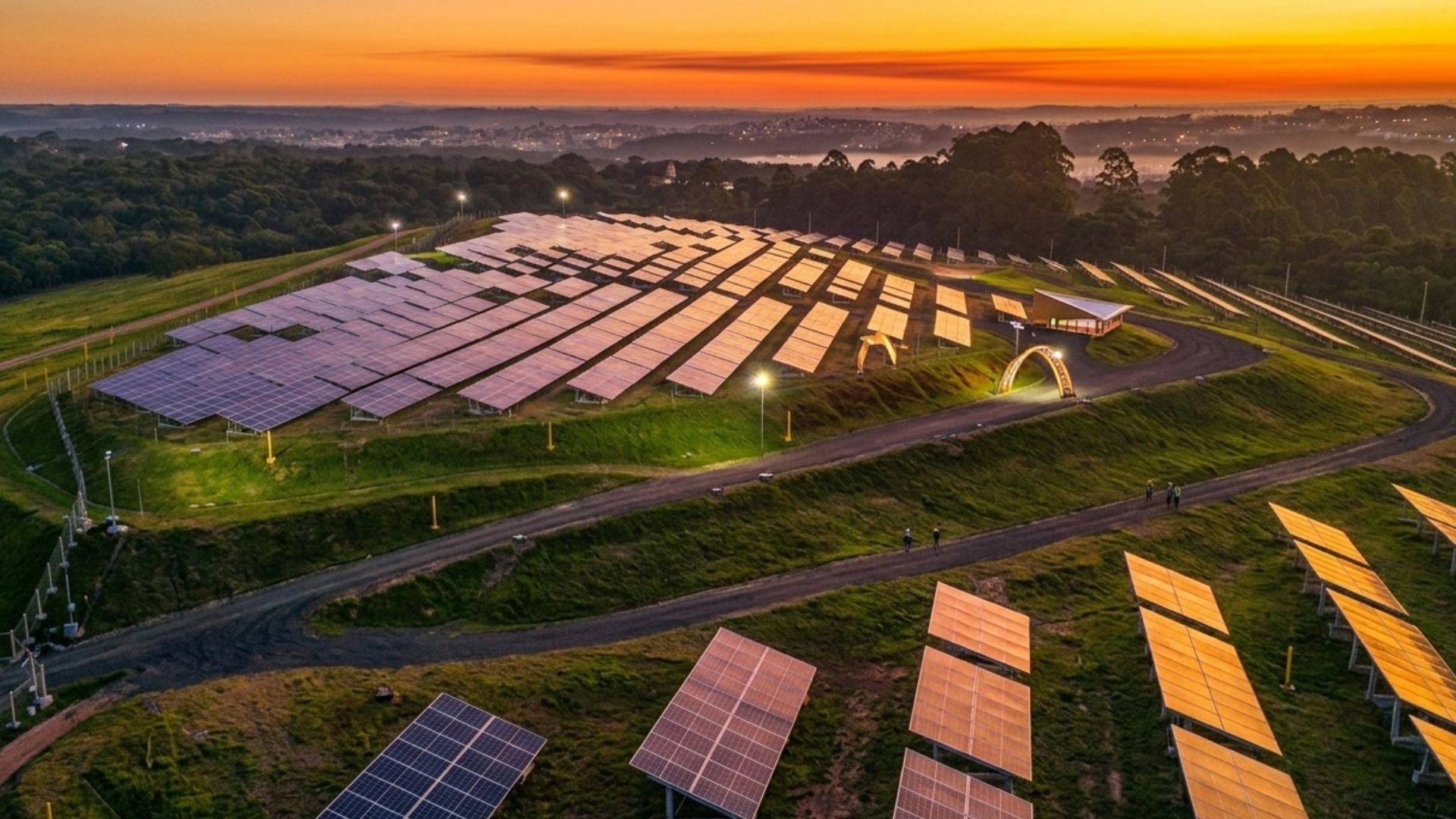
Europe records strong euro economy with solar energy in March and sparks curiosity about which country leads growth that redefines the energy market and reduces costs.
-
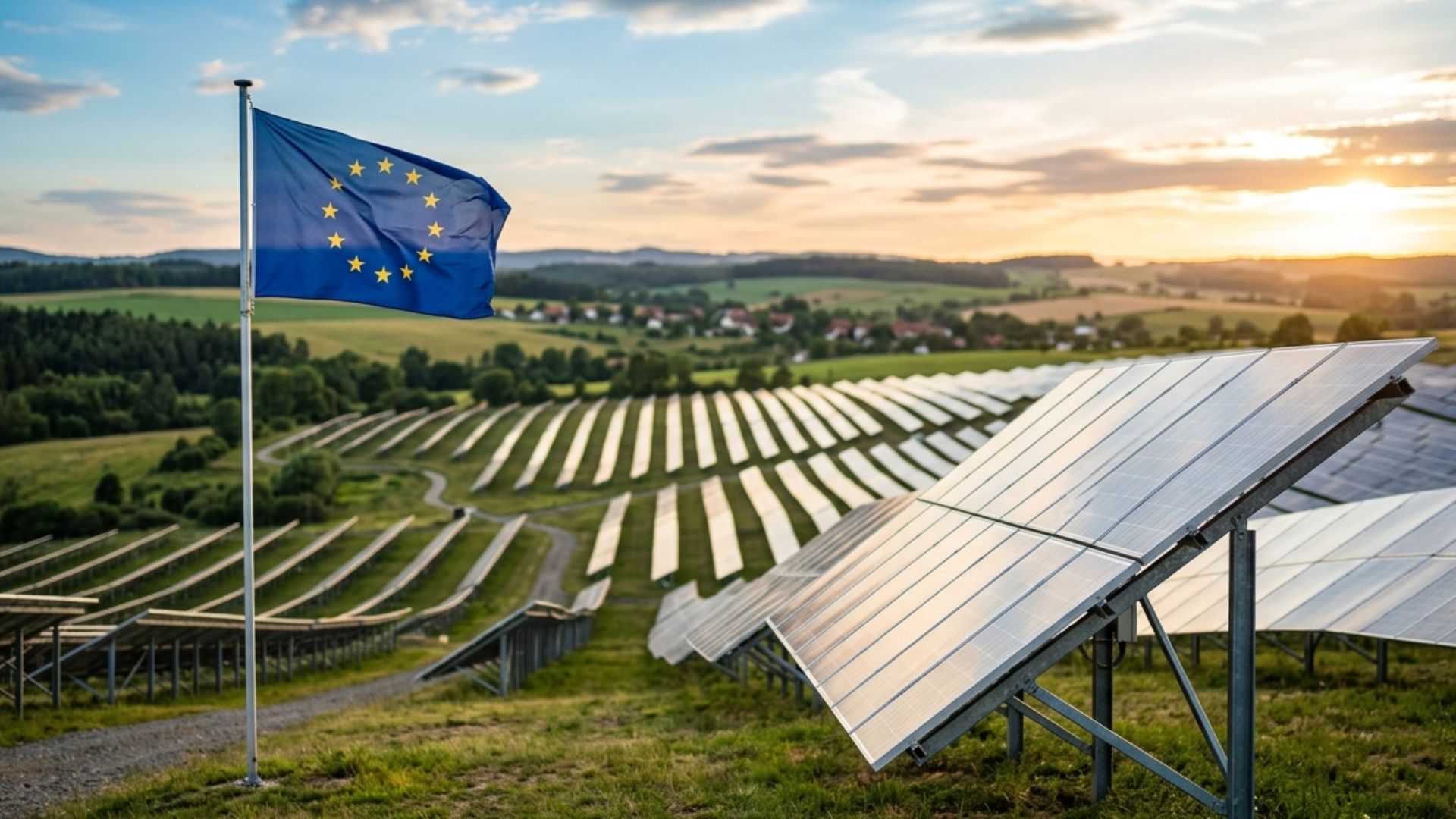
Piauí reaches a historic milestone in energy transition: State records nearly 160,000 households powered by solar energy and leads growth in the Northeast.
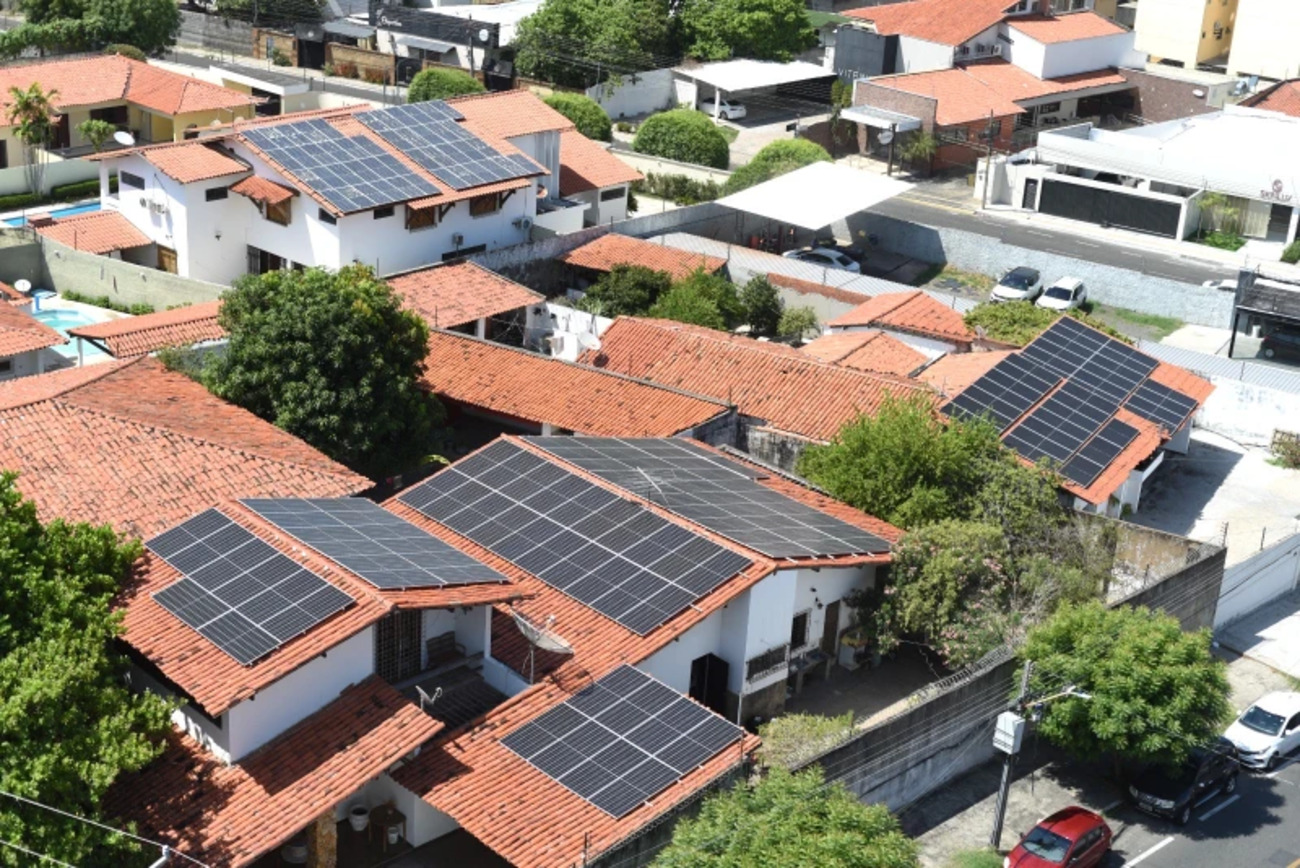

Therefore, solar energy has begun to gain traction, becoming a strategic option for residential, commercial, and industrial consumers.
The progress recorded in the last six months maintains this trend. With the 500 thousand new solar energy systems, Brazilians have managed to generate their own electricity in 7% of the consumer units in the country.
Consequently, more and more people are opting to produce their own energy, reducing costs and strengthening the sustainability of the electric sector.
Furthermore, the adoption of solar systems reflects social changes. Thus, more consumers are seeking solutions that offer energy autonomy, financial security, and a lower environmental impact.
In other words, the awareness that solar energy combines smart investment and sustainability has motivated families and small businesses to adopt this technology.
Profile of Installed Systems and Consumer Sectors
The profile of installed solar energy projects reveals important trends. Today, there are 3.75 million projects in operation in Brazil, of which 82% serve the residential sector.
Among residential systems, the most popular have a capacity between 3 and 6 kilowatts-peak (kWp), ideal for an average home. Thus, this capacity range, which represented 35% of systems in 2017, has reached 46% in 2025.
Therefore, the increase reflects the democratization of technology and the ease of installation and operation.
The commercial sector and the rural sector also adopt solar energy, albeit on a smaller scale, with 8% each, while the industry represents only 1% of the total projects.
Thus, despite the wide availability, the technology is still more concentrated in residences, due to the incentives and environmental awareness of Brazilian families.
The expansion of new solar energy systems does not occur uniformly across the country. For example, states like São Paulo, Minas Gerais, and Bahia lead the ranking of new installations, with 143 thousand, 69 thousand, and 62 thousand systems, respectively, in the last 12 months.
This reflects factors such as purchasing power, state incentive policies, and greater access to information about the benefits of solar energy.
In the Midwest, 9.5% of consumer units already have distributed generation systems, leading among the regions. The South follows with 7.6%.
However, other regions, such as the North and Northeast, show growth but still remain below the national average.
Thus, the country can still expand solar energy, especially in areas with high solar radiation incidence, ideal for generating electricity efficiently.
Incentive Policies and Historical Growth
The recent growth of new solar energy systems in Brazil did not happen by chance. Since the 2010s, the government has implemented policies and regulations that encourage distributed generation, such as reducing connection costs to the power grid and simplifying processes with the National Electric Energy Agency (ANEEL).
In this way, the environment has become more favorable for consumers to invest in their own systems, promoting energy autonomy.
Additionally, the installation of solar systems reduces electricity bills, protecting families and businesses from increases in electricity tariffs. These systems also represent a long-term investment, with a lifespan exceeding 25 years, ensuring financial returns over decades.
Thus, the growth of new solar energy systems also boosts the labor market, increasing the demand for installers, engineers, and equipment suppliers.
The increase in the adoption of solar systems generates indirect effects on the local economy. On the other hand, companies that manufacture components, such as photovoltaic panels, inverters, and mounting structures, benefit from the sector’s expansion.
Therefore, this production chain creates jobs and drives investments in technology and logistics. As a result, the new solar energy systems strengthen both environmental sustainability and the economies of the regions that adopt these solutions.
From an environmental standpoint, the expansion of solar energy is strategic for Brazil. Generation from renewable sources reduces greenhouse gas emissions, preserves water resources, and decreases dependence on fossil fuels.
In this sense, the new solar energy systems installed in the last six months represent more than just numbers; they symbolize the country’s commitment to the energy transition and a sustainable future.
Technology, Innovation, and Environmental Awareness
Technological innovation drives the sector even further. In recent years, advancements in solar panels, inverters, and monitoring systems have made equipment more efficient and accessible, allowing consumers of different profiles to adopt solar energy.
Furthermore, the reduction in production and installation costs, along with specific financing options, has turned the new solar energy systems into a viable alternative for millions of Brazilians.
The growth of solar systems is also related to the environmental awareness of the population. More and more families and businesses are seeking to reduce impacts and adopt sustainable practices.
Thus, solar energy, being clean, silent, and abundant, has become a symbol of this movement.
Brazil, with its vast territory and high solar radiation incidence, has enormous potential to further expand solar energy. Despite the advances, there is still room for growth in commercial and industrial sectors.
Therefore, the expansion of new solar energy systems could make the energy matrix more diversified, resilient, and sustainable.
Moreover, integrating solar energy with other renewable sources, such as wind power, creates even more efficient hybrid systems capable of ensuring continuous supply.
This model expands with the increased adoption of new solar energy systems, strengthening energy security and reducing vulnerability to climate fluctuations.
In summary, the last six months have shown that solar energy has consolidated itself as a reliable, economical, and environmentally responsible alternative.
The 500 thousand new solar energy systems installed mark a historic advance in distributed generation in Brazil. Thus, the country is moving towards a future where more consumers produce their own energy, reduce costs and environmental impacts, and strengthen national energy autonomy.
The growth of solar energy represents not just a passing trend; it is a structural transformation in how electricity reaches Brazilian homes and businesses.
With incentive policies, technological advancements, and greater environmental awareness, the new solar energy systems are expected to expand even further, establishing Brazil as a reference in clean energy in Latin America.









Seja o primeiro a reagir!