





 English
  Francês
  Alemão
  Italiano
  Japonês
  Norueguês
  Portuguese
  Spanish
 3 min of reading


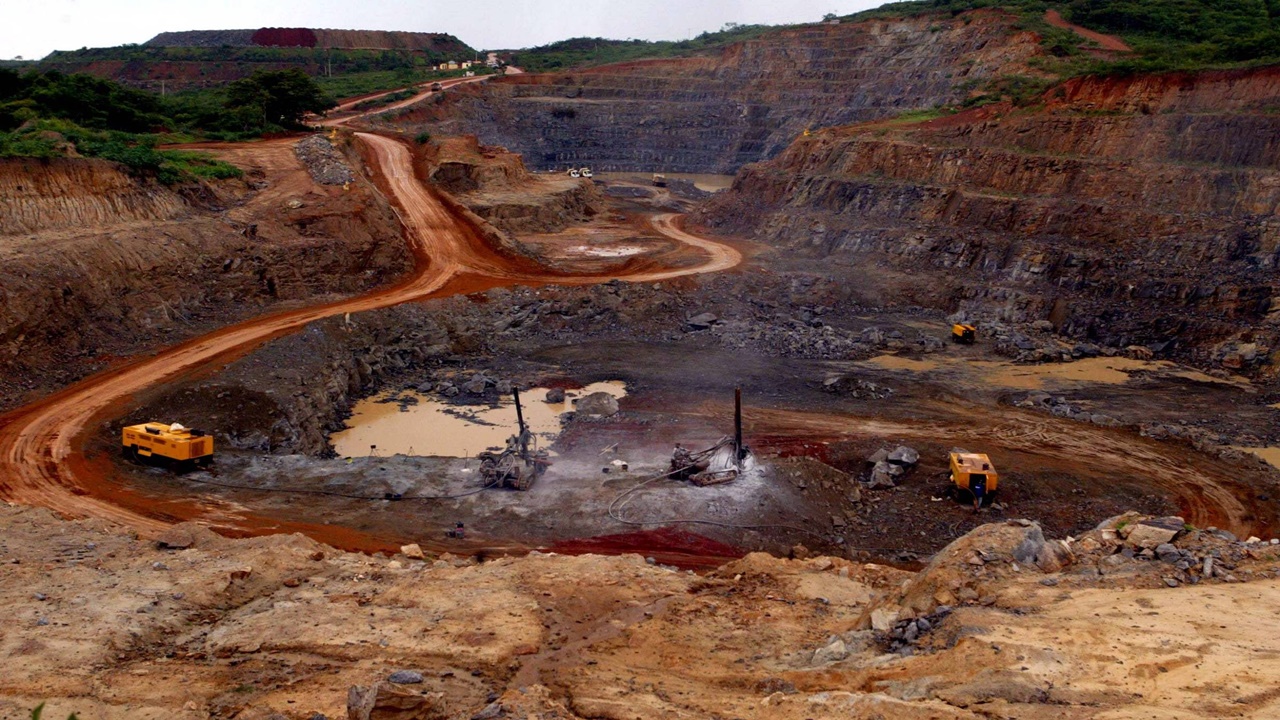
Resumption of Uranium Production in Bahia Will Generate 2400 Jobs in the Region, with 600 Direct Positions and About 1,800 Indirect Ones, Says INB
About 2400 jobs will be generated with the resumption of uranium production! After five years without producing uranium concentrate, Brazil resumed production of the metal yesterday (12/01) with the inauguration of a new mine in Caetité, Bahia. The announcement was made during a ceremony at the Uranium Concentration Unit of the Brazilian Nuclear Industries (INB).
Read Also
- 10 thousand tons of nickel produced in Bahia were exported to China last Monday by the only producer of the ore in Brazil, Atlantic Nickel
- Metallurgists Called for Job Openings Today, December 2
- IMMEDIATE BOARDING: Multinational Hiring for Urgent Openings in Offshore Project in Brazil
The event was attended by the Minister of Mines and Energy, Bento Albuquerque. During the ceremony, a detonation was made, symbolizing the beginning of open-pit mining at the Engenho Mine.
At the Uranium Concentration Unit (URA), the first two activities of the nuclear fuel cycle are carried out: mining and beneficiation of the ore. The result will be Uranium Concentrate, also known as yellowcake (U3O8).
-
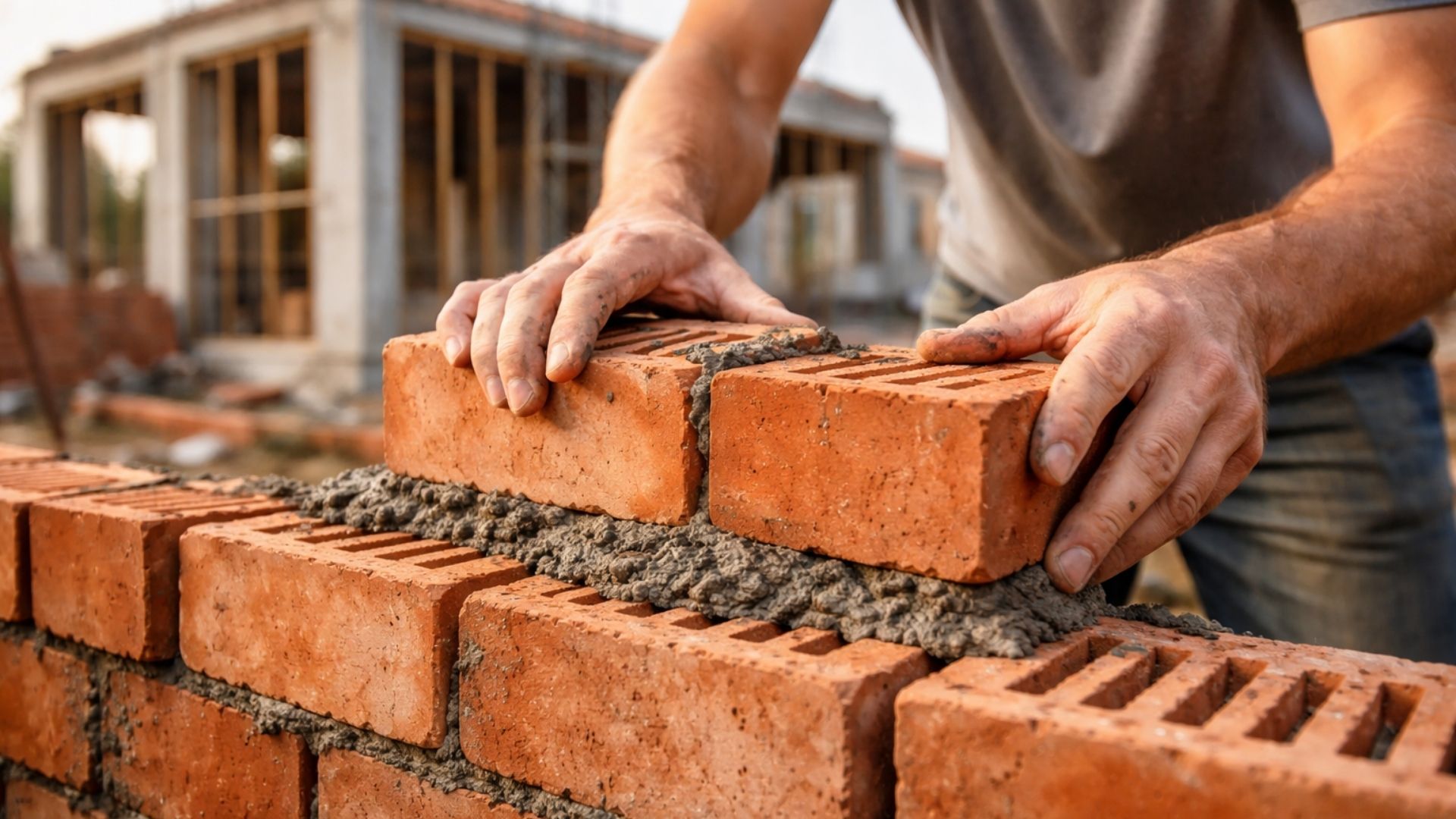
‘Interlocking brick’ made of earth arrives in the construction industry with cost reductions of up to 40% on the project.
-
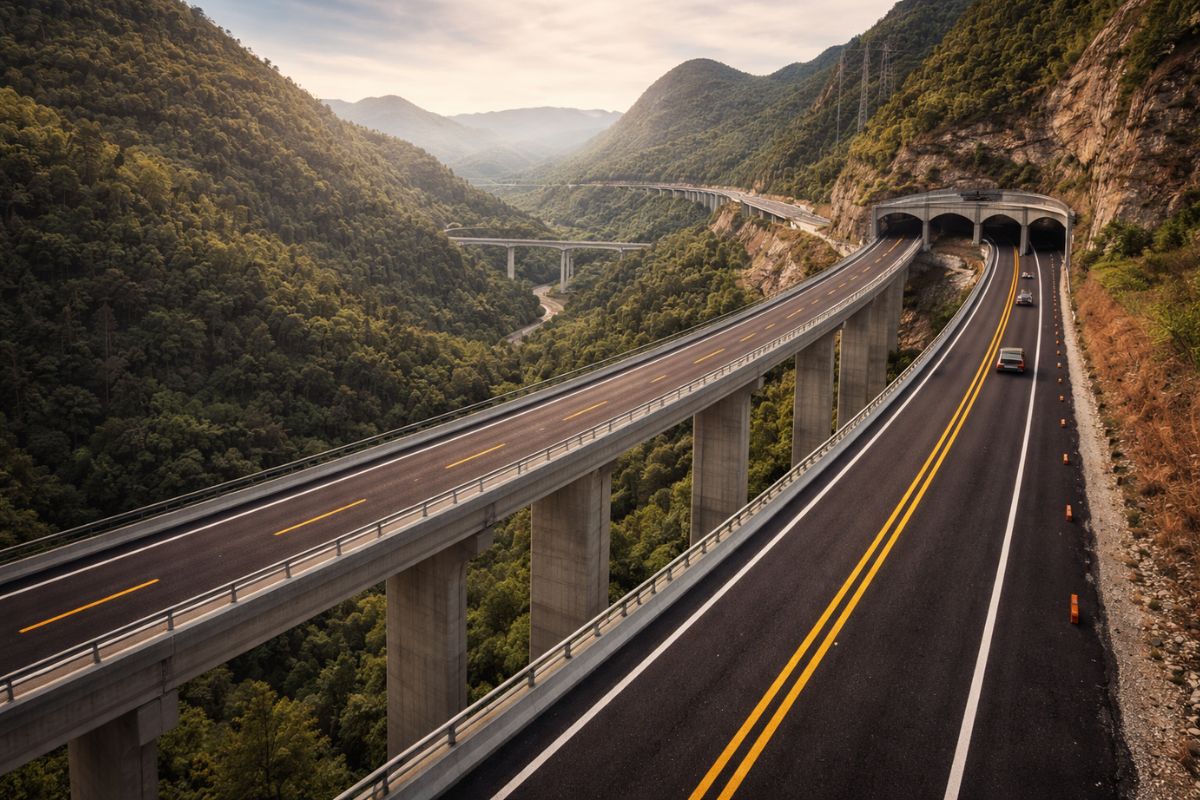
Espírito Santo will receive the largest engineering project in its history with the duplication of BR 262, which will have 50 viaducts, 28 bridges, and 2-kilometer tunnels cutting through the most challenging mountainous region of the entire state.
-
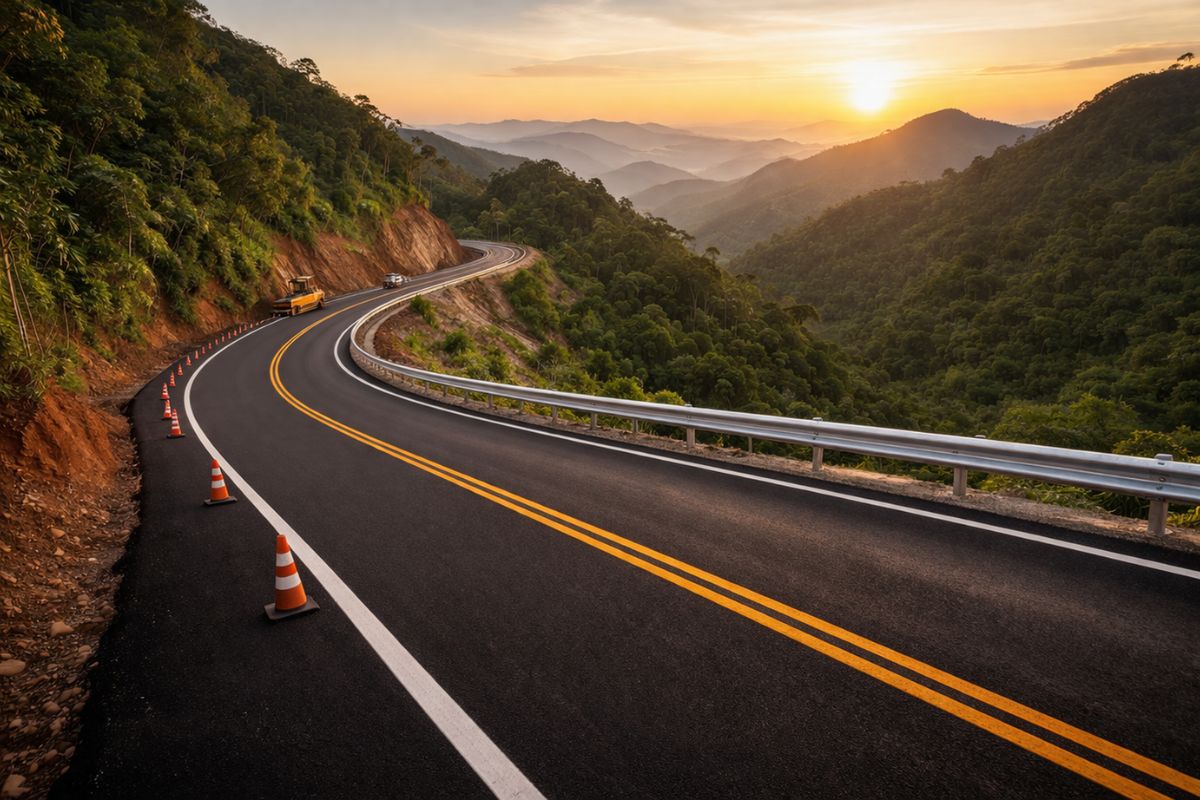
A project of nearly 9 million reais already has the first kilometer paved in Santa Catarina and promises to completely transform the access between Jaraguá do Sul and Rio dos Cedros in an area where tourism is growing at a rapid pace.
-
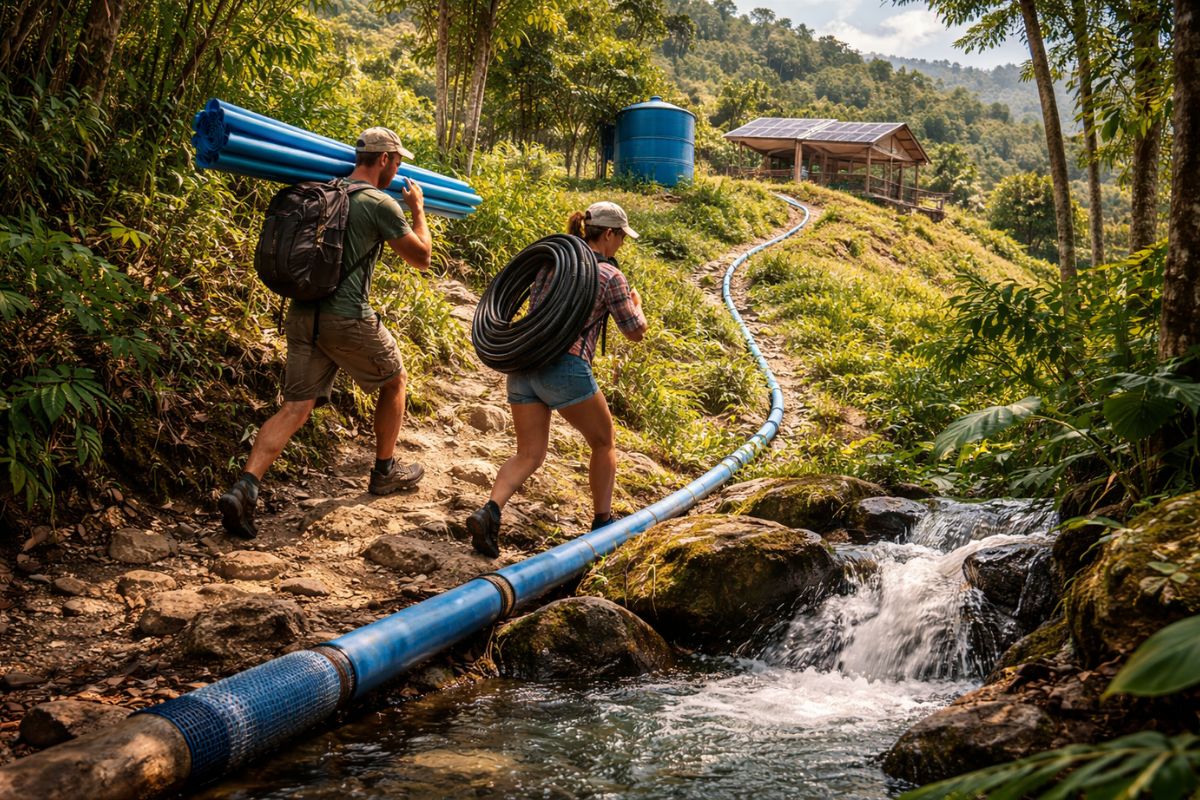
A couple builds a system to bring water from the spring to their land, climbs a hill with materials on their backs, and creates a simple, cheap, and sustainable solution to ensure their own water supply.

“This is a determination of President Jair Bolsonaro. A win for INB and also for the country. It represents an important factor for job creation and resources for the southwest region of Bahia,” emphasizes Minister Bento Albuquerque.
According to the Ministry of Mines and Energy, in the first phase, the new unit has the capacity to produce 260 tons of uranium concentrate per year. However, the expectation is that by 2025 it will be producing 1,400 tons of uranium concentrate; and by 2030, 2,400 tons annually, as there are plans to bring another mine into operation in Santa Quitéria, Ceará.
According to INB’s estimates, the resumption of production will impact job creation in the region, with 600 direct positions and about 1,800 indirect ones. The company expects to inject R$ 76 million into the economy, with about R$ 30 million/year in state and municipal tax revenue.
Uranium Production in Brazil
Uranium production in the country began in 1982, with production and extraction from a mine in Poços de Caldas, Minas Gerais. It lasted 13 years, amounting to 1,200 tons, and supplied the Angra 1 Power Plant. Production was halted because the metal reserve was exhausted. It was resumed in 2000, in Caetité, Bahia. In 2015, it was again halted, also because the reserve was depleted.
Learn How Uranium is Transformed into a Fuel for Generating Energy
The metal is extracted from the ground and crushed. An acidic solution is then poured over it, which separates uranium from the ore. This process results in a liquid called uranium liquor. After being filtered and decanted, this liquid turns into a concentrate, the yellowcake, which is natural uranium in paste form. It is then packaged and sent for the next stage: conversion, which transforms this concentrate into uranium hexafluoride gas.
In order to generate electricity, uranium must be enriched, that is, concentrated. This is done in several cascades of gas centrifuges installed at INB’s uranium enrichment facility in Rezende, Rio de Janeiro. Inside these devices, uranium hexafluoride gas spins at an extremely high speed, separating the lighter atoms from the heavier ones. This raises the concentration of natural uranium from 0.7% to up to 3.65%. It is this enrichment that allows the uranium atom to release heat and generate energy.





Seja o primeiro a reagir!