





 Portuguese
  English
  Spanish
  5 min of reading
  0 comments


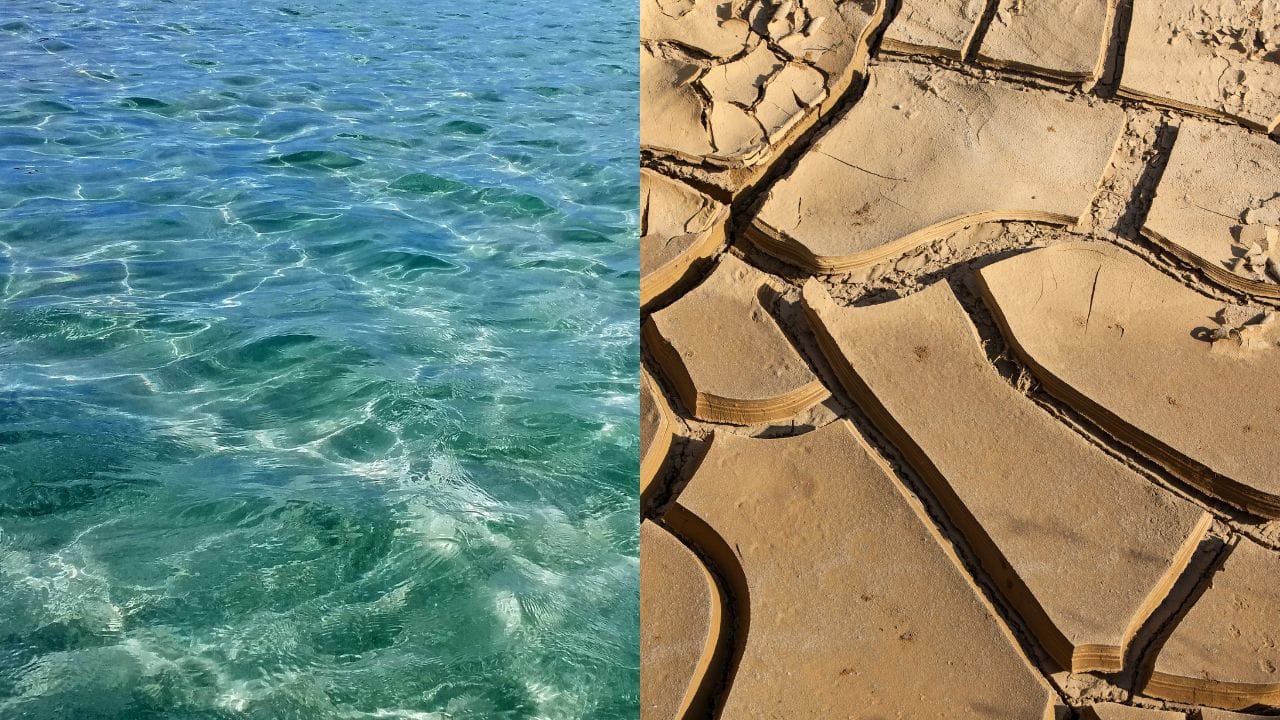
In An Unprecedented Initiative, Brazil Launches the Creation of the World’s Largest Transposition, Using the Iconic São Francisco River to Revitalize the Northeastern Semiarid Threatened by Desertification.
In the heart of Brazil, a country known for its diversity and natural wealth, an ambitious project emerges with the potential to transform the desertification landscape threatening vast areas of northeastern Brazil. The world’s largest transposition is taking shape, with the São Francisco River as the protagonist in a journey to revitalize and sustain life in semiarid regions, facing one of the greatest environmental and social challenges of the nation.
The desertification of the Brazilian Northeast, an alarming reality, threatens about 12.85% of the Brazilian semiarid region, turning once-fertile lands into inhospitable desert areas. With approximately 126,000 km² on the brink of complete desertification, the situation demands an immediate and effective response to preserve the ecosystem, the economy, and the lives of local communities.
The Role of the São Francisco River in the World’s Largest Transposition
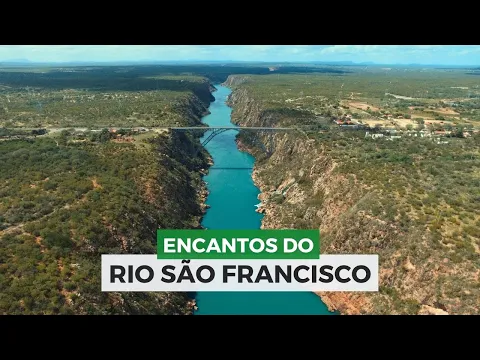

The São Francisco River, one of the largest river basins in Brazil and the fifth largest river in the country, emerges as the backbone of this unprecedented project. Beginning in Minas Gerais and flowing approximately 2,800 km to its mouth between Sergipe and Alagoas, the “Old Chico” has a water storage capacity nearly three times greater than that of the Three Gorges Dam in China, the world’s largest hydroelectric plant.
-
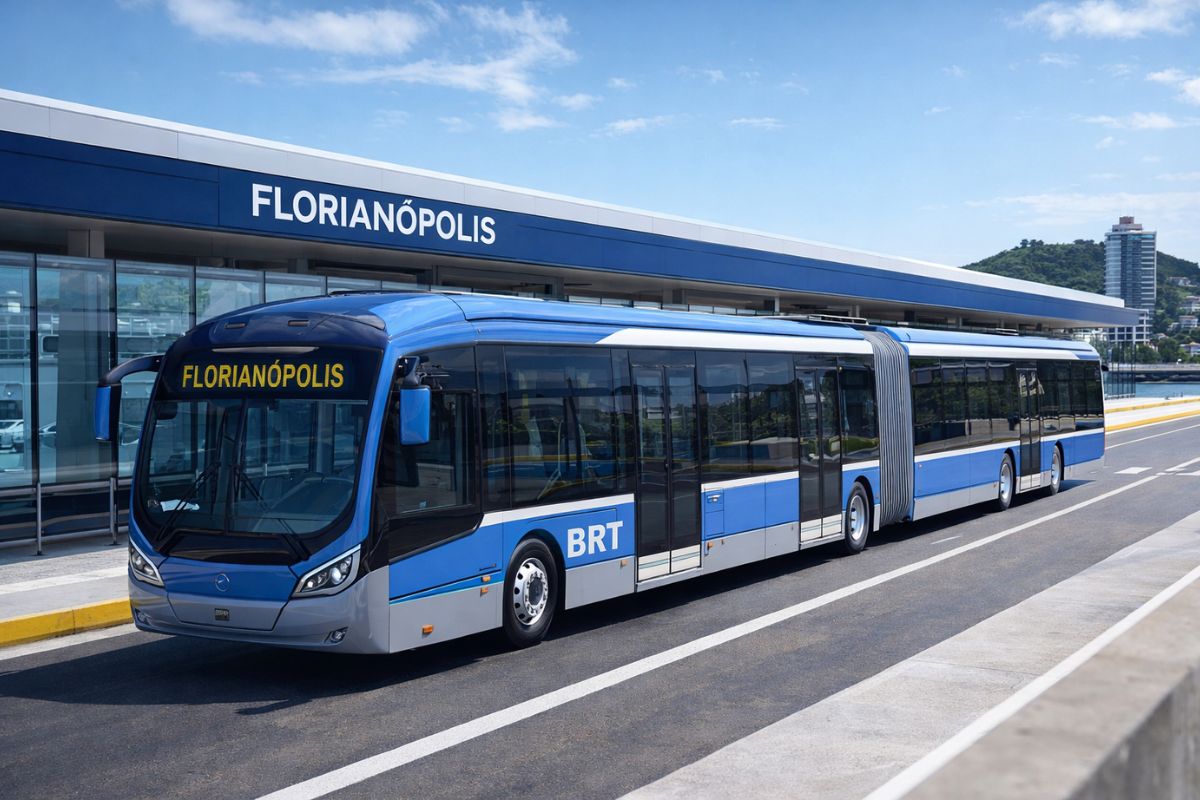
Florianópolis will receive a million-dollar BRT that will begin construction in 2026 with nearly 400 million in funding from the federal government and the Inter-American Development Bank, and the map already shows the routes for the exclusive bus corridors.
-
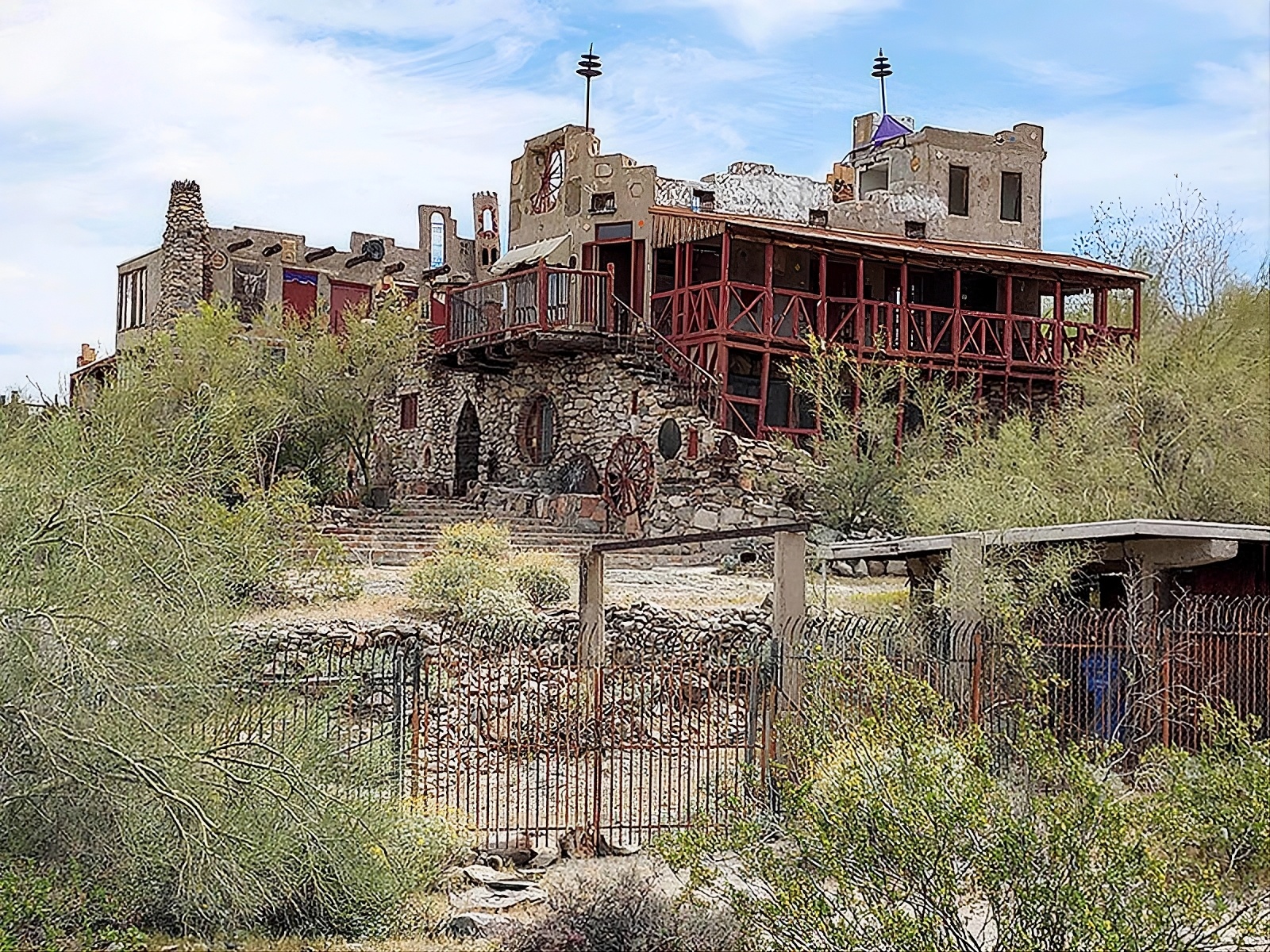
Without a blueprint, without an engineer, and using scrap from the dump, a father spends 15 years building an 18-room castle for his daughter, featuring tram tracks, 13 fireplaces, and over 700 m², which may now be demolished.
-
A megaproject worth R$ 89 billion is advancing in Iraq and promises to change the game in global trade by creating a new corridor between Asia and Europe, reducing traditional routes and repositioning the country as a logistics powerhouse.
-
Goodbye bedside table: floating shelves become a trend in 2026 by freeing up space in the bedroom, improving circulation, bringing visual lightness, and integrating technology without taking up floor space.


The Implementation of the Project
With an investment of R$ 251 million in supply systems, the project is organized around two main axes: the north, with 260 km, and the east, with 217 km. These axes direct water from the São Francisco to critical areas, directly combating desertification and promoting the revitalization of the semiarid region. The project will not only increase soil moisture, making it more conducive to vegetation but also facilitate agriculture and livestock, economic pillars of the region.
The transposition of the São Francisco River represents more than an infrastructure project; it is a strategic intervention aimed at balancing environmental demands with the social and economic needs of the Brazilian Northeast. It is expected that the project will directly benefit up to 12 million people, providing water for consumption, irrigation, and sustaining life in areas previously on the brink of desertification.
Lessons from the Past and Future Outlook
The Brazilian transposition project draws inspiration from historical examples of how rivers can transform arid regions into oases of biodiversity and human activity, as demonstrated by the Nile River in Africa. Flowing through desert terrain, the Nile supports a strip of fertile vegetation along its course, a phenomenon that Brazil seeks to replicate in the northeastern semiarid.
With the world’s largest transposition, Brazil not only faces the imminent threat of desertification but also opens a new chapter in the management of its water resources, demonstrating to the world that it is possible to harmonize human development with environmental preservation. This bold project is a testament to the country’s commitment to sustainability and innovation, bringing hope to regions threatened by the advance of the desert and establishing a milestone in the history of water resource management.
The Saga of the “Old Chico”: From Discovery to Transposition, the History of the São Francisco River
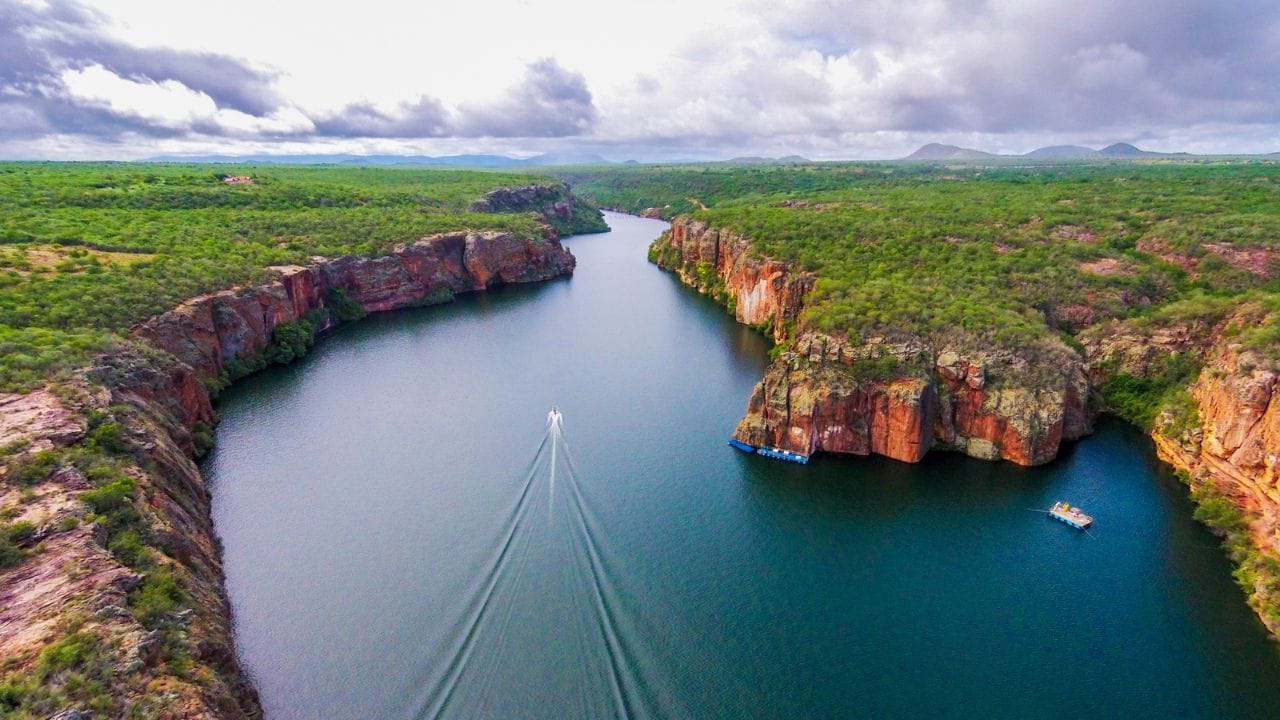
The São Francisco River, affectionately nicknamed “Old Chico,” is more than just a river; it is a vital artery running through the heart of Brazil, shaping the landscape, economy, and lives of millions. With a course of approximately 2,863 kilometers, it winds through five states — Minas Gerais, Bahia, Pernambuco, Sergipe, and Alagoas — until it majestically flows into the Atlantic Ocean. Its vast basin, covering about 641,000 square kilometers, stands out as the largest entirely national basin, crossing crucial biomes such as the Cerrado, the Caatinga, and the Atlantic Forest.
From its perennial origins to its mouth at the Atlantic, “Old Chico” has been a pillar of support for the semiarid region of Brazil, playing crucial roles in irrigation, energy generation, and navigation. Over the centuries, this legendary river has not only facilitated the settlement of the northeastern hinterlands but also enabled significant agricultural projects, especially in fruit production, solidifying itself as an axis of life and prosperity.
The São Francisco basin is meticulously divided into four physiographic regions — Upper, Middle, Submiddle, and Lower São Francisco — each with its unique characteristics that influence everything from climate to human activities. This historical river, discovered by Europeans in 1501 by the expedition of Amerigo Vespucci, was named in honor of Saint Francis of Assisi, a clear demonstration of the importance immediately attributed to it.
Challenges and Controversies
Despite its grandeur, the São Francisco faces severe environmental challenges, such as deforestation, pollution, and the consequences of dam construction along its course, which have significant impacts on its ecosystem. However, one of the most ambitious projects associated with the river is its transposition, an initiative aimed at mitigating the effects of chronic droughts in the Northeast by carrying its waters to needy regions. This project, although controversial, is a testament to the ongoing efforts to preserve the vital role of “Old Chico” as a source of life and prosperity.
The São Francisco River transcends its geographic function, emerging as a symbol of resistance, sustainability, and national unity. It serves as a constant reminder of the interconnection between nature and humanity, and of the shared responsibility to protect this heritage for future generations. As Brazil moves forward with the implementation of the world’s largest transposition, “Old Chico” continues to be a source of inspiration, challenge, and, above all, hope for a more prosperous and sustainable future.









Seja o primeiro a reagir!