Portuguese
  Spanish


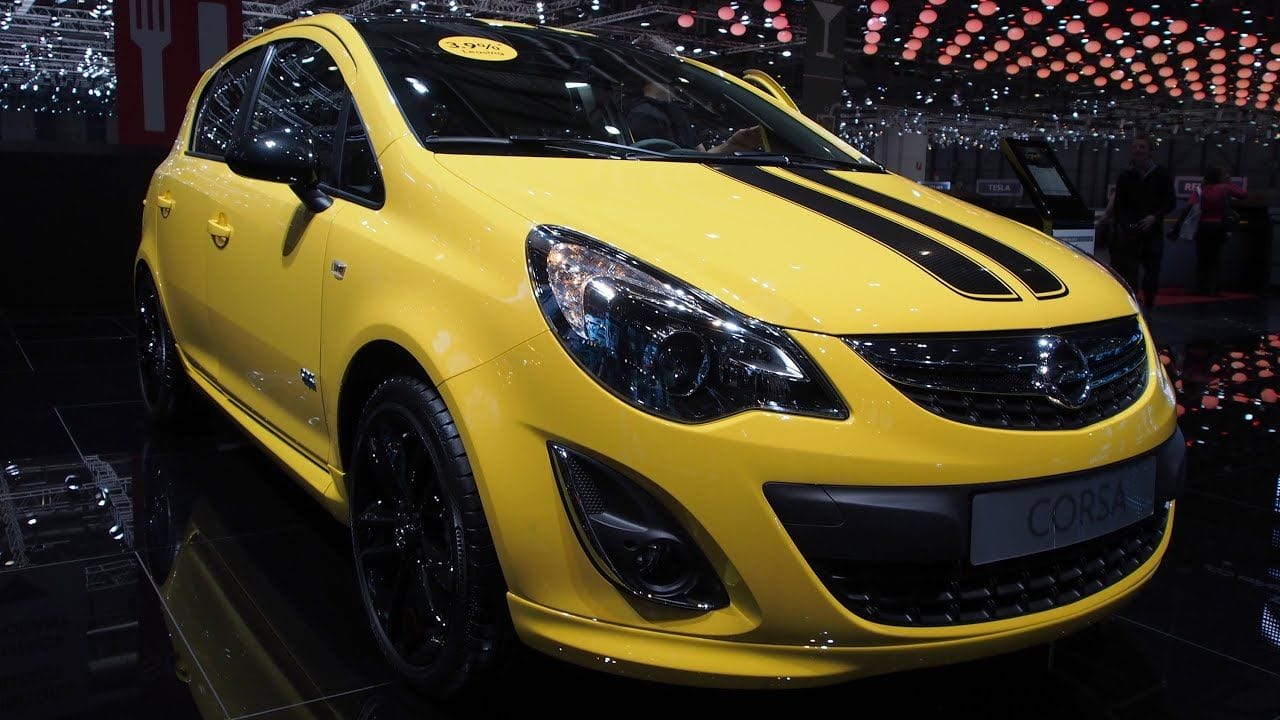

Discover the Corsa D, the generation of the iconic compact that made its mark in Europe but never set foot on Brazilian soil, remaining an unfulfilled desire for Chevrolet fans in the country.
Although the Chevrolet Corsa was one of the most loved and popular models in Brazil, culminating in the C generation, many do not know that its journey continued in Europe with the introduction of the Corsa D. Launched by Opel, Chevrolet’s sister brand in Europe, the Corsa D represented a significant leap in design, technology, and performance, further solidifying its legacy on the European continent.
The Corsa D distanced itself from its predecessors with a completely renewed design, adopting more modern lines and a robust electric crossover stance. The model, which hit the European market in 2011, stood out for its Pure Vision LED headlights and an interior filled with technological innovations, including a digital cockpit and a 12-inch central screen with an advanced infotainment system.
Engine of the European Corsa D


In addition to its design, the Corsa D marked the line’s transition to electrification. With electric engine options offering up to 220 horsepower and an impressive range of up to 620 km per charge, the Corsa D positioned itself as an attractive option for those seeking a compact vehicle but not wanting to compromise on performance and sustainability.
-
Hilux’s little sister: Toyota relaunches the Land Cruiser 70 in the 2027 lineup with over 40 years of production, a 2.8 turbo diesel engine with 201 hp and 51 kgfm, a six-speed automatic transmission, and a renewed retro look.

-
Automatic, economical, and known for reliability: with a 1.5 engine of up to 110 hp, CVT transmission, seven airbags, and fuel consumption of up to 15.9 km/l, this used hatchback appears as a rational alternative to Polo, HB20, and Onix; meet the Toyota Yaris XLS 2020.
-
He surpassed the Tera, Creta, and Tracker: With a TSI engine of up to 150 hp, 6-speed automatic transmission, and a 373-liter trunk, the Volkswagen T-Cross was the best-selling SUV in June, with 11,753 registrations.

-
It looks factory-made, but it came out of a workshop: a mechanic from Pernambuco builds a handcrafted “mini Toyota,” drives it through the streets, and the video goes viral on social media, leaving residents astonished.



Despite its success in Europe, the Corsa D never made its debut in Brazil. Chevrolet chose to end the Corsa line in the country with the C generation, leaving Brazilian fans with only memories of previous models and curiosity about what it would be like to drive the more modern and electrified version of the compact.
Legacy of the Corsa
The Corsa D not only continued the legacy of innovation and quality associated with the Corsa name but also set new standards for compact vehicles in Europe. With features such as ample interior space, unmatched practicality, and a focus on energy efficiency, the model established itself as a reference in its segment.
Although the Corsa D remains a part of the history of Chevrolet that never crossed the ocean towards Brazil, its success in Europe serves as a reminder of the potential and versatility that the Corsa line has always offered. For Brazilian fans, there remains hope that future innovations from Chevrolet might eventually bring a bit of the spirit and technology of the Corsa D to the national market.
As the Corsa D continues to be a European relic beyond the reach of Brazilians, its story encourages an appreciation for automotive advancements and an optimistic expectation for what is to come. Who knows what the future holds for Chevrolet fans in Brazil, bringing back not only the legacy of the Corsa but also the innovation that the Corsa D represented in Europe.
Success of the Chevrolet Corsa in Brazil
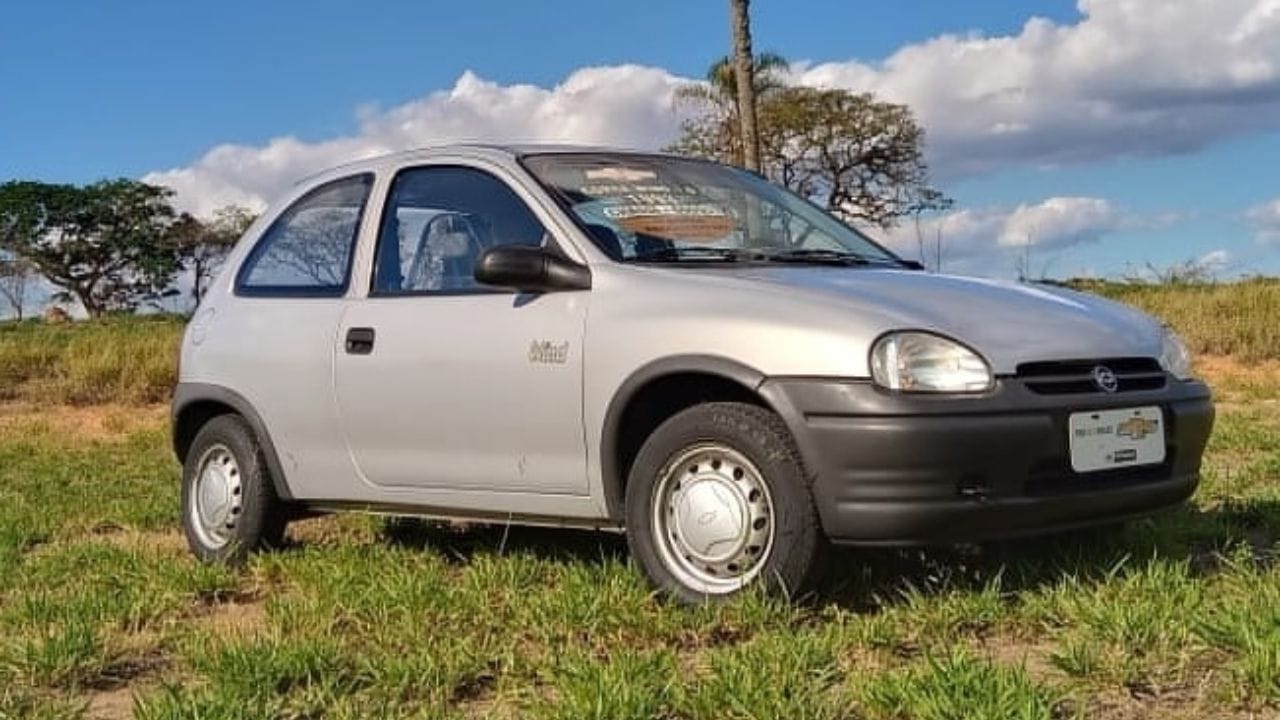
The Chevrolet Corsa, since its launch in Brazil in 1994, emerged as a sales phenomenon, redefining the compact market with its innovation and design. Replacing the Chevrolet Chevette, the Corsa brought with it an era of modernity and efficiency, immediately captivating the hearts of Brazilians.
In its second year of production, the Corsa not only led the market in its segment but also introduced the country to electronic fuel injection technology in popular cars, a novelty that raised the standard for performance and economy.
The diversification of the Corsa line, with the launch of variants such as the station wagon, the pickup, and the sedan (later known as Chevrolet Classic), further contributed to the model’s popularity. The introduction of flex fuel engines and the option for automatic transmission in the C generation highlighted Chevrolet’s commitment to adapting to the needs and expectations of Brazilian consumers.
C Generation of the Corsa in Brazil
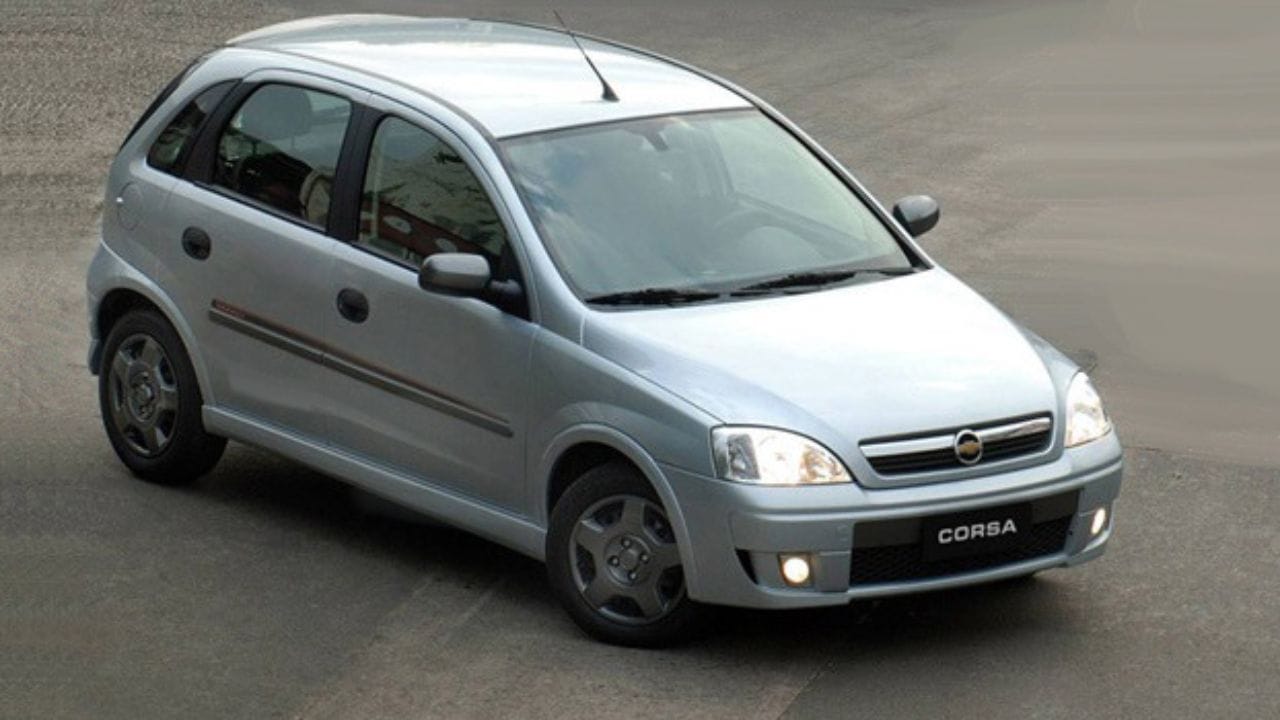
The arrival of the C generation of the Corsa in 2002, known as the “New Corsa,” marked a significant remodeling, following European model trends but with adjustments for the Brazilian market. This generation was pioneering in bringing features like a sunroof and three-point rear seat belts, in addition to more powerful and efficient engines.
Throughout its trajectory in Brazil, the Corsa consolidated itself not only as a car but as an icon of the automotive industry, with over 142,000 units sold. Despite its production being halted, the legacy of the Corsa remains alive, influencing current models and maintaining a dedicated fan base.