





 Portuguese
  English
  Spanish
  4 min of reading
  0 comments


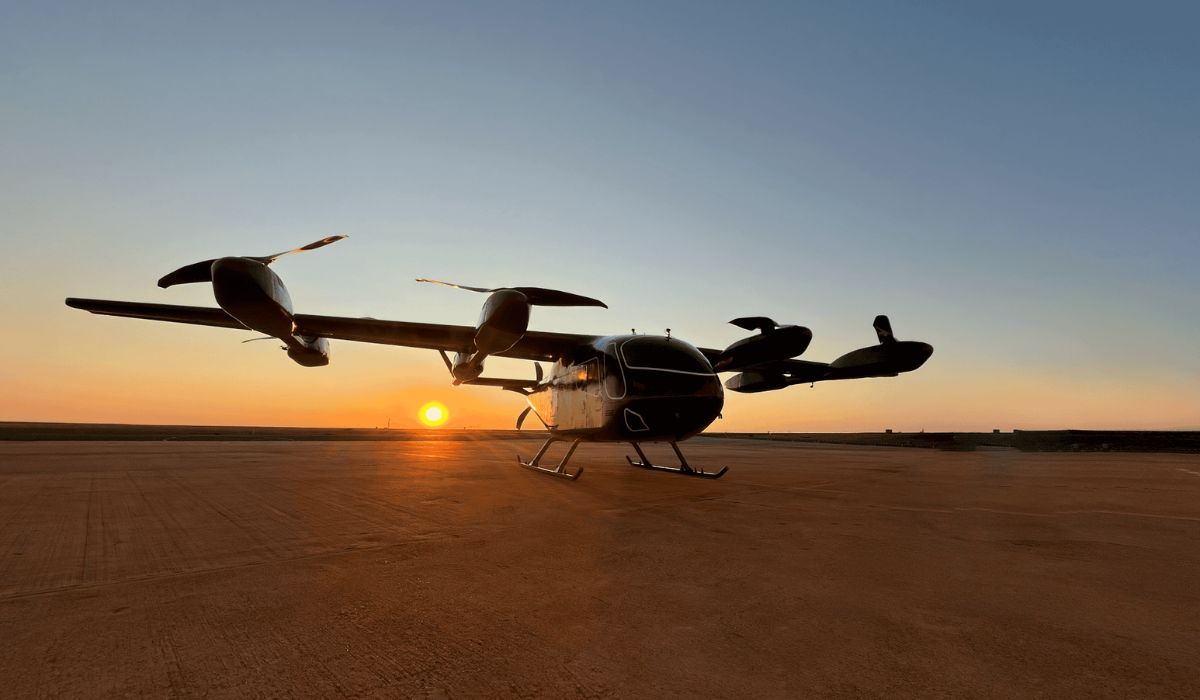
Public Consultation by Anac Opens Debate on Rules for eVTOL Pilots and Anticipates the Scenario of Urban Aerial Mobility in Brazil.
The National Civil Aviation Agency (Anac) has put forward for public consultation a proposal to create a specific license for pilots of electric vertical take-off and landing aircraft, the so-called eVTOLs.
The measure indicates that the regulatory body has initiated formal discussions on how to classify this new type of aircraft within the Brazilian licensing system.
eVTOLs are popularly referred to as “flying cars,” although, from a technical standpoint, they are aircraft.
-
A French brand placed a car on four huge red balloons to prove that its suspension made the vehicle “float,” and the surreal scene became one of the most iconic and unusual images in automotive history.

-
Jeep Avenger begins production in Brazil, debuting as the brand’s new entry-level SUV and inaugurating an unprecedented phase by becoming the first national Jeep manufactured outside of Goiana, as part of a R$ 3 billion plan.
-
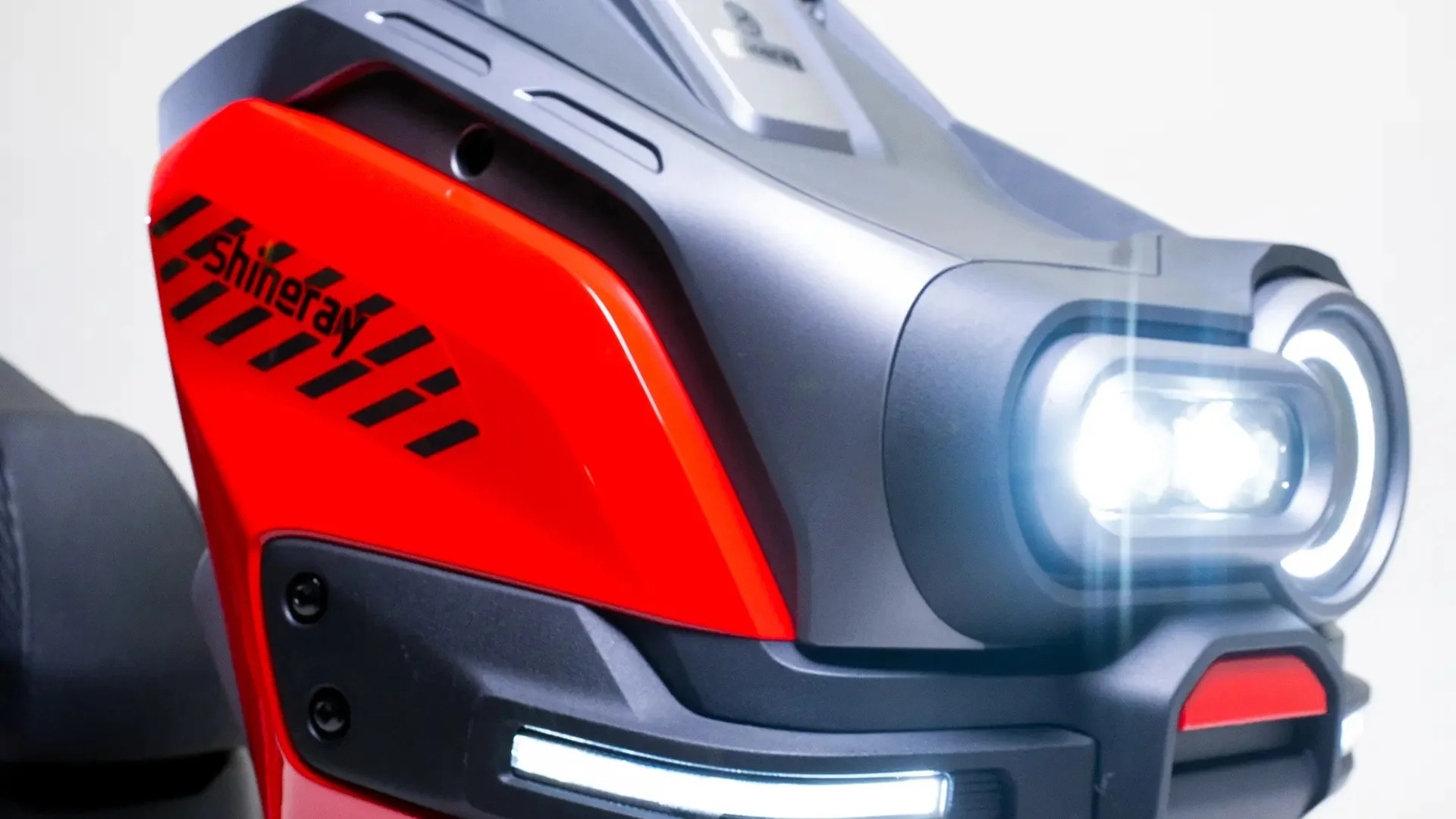
Costing R$ 12,490, the new Shineray Urban Lite 150 “cheap one” arrives in Brazil with a CVT transmission, digital dashboard, and LED lights, making it more affordable than the Biz and targeting those who want to abandon the bus.
-
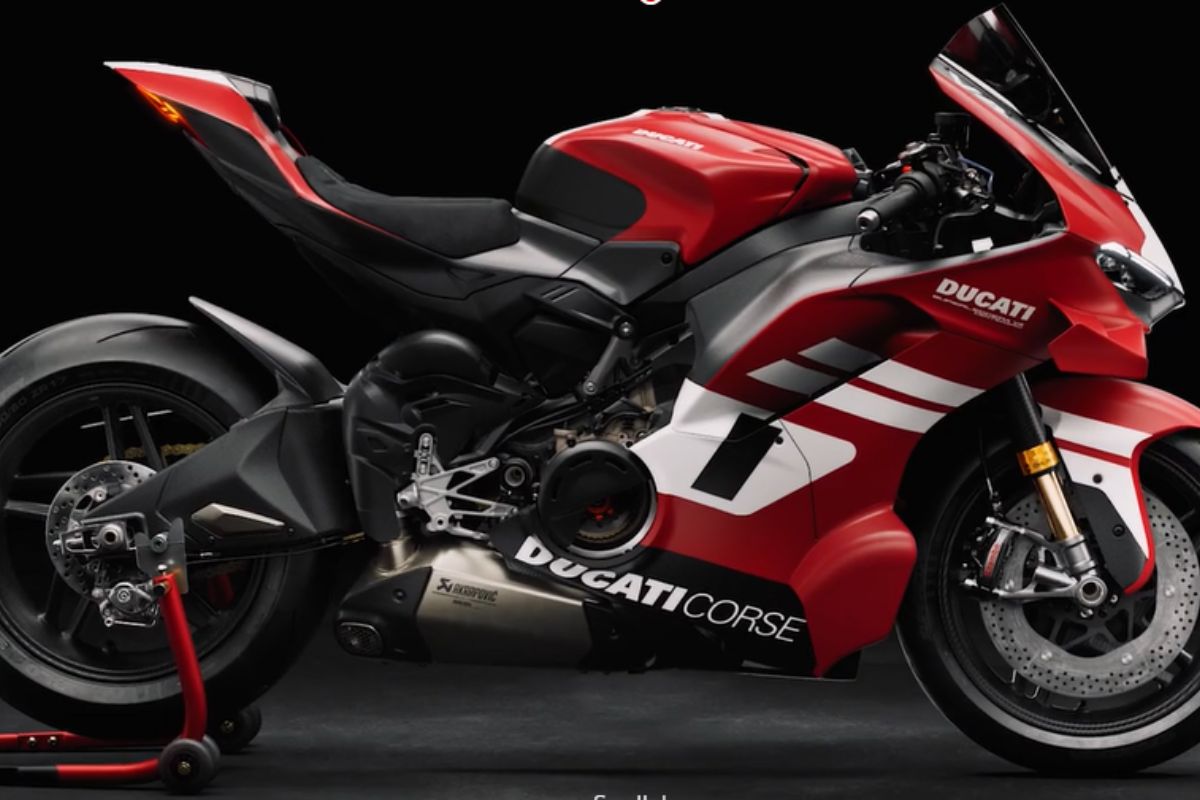
Ducati brings to Brazil the Superleggera V4 Centenario: 228 hp that become 247 with a track kit, carbon fiber and carbon-ceramic brakes, estimated price between R$ 1.5 and 2 million, deliveries only in 2027.

The abbreviation comes from the English electric vertical take-off and landing and designates electric vehicles capable of taking off and landing vertically, focusing on short-distance urban movements.
The regulatory advancement occurs while manufacturers are developing and testing prototypes.
In Brazil, Embraer is conducting projects through its subsidiary Eve Air Mobility, focused on urban aerial mobility.
At the end of 2025, the company carried out the first unmanned flight of the eVTOL under development, a stage outlined in the certification schedule.
Public Consultation by Anac on eVTOL Licensing
The proposal has not yet established definitive rules.
Anac opened Public Consultation No. 03/2026 to receive suggestions on the necessary criteria for eVTOL pilots’ operation in the country.
The deadline for contributions is until March 16, 2026.
According to the agency, the initiative aims to prepare “gradually and safely, the Brazilian licensing system for the arrival of new concepts of aircraft, popularly known as ‘flying cars’.”

The definition of requirements will occur after analyzing the contributions received.
The text under discussion mentions the creation of specific training for aircraft classified as VTOL Capable Aircraft (VCA), a designation used in the European Union.
The reference indicates alignment with international standards already adopted in other markets.
So far, items such as minimum flight hours, medical requirements, or technical criteria for obtaining the license have not been detailed.
A transitional model is also under evaluation that would allow pilots already licensed for airplanes or helicopters to operate eVTOLs with additional training.
According to Anac, this transition could integrate the current system’s adaptation process to the new aircraft.
The agency did not state whether there will be, in the future, specific initial training for candidates without prior experience in traditional aviation.
eVTOL Certification Advances with Flight Tests
While the regulation for licensing is debated, manufacturers are advancing in technical certification.
Eve reported that it will produce six certifiable prototypes to conduct the flight testing campaign, a necessary step to validate performance and safety.
The process is being conducted in cooperation with Anac, which acts as the primary authority in the certification of the company’s eVTOL.


In this condition, the Brazilian agency leads the technical analysis of the project and coordinates any interactions with other aviation authorities.
Certification is a mandatory requirement before the commencement of any commercial operation.
It involves the evaluation of electrical systems, structures, flight controls, and emergency procedures, among other aspects outlined in aviation regulations.
In addition to certification, the operation of eVTOLs will depend on complementary regulations, such as integration into airspace and the definition of suitable landing and take-off locations.
However, these points are not the subject of the current public consultation, which exclusively addresses pilot licensing.
When Flying Cars Can Start Operating in Brazil
There is no official date for the start of commercial operations in Brazil.
Eve is aiming to begin activities in 2027 and scale up starting in 2029, according to the schedule released by the company.
These projections are contingent upon the completion of certification and meeting regulatory requirements.
Any technical adjustments or changes in regulations may impact the timeline.
On the international scene, different manufacturers are also developing eVTOL projects, prompting aviation authorities to review regulatory milestones.

The opening of the public consultation by Anac occurs within this context of regulatory adaptation.
The discussion about specific licensing represents a preliminary step within a broader process of incorporating new technologies into civil aviation.
Even as testing progresses, entry into operation depends on the consolidation of technical and operational rules.
With the public consultation underway and flight tests scheduled by manufacturers, the regulatory debate is becoming part of the agenda of Brazilian aviation.









-

-

-

6 pessoas reagiram a isso.