





 Portuguese
  English
  Spanish
  3 min of reading
  3 comments




With The New Billion-Dollar Investment, Brazil Solidifies Its Position As One Of The Major Global Players In Renewable Fuel Production!
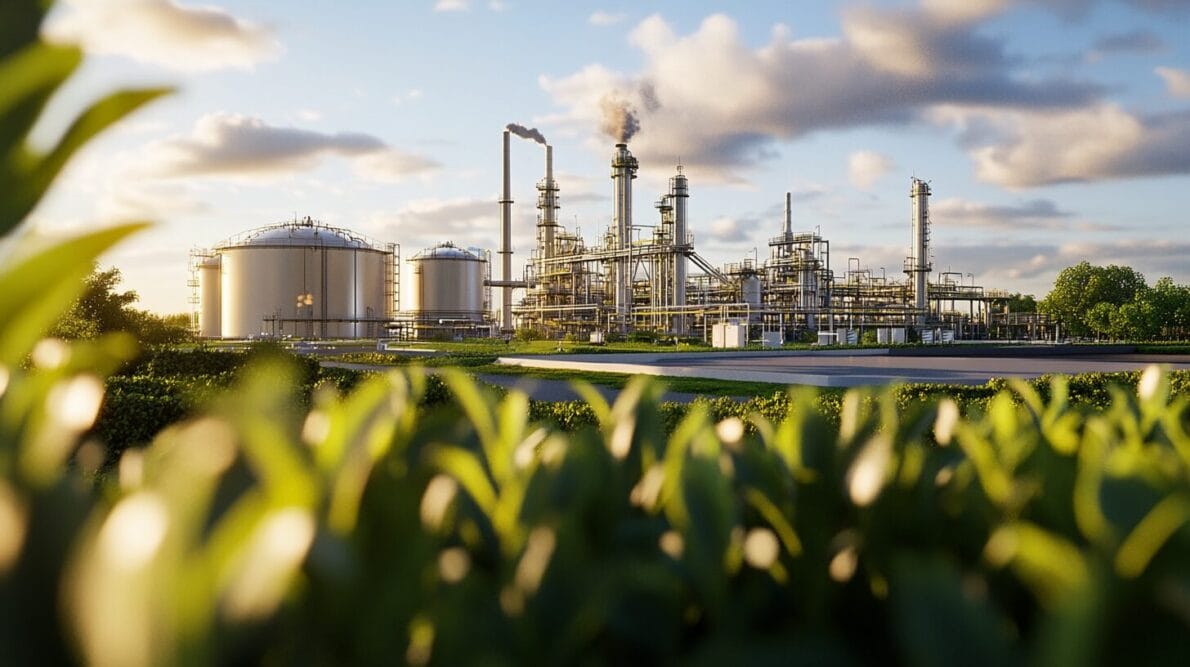
The Potencial Group announced a robust investment of R$ 600 million to expand its biodiesel plant in Lapa, Paraná. The move aims to make the site the largest biodiesel production complex from soybean oil in the world. The announcement, made during the sanctioning of the Future Fuel Law, reinforces Brazil’s commitment to the energy transition and the development of green technologies. With this expansion, the annual production capacity of the factory will jump to an impressive 1.62 billion liters of fuel, according to Moneytimes.
Ambitious And Impactful Energy Transition Project
The advancement in the biodiesel sector is not just a business strategy but also a direct response to the demand for more sustainable solutions. During the event in Brasília, where the investment was announced, it became clear that the energy transition “is here to stay.” Carlos Eduardo Hammerschmidt, vice president of the Potencial Group, emphasized the importance of legal security and stability to ensure the necessary investments in the sector. The new Future Fuel Law has brought a breakthrough for companies, which now have a more predictable environment to plan for the future and expand their businesses in the renewable fuel market.
Construction Has Already Started, With Completion Expected By 2026
The expansion of the biodiesel factory is already underway. According to the schedule of the Potencial Group, the works are expected to be completed by 2026, which will consolidate the complex as a global reference in the sector. In addition, the company is also investing in the construction of a new soybean crusher, which is part of the strategy to ensure self-sufficiency in soybean oil. With this new structure, the group estimates it will produce 25 million liters of oil per month and also acquire 50 million additional liters to meet fuel production demand. In total, the investment in the soybean crusher amounts to R$ 2 billion.
-
A new Brazilian shopping center worth R$ 400 million will be built in an area equivalent to more than 4 football fields, featuring 90 stores, 5 cinemas, a supermarket, a college, and parking for 1,700 cars, potentially generating 3,000 jobs.

-
Larger than entire cities in Brazil: BYD is building a 4.6 km² complex in Bahia with a capacity for 600,000 vehicles per year, but the discovery of 163 workers in conditions analogous to slavery has shaken the entire project.

-
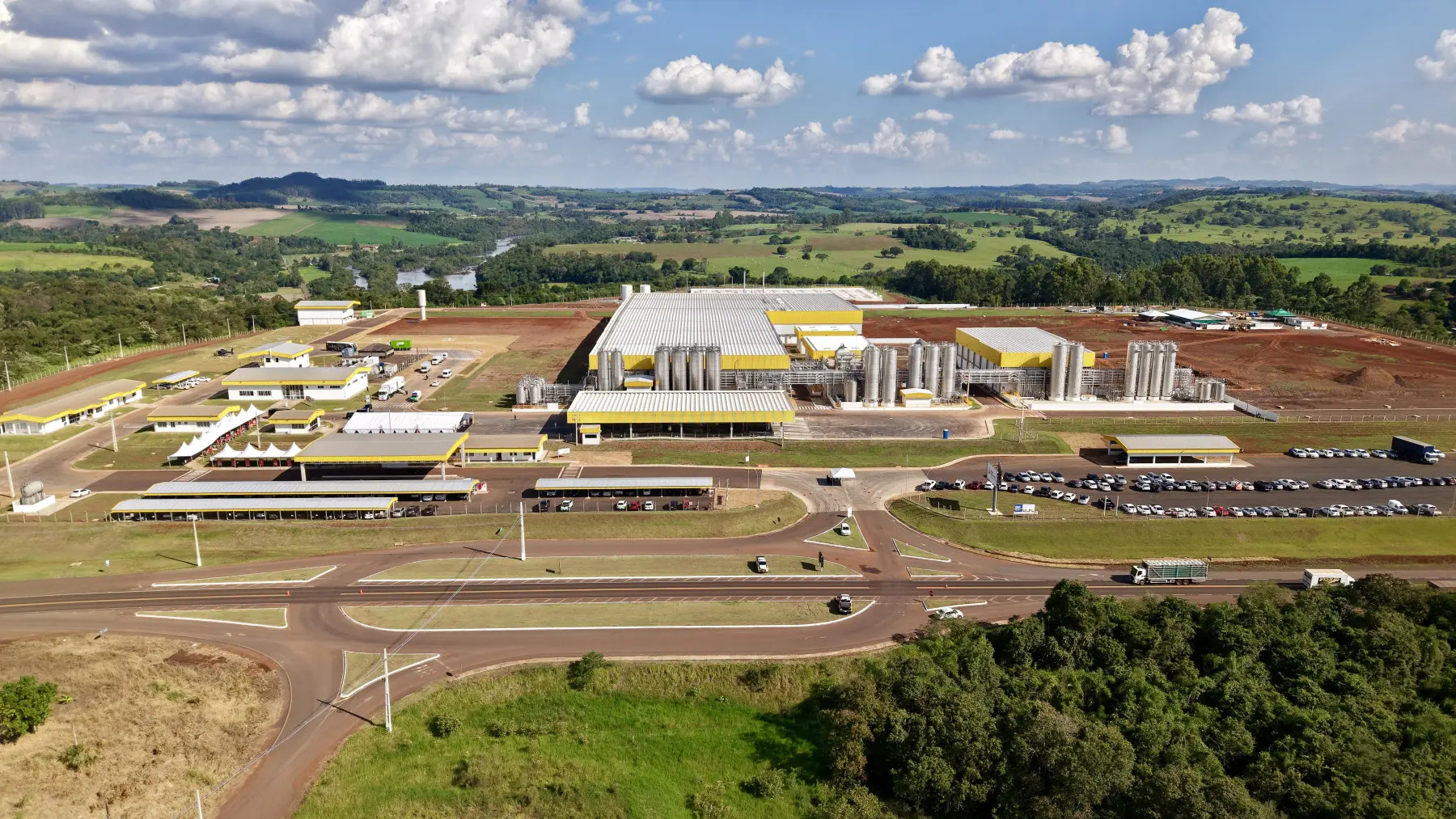
With an investment of R$ 612 million, a capacity to process 1.2 million liters of milk per day, Piracanjuba inaugurates a mega cheese factory that increases national production, reduces dependence on imports, and repositions Brazil on the global dairy map.
-
Brazilian city gains industrial hub for 85 companies that is equivalent to 55 football fields.

Significant Expansion In Biodiesel And Glycerin Production
The expansion of the Lapa plant does not only bring more biodiesel to the market, but also an increase in the production of refined glycerin, a valuable byproduct in the biofuel sector. With an addition of 720 million liters of biodiesel per year, the Potencial Group will also generate 100 thousand tons of refined glycerin annually, with an additional investment of R$ 100 million. Glycerin, widely used in pharmaceutical and cosmetic products, will have its production process improved, representing another significant advancement in the company’s portfolio.
Brazil At The Forefront Of Biofuel Production
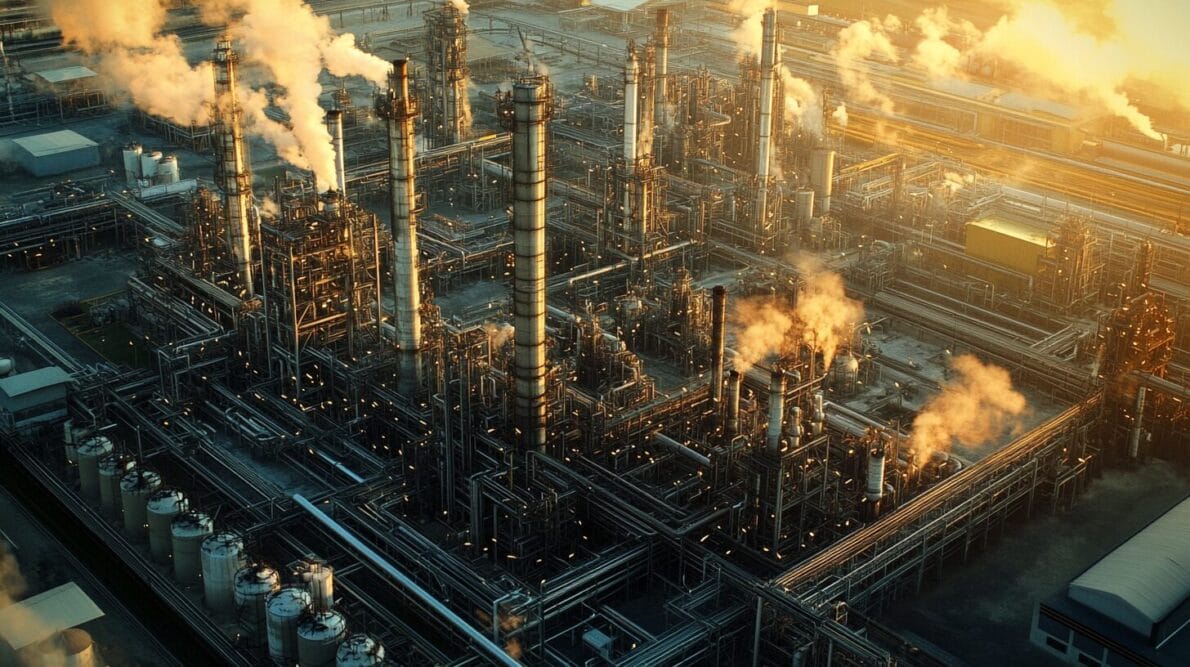
With the announcement of this investment billion, the Brazil reinforces its prominent position in the global biofuels market, especially in the use of soybean as raw material for biodiesel production. The country, which has already excelled in other renewable energy sources, such as ethanol, is now expanding its leadership in the biodiesel sector, further contributing to the reduction of carbon emissions. In summary, the new Potencial Group complex, which will be fully operational in 2026, promises not only to benefit the national economy but also to contribute to global decarbonization.






É uma notícia maravilhosa que todos os brasileiros deveria estar a par dos nossos avanços tecnológicos totalmente nosso! Parabéns aos nossos cientistas e colaboradores!!!
Fala muito em biodiesel, mas ainda não existe motores que trabalham com o biodiesel . O que existe é uma mistura de 2% no diesel que não significa nada na redução da poluição e sem falar que o valor vai aumentar porque 1 litro de óleo de soja vai produzir 60% de biodiesel e mais o custo da produção. Não seria mais viável produzir ônibus e caminhão elétrico.
Clóvis, à título de reparo , hoje temos 14 % de biodiesel no diesel.