





 Português
  Inglês
  Espanhol
  4 min de leitura
  7 comentários


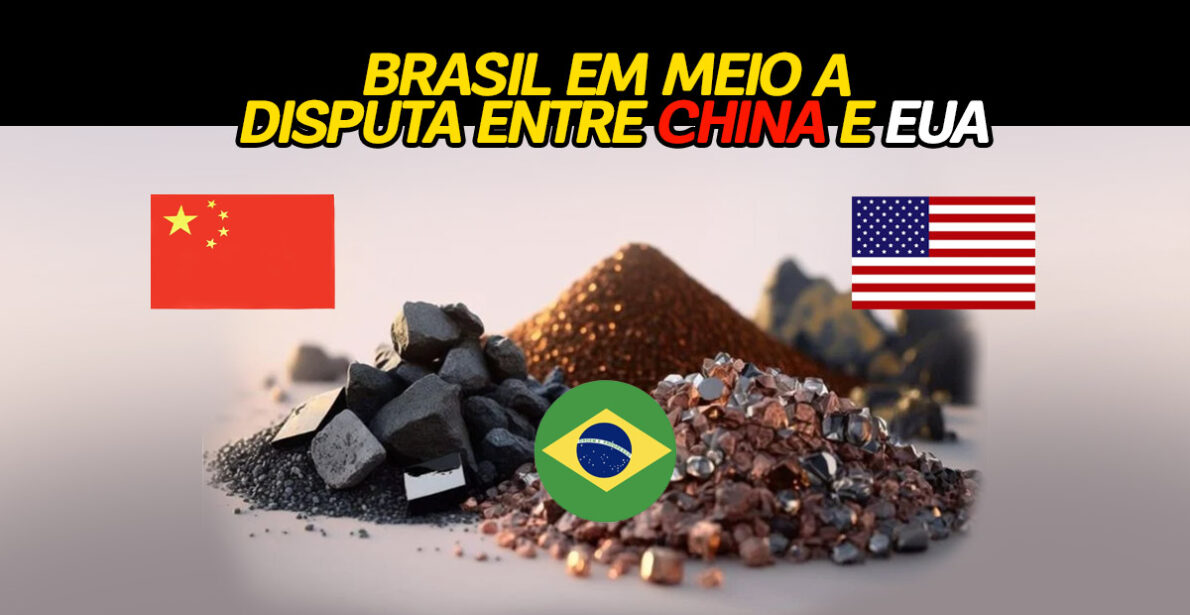

Imagine Brazil Taking on a Crucial Role in the Global Supply Chain of Critical Minerals. The U.S. Government is About to Reveal a Strategic Partnership with Brazil That Could Transform the Country into a Preferred Supplier of These Vital Resources.
However, to ensure this position, Brasília demands robust investment guarantees in the production chain and favorable conditions that are far from simple.
According to the newspaper Folha de S.Paulo, the government of the United States is preparing a significant announcement for the G20 summit, scheduled for November.
The proposal revolves around an energy transition agreement that would position Brazil as a preferred supplier of critical minerals such as graphite, lithium, manganese, rare earths, and nickel.
-
Brazilian city gains industrial hub for 85 companies that is equivalent to 55 football fields.

-
Peugeot and Citroën factory in Argentina cuts production by half and opens a layoff program for more than 2,000 employees after Brazil drastically reduced purchases of Argentine vehicles.

-
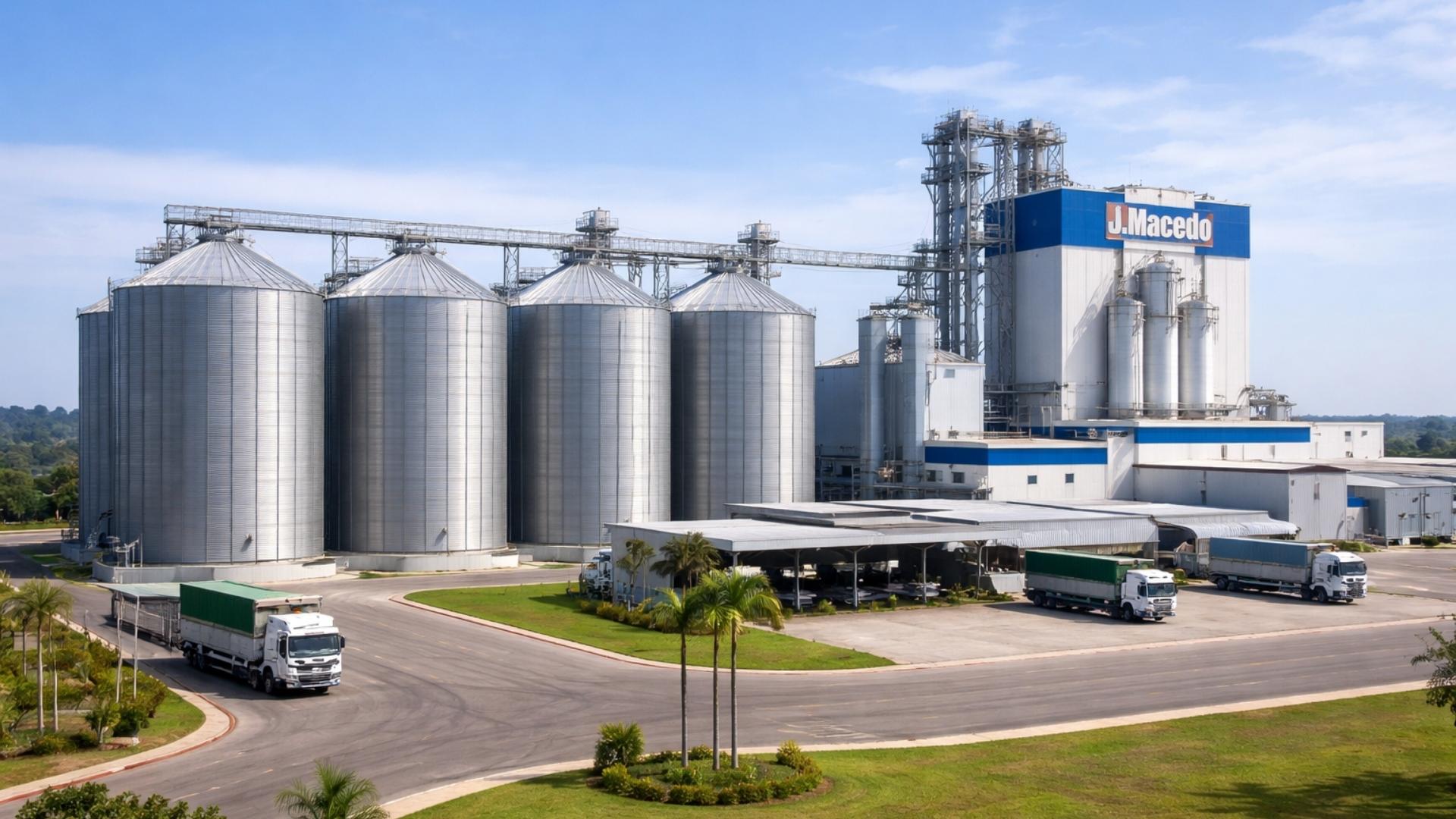
A Brazilian city gains a factory worth R$ 300 million with the capacity to process 200 thousand tons of wheat per year, a mill of 660 tons/day, silos for 42 thousand tons, and an industrial area of 276 thousand m².
-
Havan will leave the shopping mall in Blumenau to inaugurate something that the chain has never done before: a megastore in half-timbered style in the Historic Center of the city, which is expected to be completed in May and change the landscape of local retail.


These minerals are essential for the manufacturing of high-tech products and green energy, including electric vehicle batteries, screens, wind turbines, and solar panels.
The U.S., aiming to reduce its dependence on supply chains from China, sees Brazil as a strategic opportunity to diversify its sources of critical minerals. However, the Brazilian government is demanding significant guarantees to move forward with this agreement.
Investments and Guarantees are the Center of the Negotiation
Brazil is focused on ensuring that, in exchange for preferential access to its mineral resources, there is a serious commitment from the U.S. to invest in the energy transition technology production chain.
Members of the Brazilian government are skeptical about the White House’s ability to make such investments and fund concrete projects. Moreover, there is concern that, with a possible victory of Donald Trump in the presidential election, the future of energy transition projects in Brazil may be uncertain.
Seeking Additional Advantages
To advance negotiations, Brazil is interested in accessing benefits from the U.S. Inflation Reduction Act (IRA), which offers billions in subsidies and tax incentives for energy transition projects.
If the IRA subsidized a battery factory on U.S. soil, a Brazilian plant supplying inputs could take advantage of these incentives. However, currently, only countries with trade agreements with the U.S. can benefit from some of these advantages, in addition to Japan, which received specific permission.
The United Kingdom and the European Union are seeking similar authorization. U.S. authorities have admitted that congressional approval for permits for other countries is challenging, but there are other provisions in the IRA that could benefit Brazil.
Financing Alternatives and Global Partnerships
According to the cited newspaper, Washington is also exploring financing alternatives, such as the U.S. Development Finance Corporation (DFC). This bank has prioritized diversifying the supply chain of critical minerals and has already injected US$ 30 million into a nickel and cobalt mining project in Piauí.
Furthermore, the U.S. wants Brazil to join the Global Infrastructure and Investment Partnership (PGII), a response to China’s Belt and Road Initiative, aimed at financing infrastructure projects globally.
However, Brazil is considering joining the Belt and Road Initiative, with Xi Jinping’s state visit expected on November 20, shortly after the G20. The decision on this accession could influence negotiations with the U.S.
Chinese Investments and the Global Situation of Critical Minerals
The American offensive is part of the “friendshoring” strategy – transferring the supply of critical minerals to allied countries. China currently dominates 60% of global production and 90% of rare earth exports, in addition to controlling the production of graphite, refined magnesium, gallium, titanium, and tungsten.
The Democratic Republic of the Congo is responsible for 70% of cobalt production, with most operations being conducted by Chinese companies.
The United States is particularly focused on reducing its dependence on critical minerals sourced from China. In response to U.S. sanctions that limited China’s access to advanced chips, Beijing has restricted the export of rare earths and banned the sale of processing technology for these inputs since December 2023.
The Strategic Role of Brazil
Brazil plays a crucial role in global critical mineral production, holding 90% of niobium reserves and 22.5% of graphite reserves. Additionally, the country holds 16% of rare earth and nickel reserves. According to the Center for Strategic and International Studies, the U.S. needs to reduce its dependence on foreign adversaries to secure its leadership in national security and energy.
How will negotiations between the U.S. and Brazil evolve? Will Brazil be able to secure the necessary investments and a central role in the global supply chain of critical minerals? Or could China’s influence and political instability thwart American plans? Stay tuned for updates and share your opinion in the comments!








É bom o Brasil vender para os dois.A China e os Estados Unidos.
É tempo de darmos um basta na rapinagem americana sobre nossas riquezas e, tambem, por um fim nas ações, que praticam, no sentido de impedir o nosso desenvolvimento econômico e social.
Nem china nem EUA temos os **** porque deixar os outros se beneficiem. Vamos ser independentes