





 Portuguese
  English
  Spanish
  5 min of reading
  22 comments


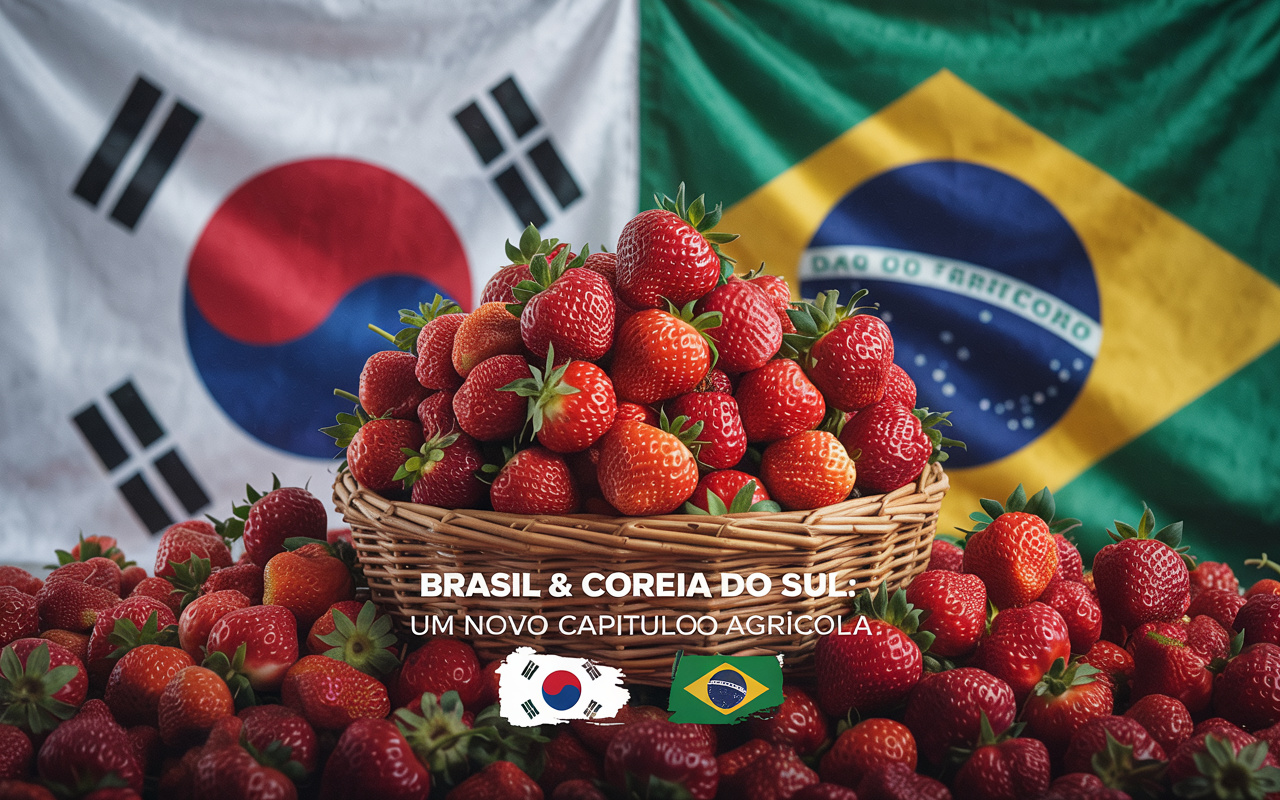


Brazil Will Be The First Country In Latin America To Import Strawberries From South Korea In 2025. Tariff Drops To 9% And Agreement Opens New Chapter In Agricultural Trade.
In March 2025, Brazil made history as the first country in Latin America to import fresh strawberries from South Korea. After nearly a decade of sanitary and commercial negotiations, the two governments reached an agreement that enables the shipment of the fruit to the Brazilian market. The news comes with a crucial detail: the import tariff was set at only 9%, a figure much lower than the 45% traditionally charged on strawberries imported from Korea.
This tariff adjustment has paved the way for a product considered premium in the Asian market to find space on Brazilian shelves. The decision is seen as a strategic move that goes far beyond the fruit itself: it symbolizes the agricultural rapprochement between two countries at opposite poles of the planet and inaugurates a new chapter for international agri-food trade.
The Significance Of The Agreement In 2025
Brazil is globally recognized as a food-exporting power, but in this case, the role is reversed: now the country positions itself as a strategic buyer of a differentiated product, with high added value and cultivated with strong technological identity.
-
The sugar-energy sector advances with agricultural technology, but agricultural productivity still raises concerns.

-
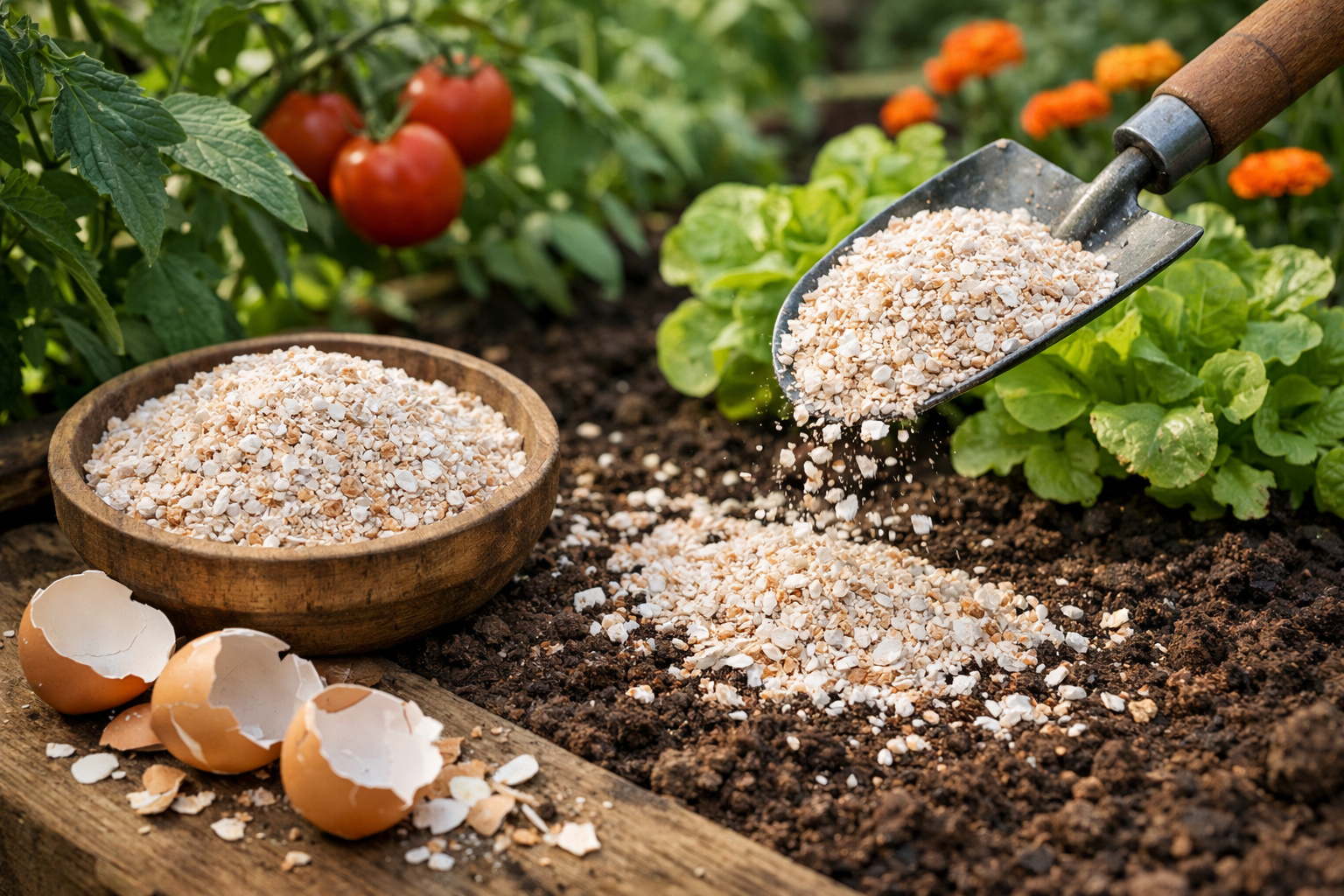
The eggshell that almost everyone throws away is made up of about 95% calcium carbonate and can help enrich the soil when crushed, slowly releasing nutrients and being reused in home gardens and vegetable patches.
-
This farm in the United States does not use sunlight, does not use soil, and produces 500 times more food per square meter than traditional agriculture: the secret lies in 42,000 LEDs, hydroponics, and a system that recycles even the heat from the lamps.

-
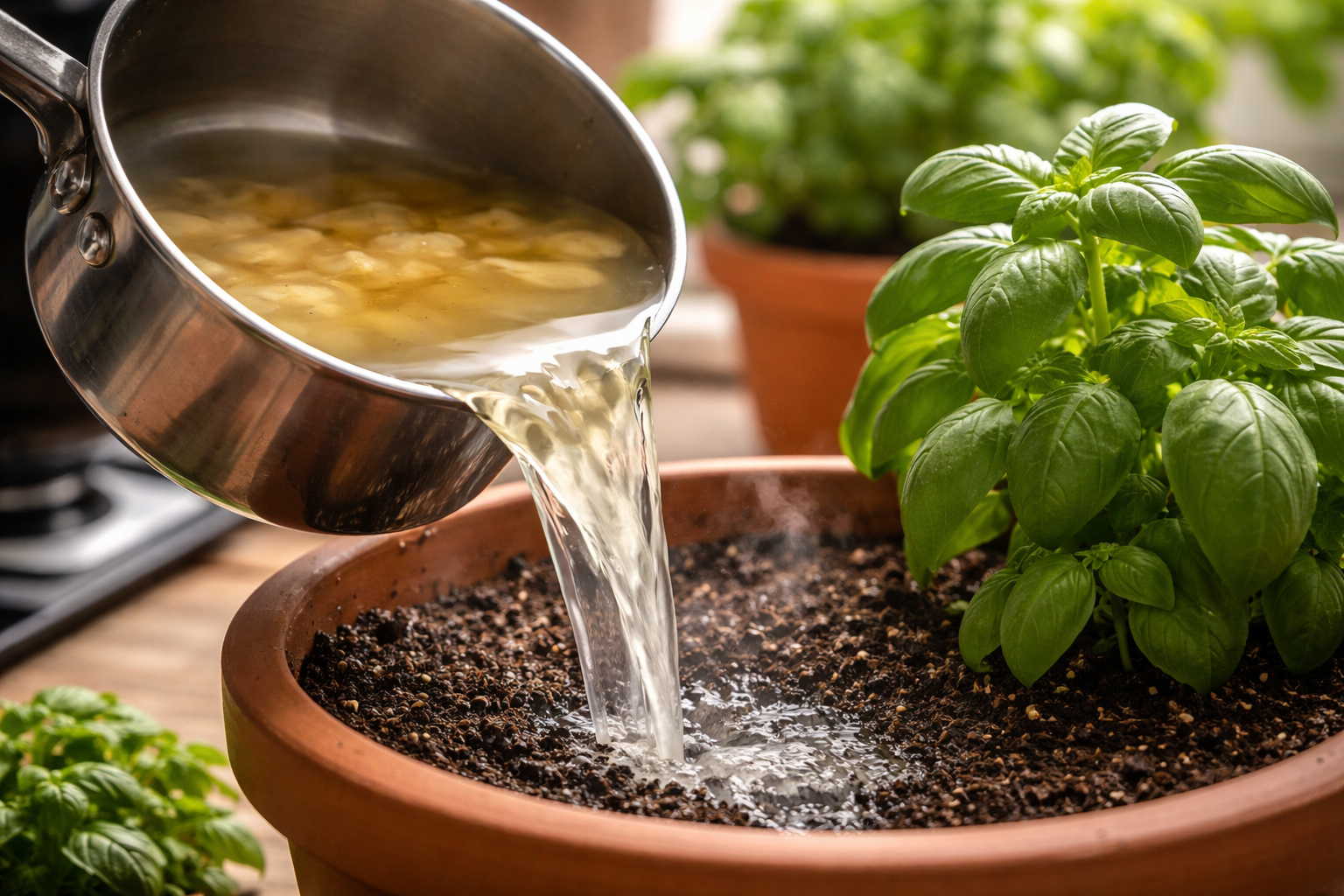
The water that almost everyone throws away after cooking potatoes carries nutrients released during the preparation and can be reused to help in the development of plants when used correctly at the base of gardens and pots, at no additional cost and without changing the routine.

South Korea is famous for producing strawberries of the highest quality, resulting from decades of investment in research, climate-controlled greenhouses, and advanced cultivation techniques. These strawberries are treated as luxury items in some Asian markets, with prices reaching up to ten times higher than those of common varieties.
For Brazil, receiving these fruits in 2025 means opening the national market to a differentiated product capable of supplying sophisticated consumption niches — from gourmet restaurants to consumers willing to pay more for a unique food experience.
Why Brazil?
The South Korean interest in Brazil is not by chance. The country is the largest economy in Latin America and has a consumer market of over 200 million people, rapidly expanding in the premium food sector. In addition, Korea sees Brazil as a showcase for the entire region.
By conquering the Brazilian market, it automatically paves the way to expand strawberry exports to other neighboring countries in South America.


Brazil also offered sanitary and logistical guarantees that facilitated the agreement. The signing of the International Sanitary Certificate (CSI) in 2025 met the requirements for traceability, inspection, and quality, allowing shipments to be made safely.
Impact On The Fruit Sector And Bilateral Trade
Although Brazil is a giant in the production of tropical fruits — such as mango, melon, papaya, and açaí — the country still relies on imports to meet niche markets, especially in the case of temperate fruits grown under specific conditions.
The entry of Korean strawberries in 2025 reinforces a trend of diversification in bilateral agricultural trade. On the Korean side, it opens a showcase in Latin America.
On the Brazilian side, it creates the opportunity to strengthen ties and negotiate counter-offers, such as facilitating the entry of Brazilian tropical fruits into the South Korean market, where the demand for exotic products has been growing.
In commercial terms, the agreement is seen as potentially worth billions. According to analysts, the premium market for imported fruits in Brazil could generate over US$ 1 billion per year by the end of the decade.
The Global Dispute And The Geopolitics Of Fruit
This is not just about fruits. The agreement between Brazil and South Korea should also be seen within the broad geopolitical context. While Brazil seeks to diversify markets for its agricultural products, it also starts importing strategic foods, strengthening trade relations that go beyond agribusiness.
For Korea, it is an important step in competing against other strawberry exporters, such as Japan and the United States, which dominate high-value niches. By conquering Brazil, Korean producers not only sell fruit: they gain space in one of the largest emerging markets on the planet.
This move is part of the so-called “food diplomacy”, where countries use the export of agricultural products as a way to expand political and economic influence. Brazil, by agreeing to be the gateway for Korean strawberries in Latin America, signals a willingness to strengthen the axis of agricultural cooperation with Asia.
The Internal Effect In Brazil
For the Brazilian consumer, the most visible impact will be the presence of Korean strawberries on specialized shelves and fairs.
Prices are expected to be significantly higher than those for domestic strawberries, but the product will be positioned as a premium item, aimed at an audience seeking differentiation.
Local producers, on the other hand, watch this move cautiously. There are concerns that the entry of imported fruits may pressure the sector in certain niches.
However, industry specialists believe that Korean strawberries will operate in distinct segments without directly competing with domestic production, but complementing the supply with quality and exclusivity.
Parallels With Other Markets Opened In 2025
The agreement with South Korea is part of a wave of openings registered in 2025. In addition to strawberries, Brazil also expanded exports of its own fruits, setting records in the first half: 546,000 tons shipped abroad, generating US$ 583 million in revenue.
In parallel, agreements with Morocco and Kenya opened new avenues for Brazilian beef, showing that the country is going through a phase of intense diversification in agricultural trade. This combination of importing premium products and exporting food on a large scale places Brazil at the center of the global food security board.
What To Expect For The Future
Experts believe that the opening for Korean strawberries could be just the beginning of a new wave of imports of differentiated fruits.
Korea also produces high-value grapes, special apples, and even exotic fruits grown in state-of-the-art greenhouses. If the model works with strawberries, new products may soon arrive in Brazil.
In the coming years, the Ministry of Agriculture projects that this type of bilateral agreement will contribute to increasing the sophistication of the Brazilian fruit market and expanding consumption options. At the same time, it will serve as a bargaining chip to further expand exports of Brazilian tropical fruits to Asia.
More Than A Fruit, A Symbol
The shipment of the first Korean strawberries to Brazil in 2025 is a historic event. It is not just the arrival of a fruit, but a proof that Brazil is becoming increasingly integrated into global agricultural trade networks, acting both as a large-scale food exporter and as a consumer of premium products.
Just like the agribusiness agreement with beef in Kenya, the import of strawberries from Korea demonstrates that Brazil is positioning itself at the center of the geopolitics of food.
This move opens commercial opportunities, generates cultural impact, and reinforces the country’s image as a protagonist in a transforming global market.










Tá certo, e o povo acredita que vai ser um morango perfeito pra consumo? Uma fruta que é altamente perecível? Vai vir lá do outro lado do mundo kkkkkkkkkkkk Boa sorte
Excelente notícia.
Recebemos morangos e exportamos outras frutas.
Só os doentes criticam
Típico da esquerda, já chama de doentes pessoas que pensam diferente, parabéns, continue assim.
Ué quando criaram o imposto da blusinhas ,diziam que era pra aumentar empregos:aumentou a arrecadação do governo, agora ao invés de investir no país,importam ,estranho isso né
Acho que vc não leu a matéria direito,… importamos 30 milhões e exportamos 300….de outros produtos