





 Portuguese
  English
  Spanish
 3 min of reading


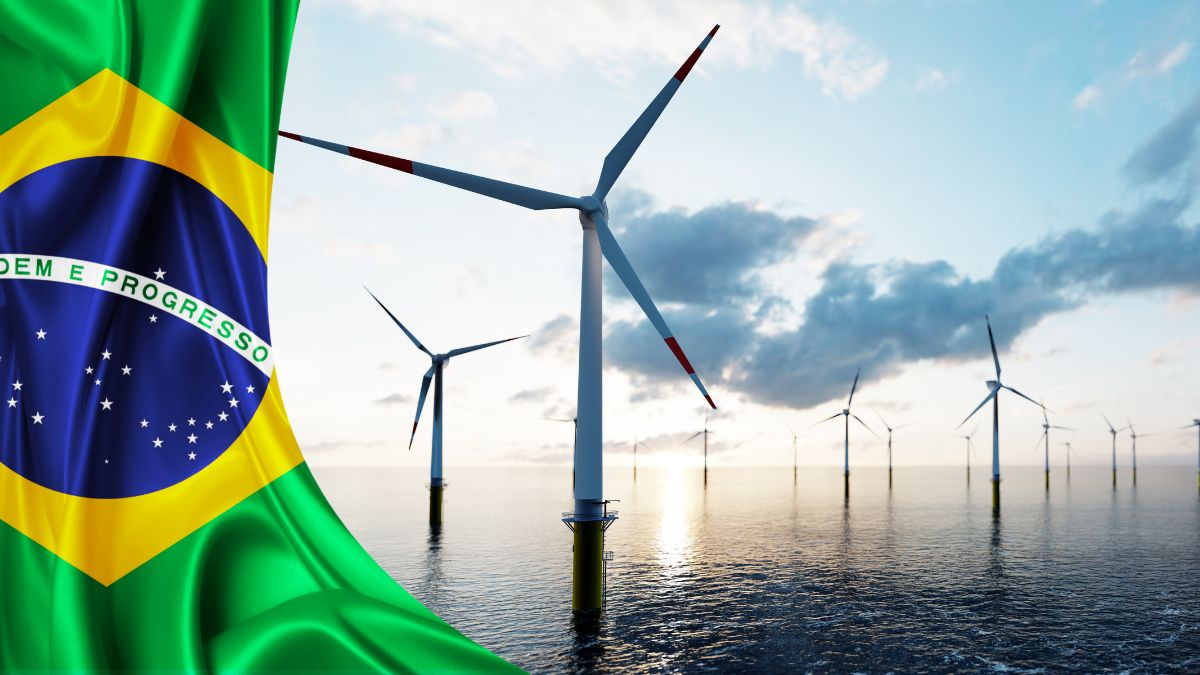
Brazil Has Everything to Become One of the Major Names in Offshore Wind Energy and Export Green Energy Worldwide
Our country is a major producer of offshore wind energy, and this is not news. However, what you probably do not know is that we can become significant exporters of this green energy in the coming years. This topic is being highlighted at COP27 (United Nations Climate Change Conference 2022). In this regard, we could see more job generation, income, and economic development through the energy transition we are pursuing.
The assertion that we can export offshore wind energy in the coming years comes from Marina Rossi, Director of Energy Development at the Ministry of Mines and Energy (MME). According to her, Brazil will play a key role in the energy transition and will also be able to improve its economic development. Want to know how? Keep reading!
Check Out Some Highlights from COP27 in Egypt with the Video Below
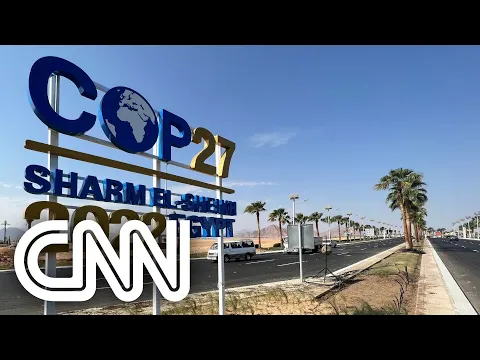

Offshore Wind Energy Generation Has Significant Data in Brazil, Generating Self-Sufficiency and Even Capacity to Become an Exporter
According to data from Abeeólica (Brazilian Wind Energy Association), Brazil is expected to enter 2023 with regulated wind energy production. After all, there are already more than 169 gigawatts (GW) across multiple projects that are under review and await approval. Currently, Brazil already has 180 GW installed, which is very encouraging for economic development.
-
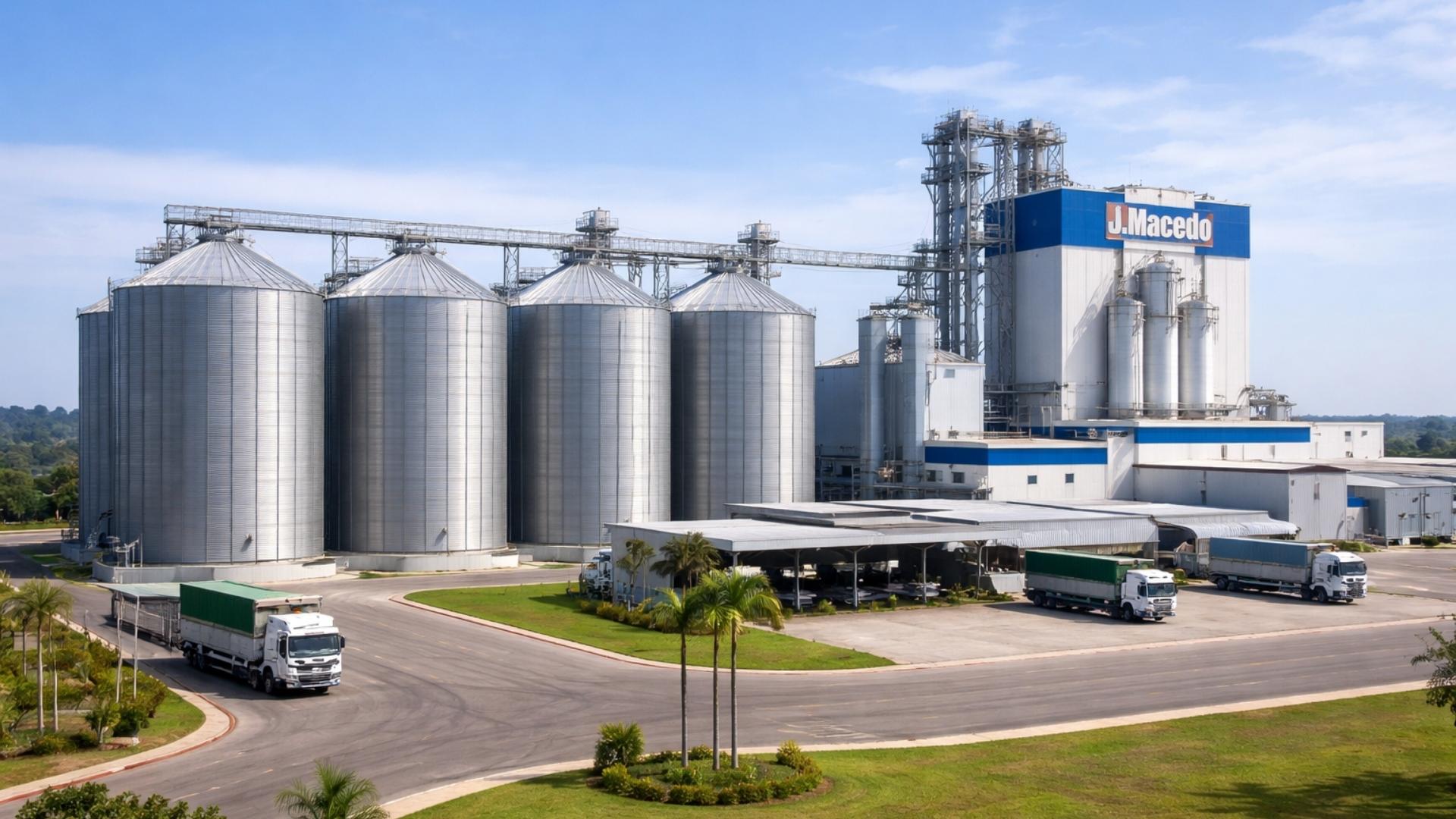
A Brazilian city gains a factory worth R$ 300 million with the capacity to process 200 thousand tons of wheat per year, a mill of 660 tons/day, silos for 42 thousand tons, and an industrial area of 276 thousand m².
-
Havan will leave the shopping mall in Blumenau to inaugurate something that the chain has never done before: a megastore in half-timbered style in the Historic Center of the city, which is expected to be completed in May and change the landscape of local retail.

-
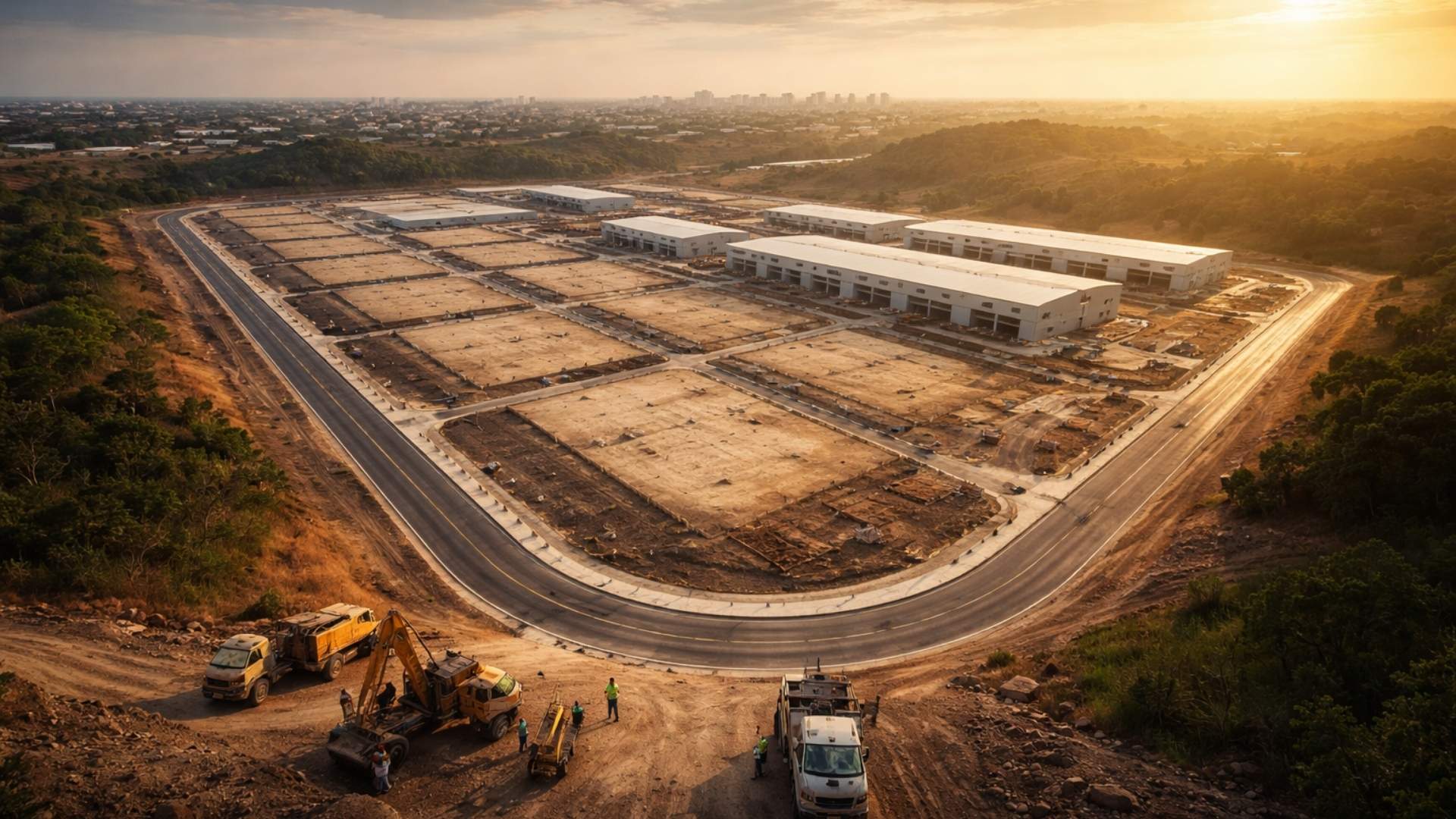
Brazilian city gains industrial hub for 85 companies that is equivalent to 55 football fields.
-
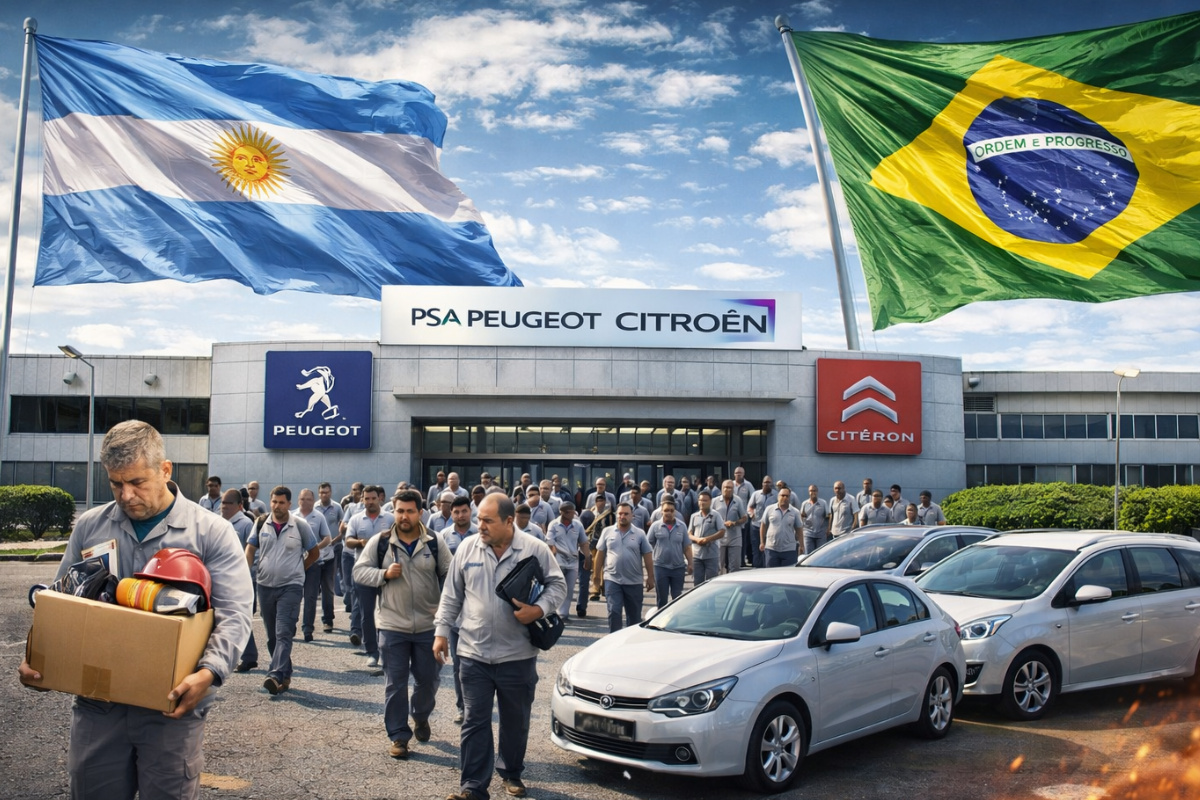
Peugeot and Citroën factory in Argentina cuts production by half and opens a layoff program for more than 2,000 employees after Brazil drastically harmed purchases of Argentine vehicles.

Moreover, our country already has a huge production of onshore wind energy. According to data from the Global Wind Energy Council report, Brazil holds the 6th position globally in terms of Installed Total Capacity of Onshore Wind Energy, recorded in 2021, with 22 Gigawatts (GW). Furthermore, this is the second largest source of energy generation in the country, surpassed only by hydropower.
All this points to a very favorable scenario where Brazil can gain prominence in the energy transition and close significant deals regarding offshore wind energy. However, for this to happen, it is crucial that appropriate regulations are in place so that investors can find a true safe haven here.
Clean Energy Use in Brazil Is Already Among the Highest in the World
As Marina Rossi stated during an interview with the Bússola portal, Brazil has nearly 47% of our energy and 85% of the electricity supply coming from clean energy. According to her, this percentage is three times higher than the global average. Thus, we have one of the cleanest energy matrices on the planet, providing great recognition to become an exporter.
This strong position on the world stage is the result of a focus on diversifying national energy sources to avoid dependence on other countries. Therefore, we are one of the pioneering countries in prioritizing biofuels and making them competitively priced in the market compared to oil and derivatives.
The National Offshore Wind Energy Sector Will Still Face Challenges to Become a Major Exporter
Brazil still has a long way to go before becoming one of the major exporters of offshore wind energy. First of all, regulations need to be finalized so that investors see safety in potential investments in Brazil.
Secondly, our country needs a restructuring of the port infrastructure and supply chain to ensure that logistics work effectively. Additionally, significant technology is required to harness the energy produced offshore and transport it to other countries.
Furthermore, the sector needs more research in the area to facilitate this process and increase production capacity. However, this can only be achieved through the regulations expected to be fully released by IBAMA and federal agencies in 2023.






Seja o primeiro a reagir!