





 Portuguese
  English
  Spanish
  3 min of reading
  0 comments


Brazil May Have Blackouts Until 2029 with Increased Consumption, Drought and Insufficient Grid; ONS Considers Daylight Saving Time and Thermal
The Brazil may face blackouts during peak electricity consumption periods. To avoid this scenario, the National Electric System Operator (ONS) revealed that it will be necessary not only to activate thermal plants but also to consider the return of daylight saving time.
The most important thing, according to the agency, is that even with advances in energy matrix diversification, the system still does not keep up with the transformation.
Sources like solar and wind are growing, but the transmission grid is not adapted to handle the expansion.
-
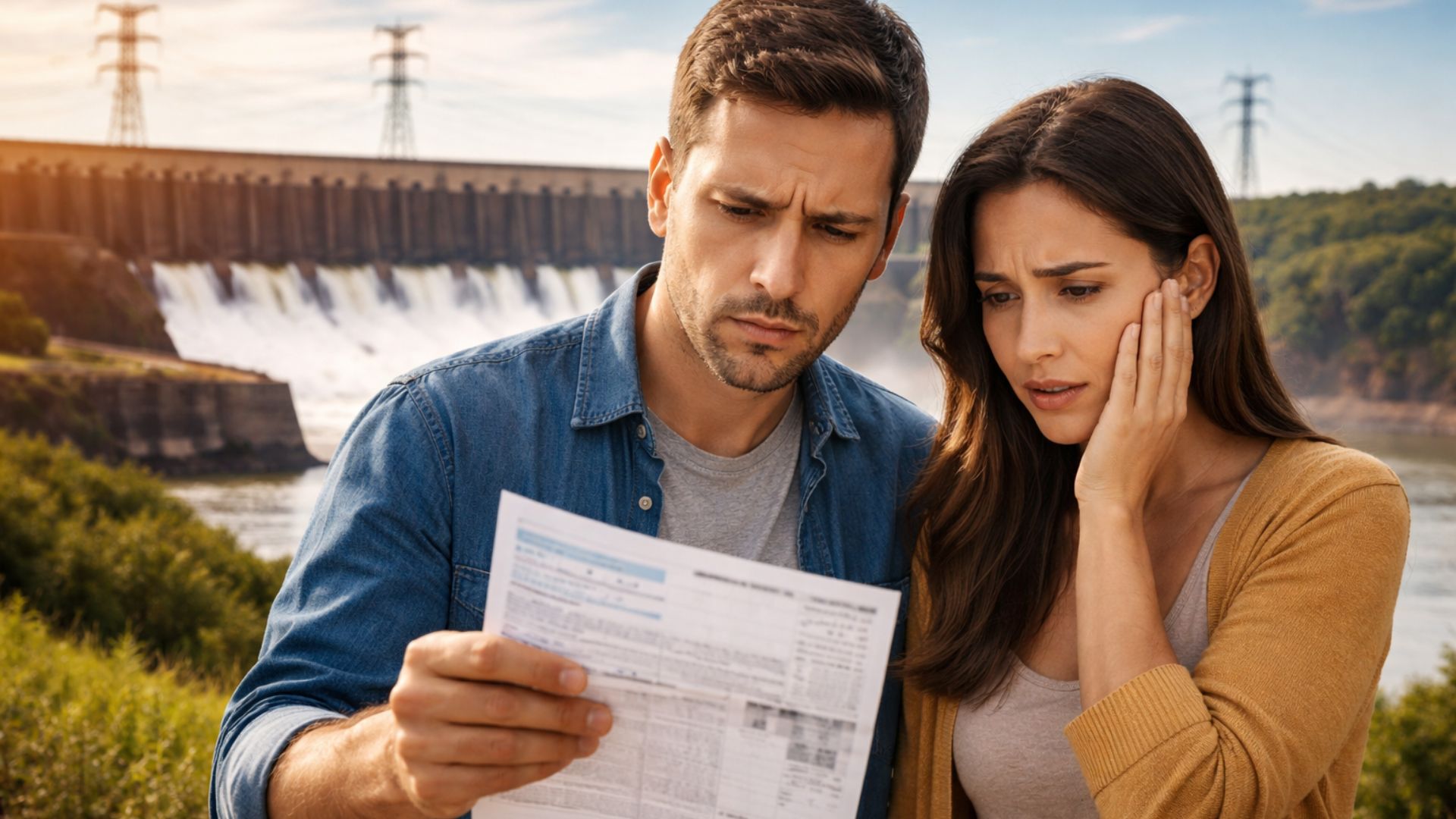
Brazilians paid R$ 18 billion more for energy from the Itaipu plant, reflecting a direct impact on tariffs and generating discussions about costs, transparency, and balance in the national electricity sector.
-
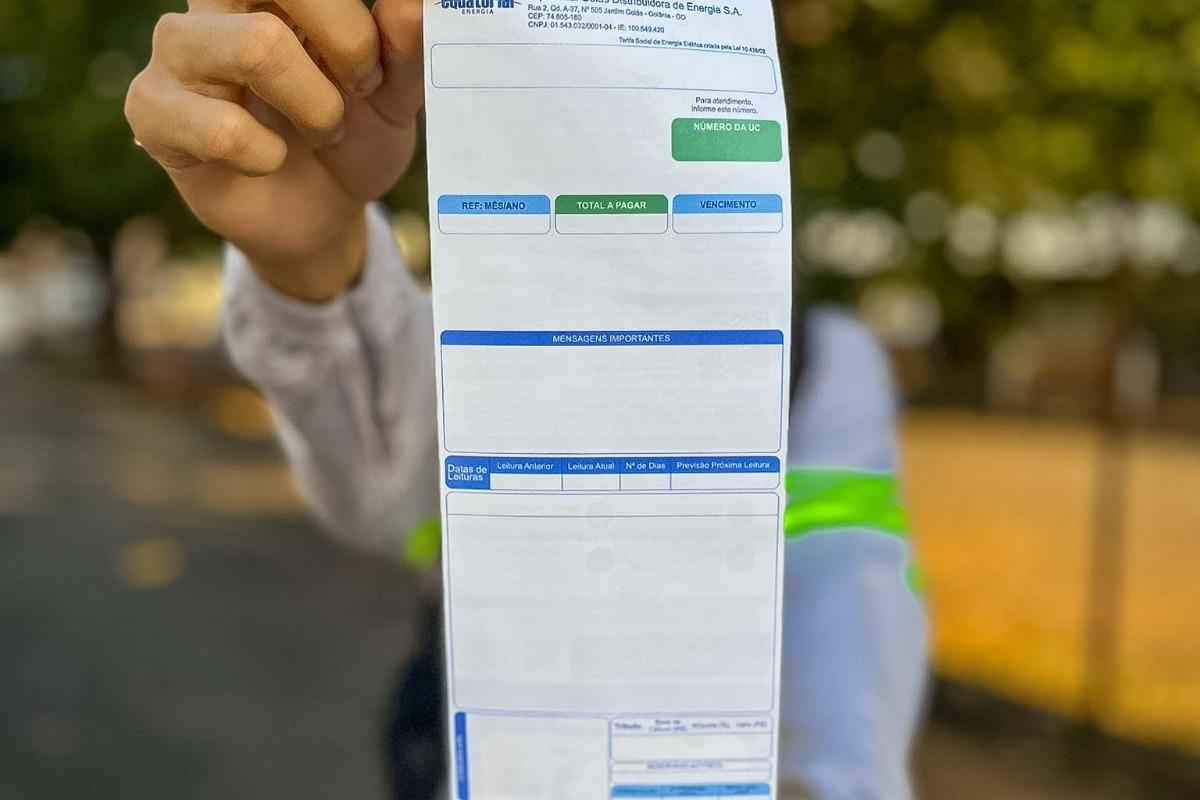
Equatorial adopts new national number for consumer units on electricity bills starting in April, following ANEEL standards and modernizing energy bills in several states.
-
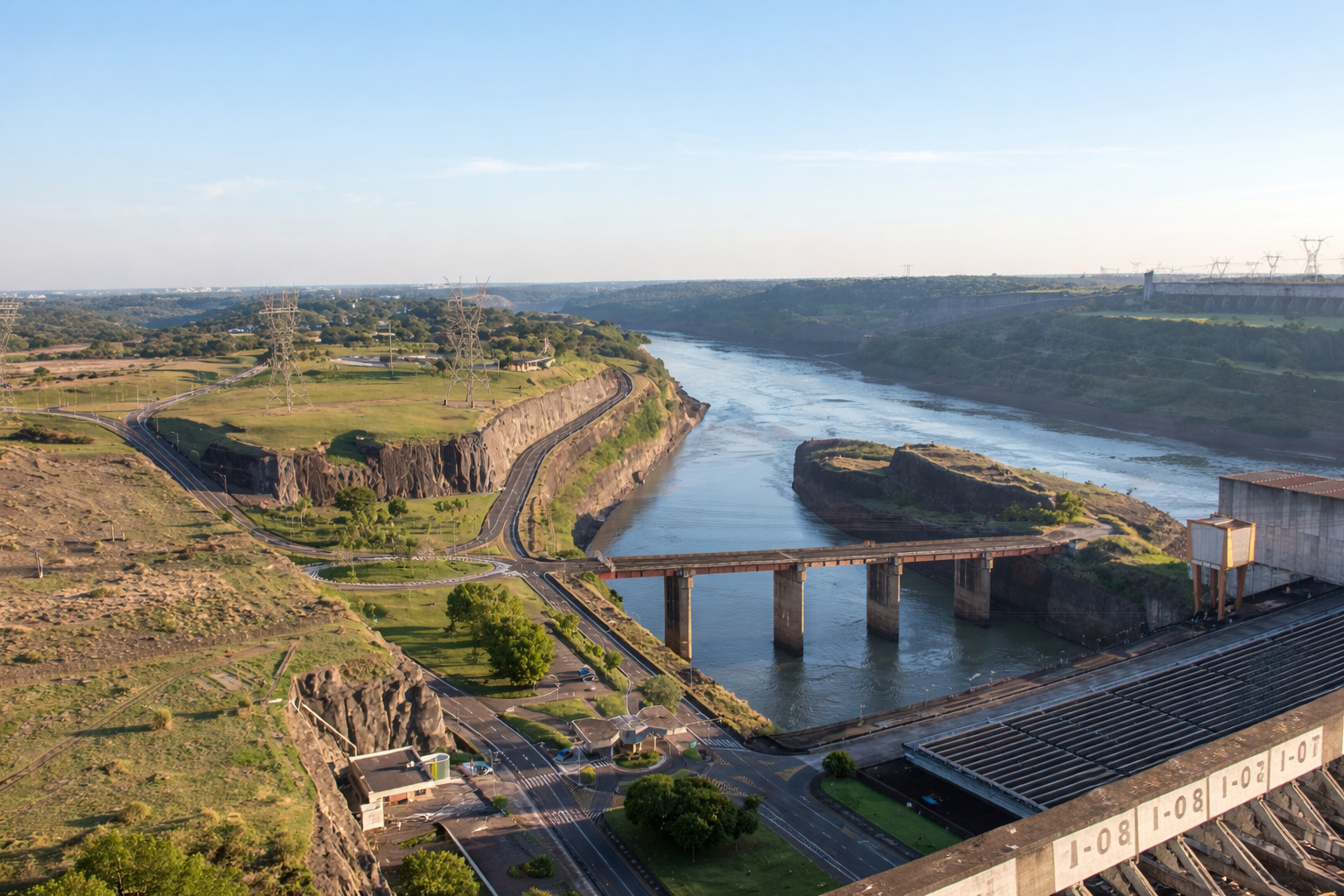
Itaipu Impresses the World: Hydroelectric Plant with 20 Turbines and 14,000 MW Generates Over 2.9 Billion MWh and Leads Global Clean Energy Production
-
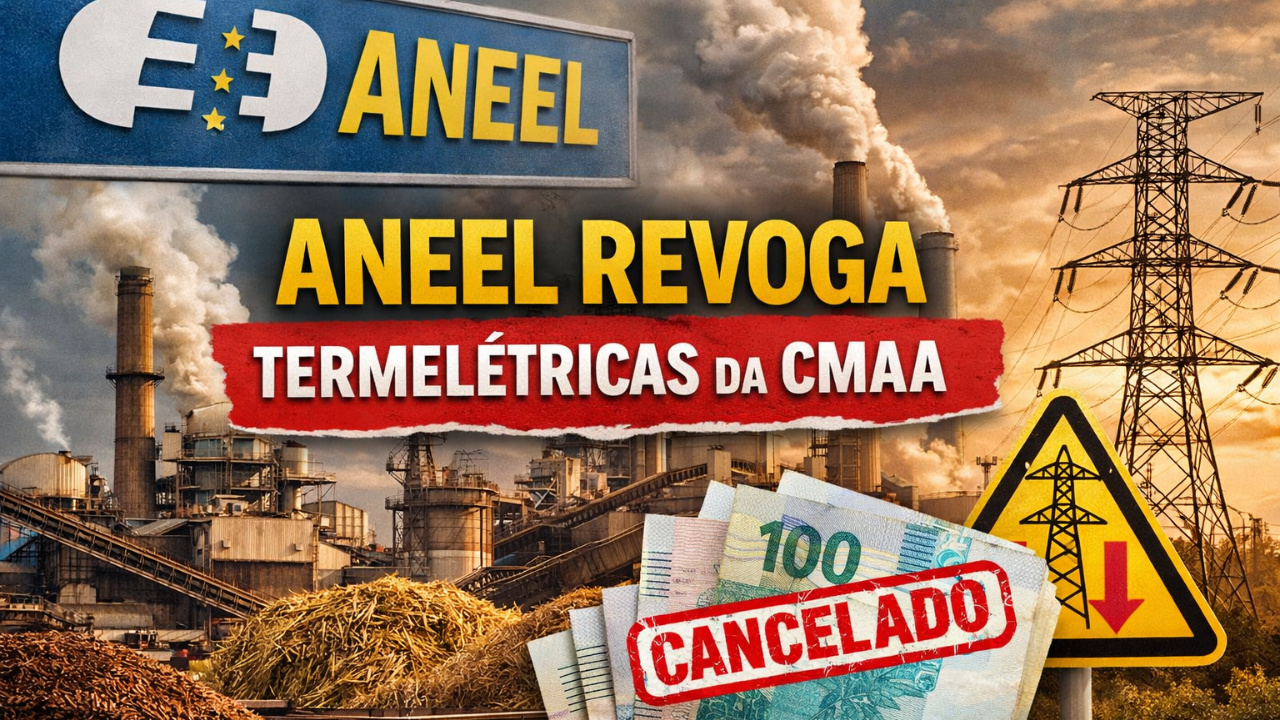
Aneel Revokes CMAA Thermal Power Plants After Network Restrictions and Excess Energy in the System

Situation May Worsen
According to a report from ONS, the energy generation capacity has worsened. Additionally, consumption is expected to increase by at least 14% by 2029. This growth is concerning because it can put even more pressure on the system.
The expected drought until September should intensify the risks, compromising supply. Therefore, the coming months require greater attention from the sector to avoid energy cuts that affect the daily lives of Brazilians.
Renewable Sources Expanding
One third of the energy matrix growth by 2029 will come from renewable sources like solar. This advance is positive, but still insufficient.
Solar generation, for example, does not cover peak consumption periods, in the late afternoon and at night.
For this reason, ONS points out that the country will have to turn again to thermal plants. In addition, the resumption of investments in hydroelectric power also returns to the debate.
In the 2000s, they were responsible for more than 80% of national energy. Now, this share is expected to fall to less than half.
Another measure under study is the return of daylight saving time, suspended since 2019. The proposal may help alleviate pressure on consumption during peak hours.
Drones Inspired by Biodiversity
At the same time, Brazil can contribute to a revolution in another energy-related sector: the global drone market, valued at over US$ 35 billion.
Engineers from Unesp are developing unmanned aerial vehicles inspired by native birds, such as the macaw and the hummingbird.
The expectation is to increase aerodynamic efficiency and reduce the energy consumption of these devices.
Domestic Habits and Consumption
In addition, experts warn about the consumption of appliances at home. TVs are among the items that consume the most energy.
For this reason, many people use power strips to turn off televisions and other equipment.
This habit, however, can harm the TV. This happens because modern televisions have delicate circuits, similar to those of computers.
Cutting power abruptly accelerates wear and reduces the device’s lifespan.
With information from Diário do Litoral.









-

Uma pessoa reagiu a isso.