





 Portuguese
  English
  Spanish
  5 min of reading
  0 comments


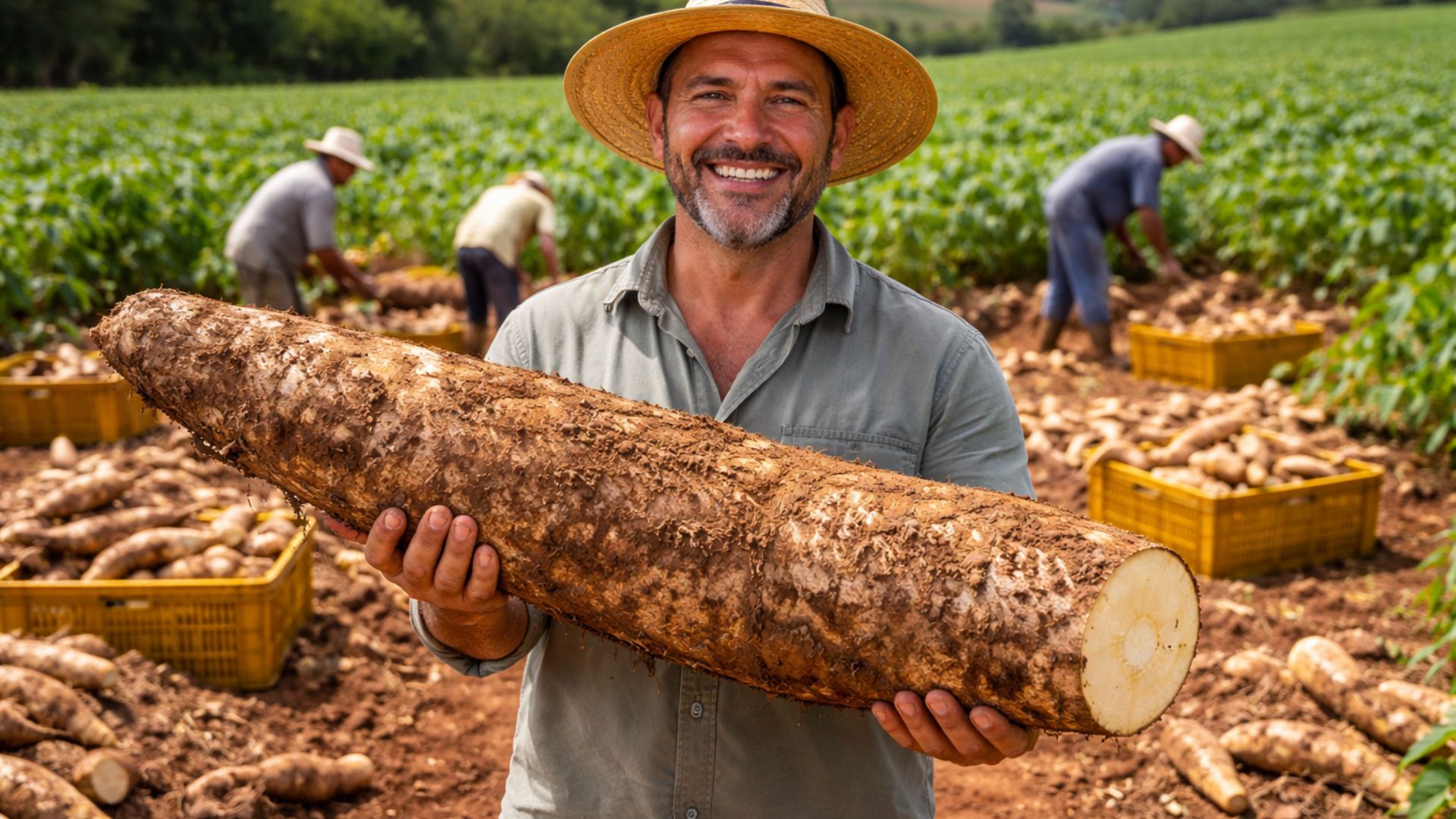
Brazilian Cassava Variety Developed by Embrapa Begins to Gain Ground in the Federal District by Combining High Productivity, Intense Yellow Pulp, and Technological Management, Arousing Interest from Producers Seeking Greater Yield per Hectare and Standardization of the Root to Better Meet the Consumer Market.
A new table cassava cultivar developed by Embrapa Cerrados is gaining traction among producers in the Federal District and Surrounding Areas for bringing together valuable characteristics in the field and in the market: intense yellow pulp, quick cooking, soft texture, and high productive potential.
Recommended for the region since 2022, BRS 429 can reach up to 100 tons per hectare under favorable management conditions, although recent results in validation areas in the DF averaged 71.5 tons per hectare, above the standard observed in the most common varieties grown locally.
The advancement of the variety occurs at a time when regional cassava cultivation is undergoing modernization.
-
They said no to 26 million dollars and would do it all over again: mother and daughter from Kentucky reject a million-dollar offer from a mysterious company that wants to build the largest data center in the state on more than 2,000 acres of rural land.

-
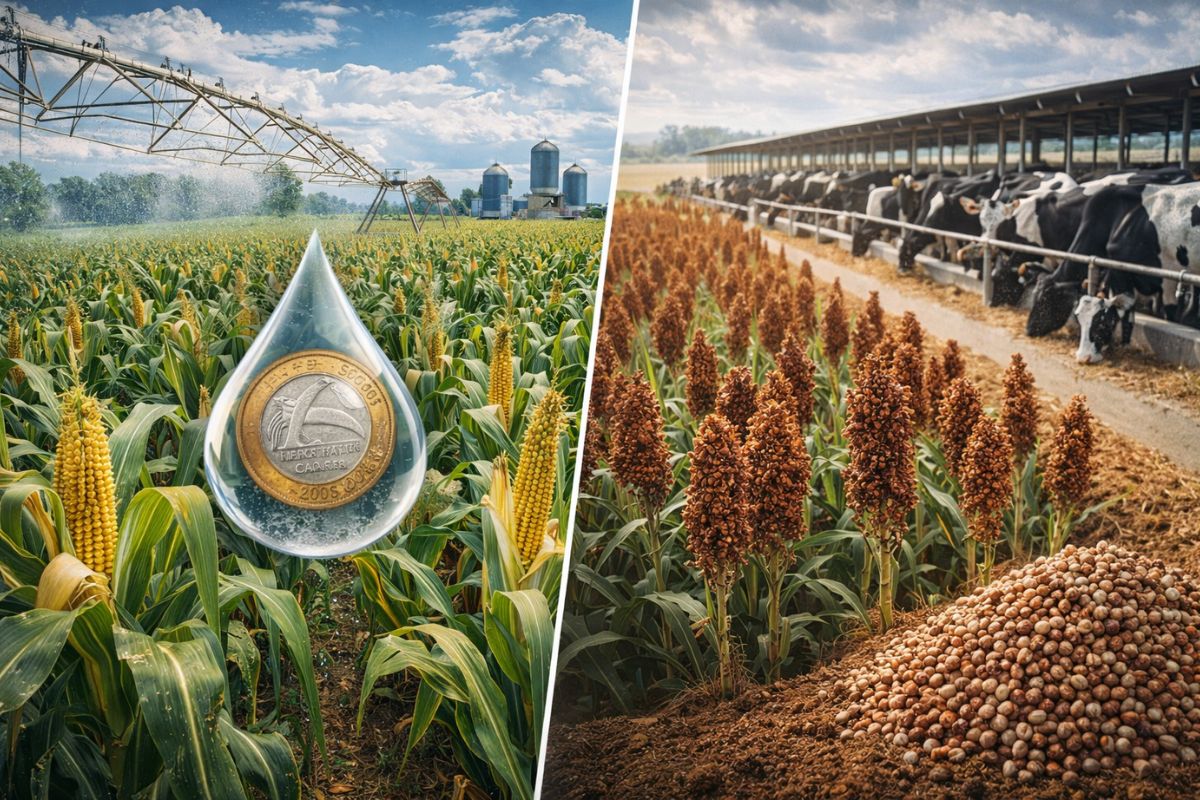
While corn requires rain and is expensive, sorghum produces almost the same volume per hectare at a cost up to 80% lower and uses less water, and it is revolutionizing dairy farming in the Triângulo Mineiro, where producers save hundreds of reais per hectare.
-
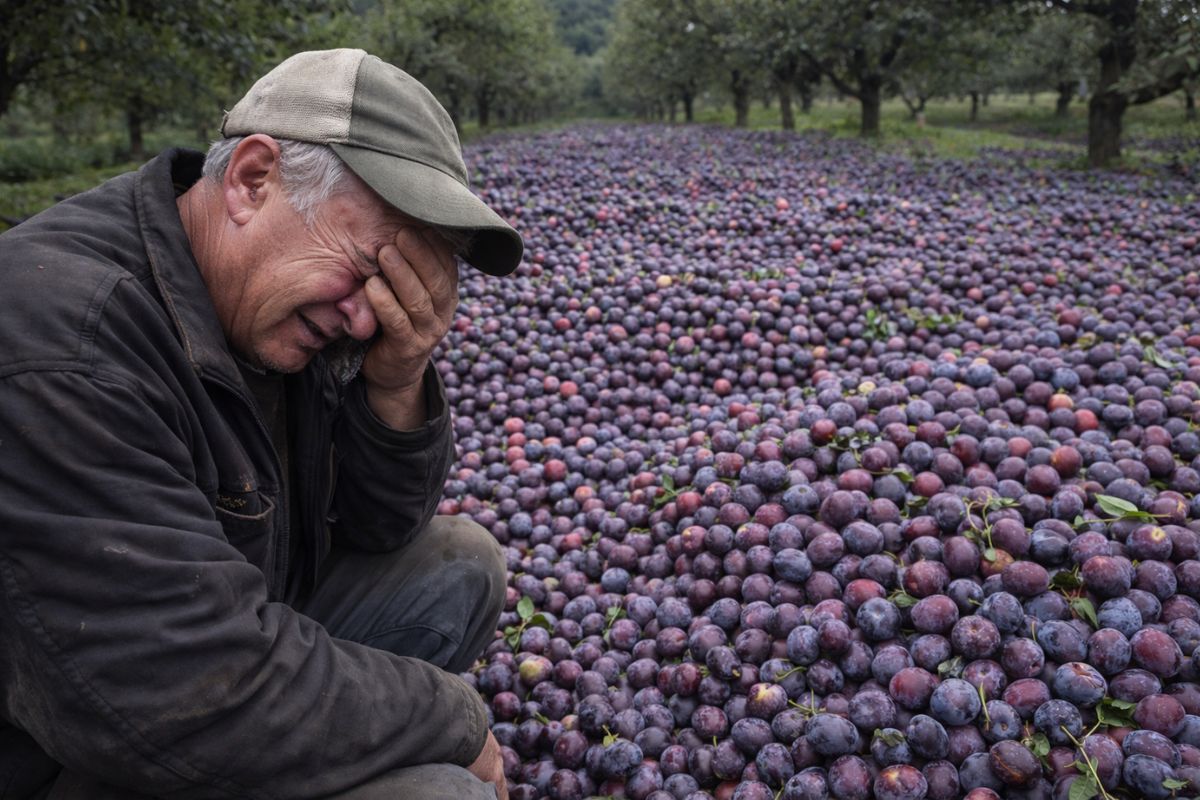
A rural producer from Urubici cries as he shows 50 tons of plums thrown on the ground because no one wanted to buy them, and in desperation, he records a video asking anyone to come to the property to pick the fruits before they rot.
-
Unable to pass through Hormuz, Brazil activated a plan B that uses Turkey as a gateway to the Middle East: the route through Gibraltar and the Mediterranean is longer and more expensive but ensures that chicken, beef, and corn continue to reach Arab markets.


Data released by Agência Brasília show that the food production in the Federal District grew by 108.4% between 2019 and 2023, driven by the adoption of new cultivars and more frequent use of soil correction, fertilization, and management technologies.
In this scenario, BRS 429 appears as a higher profitability alternative for the producer, who seeks standardization of the root and better commercial acceptance.
Characteristics of BRS 429 Cassava Catch Attention in the Field and in the Market

The cultivar was developed to serve the table cassava segment and stands out for a set of agronomic and culinary attributes.
According to technical materials from Embrapa, BRS 429 exhibits early maturity, favorable plant architecture for mechanized planting, and positive response to irrigation.
Additionally, it has low levels of cyanogenic compounds in the roots, characteristic flavor, and reduced cooking time, factors valued in both commercialization and domestic consumption.
The more yellow coloration of the pulp is also noted as a differentiator, associated with the presence of beta-carotene, a precursor compound of vitamin A.
In practice, the performance of the variety depends on the combination of genetics and adequate agricultural management.
In units monitored by technicians from Emater-DF, cultivation in beds, with plastic soil cover, balanced fertilization, and drip irrigation, significantly increased productivity.
In 2025, a validation area in Núcleo Rural Taquara recorded an average of 71.5 tons per hectare, more than double the yield typically obtained with varieties used in the Federal District, which ranges from 30 to 35 tons per hectare.
In another technological showcase presented at AgroBrasília, the system with agricultural mulching reached 64 tons per hectare.
Even though the maximum potential of 100 tons per hectare is often mentioned in technical dissemination events, this level is linked to highly controlled cultivation conditions and should not be treated as an automatic result in any property.
The validation network conducted by Embrapa and Emater-DF itself shows that productivity varies according to soil fertility, irrigation, bed cover, and agronomic monitoring.
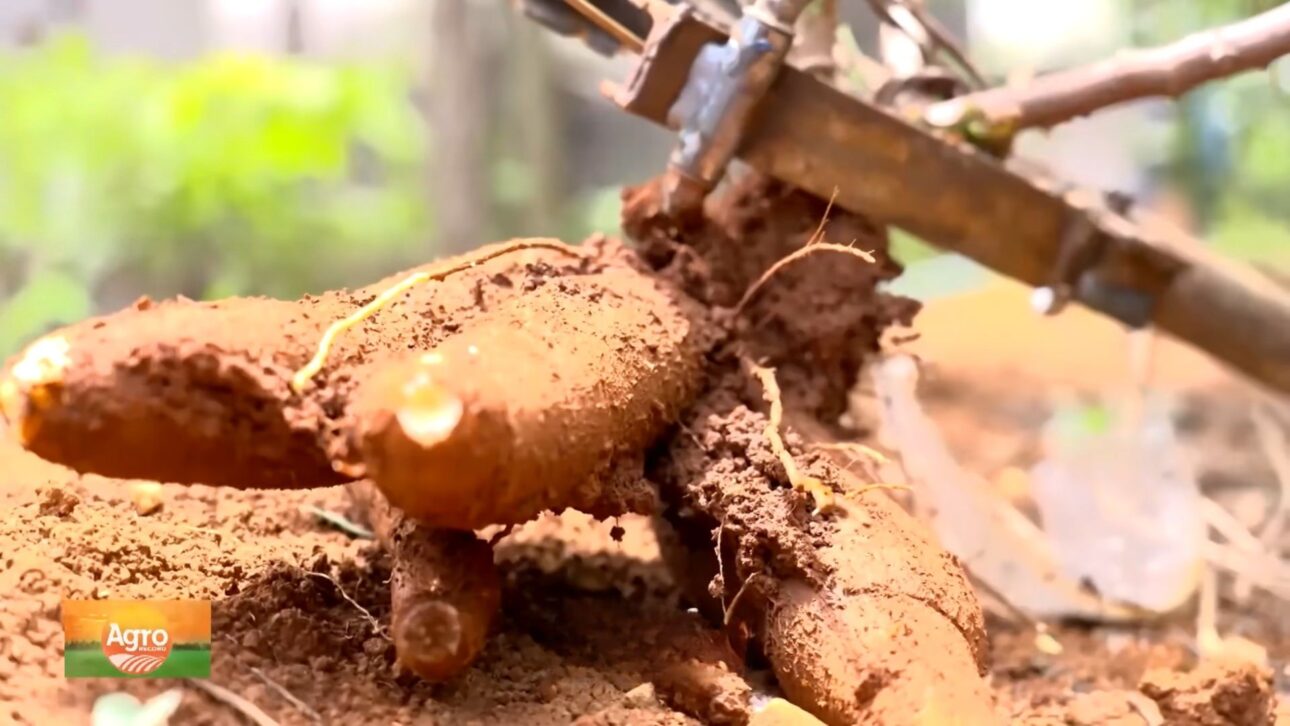
The gain, therefore, does not come solely from the cultivar, but from the technological package applied throughout the entire production cycle.
Technology in the Field Helps Explain the Increase in Productivity
Among the practices adopted by producers in the DF, localized irrigation and fertigation stand out as central points for crop performance.
The use of small controllers, valves, and automated sectors allows to apply water and nutrients with greater precision, reducing waste and avoiding losses due to excess irrigation.
At the same time, plastic soil cover helps conserve moisture, control weeds, reduce erosion, and decrease the demand for labor in weeding.
These factors directly impact the final production cost and efficiency of the agricultural system.
This model also favors the crop rotation in areas previously occupied by more nutritionally demanding vegetables, such as tomatoes, peppers, and cucumbers.
Emater-DF technicians report that many producers take advantage of the already installed irrigation structure and the residual fertilization from these crops to introduce cassava cultivation.
This strategy reduces initial costs and enhances the agronomic use of the soil, increasing the profitability of the rural property.
The multiplication of BRS 429, however, still requires planning.
As the availability of stakes and seed cuttings does not grow at the same pace as market interest, the expansion of the planted area depends on the producer’s ability to form propagative material from the plant’s own stems.
In cassava cultivation, it is this piece of stem, known as cutting, that gives rise to new plants.
Therefore, even with growing acceptance, the diffusion of the cultivar tends to advance gradually, following the supply of seedlings and the work of technical assistance in the field.
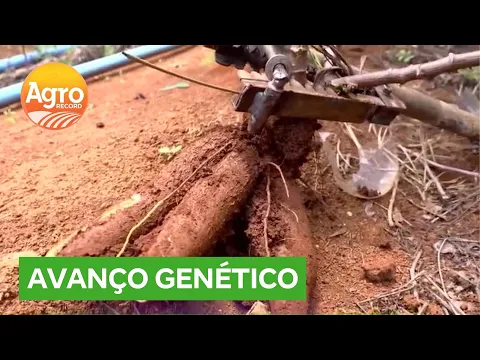

Cassava Maintains Economic Importance and Genetic Diversity in Brazil
Cassava remains among the most present foods on Brazilian tables and retains enormous genetic diversity.
Publications from Embrapa record that the country holds more than 4,000 cataloged varieties, preserved in collections and germplasm banks.
This broad base supports genetic improvement programs aimed at both fresh consumption and industrial use.
The research aims to enhance productivity, disease resistance, culinary quality, and regional adaptation, factors considered strategic for the advancement of the crop in the country.
BRS 429 is part of this movement toward modernization of a traditional food crop in Brazil, combining agronomic performance and gastronomic quality.
In addition to agronomic interest, cassava maintains nutritional and commercial relevance.
In the Federal District, the cultivation mobilized 1,920 producers in 2023, occupied 883.25 hectares, and generated 19,754 tons of production, according to data released by local rural extension services.
For this reason, varieties with better root standards, ease of preparation, and cooking stability tend to gain market space more quickly.
In the case of BRS 429, the combination of field performance and consumer acceptance helps to explain why the cultivar has transitioned from being merely an experimental novelty to being regarded as a concrete alternative for productive expansion in the region.






-

-

-

5 pessoas reagiram a isso.