





 Portuguese
  English
  Spanish
  3 min of reading
  0 comments


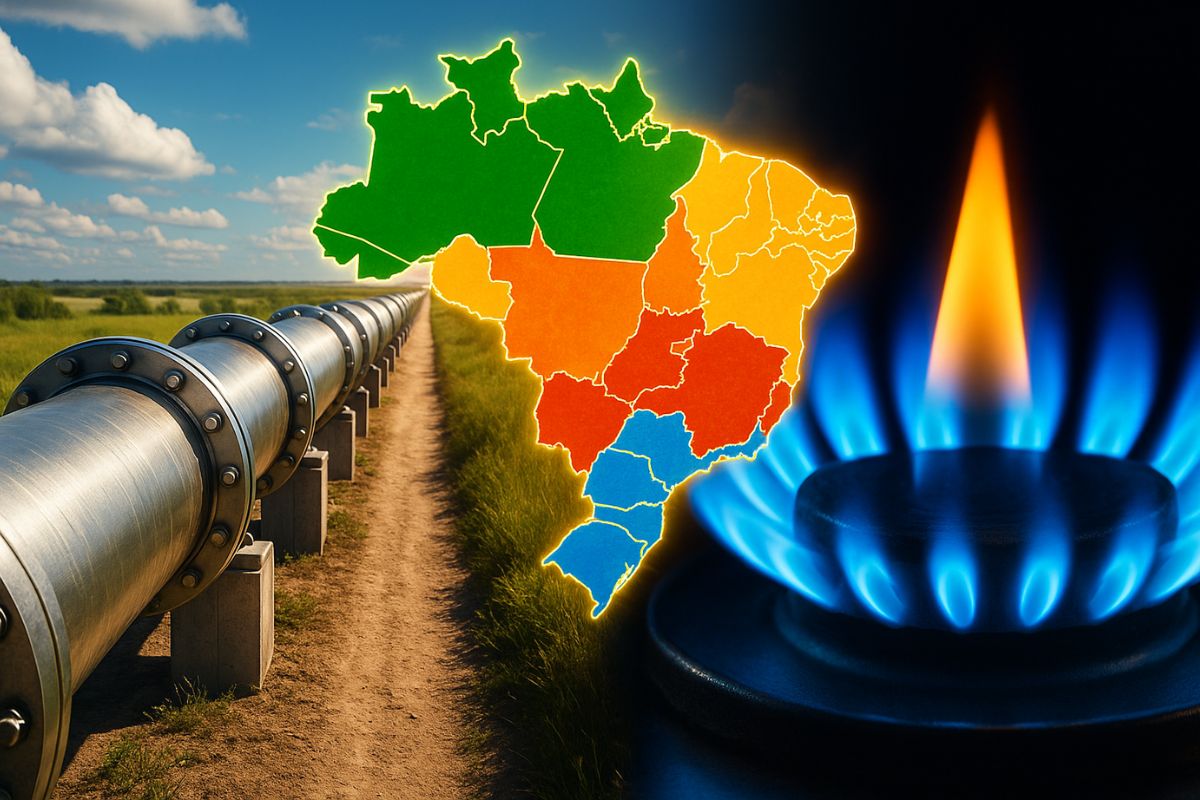
Brazil Has More Natural Gas Companies, but Infrastructure and Regulation Hinder Price Decline. The Number of Companies in the Sector Grows, but Logistical Barriers and State Rules Keep Costs High for Industry and Consumers.
The Brazil Has More Natural Gas Companies, a result of a liberalization process initiated with the New Gas Law in 2021. Data from the Natural Gas Observatory, released by g1, shows that the number of companies authorized to market the commodity has grown by an average of 15% per year since then. In transportation, the increase is even higher, with a rise of 19% per year.
Despite this movement, prices remain high and competition has not yet been reflected in consumers’ wallets, mainly due to regulatory hurdles, market concentration, and infrastructure bottlenecks.
The Growth of the Natural Gas Sector in Brazil
The market opening has reduced Petrobras’s share in long-term contracts with distributors, which fell from 100% in 2021 to 69% at the end of 2024. This scenario has encouraged the entry of new players and greater diversity among suppliers.
-
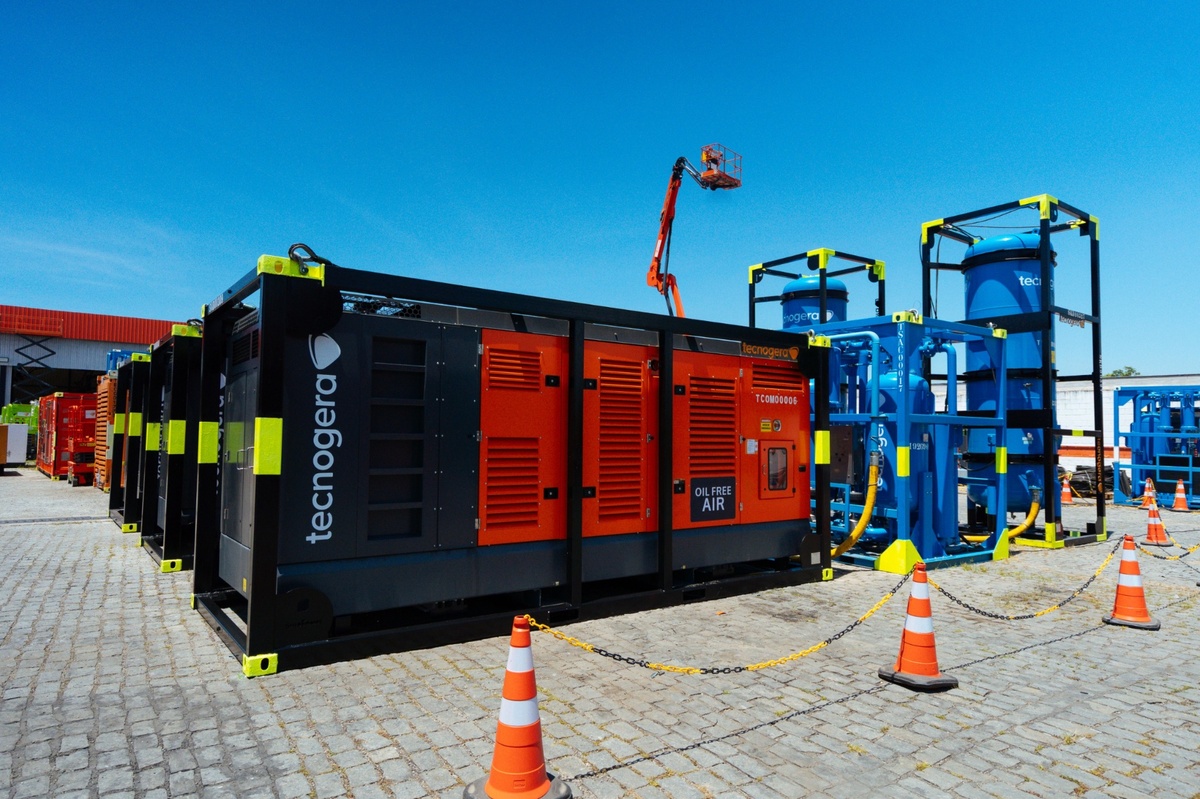
Offshore industrial demand in Macaé skyrockets with the recovery of oil and gas and could grow by up to 396% by 2026 in the Campos Basin.
-
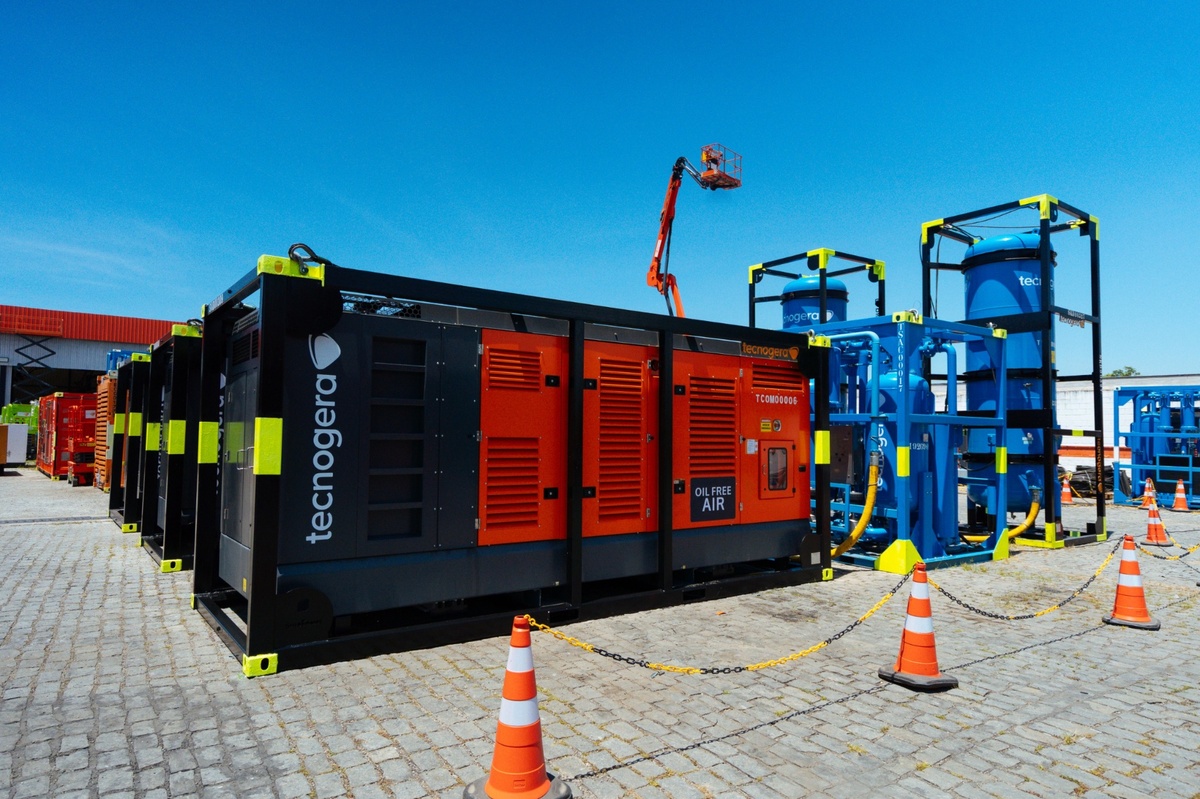
Offshore industrial demand in Macaé surges with the recovery of oil and gas and could grow by up to 396% by 2026 in the Campos Basin.
-
Brazilian giant expands borders in the Southeast: Petrobras confirms new oil discovery in ultra-deep waters in the pre-salt of the Campos Basin.

-
Alert in the global energy market: Severe tropical cyclone hits the coast and disrupts gas production at major plants in Australia, threatening global supply.


Another highlight is the advancement of free consumers, large companies that buy directly from suppliers. This group has grown by an average of 70% per year, indicating a greater search for alternatives to reduce energy costs.
Still, Brazil pays on average R$ 43 per million BTUs more than the United States, according to Andrea Macera, Secretary of Competitiveness and Regulatory Policy at MDIC. The impact is estimated at nearly R$ 2.5 billion in “Brazil Cost,” which reduces the competitiveness of the industry.
Why Competition Has Not Yet Brought Down Prices
Experts point out that although there are more players in the sector, real competition has not yet solidified. According to Rogério Caiuby of the Movimento Brasil Competitivo, regulatory, operational, and commercial barriers prevent an effective reduction in the final price.
Another factor is the uneven regulation among states. In some regions, such as the Northeast, the average price of gas is up to 20% lower than in the Southeast. This happens because each state establishes its own rules for companies to migrate to the free market, often requiring a high minimum consumption volume, which limits access for small and medium companies.
The Infrastructure Challenge
In addition to the rules, infrastructure limitations are a central hurdle. The gas pipeline network and regasification terminals are still insufficient to competitively serve all regions of the country.
According to the MDIC, it’s not enough to extract natural gas; investment in transportation, treatment, and distribution is necessary. Without logistical expansion, new players remain restricted and costs stay high.
Transparency and Data to Advance
The launch of the Natural Gas Observatory aims to centralize information about supply, demand, transportation, distribution, and regulation in the sector. The government’s expectation is that greater transparency will help reduce costs and increase competition among suppliers.
With data organized into seven modules, the observatory will allow for more precise regional diagnostics, in addition to supporting public policies and private investments in the sector.
The fact that Brazil has more natural gas companies represents an important advancement, but it is insufficient to reduce prices without addressing infrastructure bottlenecks and harmonizing regulation among states. For industry and consumers, the expectation is that real competition will only materialize when these obstacles are overcome.
And you, do you believe that the opening of the natural gas market will truly reduce prices in the coming years or that Brazil will remain trapped in “Brazil Cost”? Share your opinion in the comments — we want to hear from those who experience this reality firsthand.








Seja o primeiro a reagir!