





 Portuguese
  English
  Spanish
  3 min of reading


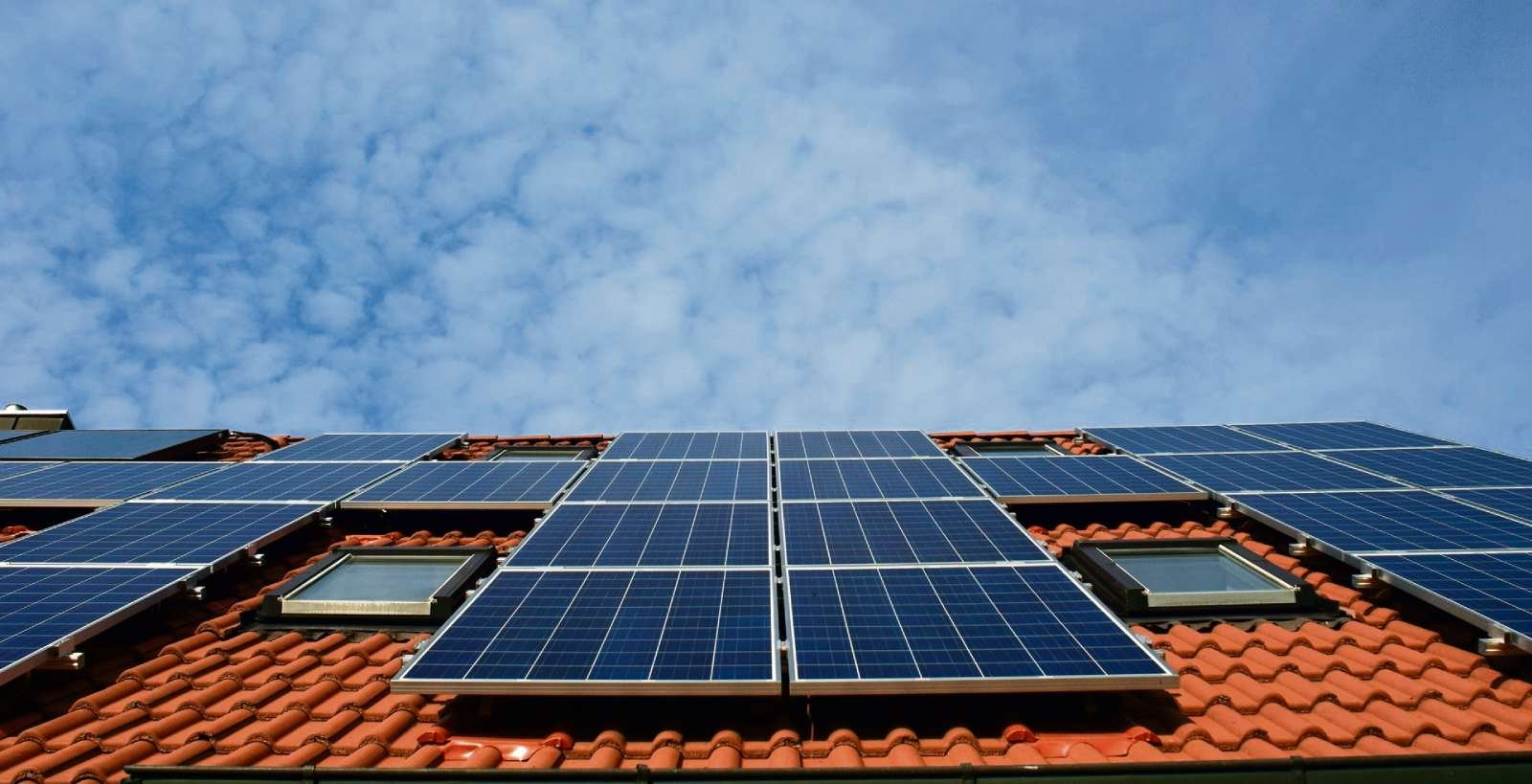
The Development Perspective for the Solar Energy Market Was Estimated by Tarcisio Dario, Operations Director of Horus
Until 2025, it is estimated that Brazil will have 45GW of installed solar energy capacity. The analysis is made by Tarcisio Dario, Operations Director of Horus, a brand of photovoltaic equipment. According to him, during the online conference held by Canal Solar, nearly 4 million systems will be connected to the grid in Brazil, which he classified as “a balanced, moderate scenario for the sector’s development.”
See Also Other News:
- AEC is Offering 350 Job Vacancies for Call Center Attendant, No Experience Required, in João Pessoa – PB
- Petrobras, TotalEnergies, NTS, Prumo, TechnipFMC, and the Federal Government Bet on Connecting with Young Talents and Promote Over 20 Hours of Round Tables to Demystify the Oil and Gas Industry
- IFMS is Offering 729 Vacancies for Free Courses in Spanish, English, and Brazilian Sign Language
Tarcisio also stated that, according to Horus’ projection, solar energy would represent, on average, 18% of the energy consumed in the country, placing it among the top ten or eight largest in the world in this segment.
However, this is still a low figure considering the size and potential of solar energy in Brazil, according to the director. This occurs due to some factors that hinder development, such as interest rates, Selic, and investments.
-
The Sol do Agreste Photovoltaic Complex begins operations in Pernambuco and accelerates the expansion of solar energy in Brazil, directly impacting the reduction of emissions and strengthening the sustainable energy matrix.
-
Renewable energy advances over protected areas in Brazil, and a survey by the Energy Transition Observatory reveals silent impacts that challenge environmental conservation and pressure sensitive traditional territories.

-
Rio Grande do Sul accelerates energy transition: State invests in renewable technologies and consolidates decarbonization strategies and pathways to attract billions in new industrial investments.

-
With 160,000 m² of collectors, an area larger than 20 football fields, Silkeborg, in Denmark, hosts a solar thermal plant that heats 19,500 homes and could become the largest solar heating plant in the world.


Development Factors
Regarding the factors that influence the growth of the solar energy sector in Brazil, one of the main ones, according to Dario, is currency fluctuation. As the economy is dollarized, the specialist points out that there is a need to be concerned about the capital power of industries in a high Selic environment.
This concern is necessary because with the rise of the dollar, the prices of equipment for solar energy installation can vary from one day to the next and, according to Dario, the variation is always an increase, never a decrease.
“As a result, there may be a shortage of products next year. A hike in the exchange rate can mean an increase in the cost of equipment. Market volatility is complicated,” he stated, noting that in an election year like 2022, the market becomes more unpredictable.
Expectations for Next Year
The expectation for 2022 is that the world will reach 200 GW of solar energy production capacity. Of these, China has already purchased 100 GW, leaving Brazil, the Americas, and Europe to compete for the remaining 100 GW.
About Solar Energy
Solar energy is a clean, renewable, and inexhaustible source of energy. It corresponds to the light and heat emitted by the sun, which can be harnessed photovoltically to generate electric energy through solar panels or to generate thermal energy.
The lifespan of the system is, on average, 20 years, requiring little maintenance during this period. Additionally, solar energy can provide savings of up to 95% on electricity bills.
This type of energy can be produced by equipment installed in residences or can be purchased from third-party plants.









Seja o primeiro a reagir!