





 Portuguese
  English
  Spanish
  2 min of reading
  0 comments



EPE Presents Strategies to Make the Oil Chain Cleaner and More Sustainable by 2050
A new report from the Energy Research Company (EPE) reveals how Brazil can reduce oil chain emissions by up to 30% by 2050. The proposal brings together technological and operational solutions to decarbonize national production, with the support of the Ministry of Mines and Energy.
Brazil Aims for Low-Carbon Oil with EPE Support
The global energy transition presents challenges but also opens opportunities for countries with high potential in renewable energies and operational efficiency. This is the case for Brazil, which, according to the EPE report, is positioned to become a reference in oil production with lower environmental impact. The study was commissioned by the Ministry of Mines and Energy and outlines actions for the short, medium, and long term.
Among the recommended measures are reducing natural gas flaring, adopting carbon capture and storage (CCS) technologies in producing fields, and increasing the use of renewable energies such as solar and wind in offshore operations. The EPE also highlights the importance of electrifying platforms and replacing fossil fuels with biofuels or natural gas in support vessels.
-
Offshore industrial demand in Macaé skyrockets with the recovery of oil and gas and could grow by up to 396% by 2026 in the Campos Basin.
-
Offshore industrial demand in Macaé surges with the recovery of oil and gas and could grow by up to 396% by 2026 in the Campos Basin.
-
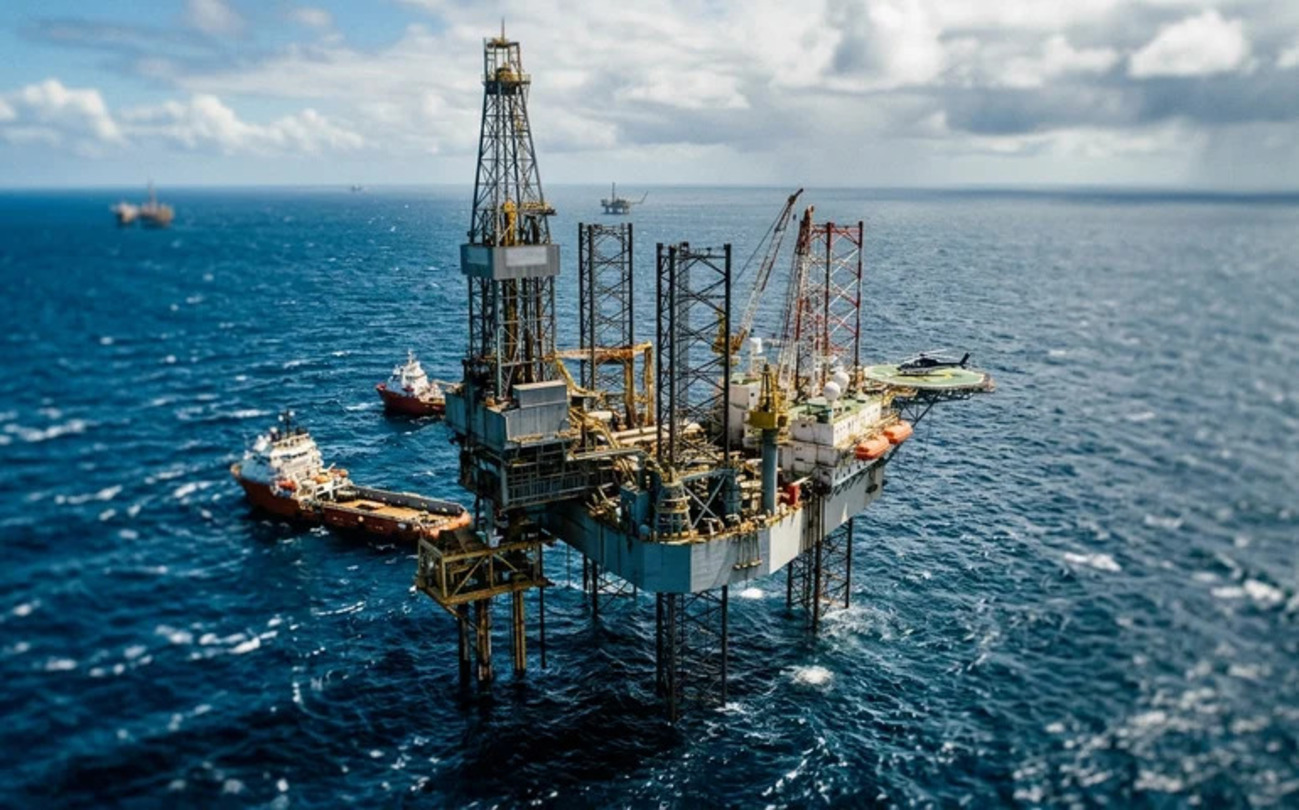
Brazilian giant expands borders in the Southeast: Petrobras confirms new oil discovery in ultra-deep waters in the pre-salt of the Campos Basin.
-
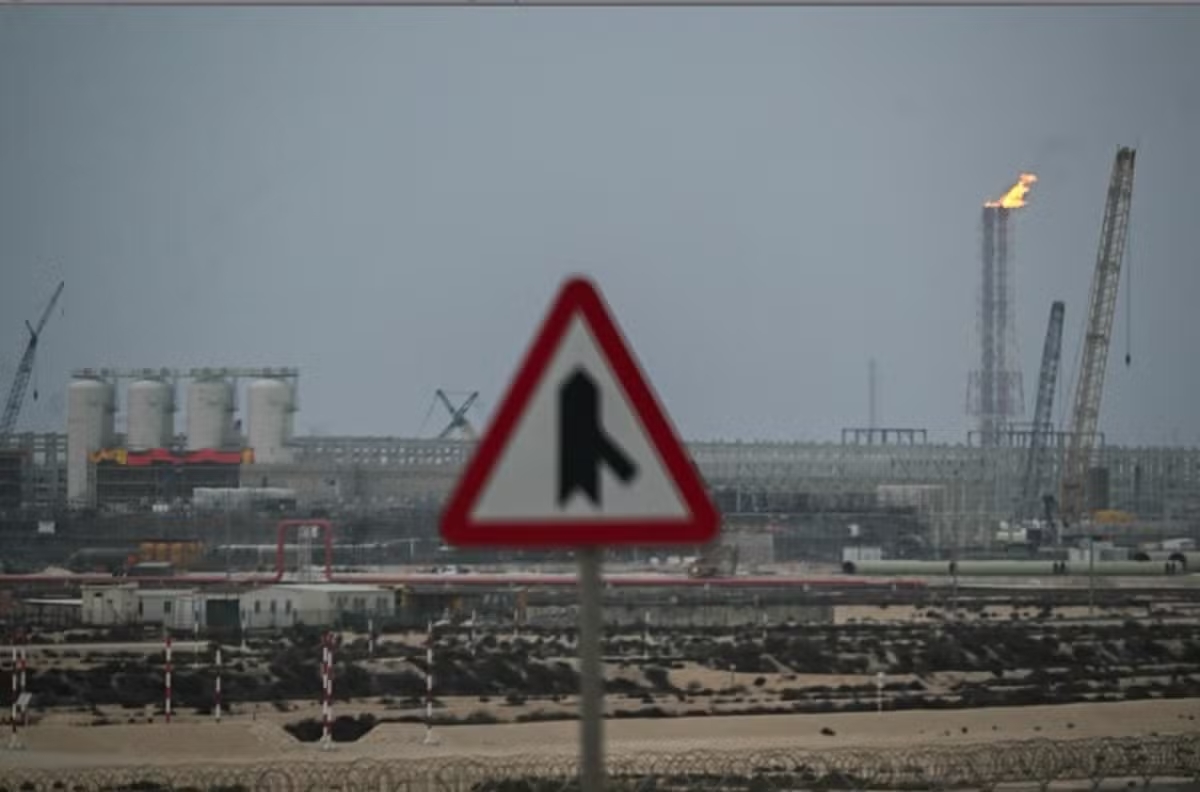
Alert in the global energy market: Severe tropical cyclone hits the coast and disrupts gas production at major plants in Australia, threatening global supply.

Practical Actions to Decarbonize the Oil Sector
The report indicates that some of these solutions are already being tested in the country, with projects led by companies like Petrobras. One example is the use of wind energy to power production platforms along the Brazilian coast. Another strategic point is the partial or total electrification of facilities, which significantly reduces CO₂ emissions.
According to the EPE, with adequate investments and international support, Brazil can reduce up to 30% of emissions associated with national oil by 2050. This would maintain the country’s competitiveness in the energy sector while strengthening its environmental role in the international arena.
The Role of Oil in the Energy Transition
Even with the advancement of renewable sources, oil will still be necessary in the coming decades, particularly in sectors such as aviation, maritime transport, and the chemical industry, which still heavily rely on derivatives. The challenge, according to the EPE, is to make this production as clean as possible, using science and innovation as allies.
The complete report is available on the Dialogues of the Transition portal of the Eixos website, which released the data exclusively. The publication reinforces that, in addition to technology, a joint effort among government, companies, and society will be necessary to put the proposals into practice.








Seja o primeiro a reagir!