





 Portuguese
  English
  Spanish
  5 min of reading
  1 comment


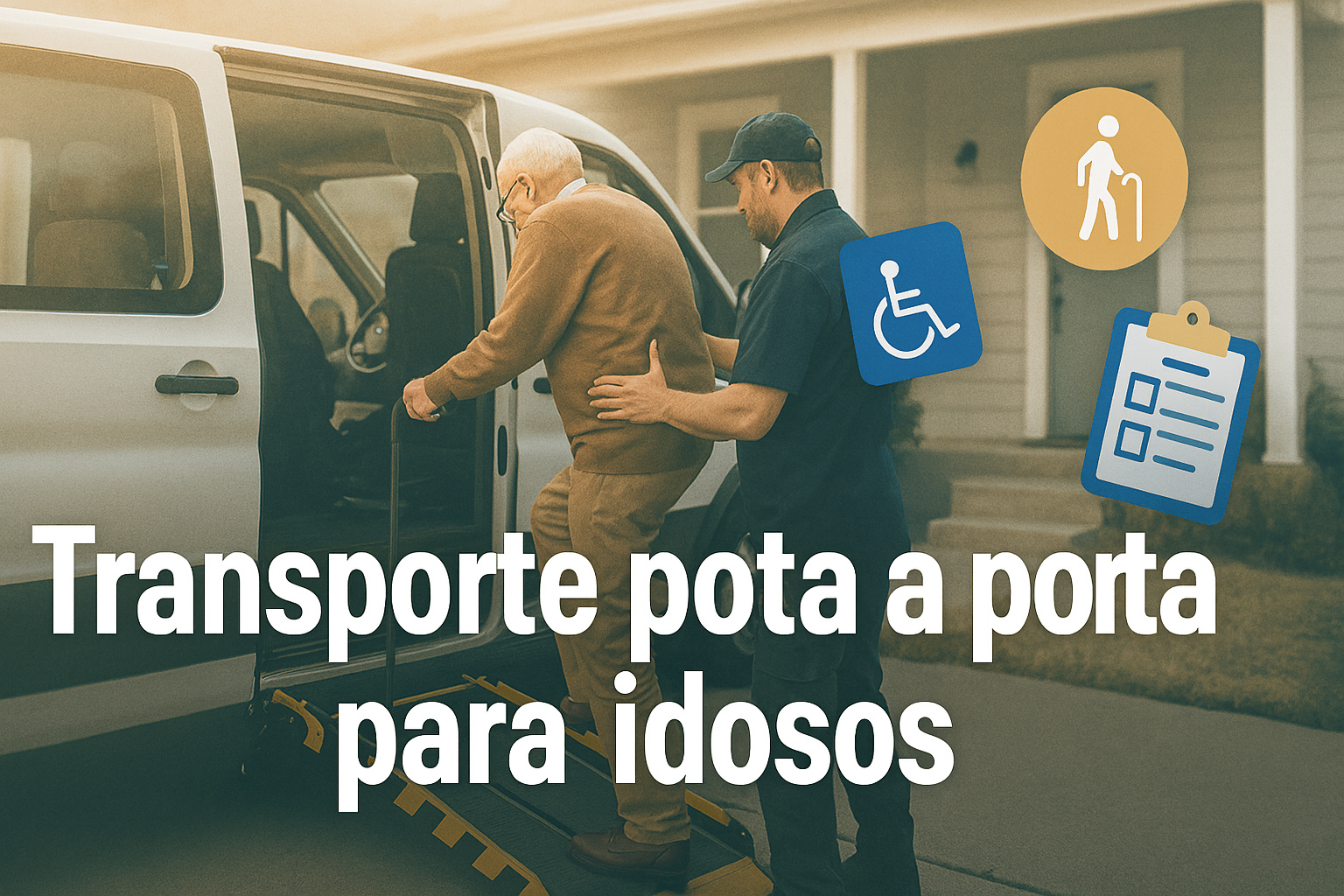


Elderly Over 60 With Reduced Mobility Have the Right to Free Door-to-Door Transportation for Appointments and Treatments. See How It Works and Who Can Request It.
Each year, Brazil ages faster, and with that, the difficulties millions of elderly people face in maintaining something basic: coming and going. In many cases, the journey to a medical appointment becomes a physical, emotional, and even financial challenge. What very few people know is that there is a right guaranteed by law, but widely unknown, that completely changes this scenario: elders over 60 with reduced mobility can be picked up at home, taken to the health unit, and brought back at the end of the appointment, without paying anything for it.
The benefit is provided for in the Statute of the Elderly, in state and municipal regulations, in specific public policies, and in SUS ordinances that establish the creation of Social Transportation, Accessible Transportation, or Health Transportation, free services that should assist those who cannot move independently. Despite this, most of the population has never heard of it, and thousands of elderly people miss essential services simply because they are unaware of this right.
Next, you will understand how it works, who is entitled, why almost no one knows about it, and how to request it, as well as the reasons that make this public policy so transformative for millions of invisible Brazilians.
-
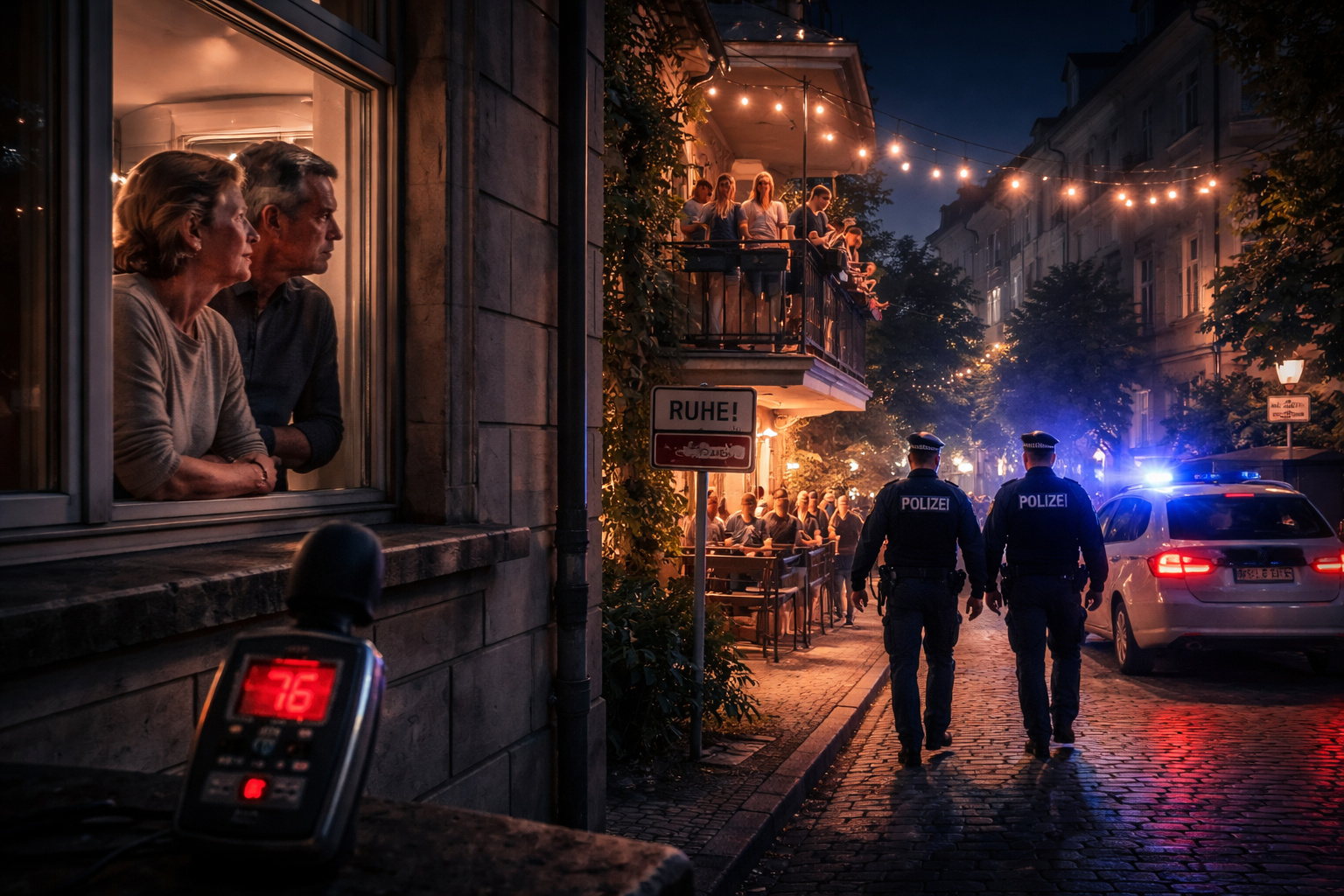
The noise law will no longer be in effect at 10 PM starting in June with a new rule valid during the 2026 World Cup.
-
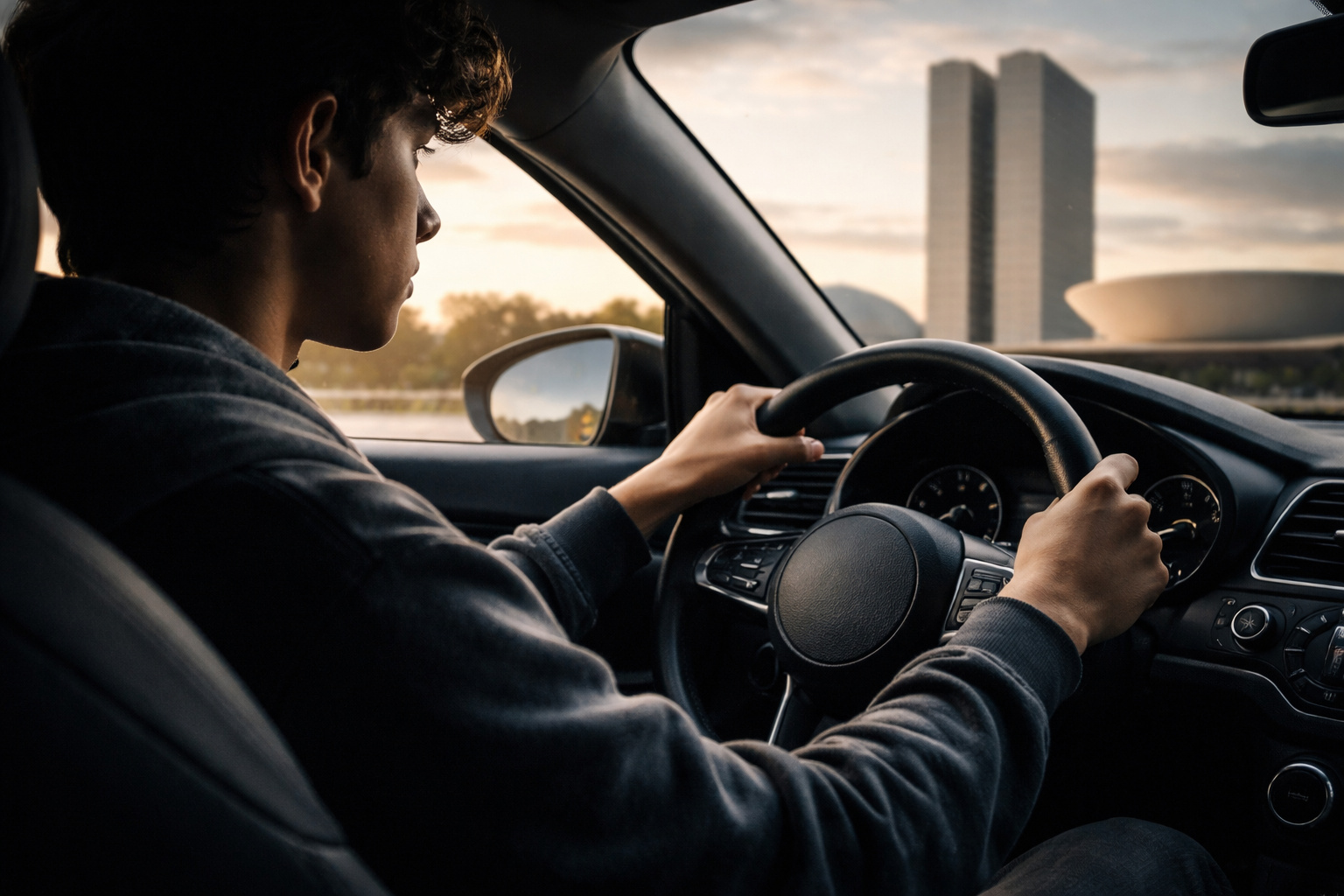
The Chamber opens a debate on driver’s licenses at 16 years old as part of a reform that includes around 270 proposals to change the Brazilian Traffic Code and may redesign rules for licensing, enforcement, and circulation in the country.
-
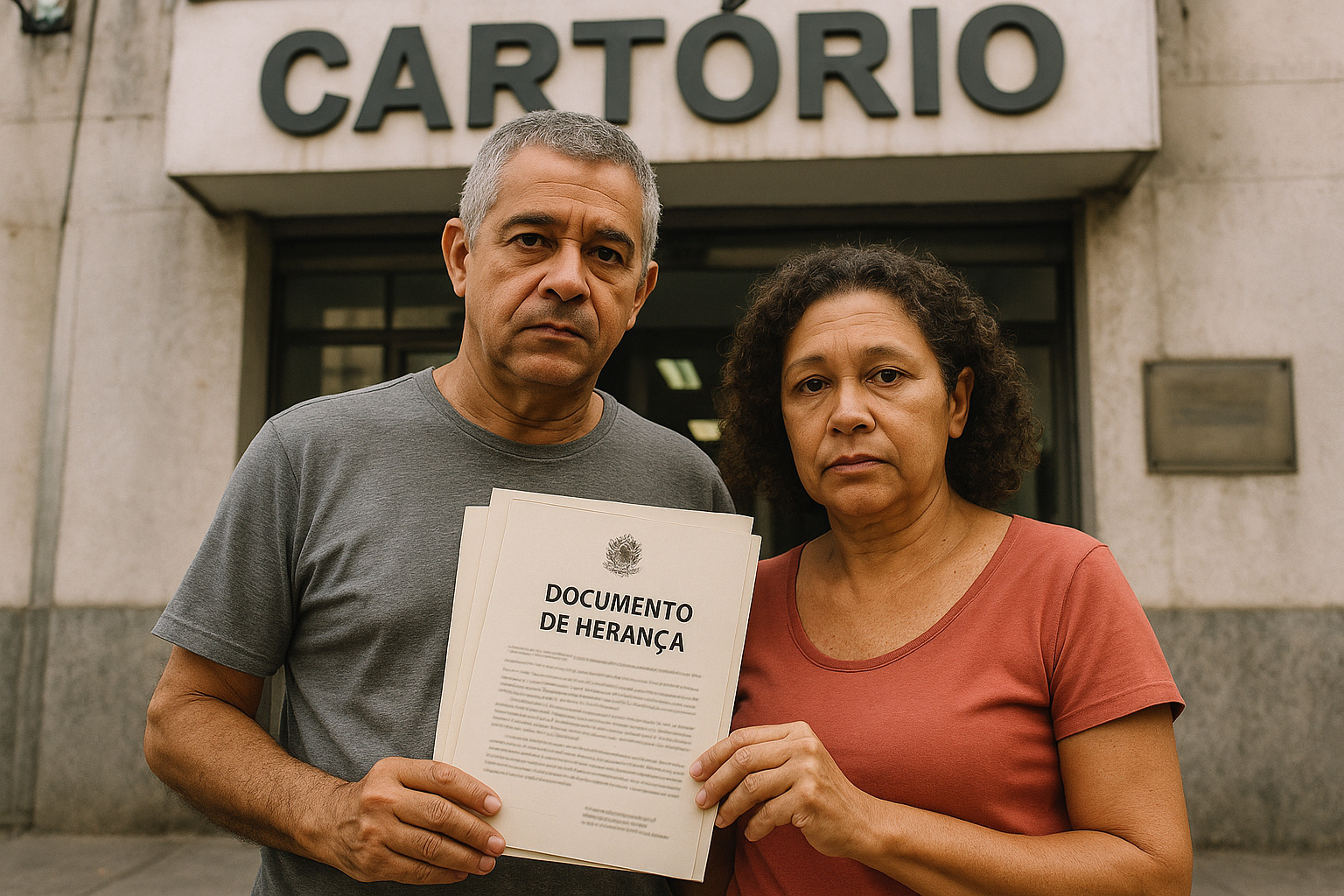
The new Civil Code could revolutionize marriages in Brazil with “express divorce” and changes that could exclude spouses from inheritance.
-
Banco do Brasil sues famous influencer for million-dollar debt and intensifies debate on delinquency, risks of seizure, and direct impact on Gkay’s credibility.


The Right to Free Door-to-Door Transportation: What the Law Really Says
The Statute of the Elderly (Law 10.741/2003) establishes that municipalities and states must guarantee priority access to health services and create mechanisms to assist the elderly with mobility difficulties. This includes:
• appropriate transportation
• home care
• maximum priority in transportation for appointments, exams, and treatments
Additionally, the Ministry of Health regulates the Home Care Service (SAD), the Better at Home program, and authorizes municipalities to maintain Health Transportation services aimed at elderly people with compromised mobility.
In other words, it’s not a favor, it’s not kindness: it’s a public policy stipulated by law.
Municipalities like São Paulo, Belo Horizonte, Curitiba, Recife, Fortaleza, and dozens of cities in the interior already maintain forms such as:
• Accessible Vans
• Social Transportation
• Health Transportation
• Door-to-Door Transportation
• Health Car
• Special Adapted Transportation
All of these are free for elderly individuals with reduced mobility or conditions that prevent them from using conventional means of transportation.
Who Can Actually Use This Service — and Who Doesn’t Know They Are Entitled
Although each municipality has its own criteria, the general rule is clear: People aged 60 and above with reduced mobility have the right to free door-to-door transportation.
This includes individuals with:
– advanced osteoarthritis
– motor limitations
– sequelae of stroke
– severe difficulty walking
– incapacitating heart diseases
– severe obesity
– Parkinson’s
– early-stage Alzheimer’s with supervision
– use of a wheelchair or walker
– lack of physical or cognitive conditions to use conventional transportation
What is surprising is the extent of underreporting. Only a minimal portion of the elderly who could access the service actually utilize it. In some municipalities, studies show that less than 5% of elderly individuals who meet the requirements are aware of the benefit.
This creates a paradox: a huge right, but practically invisible.
How Door-to-Door Transportation for the Elderly Works
Although the name varies from city to city, the logic remains the same. The service usually operates as follows:
- The elderly person schedules transportation through the health unit, post, or municipal app.
- The accessible van picks up the elderly person at home, with an internal lift or ramp.
- The driver and helper accompany the entire process, including safe boarding.
- The elderly person is taken to the appointment, exam, or procedure.
- After the appointment, they are brought back home.
There are also municipalities that provide:
• transportation for rehabilitation
• trips to therapeutic groups
• hemodialysis sessions
• physiotherapy
• cancer treatment
• regular routine check-ups
And when the elderly person cannot be taken to the unit, SUS may send professionals for home care.
Why Almost No One Knows About This Right? The Answer Reveals a Structural Problem
The lack of publicity is the main reason, but not the only one. There are three main causes:
Poor Communication by Municipalities
Services like this are not usually announced in public campaigns, causing the benefit to get lost in the bureaucratic flow.
Disinformation Within the Health System Itself
Many employees at posts and secretary offices do not even know that the service exists or how to activate it.
Socioeconomic Barriers
The elderly who need it most, the poorest and least informed — are precisely those who have the most difficulty discovering their rights.
Result: a fundamental benefit that could improve the quality of life for thousands of elderly people remains hidden, despite being legally stipulated.
The Social Importance of This Transport: What Changes in the Lives of Those Who Use It
For many elderly individuals, door-to-door transportation is much more than a convenience; it is the difference between accessing health care or not. The service allows:
• continuity of treatments
• reduction of absences from essential appointments
• avoidance of health deteriorations due to lack of follow-up
• increased autonomy
• reduction of falls and domestic accidents
• improvement of self-esteem
• decrease in hospitalizations
• ensuring dignity in old age
In cities with higher adoption rates, there has been a significant reduction in hospitalizations for elderly individuals who previously missed appointments simply because they had no way to get there.
How to Request Free Transportation for the Elderly
The process is usually simple:
- Find the nearest Basic Health Unit (UBS).
- Request information about Health Transportation / Door-to-Door / Accessible Transportation.
- Bring a photo ID and proof of address.
- A professional will assess the need and register you.
- Once registered, the elderly person can schedule transportation for appointments and exams.
In some municipalities, NGOs, elderly associations, and CRAS also facilitate the referral process.
Why This Right Matters and Why It Needs to Be More Widely Known
Door-to-door transportation may be one of the most transformative rights provided for in the Statute of the Elderly. It restores autonomy, dignity, security, and real access to health.
In a country where millions of elderly individuals live alone, depend on neighbors, or cannot move about, it is also a way to ensure that old age does not mean isolation.
It is a quiet, discreet, little-publicized right — precisely for this reason, very few people know they can demand it. And if more elderly individuals knew about this benefit, thousands of missed appointments, avoidable hospitalizations, and unnecessary pain could be prevented.









Mais uma pra pegar ****.