





 English
  Francês
  Alemão
  Italiano
  Japonês
  Norueguês
  Portuguese
  Spanish
 3 min of reading


Ethanol Can Be Used As Fuel In Electric Cars
The transition to new fuels, such as ethanol and hydrogen, is a fundamental issue for the sustainability of the automotive sector. And the good news is that Brazil is at the forefront of developing technologies that can make this transition faster and more efficient.
However, the transition to new fuels has been one of the major challenges of the automotive industry. Nevertheless, a technology developed in Brazil may offer a viable and sustainable solution for this transition. According to researchers from the State University of Campinas (Unicamp), it is possible to use ethanol as fuel for electric vehicles.
Learn More About The Logic Of The Electric Car Using Ethanol With The Video Below
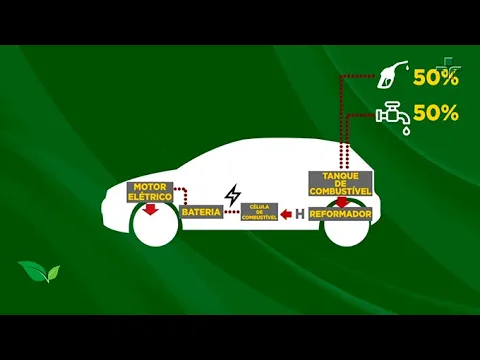

Microrreformer: The Key Piece For The Magic To Happen
The technology works through a microrreformer, a component that performs a chemical reaction that transforms ethanol into hydrogen. This hydrogen, in turn, generates electricity, which is used to power the electric car. According to the researchers, this technology is more efficient than producing hydrogen from water, which is more common in other electric vehicle technologies.
-
350-year mystery may have been solved: remains of a soldier who inspired the hero of The Three Musketeers found beneath a church in the Netherlands.

-
NASA photographed a nearly perfect square with 3 km sides on Mars, 13 times larger than the Great Pyramid of Giza, but the official explanation is natural erosion; still, no one has explained why the four sides have almost identical lengths.

-
Starlink breaks the barrier of 10,000 satellites in orbit and takes its expansion to an unprecedented level, with a direct impact on global internet, technological competition, and the race for space.

-
Japan finds an alternative to oil amid rising prices by transforming ocean balance into electricity with a new technology that maintains efficiency even when the sea changes.


Furthermore, the technology developed in Brazil can assist in the transition to vehicles powered by new fuels, making this transition faster and more efficient. With the production of second-generation ethanol and the development of hydrogen production projects from renewable sources, Brazil is consolidating itself as a leading country in the search for sustainable solutions for the automotive industry.
Ethanol And Hydrogen Are Sustainable Energy Sources That Are Being Increasingly Targeted
Ethanol is a more sustainable fuel option than petroleum derivatives, as it is produced from renewable sources such as sugarcane. Additionally, Brazilian technology allows for the production of second-generation ethanol from sugarcane bagasse, making production even more efficient and sustainable.
Hydrogen is another clean fuel option that has gained prominence in the automotive industry. Brazilian technology is also advancing in this area, with projects for hydrogen production from renewable sources such as biomass.
Benefits Of Using Ethanol
In addition to being a more sustainable fuel source than petroleum, ethanol is a widely available product in Brazil, which is one of the world’s largest producers of sugarcane. With the use of this technology, consumers could refuel their electric vehicles with ethanol, which would be cheaper and have greater efficiency. This is because, according to the researchers, the technology allows for the use of more diluted ethanol in water than usual, which would increase the kilometers driven per liter of ethanol.
Hydrogen Could Increase Production In The Coming Years And Reduce Fuel Use
Still in the biofuels sector, there are other options that can help in the transition to more sustainable vehicles. Hydrogen, for example, is a promising bet. However, its production is still not very viable due to high costs. But a technology developed in Brazil may change this scenario.
In the state of Minas Gerais, researchers from the Federal University of Uberlândia developed an innovative process to produce hydrogen from agricultural and agro-industrial waste. Using an electrochemical reactor, it is possible to obtain hydrogen from materials such as cane bagasse, coffee husk, and cellulose waste.
Moreover, the technology has an important differentiator. After all, the process is carried out at room temperature. Thus, production costs are reduced. This technique could make hydrogen production viable on a large scale and contribute to the transition from fossil fuels to cleaner and more sustainable sources.
Finally, it is important to highlight that research and innovations in the biofuels sector are fundamental to the search for alternatives to fossil fuels, which generate pollution and contribute to global warming. The use of technologies such as the ethanol microrreformer and hydrogen production from agricultural and agro-industrial waste are examples of how science can contribute to a more sustainable future.





Seja o primeiro a reagir!