





 English
  Francês
  Alemão
  Italiano
  Japonês
  Norueguês
  Portuguese
  Spanish
 3 min of reading


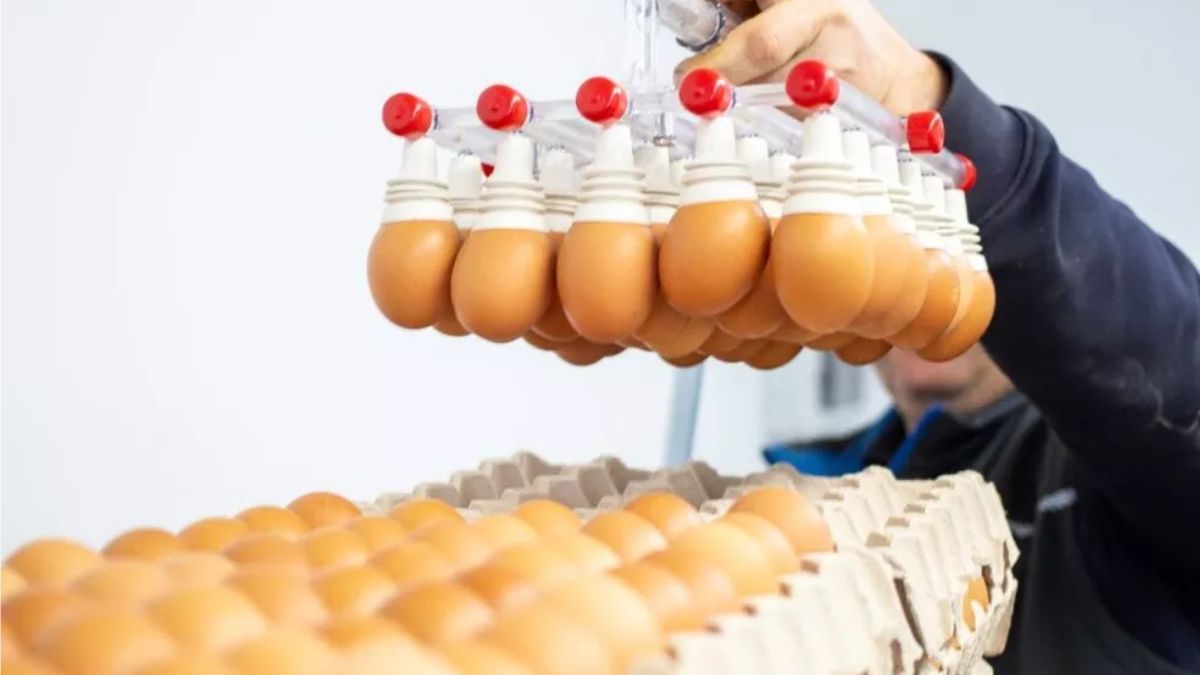
Researchers from the Federal University of Paraná (UFPR) Created an Innovative Fertilizer Aiming to Reuse Eggshells, Generally Discarded
Once again, Brazilian research stands out! The Advanced Materials Chemistry Laboratory (Laqma) at the Federal University of Paraná (UFPR) announced that its research on the creation of a new fertilizer yielded excellent results using eggshells. In addition to being more sustainable, the fertilizer promises to be more economical and nutritious for plants such as corn and soybeans, posing no risk of toxicity to humans, and aims to help agribusiness maintain healthy crops.
It is estimated that around 6 million eggshells are discarded each year worldwide, which is a significant waste. The researchers conducted a series of tests and studies and confirmed that the new fertilizer is as effective as and even superior to brands currently used in crops today. Learn more about this national invention!
Understand How Eggshells Can Help Plant Growth with the Video Below
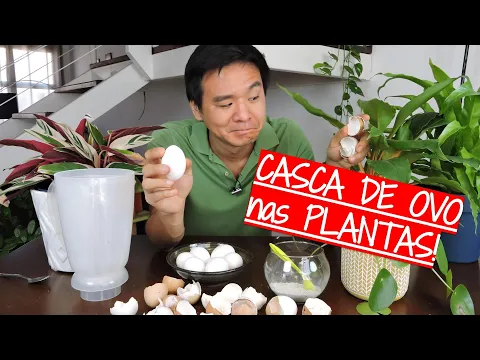

UFPR Fertilizer Uses Innovative Mechanochemical Grinding Technique to Reuse Eggshells
The technique to produce the fertilizer is novel and utilizes a mechanochemical grinding process, in which the materials are ground and promote a reaction among themselves from the compounds generated through friction and motion energy. The mills are composed of high-energy spheres, with potassium phosphates that will promote chemical reactions through movement to produce the fertilizer.
-
Expansion of Federal Institutes: 38 new campuses and R$ 200 million for public education; see the cities included.

-
Lula’s government changes rule in important benefit and thousands of Brazilians will no longer receive it; see what has changed.

-
New Gripen fighter makes Argentines surrender to Brazil, and the heavy reaction exposes envy, frustration, and shock at Brazil’s technological leap.

-
This discovered deposit near the Andes could change the future of Argentina, attract billions, and even shake up the global metals market.

The breakdown of calcium phosphate with the components of eggshells can supply phosphorus, potassium, and calcium to the soil, stimulating plant growth in a sustainable and economical way. This can benefit corn, soybean, and other agribusiness crops like never before.
“The main constituent of asbestos is calcium carbonate (CaCO3), which is also the main constituent of eggshells. Therefore, we thought that, due to their similar chemical composition, eggshells could also be used to produce intelligent ecological fertilizers. That is, fertilizers produced from waste or by-products that have greater agronomic effectiveness compared to conventional fertilizers.”.
Roger Borges, researcher at the Brazilian Agricultural Research Corporation (Embrapa) and project author
Process Created by the Researcher Dispenses the Need for Steps to Create the Fertilizer, Saving Water and Avoiding Undesirable Waste
The researcher responsible for the study points out that the method used is sustainable not only because of the reuse of eggshells but also because the process saves water and prevents the formation of undesirable waste at the end of the process. He explains that the differentiated grinding process does not use water, making production faster and more economical.
Furthermore, everything produced during the chemical reaction is natural and non-toxic to humans or plants, thus avoiding the need for purification. This way, a recycling cycle is closed, using discarded by-products from large companies to produce a new compound applied in crops and agribusiness. All of this is done without harming the environment during production, making it more sustainable.
The New Product Is Less Soluble in Water, Making It Even More Efficient
In addition to all the advantages mentioned, the product is also less soluble in water. This is because, during rain, the fertilizer is less likely to dissolve and be washed away, remaining in the action spot. Therefore, the release is controlled and constant, avoiding the need for replenishment for long periods.
Conventional fertilizers, when washed away by rain, can end up in rivers and stimulate excessive algal growth, creating a phenomenon known as eutrophication, where the water becomes murky. This new fertilizer model does not have this runoff capacity and prevents this secondary damage to nature.
To learn more, read the full article by clicking here.







Seja o primeiro a reagir!