Portuguese
  Spanish



An Innovative Method Was Created By The State University Of São Paulo (UNESP) And Uses Fungi And Sugarcane Molasses In The Aluminum Extraction Process From Bauxite
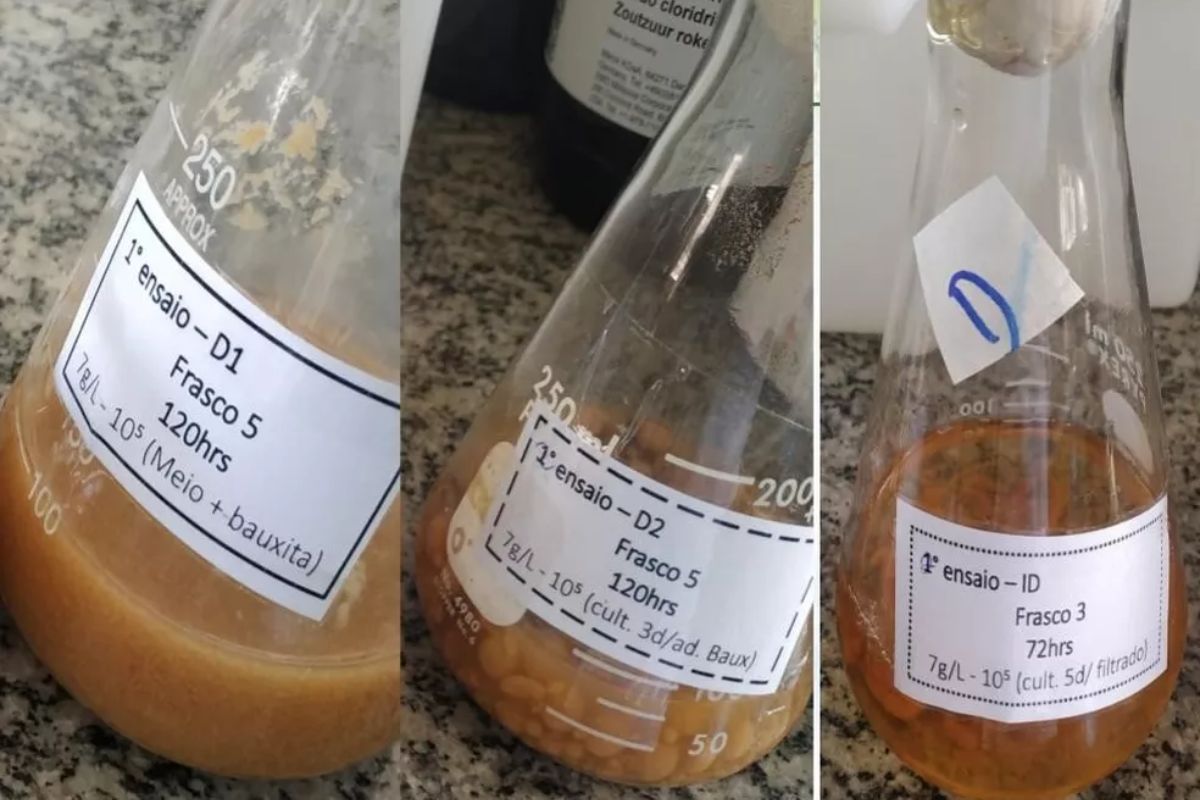
The extraction of aluminum from bauxite is a mining process that brings many environmental impacts and is an expensive method. Considering alternatives, researchers from the Institute of Chemistry at the State University of São Paulo developed a new method to extract the compound using fungi and sugarcane molasses, which are less harmful than the products used in mining.
The method is unprecedented in the world and secured a patent (when the discovery has never been made by anyone in the world). The process that uses fungi and sugarcane molasses promises to be much cheaper than conventional mining and also optimize extraction, in addition to being sustainable. Check out more about this discovery by reading the article to the end.
Learn More About The Effects Of Aluminum Extraction From Bauxite On The Environment With The Video Below.
Unprecedented Result Secured The Patent Of The Discovery To Be Used In Other Places In The World
Although there are still no conclusive results, the researchers obtained the patent registration from the National Institute of Industrial Property (INPI). The procedure was only tested in the laboratory, but it has already yielded impressive results, which culminated in the registration.
-
Half of Brazilians Prefer Lower Taxes with Private Health and Education, While 44% Opt for Higher Taxes for State-Provided Services, Datafolha Survey Reveals

-
The U.S. Navy Conducts Submarine Tests in Idaho Lake to Detect Underwater Noises Hidden by the Ocean

-
Brazil’s Most Expensive Toll Rises to R$ 40.60 on Route from São Paulo to the Coast, Nearly Matching Bus Fare to Santos

-
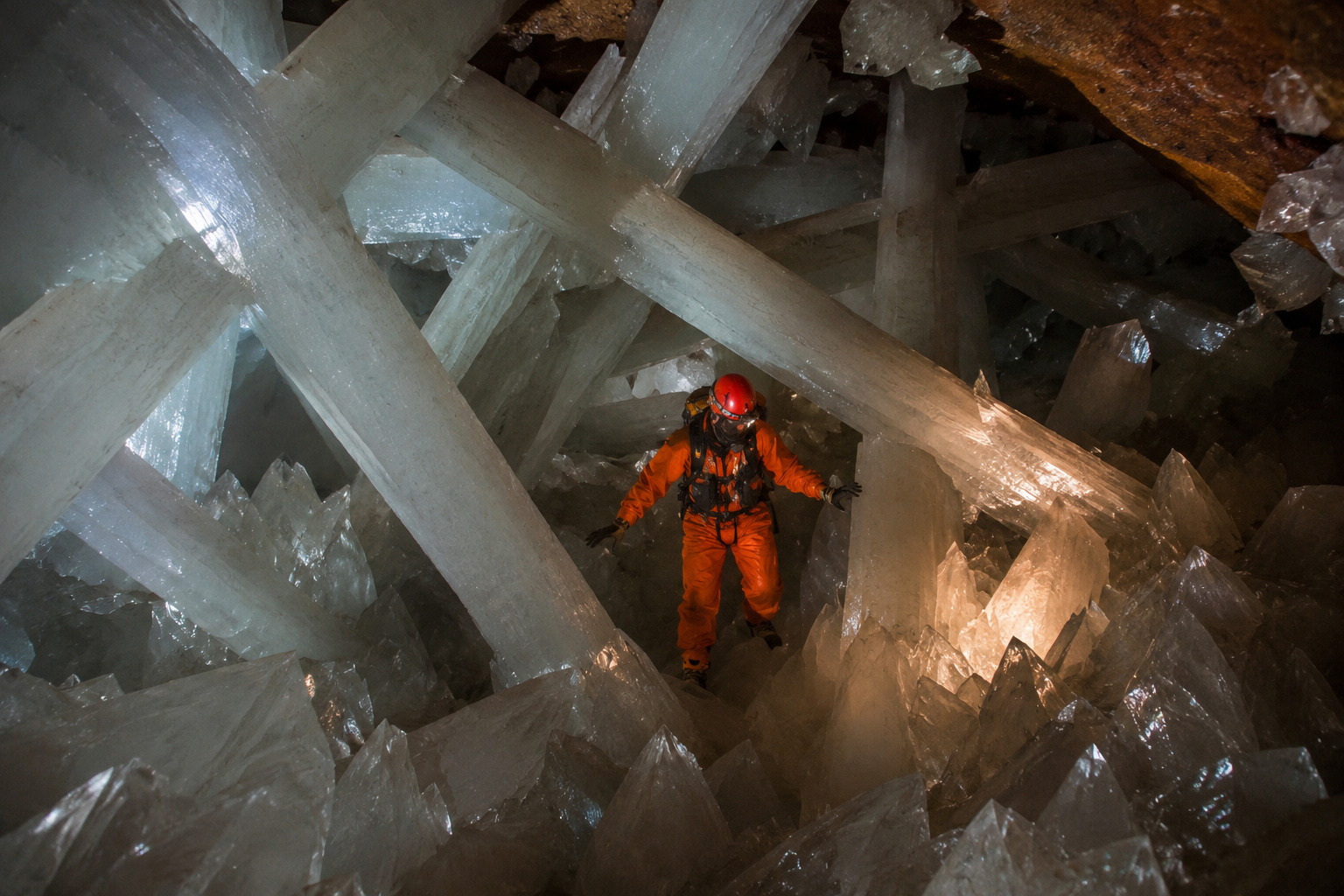
Mexico’s Giant Crystal Cave: A Deadly 58°C Underground Palace with 11-Meter Crystals Formed Over Nearly a Million Years




The researchers point out that the procedure used will be more accessible and sustainable, avoiding harm to the environment. Additionally, it could be used to extract aluminum from sources other than bauxite.
“Even on a small scale, we managed to achieve a great result with this approach. It is an important step.” The process used by industries is extremely aggressive. It requires large amounts of energy and supplies, which raises the cost of the product and generates highly toxic waste, such as the so-called ‘red mud,’ composed of different chemical agents.”
Denise Bevilaqua, Professor And Vice Director Of The Institute Of Chemistry, One Of The Authors Of The Study (2022).
The process developed by UNESP uses simple procedures, under normal pressure and temperature conditions that do not require the addition of contaminants and expensive strong reagents and acids. In this way, the extraction of aluminum is more natural and reduces the formation of waste that impacts the environment.
The Study Is The First To Propose The Use Of Fungi Acids Instead Of Conventional Ones To Extract Aluminum From Bauxite
The research developed here in Brazil is even more brilliant because no one in the world had thought of using the acids produced by fungi from sugarcane molasses to extract aluminum. Moreover, using molasses as a source for fungi is ingenious because it is a waste from the sugarcane industry and serves very well as food for cultivating fungi, without needing to spend on artificial sucrose and glucose.
“Fungi normally already produce acids, but with molasses it was possible to make this process cheaper to be applied in recovering the aluminum present in bauxite. We can use nature’s capacity for something of societal interest and encourage the circular economy.”
Sandra Regina Pombeiro Sponchiado, Professor At The IQ, One Of The Authors Of The Work (2022)
The Researchers From UNESP Are Now Seeking Large-Scale Funding To Apply This In The Mining Sector
The next step in the study is to seek large-scale funding for industrial production. Investment is necessary to improve the technique and seek immediate application in the mining sector.
“Mining is an activity that will continue to be present in society, but it can and should have its impacts reduced. What we have to do is propose more sustainable and less aggressive alternatives for this process.”
Denise Bevilaqua, Professor And Vice Director Of The Institute Of Chemistry, One Of The Authors Of The Study (2022).