





 English
  Francês
  Alemão
  Italiano
  Japonês
  Norueguês
  Portuguese
  Spanish
  3 min of reading
  0 comments


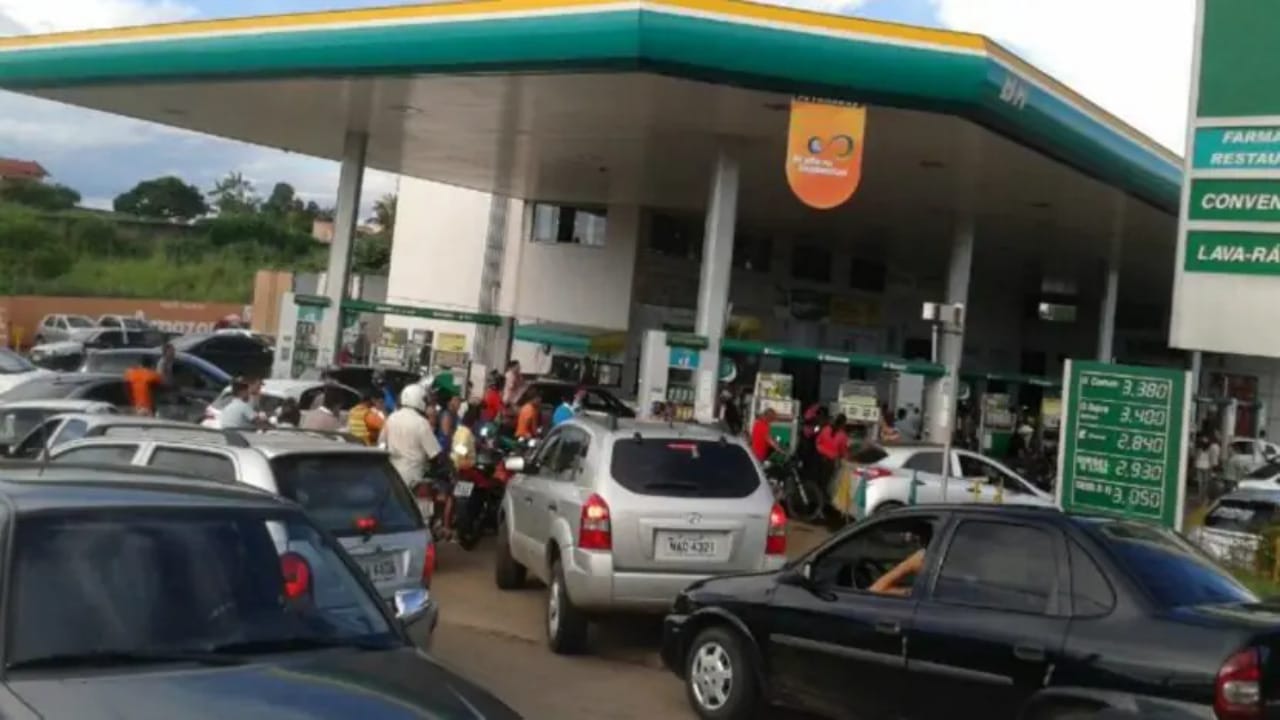
To Stay Competitive with Ethanol, Petrobras Reduces Gasoline Price; Conversely, Diesel Becomes More Expensive in Attempt to Balance Brent Oil Price Surge, Which Stays Firm Above 90 Dollars.
Petrobras surprised the market by announcing a reduction of 4% in gasoline prices sold at its refineries, in a strategic move to regain lost ground to its ethanol competitor. This decision was made with the high utilization factor of Petrobras’ refineries in mind, indicating an effort to increase its penetration in the domestic fuel market.
Conversely, the oil company raised the price of diesel by R$ 0.25 per liter, making its average sales price of diesel A for distributors R$ 4.05 per liter. Considering the mandatory blend of 88% diesel A and 12% biodiesel in the diesel sold at gas stations, Petrobras’ share of the consumer price will be, on average, R$ 3.56 for every liter sold at the pump.
Brent Oil Maintains Firm Prices Above 90 Dollars a Barrel
The international oil market Brent remains firm above 90 dollars per barrel, which, at first glance, may seem contradictory to the reduction of gasoline prices. However, this action appears to be motivated by supply and demand conditions in the domestic market and the increasing competition from hydrated ethanol in Brazil, which has caused a decline in gasoline consumption.
-
Unemployment rises again to 5.8% at the beginning of 2026, raising alarms about the end of temporary positions and its impact on the Brazilian job market.

-
Document organization can cut invisible costs in small businesses, a simple step that prevents waste, rework, and losses in daily operations.

-
Chinese giant worth nearly R$ 4 billion that manufactures cables for electric cars, solar energy, and robotics wants to open a factory in SC.

-
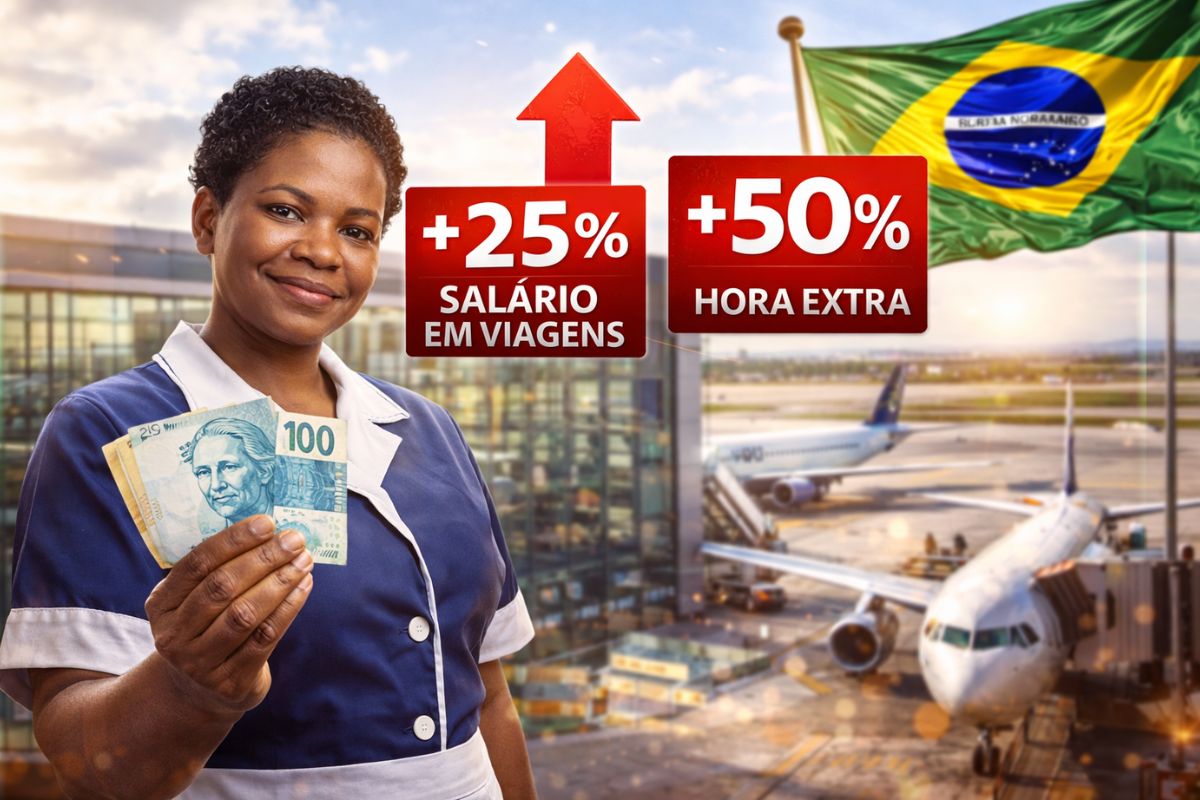
Many employers do not know, but the law guarantees domestic workers a 25% increase in salary during trips, 50% for overtime, 20% for night shifts, and 17 additional benefits that can lead to labor lawsuits if not paid.

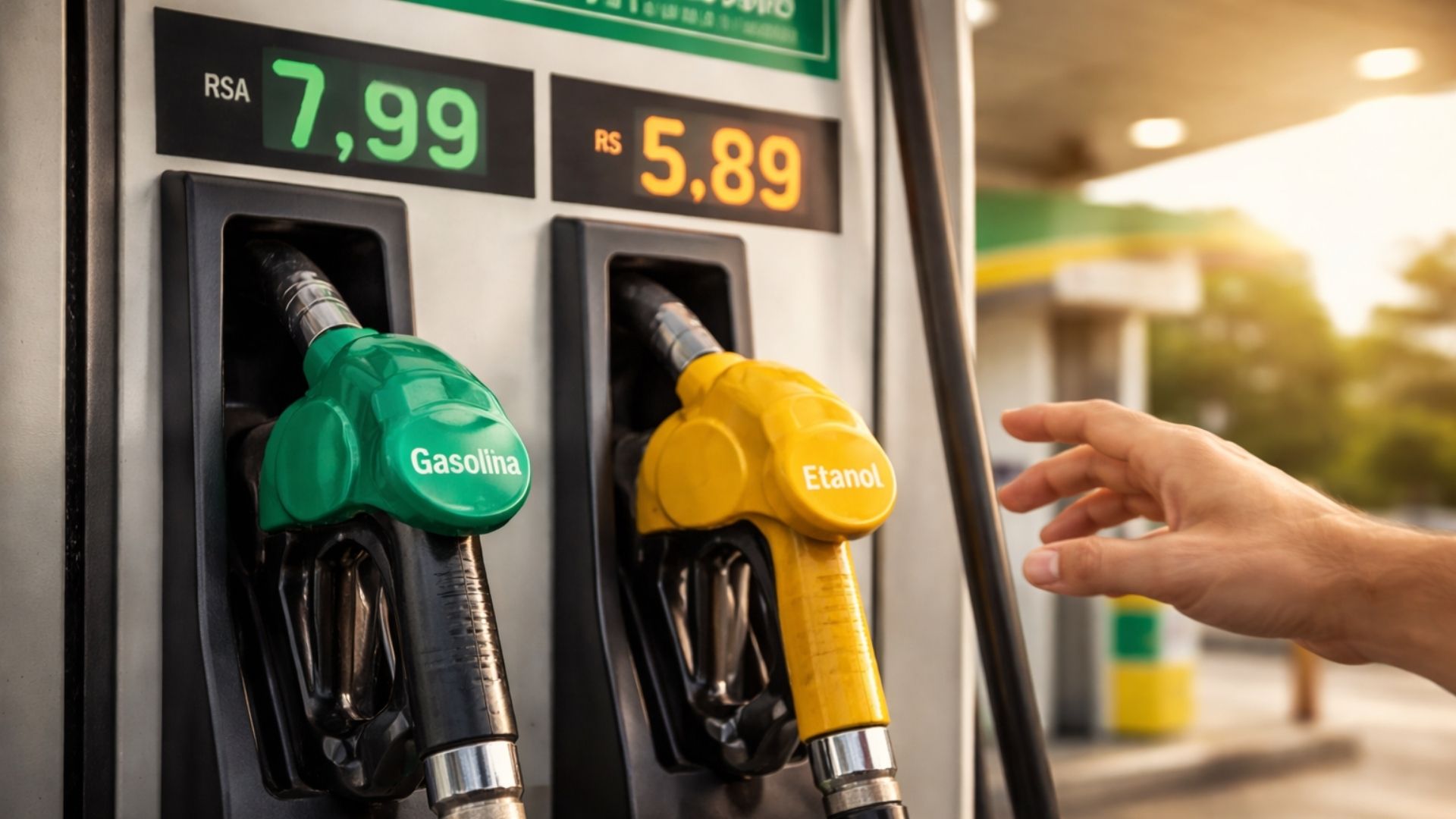
The average reduction of 12 cents per liter announced by Petrobras, although higher than the monitored gap, suggests a strategy to align gasoline prices with the international market while simultaneously combating the loss of “market share” to hydrated ethanol.
In September, the sugarcane mills in the southeast increased hydrated ethanol sales by 18.45% compared to the previous year, while the sale of anhydrous alcohol, which is blended with gasoline, saw a significant decline. Data from the Brazilian National Agency of Petroleum (ANP) indicate a continuous market loss for fossil fuel in favor of more sustainable alternatives.
Conversely, Petrobras Increased the Diesel Price by 6.58%
While Petrobras seeks to balance its position in the gasoline market against ethanol, the company also announced a 6.58% increase in the average sales price of diesel to distributors. This move may be a response to international market demand and domestic needs, reflecting the complexity of the company’s decisions in the current scenario.
The Petrobras is facing significant challenges regarding competition and changes in the fuel market. With the growing preference of Brazilian consumers for ethanol and the fluctuations in oil prices in the global market, the company is adopting a strategy that combines gasoline price reductions to gain competitiveness in the domestic market while increasing diesel prices to align with international demands.
Strategy to Win Over the Consumer
By making these decisions, Petrobras demonstrates a commitment to innovation and sustainability, which are essential elements in the modern fuel market. The company is facing competition from ethanol, a more eco-friendly alternative, and adjusting its prices to remain competitive. The future of the fuel market will be shaped by these strategies and the consumer’s response to price changes.
The pursuit of consumer preference promises to continue shaping the fuel landscape in Brazil in the coming years.






Seja o primeiro a reagir!