





 Portuguese
  English
  Spanish
  5 min of reading
  0 comments



In 2025, Interviews with Brazilians in Portugal Reveal Salaries ranging from €300 to €15,000 Per Month, Stories of Tight Living Conditions, Unexpected Luxury, Exhausting Work, Heavy Rent, Strict Planning, and Radical Decisions from Those Who Swear They Won’t Return to Brazil Even in the Face of Longing, Monthly Budgets, and Uncertainty
A series of accounts from Brazilians in Portugal lays bare a reality that ranges from salaries of €300 to incomes nearing €15,000 per month. In these same testimonies, stories coexist of always being at the limit with bills, long shifts with little rest, alongside scenes of discreet luxury, travels across Europe, and consumption standards that many interviewees claim they never reached in Brazil.
The accounts show trajectories that range from low-level jobs to qualified positions, always interspersed with comparisons between the cost of living, safety, work routines, the ability to save money, and the weight of distance from family. Together, the narratives paint a more complex picture of the lives of Brazilians in Portugal than the simplified dream of “earning in euros and living better” that circulates on social media.
From a Base of €300 Per Month to the Ceiling of €15,000

The testimonies confirm that the gap between those earning little and those reaching the €15,000 monthly range is enormous among Brazilians in Portugal.
-
Italian researchers have detected what appears to be a second Sphinx buried under the sands of Egypt, and satellite scans reveal a gigantic underground megastructure hidden beneath the Giza Plateau for over 3,000 years.

-
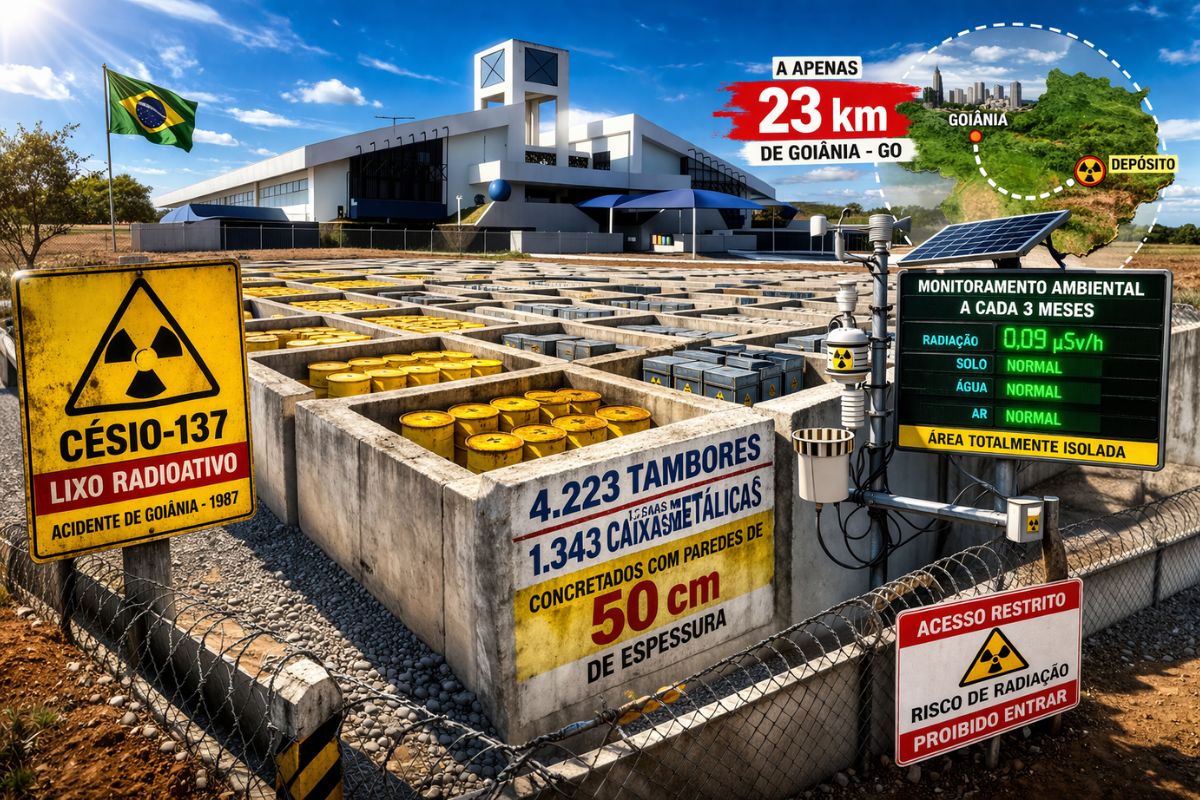
There are 4,223 drums and 1,343 metal boxes concreted with 50-centimeter walls that store the radioactive waste from Cesium-137 in the worst radiological accident in Brazil, just 23 kilometers from Goiânia, with environmental monitoring every three months.
-
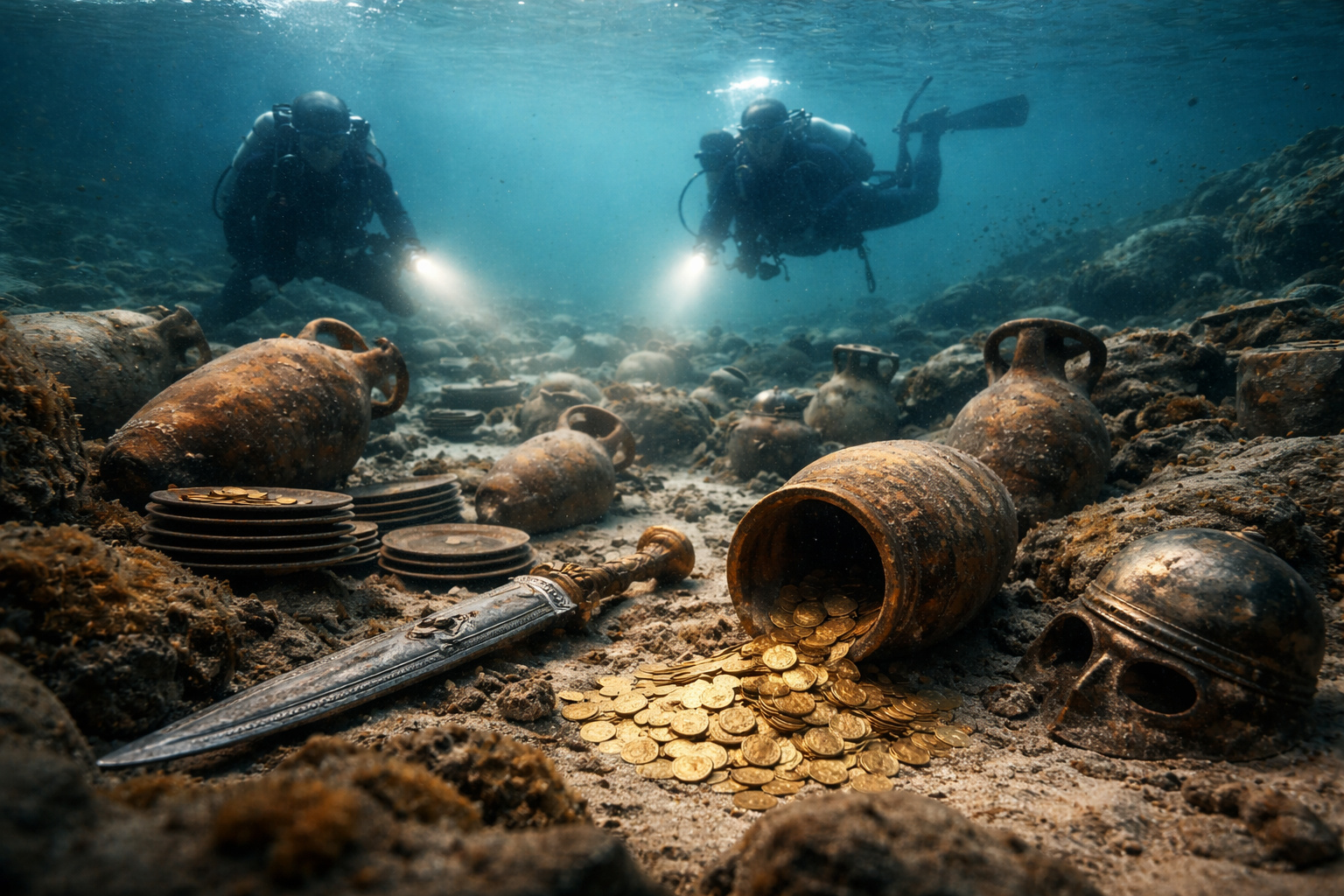
Giant Roman treasure found at the bottom of Lake Neuchâtel in Switzerland reveals an advanced trade system, circulation of goods, and armed escort in the Roman Empire about two thousand years ago.
-
He buried 1,200 old tires in the walls to build his own self-sufficient house in the mountains with glass bottles, rainwater, and an integrated greenhouse.


At the bottom, there are accounts of those earning around €300 per month in routines marked by part-time shifts, side jobs, or weak employment ties, often combining more than one occupation to make ends meet.
At the other end, there are stories of professionals who arrived with solid qualifications, fluency in the language, and international experience, and after years of regularization and job changes, reached salary ranges close to €10,000 to €15,000 per month.
These Brazilians in Portugal describe stable careers, bonuses, corporate benefits, and room to invest, travel, and build financial reserves that they could not establish in Brazil.
Between these extremes, there is a large group receiving intermediate salaries, enough to cover rent, food, and transportation, but with little room to spare.
The accounts indicate that the feeling of progress or stagnation does not depend solely on the absolute salary value but on the balance between what comes in and what goes out at the end of the month.
Tight Living Conditions, Heavy Rent, and Little Room for Error
In the lower and mid-income brackets, Brazilians in Portugal report that rent is often the heaviest component of the monthly budget.
Even without citing specific figures, the testimonies mention small apartments, shared rooms, and the necessity of living far from tourist centers to manage to pay the bills on time.
In these cases, any unforeseen situation concerning health, paperwork, or work disrupts the monthly budget.
Some report frequent job changes, periods without contracts, and the need to accept long shifts in service, cleaning, customer support, or logistics sectors to maintain regular payment schedules.
The priority, according to these accounts, is to avoid debts and not delay basic expenses.
The routine of these Brazilians in Portugal is described as a sequence of work, commuting, and short rest, with little room for leisure or spending beyond the essentials.
The idea of “a better life in euros” often appears conditioned by the fact that, even when tight, the salary allows them to meet commitments and envision some sort of future perspective.
Unexpected Luxury, Stability, and Spending in Euros


At the higher end of the income scale, the picture is quite different.
Brazilians in Portugal in qualified positions report that, after overcoming the initial adaptation phase, they have managed to organize their lives in more structured neighborhoods, with comfortable housing, easy access to services, and the ability to plan periodic travels.
For this group, luxury is not necessarily ostentation, but the combination of safety, purchasing power, and income predictability, elements noted as rare in their previous experiences in Brazil.
This package includes internal travel within Europe, access to restaurants, courses, cultural events, and the ability to save in strong currency.
At the same time, many of these interviewees acknowledge that the path to this stability involved stages of underemployment, hard work, and personal sacrifices.
The difference, according to them, is that the effort now is perceived as an investment in a trajectory that offers a clearer return in quality of life, urban infrastructure, and public services.
Between the Minimum and the Top, the Emotional Weight of the Choice
Even with such distinct economic realities, the accounts converge on two points: the perception of greater safety in Portugal and the difficulty of coping with the distance from family and Brazilian daily life.
Brazilians in Portugal living with little financial margin claim they stay in the country because of the feeling of protection against violence and better-organized access to public services.
Those who have reached higher income levels report that returning to Brazil would mean giving up an environment where rules are more stable, contracts are respected, and long-term planning seems less risky.
In both scenarios, longing emerges as a permanent cost, especially on dates marked by family gatherings, births, and serious illnesses of relatives left behind in Brazil.
The result is a delicate balance between material gains, stability, safety, and emotional losses.
Many interviewees report that they no longer see themselves returning to Brazil definitively, but also do not feel completely disconnected from their home country, living in a kind of permanent border between two worlds.
Why Do So Many Brazilians in Portugal Say They Will Never Return
When asked about the possibility of returning, many Brazilians in Portugal say they do not intend to return permanently to Brazil.
The arguments are repeated: concern over economic instability, fear of violence, anxiety about losing rights already acquired on European soil, and the feeling that they would have to start all over again from scratch.
At the same time, some admit to considering a return only under very specific conditions, such as retirement, a consolidated business, or the chance to work in a hybrid regime between the two countries.
What weighs heavily in the narratives is the perception that the life rebuilt in Portugal, even with difficulties, offers more predictability and fewer ups and downs than the reality they left behind.
In summary, the picture that emerges is one of a continuous flow of Brazilians in Portugal living between tightness and comfort, between the minimum and the high standard, but many see in the European country a safer place to plan the upcoming years of adult life, even if it costs distance and emotional sacrifices.
In light of these accounts from Brazilians in Portugal, which reveal such different salaries and definitive decisions, do you think it is more important to weigh money or quality of life first when deciding whether to move abroad?










-

-

-

-

-

12 pessoas reagiram a isso.