





 Portuguese
  English
  Spanish
  5 min of reading
  0 comments


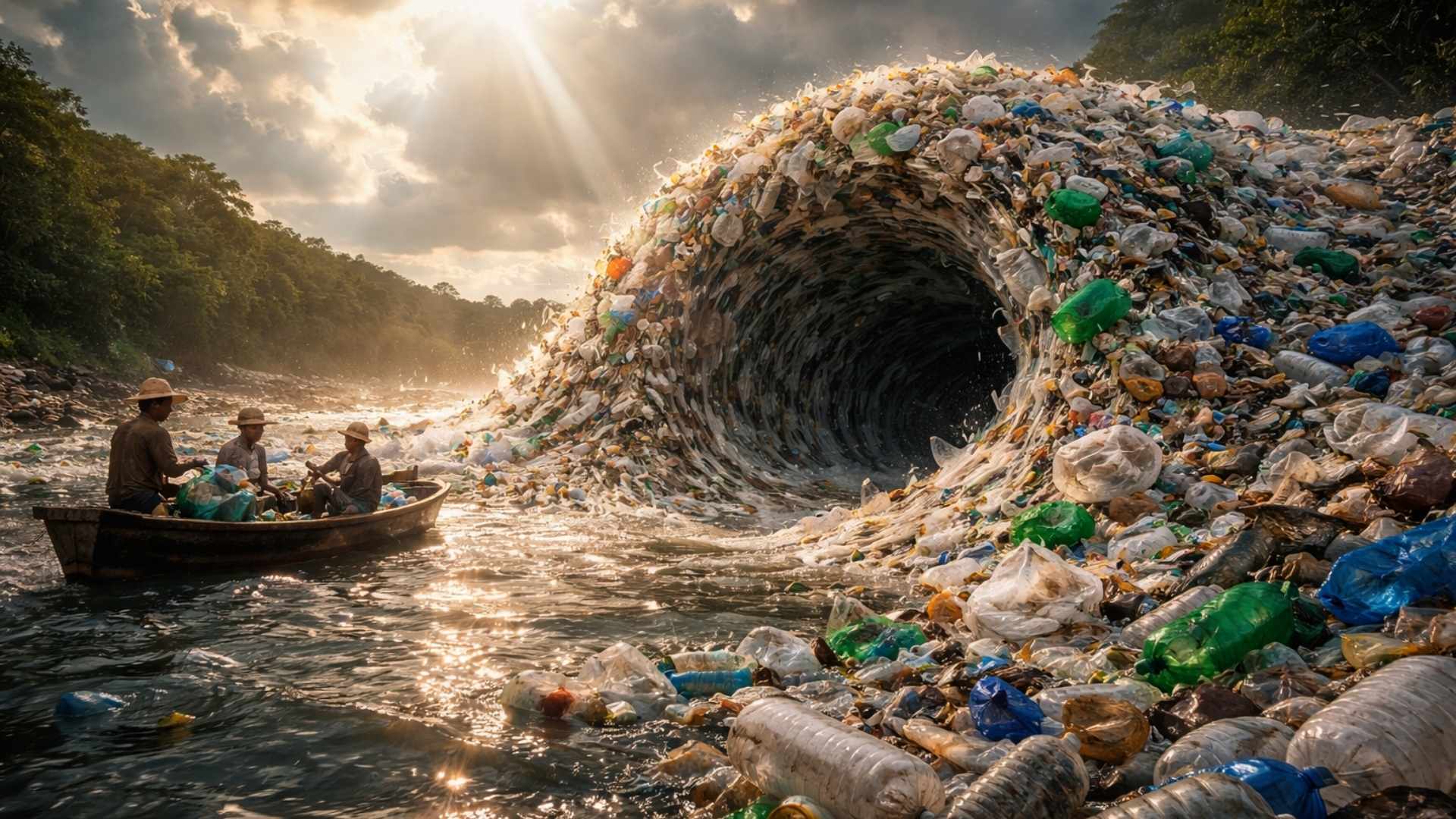
Country assumes central role in international initiative seeking to redesign packaging, expand recycling, and create continuous funding to reduce plastic pollution, with initial focus on solutions tested in Brazilian territory and potential for global replication.
Brazil has become the center of a new international front against plastic pollution.
The Ellen MacArthur Foundation announced a partnership with Clean Rivers to develop, with an initial focus on the country, models for collection and recycling capable of reducing waste leakage into rivers and oceans and creating a long-term funding base for this system.
The initiative is based on the diagnosis that the plastic crisis cannot be solved solely with more recycling, but with changes in the design of packaging, the logic of consumption, and the way the entire chain is financed.
-
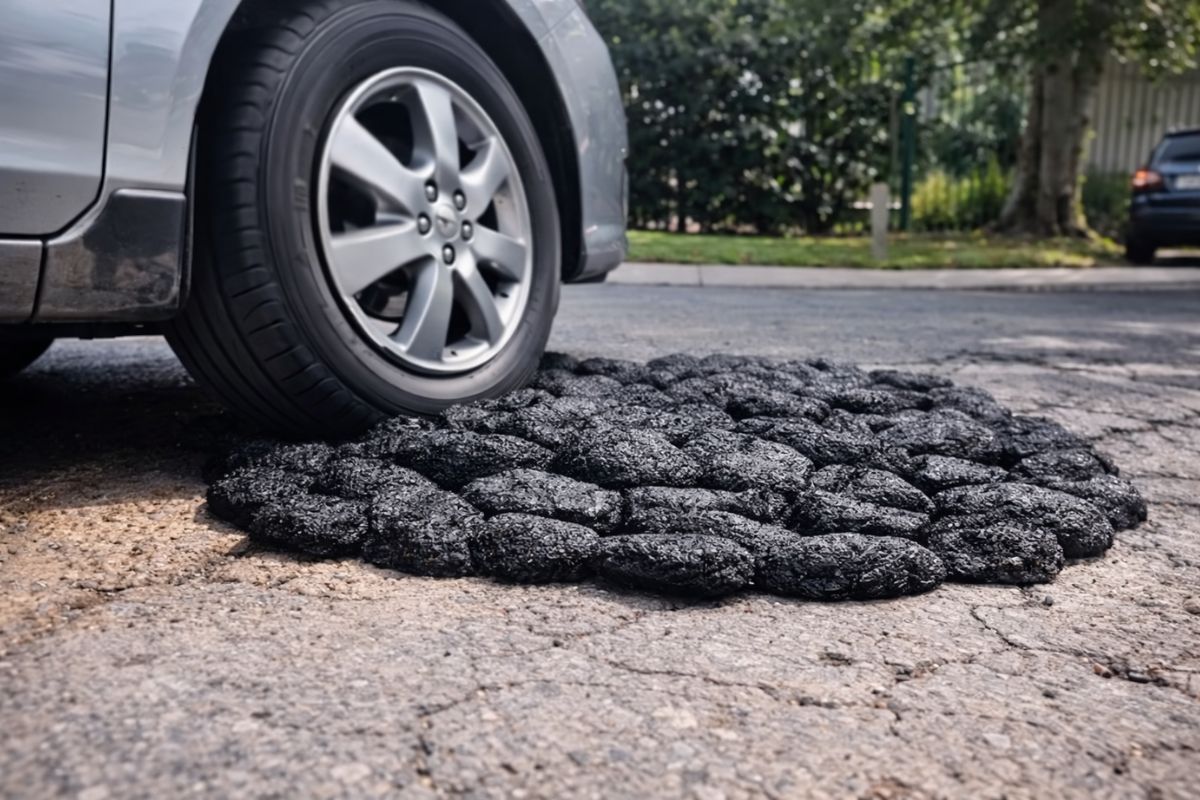
The low-cost solution called PatchPal, invented in South Africa to fix potholes in minutes, does not crack and prevents water from entering, becoming more compact with each car that drives over it, revolutionizing road repairs that governments have forgotten.
-
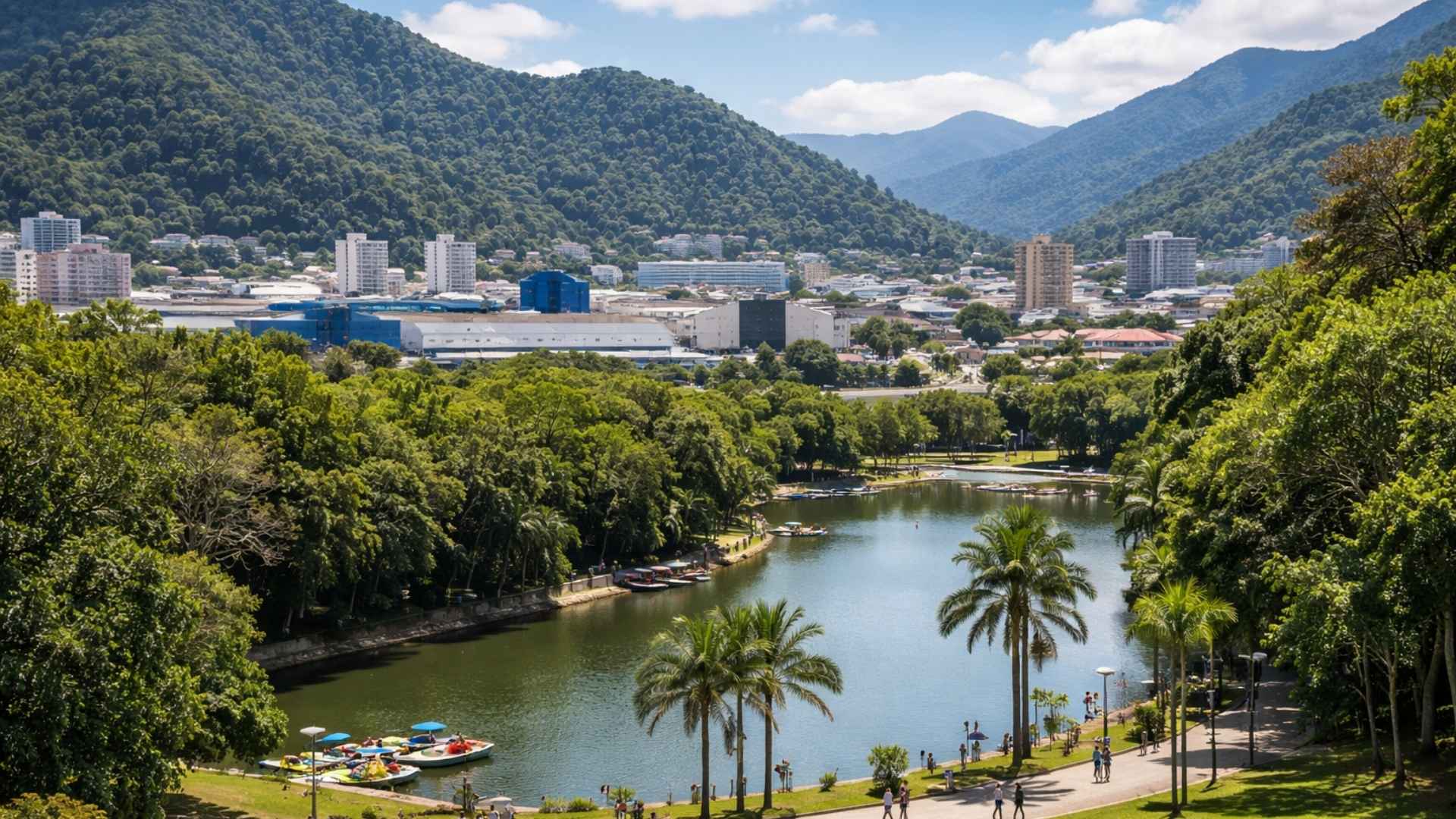
The 2nd safest city in Brazil is attracting new residents, industries, formal jobs, and also has a giant free park.
-
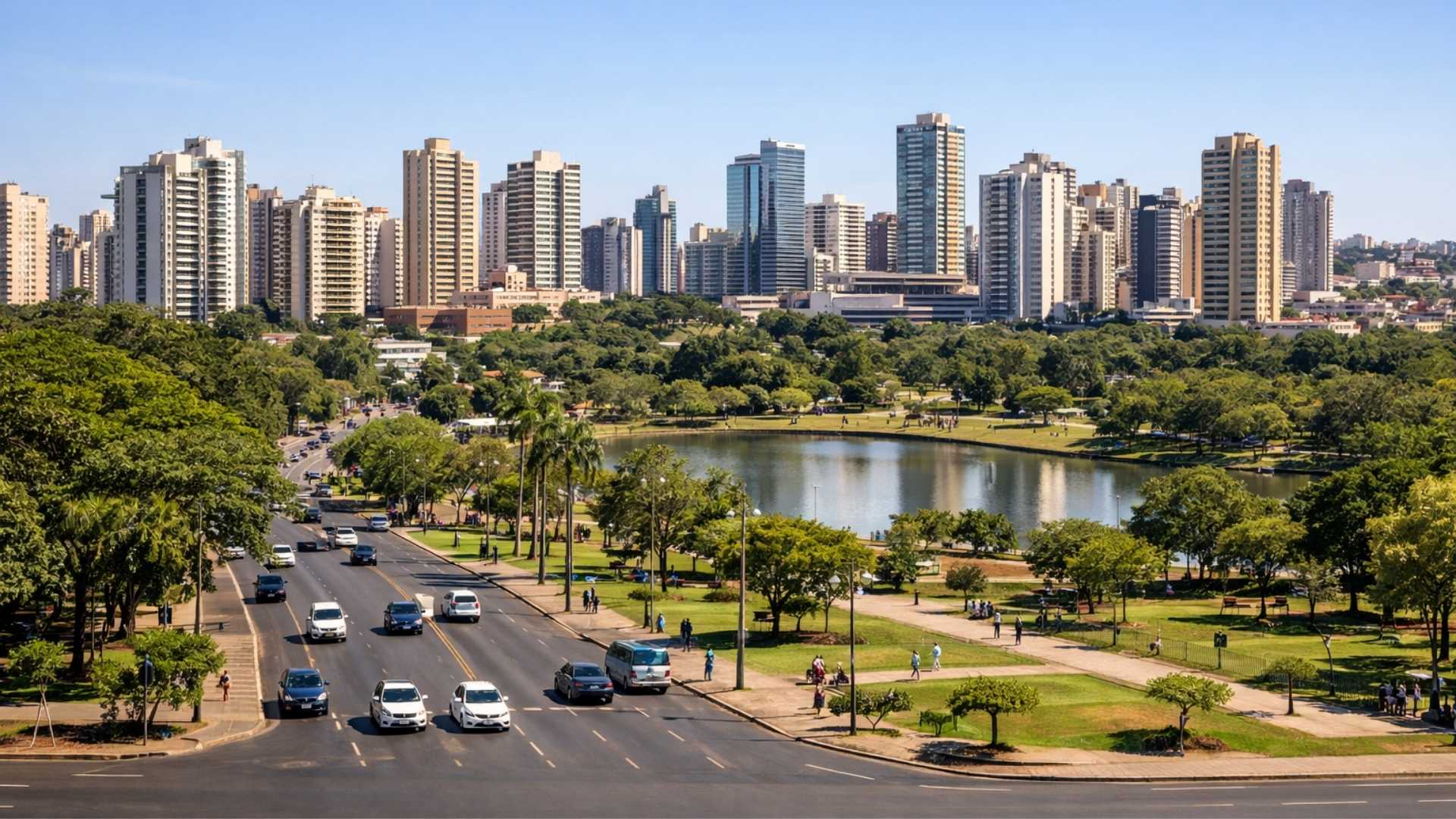
“Brazilian California”: the city is one of the best places to live in Brazil.
-
A collector bought a black stone in Morocco in 2011 without knowing that he had in his hands a Martian meteorite 4.45 billion years old with ten times more water than any other fragment of Mars ever found on Earth.


Brazil as a global laboratory for circular economy
The choice of Brazil was presented by the foundation as a starting point to test solutions that can be replicated in other markets.
According to the organization, the team based in the Brazilian office will continue to work with local actors, as it has been doing in Latin America, to structure an intervention capable of attracting different sources of voluntary investment and scaling a sustainable waste management model.
Plastic crisis and pressure on the oceans
The backdrop is well-known but remains alarming.
In a report that helped consolidate the global debate on the topic, the Ellen MacArthur Foundation estimated that, if the current trend continues, the oceans could have more plastic than fish by weight by 2050.
The same study indicated that at least 8 million tons of plastic enter the sea each year.
It was in this context that Rob Opsomer, the foundation’s global lead for plastics, summarized the urgency of the problem by stating that “millions of tons of plastic continue to flow into the oceans every year, and at the current rate, there could be more plastic than fish by 2050.”
Redesign of packaging and impact on recycling
The proposal under discussion is not limited to the final destination of waste.
The foundation works with the logic of the circular economy, which seeks to prevent waste generation from the outset, keep materials in use for longer, and reduce dependence on virgin raw materials.
In practice, this means removing problematic or unnecessary packaging from circulation, redesigning products so they can be reused or recycled more efficiently, and strengthening the collection and sorting infrastructure for materials that remain in circulation.
This redesign has direct effects on the economic viability of recycling.
Packaging made from mixed materials, with many layers, or with additives that hinder separation remain among the main technical barriers in the sector.
On the other hand, simpler and standardized items tend to have higher market value and better utilization.
Therefore, the required change goes beyond the consumer and depends on coordination among manufacturers, retailers, recyclers, public authorities, and waste picker cooperatives.
Waste pickers and environmental regulation in Brazil
In the Brazilian case, this point is particularly sensitive because waste pickers occupy a central position in urban waste management.
In detailing the next steps for the regulation of the reverse logistics of plastic packaging, the Ministry of the Environment informed that the measures under discussion are structural for the functioning of the system and for strengthening the role of cooperatives.
The same regulation includes instruments to encourage the improvement of packaging design, precisely to enhance its recyclability and create mechanisms for tracking recycled content.
The Brazilian regulatory environment has also advanced in recent months.
In 2025, the federal government established the Reverse Logistics System for Plastic Packaging and set targets for collection, recycling, reuse, and recycled content.
According to the Ministry of the Environment, the country has committed to collecting and recycling 50% of all packaging by 2040, with an intermediate target of 32% by 2026.
For reuse, the official reference is to raise the rate from 22% to 40% by 2040.
Funding and scale of the project
This movement helps explain why the country appears as a strategic ground for the foundation, although the organization has not publicly detailed all the criteria used for the selection in the partnership announcement.
What is clear is that the project aims to address a recognized gap: the lack of waste management infrastructure in much of the world.
The foundation states that around 2 billion people still have few options other than to discard or burn waste in open air, which turns rivers into corridors of pollution up to coastal and ocean areas.
Another decisive point is money.
Plastic recycling coexists with strong instability because the price of recycled material competes with virgin plastic, which in turn is influenced by the fossil fuel market.
To address this imbalance, the partnership between the Ellen MacArthur Foundation and Clean Rivers aims to design an intervention that unlocks continuous funding and multiplies contributions from different sources.
The central idea is to create a more predictable base for collection, sorting, and reuse, reducing dependence on price cycles and isolated actions.
Global pressure for a plastic treaty
The Brazilian discussion is also connected to the international scenario.
The Business Coalition for a Global Plastics Treaty, articulated by the Ellen MacArthur Foundation and WWF, brings together companies and financial institutions in support of a legally binding global treaty to combat plastic pollution.
The coalition argues that harmonized rules are necessary to mobilize investments, expand solutions, and provide predictability for the transition.
In 2025, however, the negotiations of the INC-5.2 round in Geneva ended without a final agreement, which maintained pressure for national measures and sectoral arrangements while the treaty has not materialized.
Project can transform waste management model
In this context, Brazil emerges less as a ready showcase and more as a laboratory for implementation.
The bet is that a model tested in the country, if it gains traction and shows operational results, can serve as a reference for other markets with similar challenges of scale, territorial inequality, and a decisive presence of recycling workers.
The ambition is high because it involves redesigning packaging, reorganizing economic incentives, and consolidating collection and reuse systems in a historically fragmented sector.
Still, the recent regulatory advance and the presence of already organized actors in the chain place the country in a relevant position in this quest for concrete solutions.





Seja o primeiro a reagir!