





 Portuguese
  English
  Spanish
  5 min of reading
  0 comments


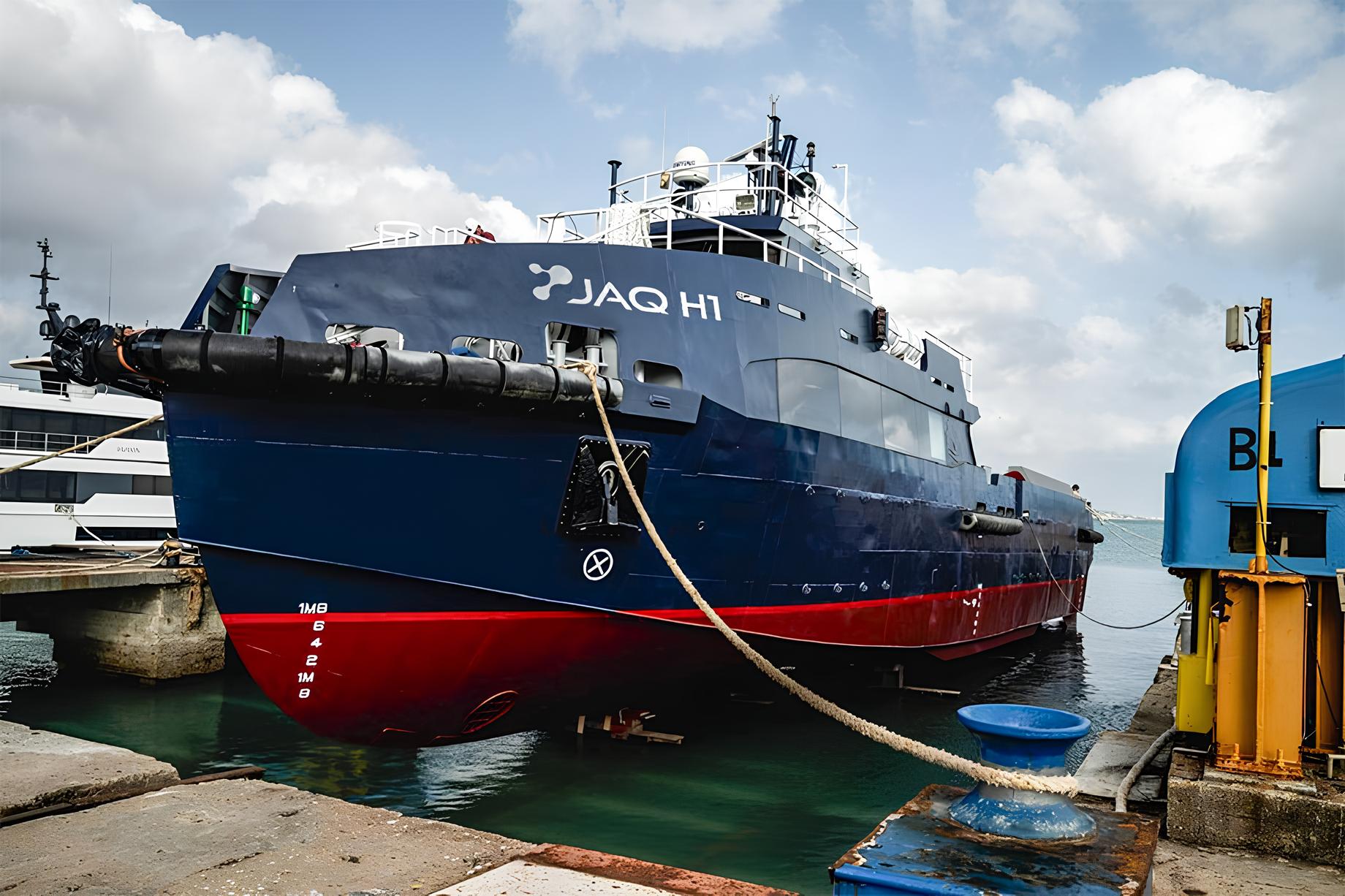
Brazilian 50 m boat wants to produce green hydrogen on board and sail with energy autonomy using water electrolysis.
In March 2026, a Brazilian project aimed at energy transition in the naval sector gained visibility after being reported by Exame magazine. According to a report published by Exame, the vessel JAQ H2, approximately 50 meters long, is being developed in Brazil with the unprecedented proposal to produce green hydrogen on board during navigation, through electrolysis systems integrated into the ship itself.
The project is the result of a partnership between Grupo Náutica and the Institute of Technological Research (IPT), responsible for the technical validation of the system, including the operation of the electrolyzer under real maritime operating conditions. The proposal involves the use of green hydrogen generated on board through water electrolysis, a process that separates H₂O molecules into hydrogen and oxygen using electrical energy — a technology considered strategic for decarbonizing emission-intensive sectors.
The most relevant data is that the vessel was designed to produce its own fuel while sailing, ensuring energy autonomy on long routes and reducing dependence on external supply. According to the project itself, it is one of the first vessels designed with this integrated hydrogen production capability at sea, signaling a new operational model for maritime transport in a global context of replacing fossil fuels such as marine diesel.
-
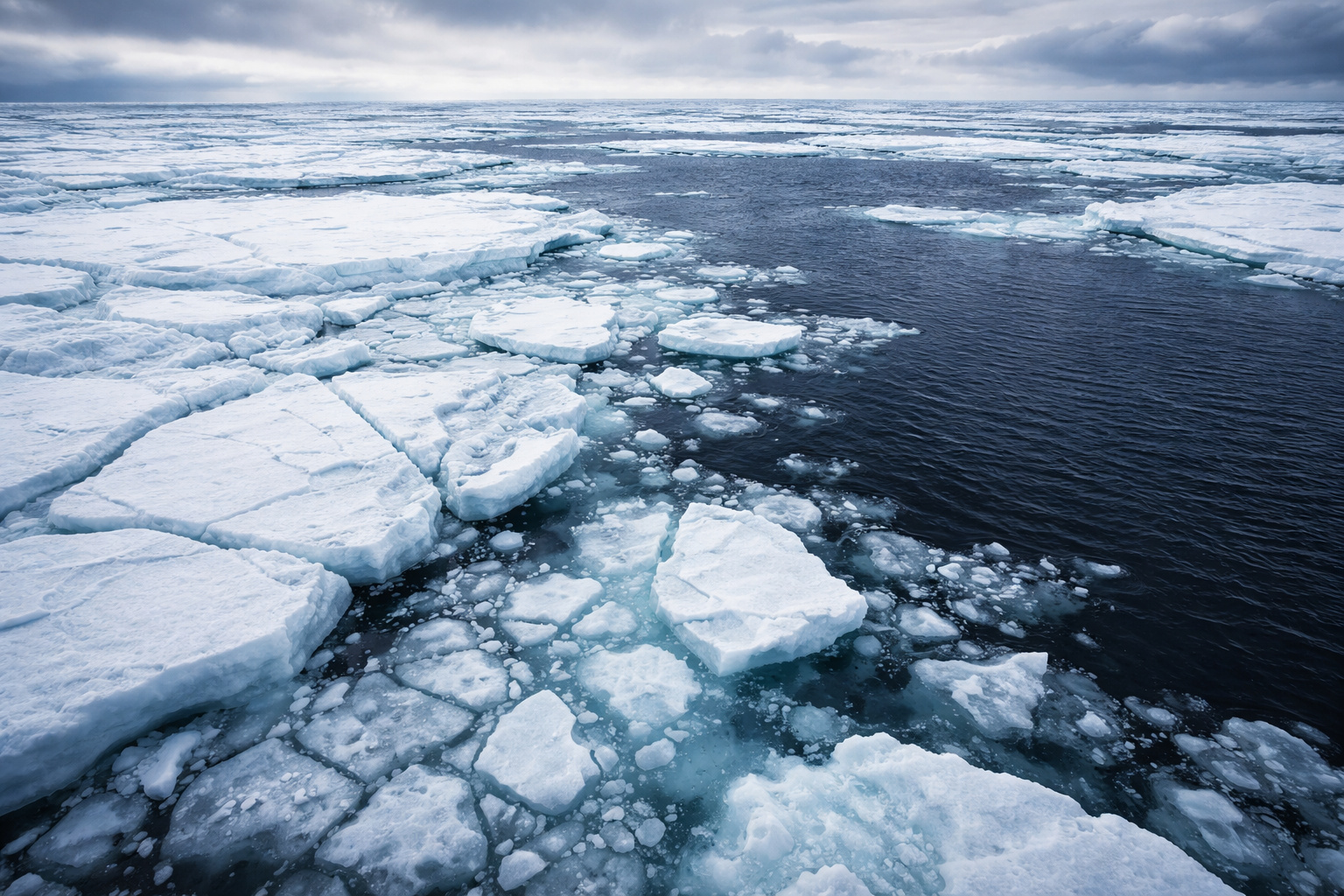
The Arctic is shrinking and in March 2026 recorded only 14.3 million km² of ice at the peak of winter, one of the lowest levels since 1979, reducing the planet’s ability to reflect heat and accelerating global warming.
-
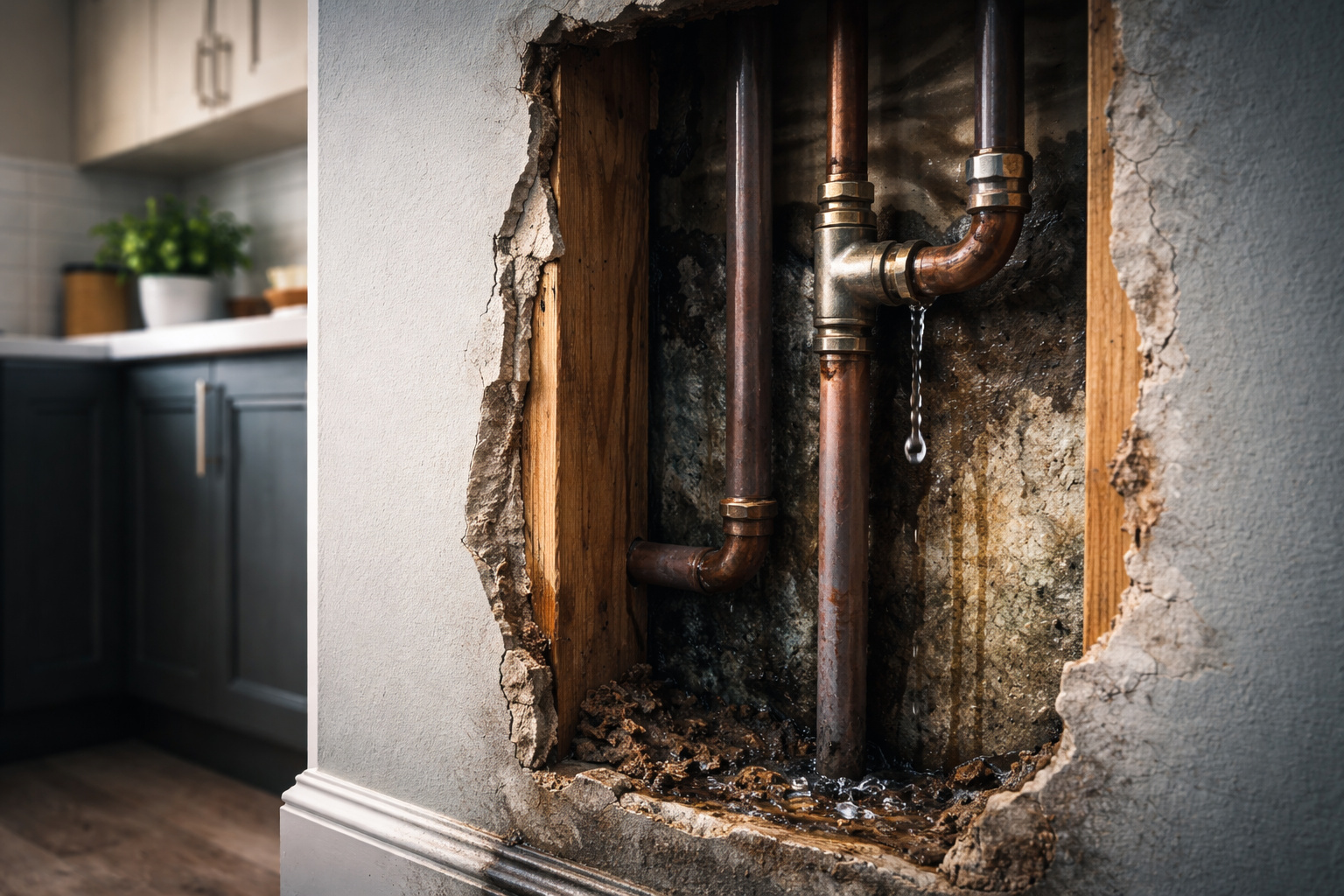
The waste that can double a household’s water bill is not in the faucet or the shower; it happens hidden within the walls and can go unnoticed for months, according to sanitation experts.
-
Darkness can surpass light in an optical phenomenon confirmed by scientists, which expands the understanding of relativity and reveals new behaviors of waves in the universe.

-
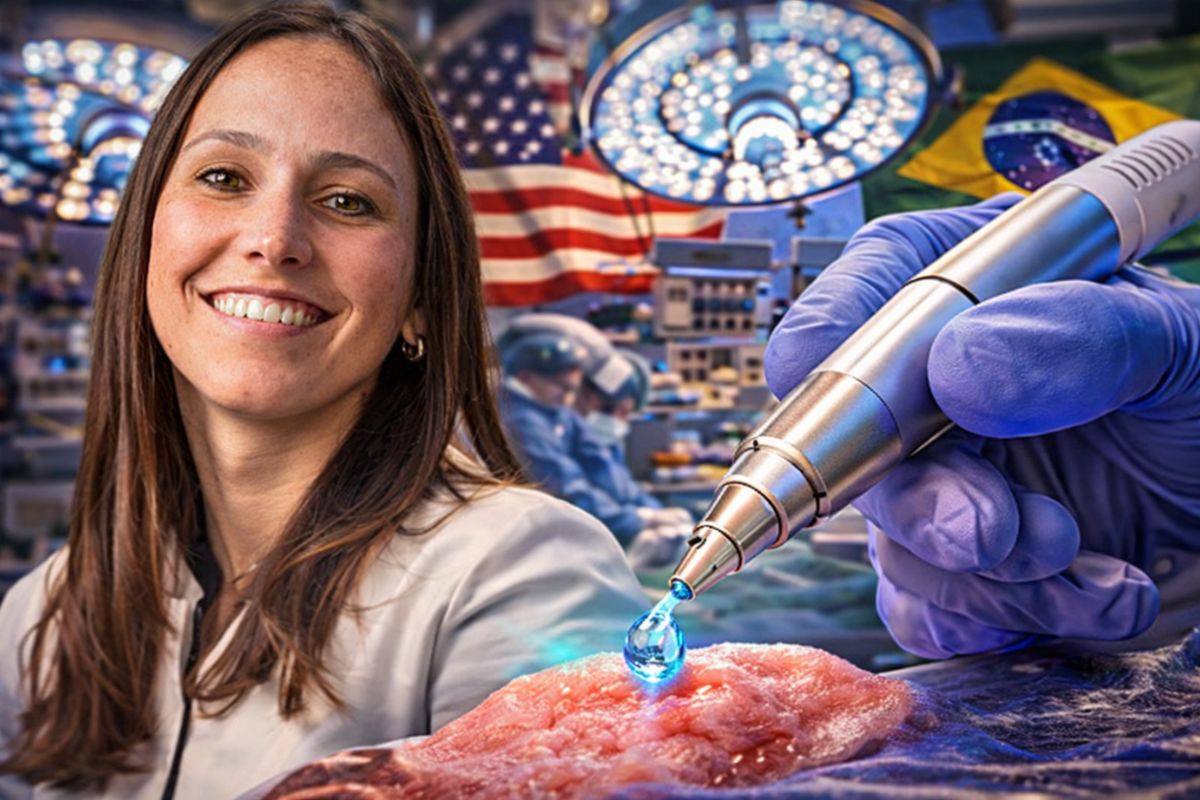
A Brazilian scientist created a pen that touches human tissue and identifies cancer cells in seconds using a drop of water and artificial intelligence, and Lívia Eberlin’s invention has already been used in over 400 surgeries in the United States and Brazil.

How green hydrogen production works on the boat
The basis of the project lies in the use of water electrolysis, a process known for decades, but which gains new relevance with the advancement of renewable energy technologies. Inside the vessel, water is subjected to a system that uses electric current to separate its molecules into hydrogen and oxygen.
This hydrogen can then be stored and used as fuel, typically in fuel cells that convert the gas back into electricity, or in hybrid systems that combine different forms of propulsion.
The central point of innovation is not just the use of hydrogen, but the production of fuel directly on board, eliminating part of the logistical dependence on supply at ports. This represents a significant shift in the traditional concept of navigation.
Water electrolysis requires energy and defines system limits
Despite the proposal for autonomy, the system is not completely independent of energy sources. Electrolysis requires electricity to occur, which means the boat needs to generate or store enough energy to power the process.
This energy can come from on-board renewable sources, such as solar panels or complementary systems, but it may also depend on prior storage. This factor is crucial for understanding the actual range of the proposed autonomy.
The boat does not create energy from nothing, but transforms available energy into usable fuel, which characterizes an energy conversion system rather than spontaneous generation. This detail is essential for the technical understanding of the project.
Green hydrogen emerges as an alternative to fossil fuel in the naval sector
The use of green hydrogen in maritime transport aligns with a global trend toward decarbonization. Unlike hydrogen produced from fossil fuels, green hydrogen is obtained through electrolysis using renewable energy, which significantly reduces carbon emissions.

In the naval context, where large ships consume large volumes of fuel, the adoption of clean alternatives is seen as an increasing necessity.
Hydrogen stands out for not emitting carbon dioxide during its use, releasing only water vapor, positioning it as one of the most promising candidates to replace traditional fuels.
Dimensions of the boat indicate experimental and scalable application
The designed vessel is about 50 meters long, a size considered intermediate within the naval industry. This size suggests that the project is in the development and technological validation phase, before being applied to larger ships.
Projects of this type usually start on a smaller scale to test viability, safety, and efficiency before possible scaling up.
The use of a vessel of this size allows for the validation of the concept under real operating conditions, without the risks and costs associated with large-scale ships.
Technical challenges involve storage and energy efficiency
Hydrogen presents specific challenges when used as fuel. Its low energy density by volume requires specialized storage systems, usually under high pressure or in liquefied form.
Additionally, the efficiency of the electrolysis process and reconversion into energy is still a critical factor. Part of the energy used in hydrogen production is lost during the process, impacting the overall yield of the system.
These challenges mean that the project is still in an experimental stage, requiring technological advances to achieve commercial viability on a large scale.
Brazilian project inserts itself in global race for cleaner ships
Various countries and companies have been investing in solutions to reduce emissions in maritime transport. The sector is responsible for a significant share of global greenhouse gas emissions, increasing the pressure for change.

The Brazilian project fits into this scenario as an innovative proposal focused on on-board fuel production. Although still in development, it demonstrates how different approaches are being explored to tackle the decarbonization challenge.
The idea of generating fuel during navigation represents a break from the traditional model, which relies on port infrastructure for refueling.
Energy autonomy can change the logic of maritime navigation
One of the central concepts of the project is energy autonomy. If validated, the model would allow vessels to reduce dependence on ports for refueling, increasing operational flexibility.
This change could impact routes, logistical costs, and even energy security in maritime transport.
The possibility of producing fuel at sea paves the way for a new paradigm in navigation, where the vessel becomes an active part of its own energy system.
Current limitations indicate early development phase
Despite the potential, the project does not yet represent a consolidated solution. The launch of the vessel is scheduled for the coming years, indicating that the technology is still undergoing testing and validation.
Issues such as energy efficiency, cost, and scalability still need to be resolved before possible large-scale adoption.
This positions the project as a promising initiative, but still in the technological development phase, with no broad commercial application at the moment.
The development of a boat capable of producing its own fuel using green hydrogen represents a significant advance in the search for sustainable alternatives in maritime transport. By combining water electrolysis, hydrogen storage, and clean propulsion systems, the Brazilian project demonstrates new possibilities for the sector.
Although it still faces technical challenges and is in the experimental phase, the proposal indicates a clear direction for the future of navigation, where energy efficiency and emission reduction become central elements in the development of new vessels.





Seja o primeiro a reagir!