





 Portuguese
  English
  Spanish
  3 min of reading
  0 comments



The commercial advancement repositions Brazilian products and reinforces the presence of agribusiness in the main international market
Brazil has advanced in expanding its presence in the Chinese market with the arrival of the first shipments of DDGS (Dried Distillers Grains with Solubles).
The country also sent the first container of poultry by-product meal, expanding its international trade activities.
This movement reinforces the diversification of the Brazilian export agenda and strengthens agribusiness in the main global destination.
Market opening enables DDGS exports
The DDGS, a co-product of corn ethanol, had its export boosted by demand from the National Union of Corn Ethanol (Unem).
After sanitary negotiations between Brazil and China, access to the market was authorized in May 2025.
In November 2025, the first Brazilian establishments were authorized to export DDG/DDGS.
The first ship with 62,000 tons arrived at the port of Nansha, located in Guangzhou.
This shipment marks a significant advance in the international insertion of this Brazilian co-product.
Poultry by-product meal expands opportunities in the industry
The shipment of the first load of poultry by-product meal resulted from the opening of the Chinese market.
The release was finalized in April 2023, following a request from the Brazilian Association of Animal Recycling (Abra).
The product, primarily used in animal feed, now integrates new trade routes.
This operation expands opportunities for the national industry in this segment.
This advancement reinforces the utilization of by-products from the poultry chain.
-
Brazil surprises China with new agro offensive: first shipments of DDGS and poultry by-product meal arrive in the Asian country, expanding billion-dollar exports.

-
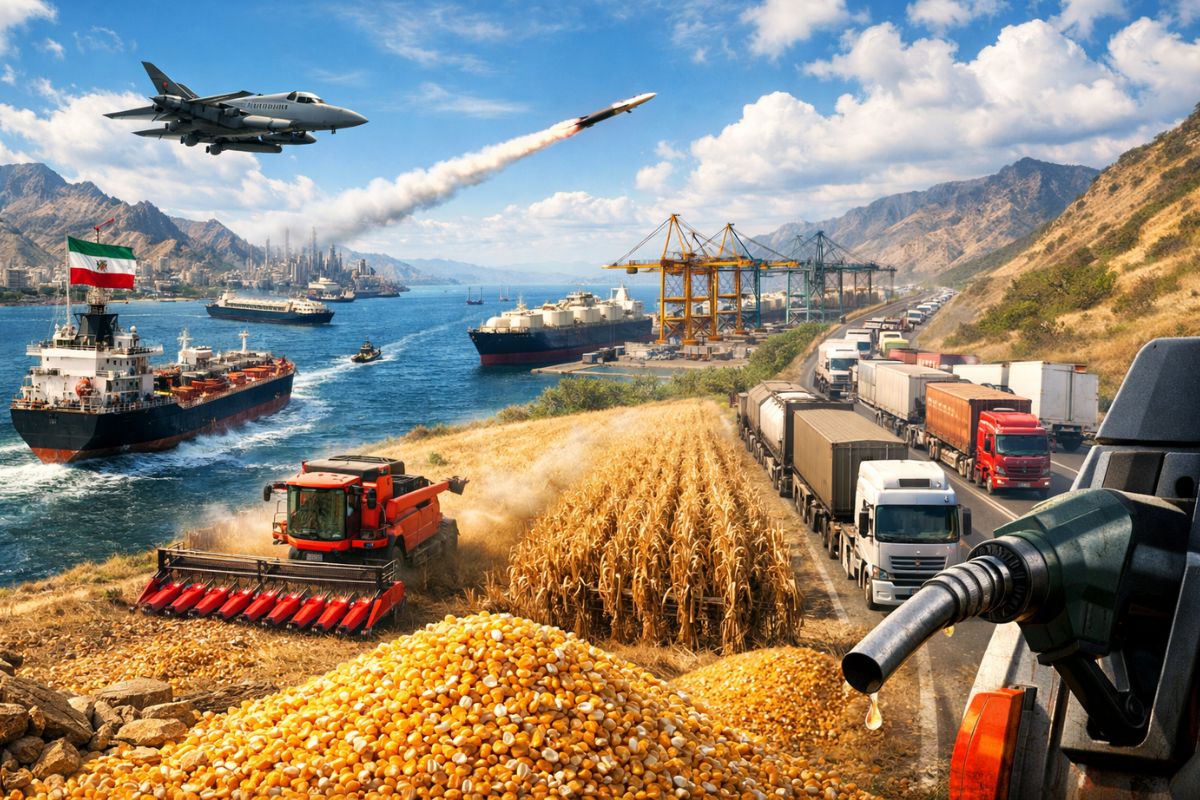
War in the Middle East threatens this year’s harvest and wallets: Brazil depends on the Strait of Hormuz for 35% of nitrogen fertilizers, exports up to 23% of corn to Iran, and freight, diesel, and prices are skyrocketing today.
-
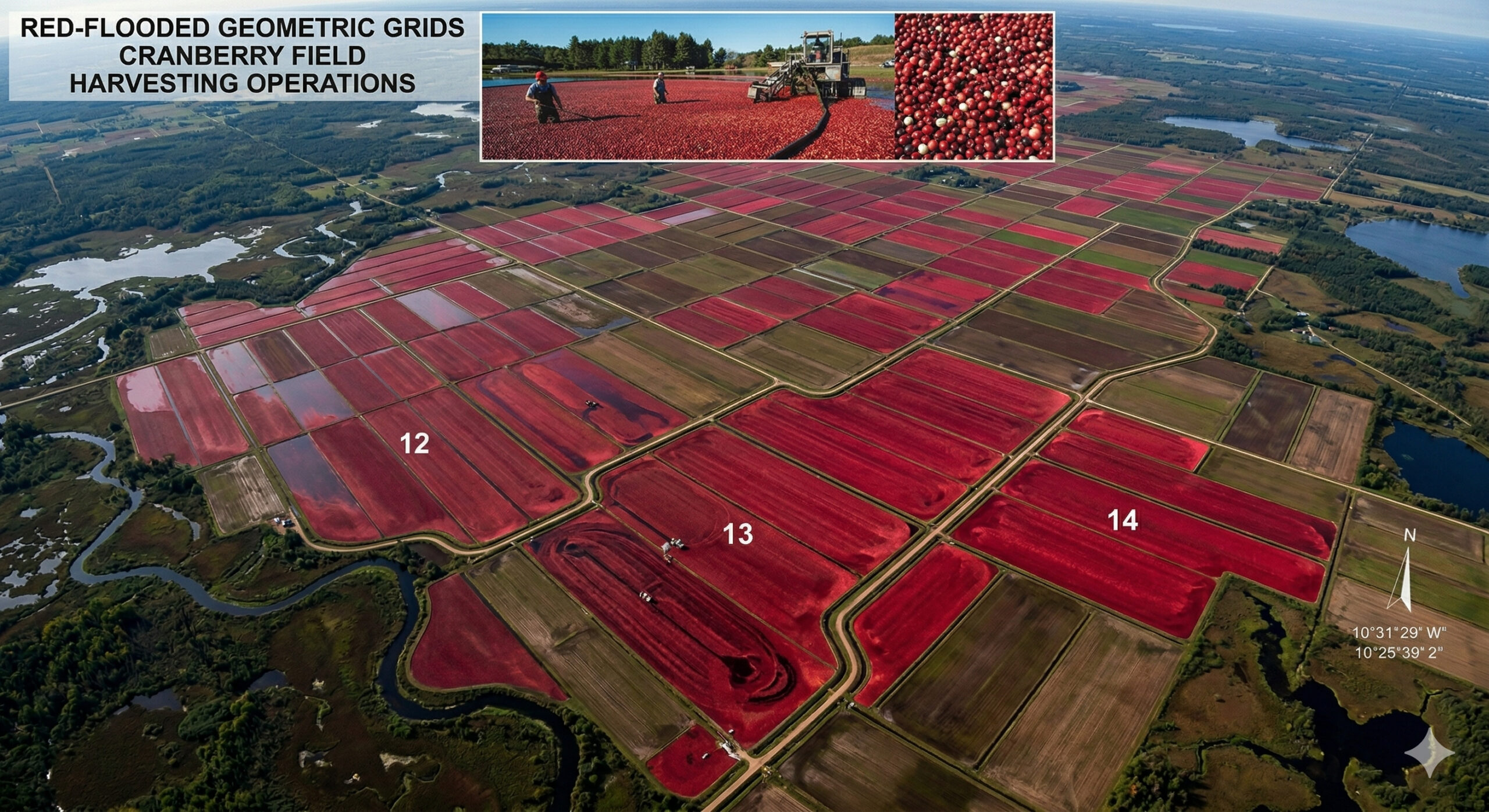
Geometric cranberry bogs in Wisconsin flood entire fields and turn red during harvest, creating an agricultural mosaic so intense and out of the ordinary that it transforms wetlands in the United States into one of the most stunning landscapes ever seen from space.
-
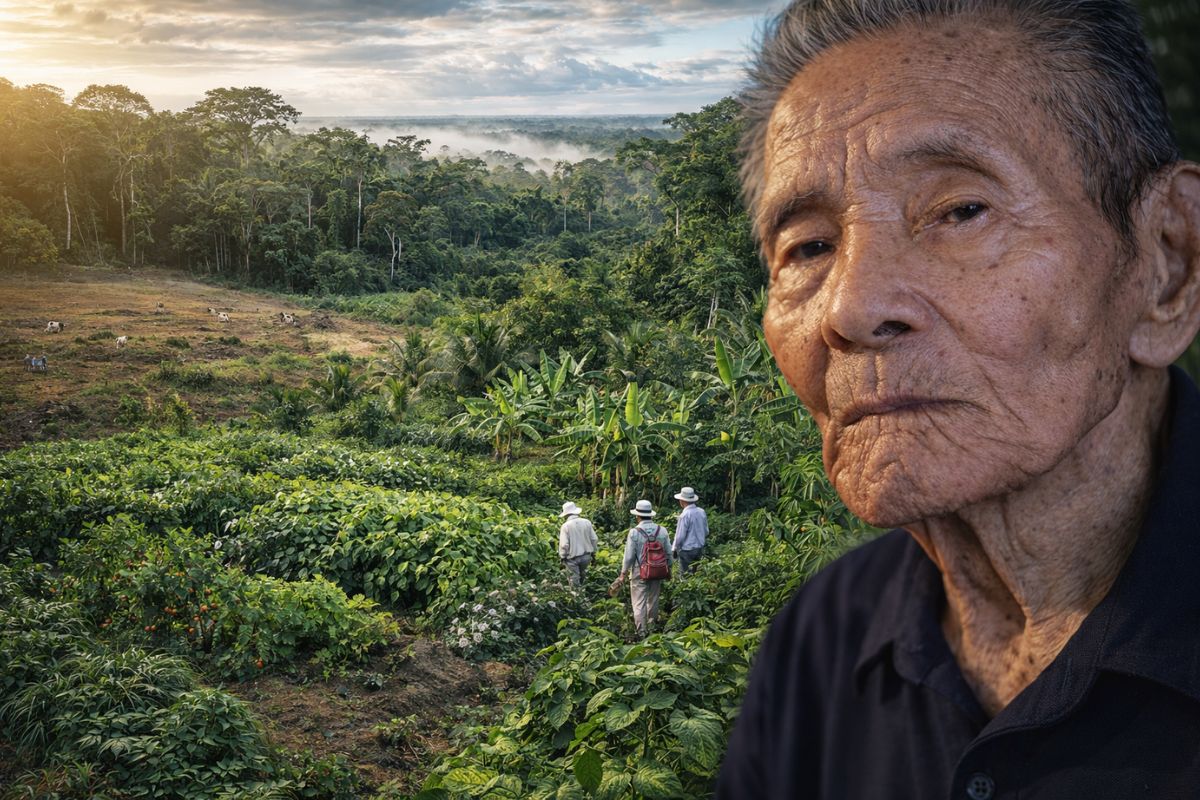
At 96 years old, the last survivor of a colony of Japanese immigrants who arrived in the Amazon in 1929 saw his community create an agricultural method that transforms destroyed pastures into forests that produce food year-round and attract researchers from around the world.
Joint action strengthens commercial expansion
The initiatives highlight how joint action between the government and the productive sector generates new commercial fronts.
This cooperation enables market openings and expands Brazil’s international presence.
The institutional articulation transforms into a strategy for expanding the export agenda.
The country strengthens its global competitiveness with new products.
This movement consolidates alternatives within agro-industrial trade.
China maintains leadership in Brazilian agribusiness imports
China, with about 1.4 billion inhabitants, remains the main destination for Brazilian agribusiness.
In 2025, the Asian country imported more than US$ 55.3 billion in agricultural products from Brazil.
This volume represented 32.7% of the total exported by the sector.
The relevance of the Chinese market continues to be decisive for the performance of Brazilian exports.
The diversification of products strengthens this commercial relationship.
In light of this scenario, the expansion of products such as DDGS and poultry by-product meal indicates a new cycle in agribusiness, but to what extent can this strategy further enhance Brazil’s presence in the Chinese market?










Seja o primeiro a reagir!