





 Portuguese
  English
  Spanish
  5 min of reading
  0 comments


Unprecedented scientific advance in Brazil places USP on the global map of xenotransplantation and opens the way for the production of genetically compatible organs, amid technical challenges, low success rate, and a long waiting list of patients awaiting transplants in the country.
Researchers from the University of São Paulo have successfully performed the first cloning of a pig in Brazil, a step considered strategic for the future production of genetically modified animals that can provide organs for transplants in humans.
The piglet was born healthy, weighing 2.5 kilograms, in a laboratory in Piracicaba, in the interior of São Paulo, as part of a research line focused on xenotransplantation.
Unprecedented cloning and low success rate
The advance does not mean that the clinical use of these organs is close to becoming routine in hospitals, but it indicates that the team has mastered a stage that is often one of the most difficult in the process.
-
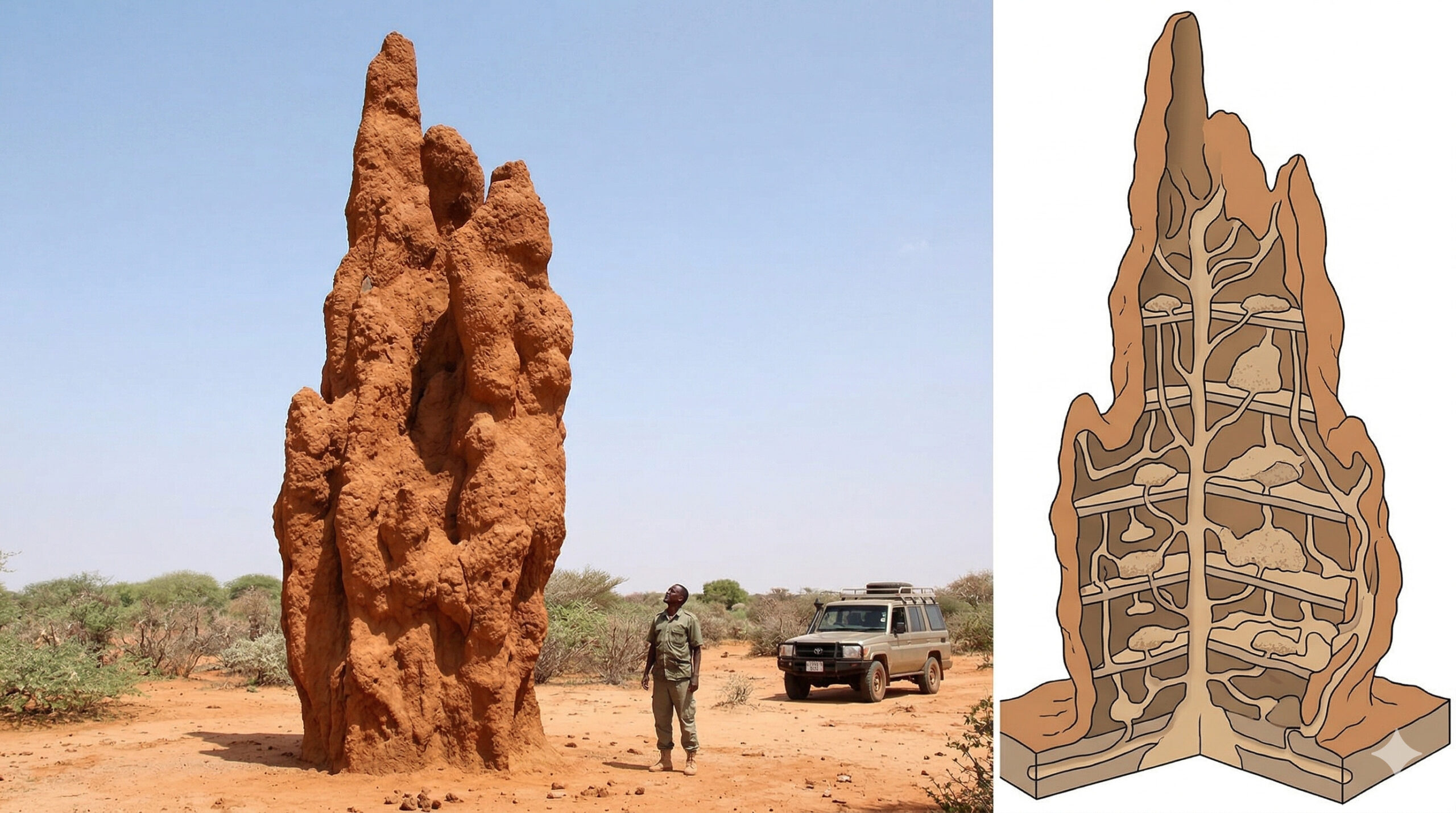
With a height of 8.7 meters, the giant termite mound found in Somalia has entered history as the largest ever recorded and reveals how insects just a few millimeters tall build three-story structures.
-
Measuring about 50 cm in wingspan, the merlin, the smallest bird of prey in the world, is at risk of extinction and could disappear by 2050, according to research published in Nature.
-
With 96 rooms, 37 bathrooms, and five kitchens, the mansion of the heir to Pernambucanas is worth R$ 50 million, has a pool, two terraces, and has become the target of a legal dispute after the owner fell into a coma in 2016.
-
In an isolated homestead in the mountains, a family builds a two-story tower with pallets, reclaimed wood, and scrap, transforming discarded materials into a functional off-grid home and proving that improvisation can also lead to surprising construction.
In laboratories that already work with this technology, the efficiency of cloning typically ranges between 1% and 5%, according to researcher Ernesto Goulart, which helps to gauge the level of complexity of the result achieved in the country.
Cloning plays a central role because it allows for the multiplication of animals with the same genetic profile, which, in the case of xenotransplantation, is essential for forming lines of pigs adapted for future organ donations.
In the project developed by USP, scientists are working on the deactivation of three pig genes associated with acute rejection and the insertion of seven human genes to enhance biological compatibility between the animal’s tissues and the recipient’s body.
Genetic engineering and advancement of xenotransplantation
This effort is part of the Center for Science for Development in Xenotransplantation, based at USP with support from FAPESP and public and private partners.
The initiative has been structured for years and combines genetic editing, production of modified embryos, cloning, and controlled breeding of pigs, with the goal of developing, in Brazil, its own xenotransplantation platform, without relying on the importation of animals or organs produced abroad.
The choice of the pig is not casual.
In international research, the animal is seen as one of the most promising candidates for this type of procedure because its organs are similar in size and function to human organs in various aspects.
Still, anatomical similarity has never been sufficient on its own.
The first attempts at xenotransplantation, initiated in the last century, encountered intense immune responses that could quickly destroy the transplanted organ.
Transplant waitlist and impact in Brazil
It was precisely to overcome this barrier that genetic engineering became the focus of the new generation of experiments.
In the United States, for example, hospitals and biotechnology companies have already performed experimental transplants of kidneys from genetically edited pigs in living patients, and the topic entered, in 2025, the phase of early clinical trials.
Even in these more advanced centers, however, the procedure remains classified as experimental, reinforcing the assessment that the cloning achieved by the Brazilian team represents an important but still preliminary advance in a long journey.
In Brazil, the relevance of this research becomes clear when observing the size of the unmet demand.
Data from the Brazilian Transplant Registry show that the country ended December 2024 with 67,879 active patients on the waiting list for organs and corneas, with 36,985 waiting for kidneys and 1,336 for livers.
Meanwhile, the Ministry of Health reported, in 2025, that the national waiting list reached 78 thousand people, encompassing different types of transplants and tissues.
In this context, the figure of 48 thousand mentioned in the initial announcement of the experiment no longer represents the most updated scenario.
Next steps and scientific challenges
The USP team argues that developing this technology on national territory also has economic and access implications.
The assessment of researchers linked to the project is that if xenotransplantation consolidates in the future, relying exclusively on organs produced abroad could make costs prohibitive for a public system like SUS.
Therefore, in addition to the scientific challenge, Brazilian research seeks to create local technological expertise, from the generation of embryos to the eventual clinical application.
At the current stage, the cloned pig is still not an organ donor for humans.
According to the research line itself, successful cloning has so far occurred with pigs that do not have the final modifications that will be necessary for transplant studies.
The next step is to apply the same technical capability to the cloning of genetically edited embryos, producing animals with a profile closer to what is required for preclinical tests and, later, for clinical evaluations, if there is regulatory safety and sufficient scientific evidence.
The construction of this stage depends on an extensive chain of validations.
In addition to proving that the organs function properly, researchers need to demonstrate control over rejection, infectious risk, genetic stability of the animals, and reproducibility of the method.
The international history shows that the most recent results are relevant, but have not yet resolved all uncertainties in the field.
That is why the coordinators of the USP project treated the birth of the clone as a great advance, without presenting the achievement as an immediate solution to the transplant waitlist.
Within the logic of the inverted pyramid, the central fact is that Brazil has entered an unprecedented stage of research in xenotransplantation by successfully cloning, for the first time, a pig in the laboratory with a view to the future production of compatible organs for humans.
The result places USP in a field of high scientific complexity, brings the country closer to a debate that is already mobilizing international centers, and expands Brazil’s capacity to compete for technological autonomy in a sensitive area of transplant medicine.



Seja o primeiro a reagir!