





 Portuguese
  English
  Spanish
  4 min of reading
  0 comments


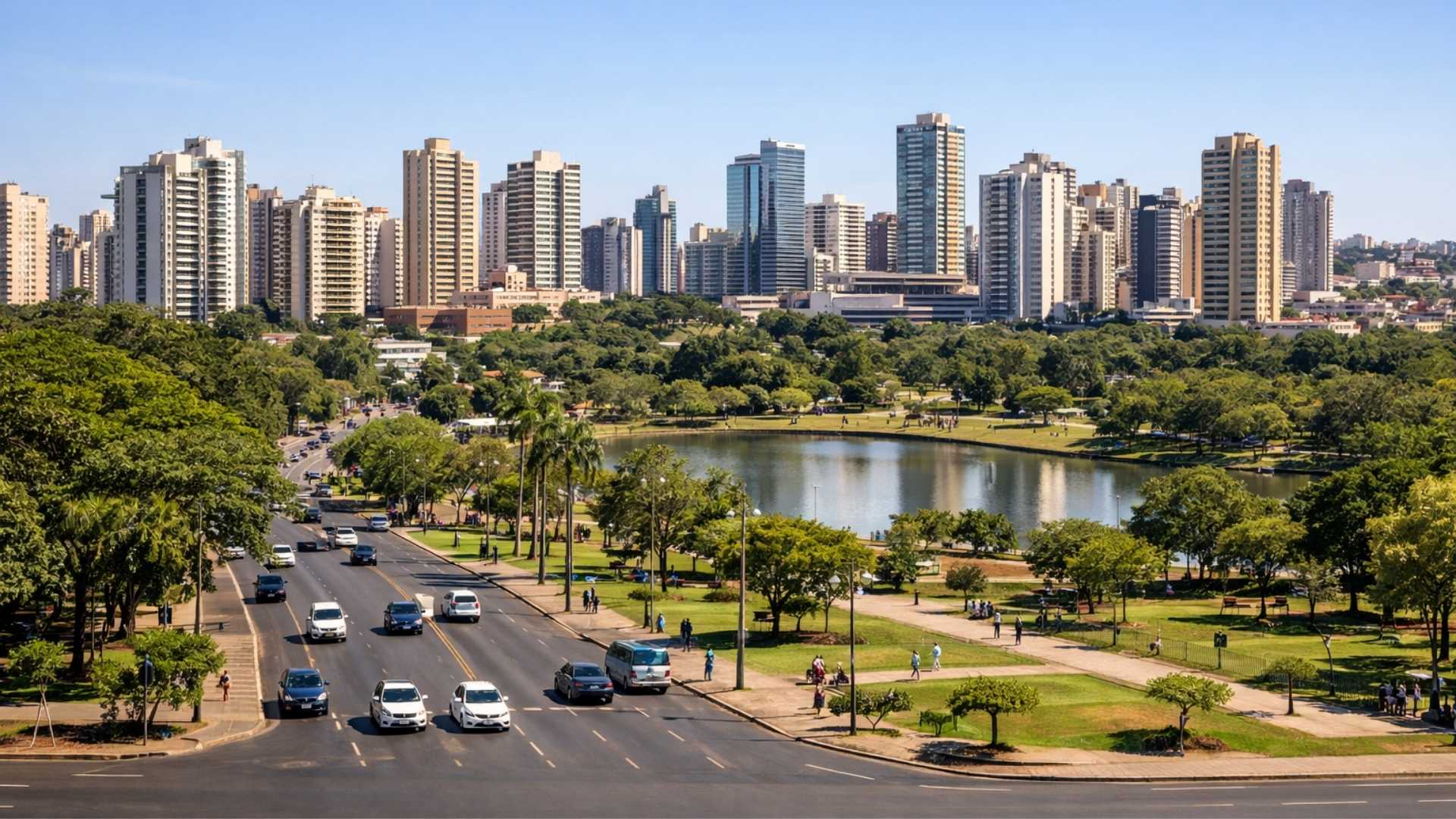
Expressive advancement in national ranking reinforces the image of a prosperous city in the paulista interior, with emphasis on human development, sanitation, and economic diversification.
Ribeirão Preto has once again gained prominence in surveys about quality of life and urban development, consolidating its image as a prosperous city in the paulista interior.
In the Social Progress Index (IPS) Brazil 2025, the municipality achieved 69.57 points and is now among the best-ranked in the country.
In rankings released based on the study, it appears in the 15th position among 5,570 municipalities, while the municipal record available in the system indicates 16th place, keeping the city in the elite group of the survey.
-
A collector bought a black stone in Morocco in 2011 without knowing that he had in his hands a Martian meteorite 4.45 billion years old with ten times more water than any other fragment of Mars ever found on Earth.

-
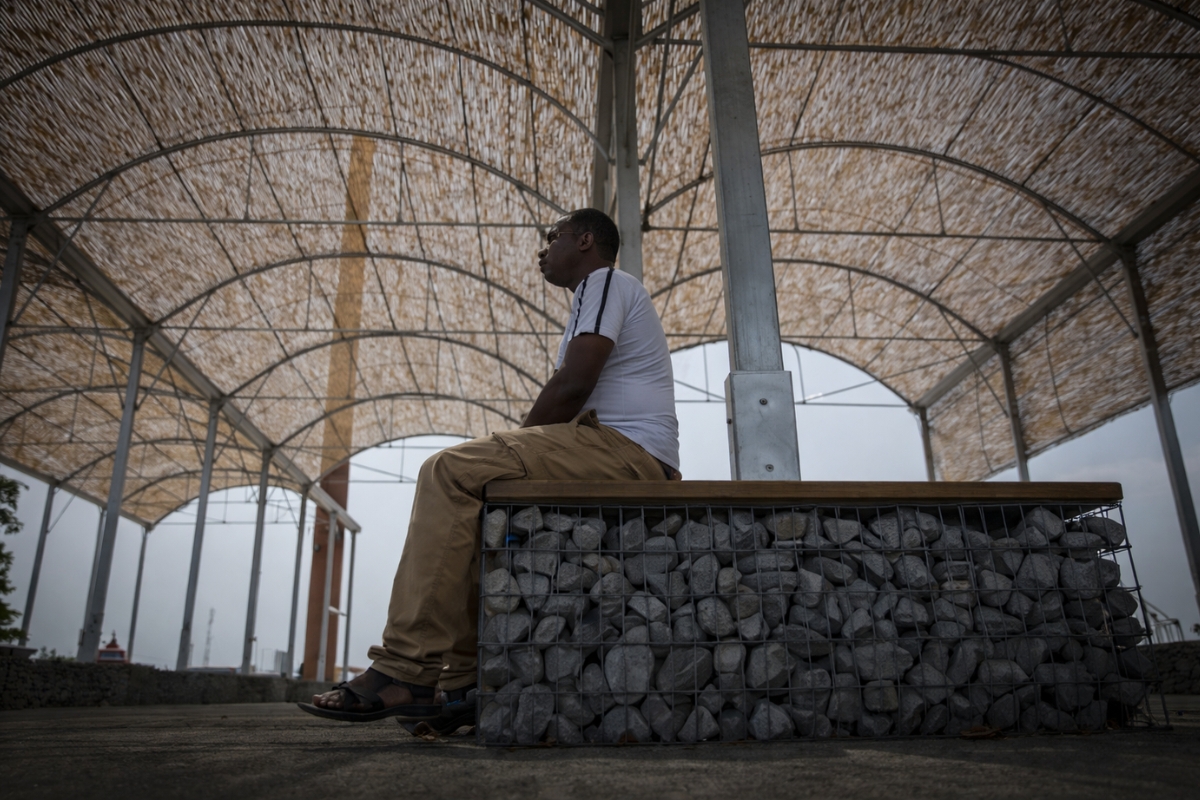
European cities are building public climate refuges to cope with extreme heat.
-
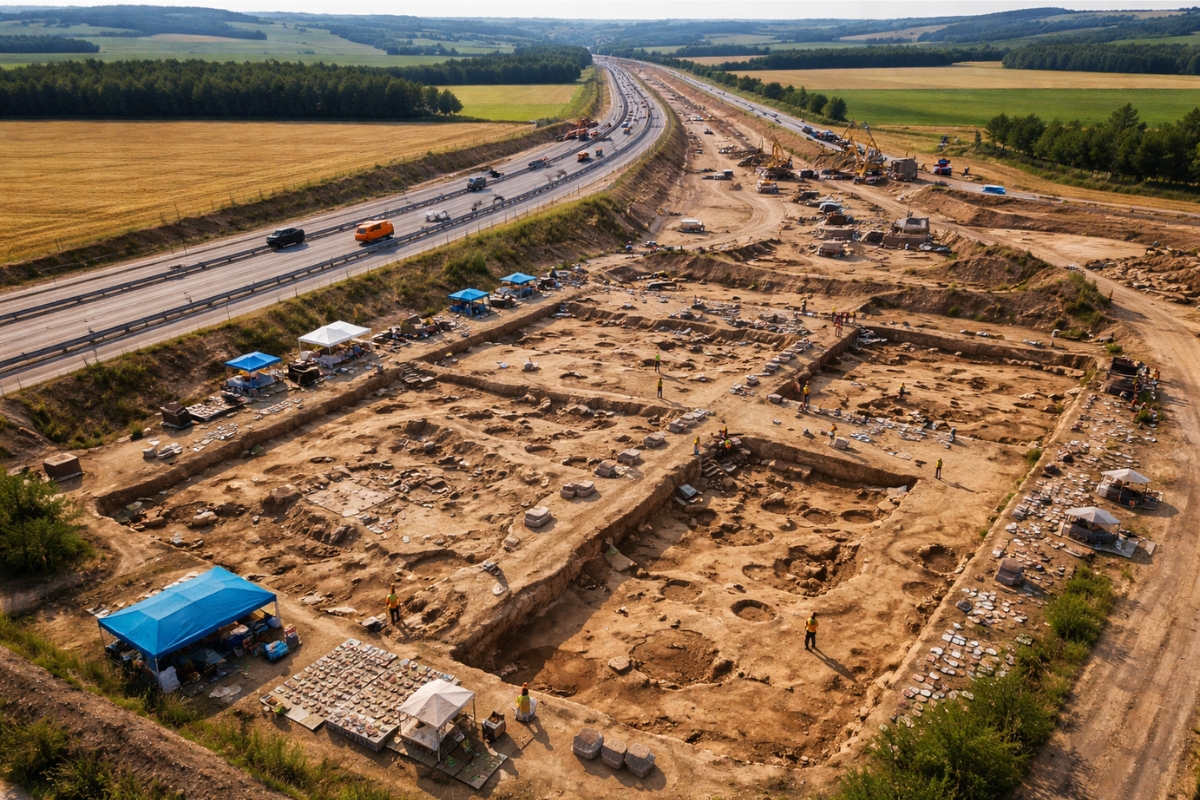
Excavations for a highway uncovered an intact Celtic city with gold, jewelry, and ancient production structures.
-
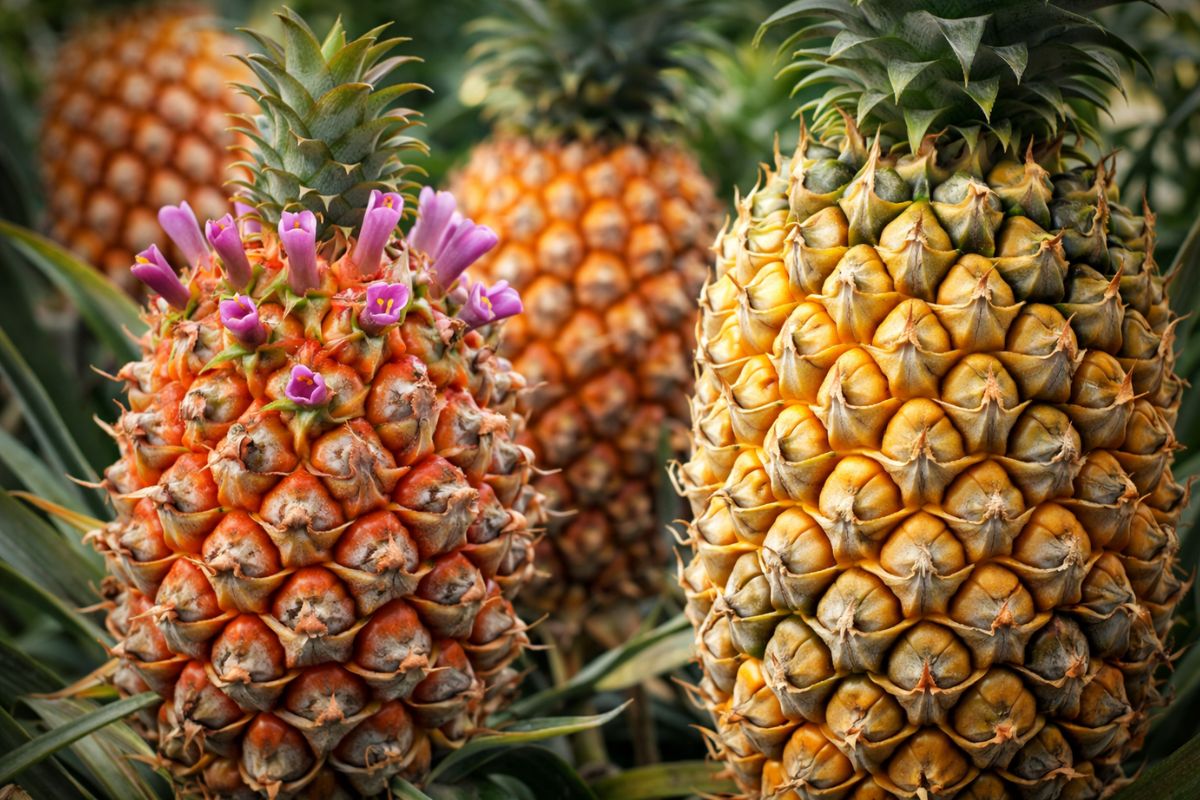
Every pineapple you eat is actually up to 200 different fruits fused into one: discover the fascinating process in which each flower opens for just one day and produces the pieces that form the whole fruit over the course of 3 weeks.
Economic development and history of Ribeirão Preto
The recent performance reinforces a movement to value Ribeirão Preto in public indicators, although direct comparison with 2024 requires caution.
The IPS itself informs that the data from 2024 and 2025 are not strictly comparable, as there were changes in the indicators and statistical treatments adopted between one edition and another.
Still, the difference is striking: in 2024, the municipality had 61.83 points and was in the 81st national position; in 2025, it reached the current level and entered among the top 20 in the country.
The city founded in 1856 built its economic importance on coffee cultivation, an activity that transformed the northeastern paulista region between the late 19th century and the early 20th century.
Ribeirão Preto emerged as one of the richest areas of the coffee cycle, with farms linked to names such as Francisco Schmidt, noted in local historical records as one of the great producers of the time.
This past is still reflected in the cultural heritage, urban memory, and symbols such as the Coffee Museum and the Pedro II Theater.
Over the decades, however, the city has ceased to depend on a single economic engine.
The productive base now encompasses agribusiness, commerce, services, health, higher education, and activities related to innovation, which helps explain its regional resilience.
Institutional data from the city hall and the IPS show that Ribeirão Preto combines a high population, per capita GDP above the national average, and a strong presence of the service sector, maintaining its role as a hub for surrounding municipalities.
Indicators of quality of life and sanitation
In the most recent available data from the Atlas of Human Development, based on the 2010 Census, Ribeirão Preto recorded IDHM of 0.800, classified as very high.
In the IPS Brazil 2025, the city obtained 82.16 points in basic human needs, 70.8 in foundations of well-being, and 55.74 in opportunities, a combination that helps explain its prominent national position.
The study also indicates good performance in water and sanitation, housing, and access to basic knowledge, although the dimension of opportunities still falls below the others.
In the area of sanitation, the numbers vary depending on the base used, but all indicate high coverage.
The IPS 2025 presents, among its indicators related to the topic, a figure of 98.32% for the municipality.
The Sanitation Ranking 2025 reports 99.07% sewage collection and 98.04% treatment, with Ribeirão Preto among the 30 best-positioned municipalities among the 100 largest in the country.
In another public database, the panel from the Water and Sanitation Institute shows that 98% of the population disposes of sewage through a general network, rainwater network, or solution linked to the network.
These results help explain why the city continues to be associated with a standard of living above the national average.
The nickname “Brazilian California” originated in a report published by Jornal do Brasil on March 22, 1987, authored by Ricardo Kotscho, then a reporter for the newspaper.
In an interview recalled by the local press, he mentioned that the original title referred to “Paulista California,” in an attempt to summarize the heat, economic prosperity, and urban expansion that were already characterizing Ribeirão Preto at that time.
Health, education, and innovation drive the city
Another decisive factor for the relevance of Ribeirão Preto is the concentration of high-complexity public and academic services.
The Hospital das Clínicas of the Ribeirão Preto Medical School of USP brings together specialized centers and highlights, in its own institutional history, a leading role in transplant procedures and reference care.
The hospital complex integrates a university structure that serves not only the city but also patients from different regions of the state and the country.
In the academic field, the USP campus in Ribeirão Preto gathers teaching and research units in the areas of medicine, nursing, pharmacy, law, philosophy, dentistry, economics, and physical education, among other academic fronts.
This environment expands the offer of qualified training and supports a significant part of local scientific production, with direct effects on the job market and the attraction of investments.
The city also hosts strategic initiatives in biomedical research.
In March 2024, the Ministry of Health formalized an investment of R$ 100 million in a project by the Ribeirão Preto Hemocenter Foundation, in partnership with the Butantan Institute, for the development of CAR-T cell therapy aimed at treating hematological cancers.
The agreement reinforced the municipality’s position as one of Brazil’s hubs for applied health research.
With this set of indicators, infrastructure, and institutional presence, Ribeirão Preto maintains its reputation as an influential city in the interior of São Paulo, now supported by public bases that show progress in human development, sanitation, and the provision of specialized services.
The historical strength of coffee has given way to a more diversified economy, but the image of prosperity continues to shape how the municipality is perceived both inside and outside the state.








Seja o primeiro a reagir!