





 Portuguese
  English
  Spanish
  5 min of reading
  0 comments



Understand why Brazilians have seen an increase in energy costs related to the Itaipu hydroelectric plant, how this affects tariffs, and what impacts this change has on the national electricity sector currently.
About 130 million Brazilians from the South, Southeast, and Central-West regions have already paid approximately R$ 18.3 billion more for energy from the Itaipu plant since 2022. According to information from CNN Brasil, this data reveals a direct impact on electricity tariffs and reignites important discussions about costs, transparency, and balance in the national electricity sector.
The change in the tariff-setting model is at the center of this issue. Instead of strictly following the criteria established in the international treaty, the tariff began to be defined through negotiations between governments. This new format altered the predictability of costs and brought practical consequences for consumers.
In the daily lives of families, this impact does not appear in isolation. It adds to other factors that influence the electricity bill, making the cost of energy an increasingly sensitive topic for Brazilians.
-
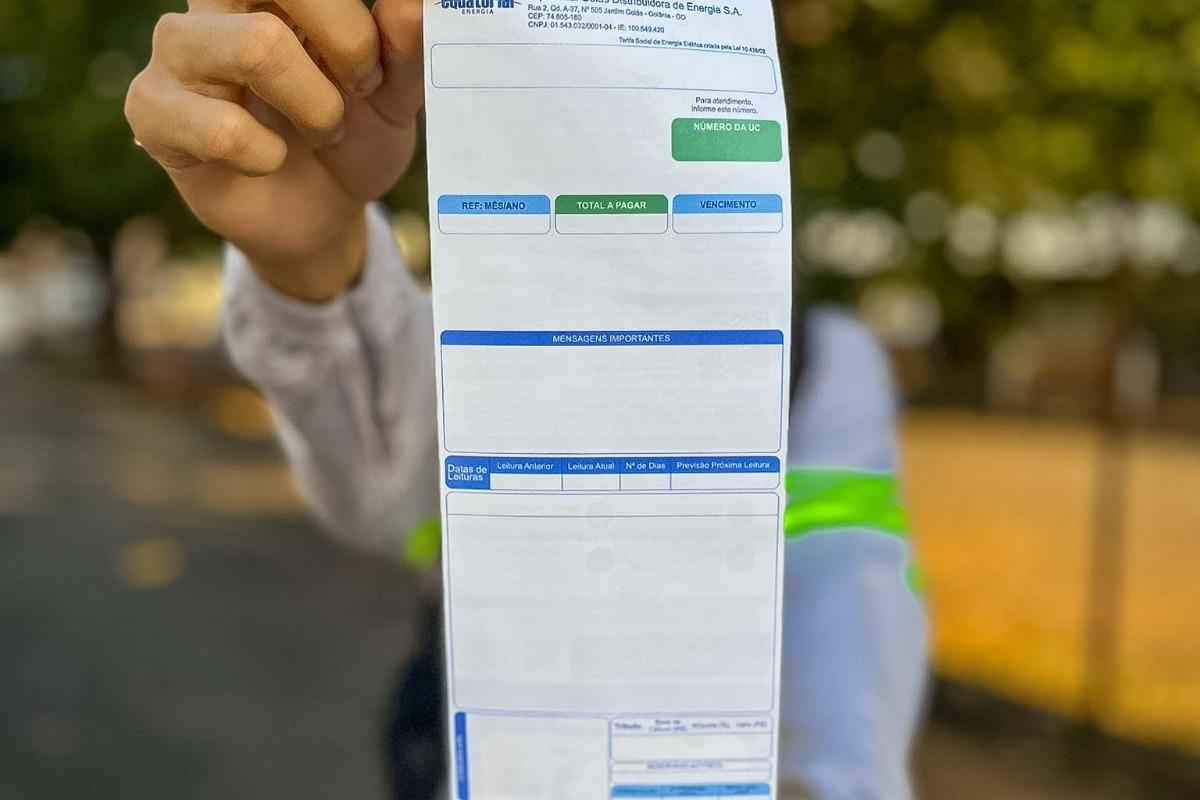
Equatorial adopts new national number for consumer units on electricity bills starting in April, following ANEEL standards and modernizing energy bills in several states.
-
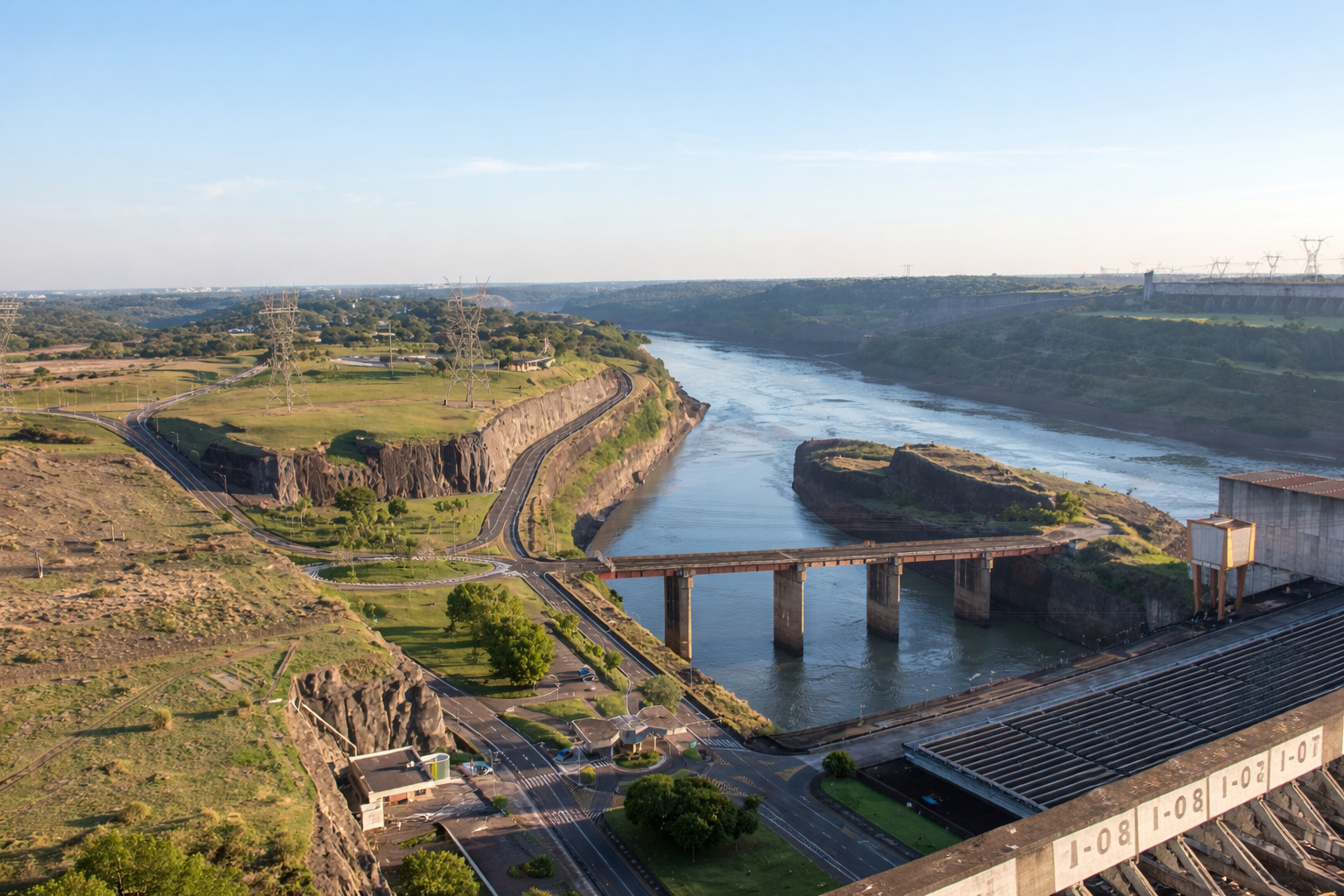
Itaipu Impresses the World: Hydroelectric Plant with 20 Turbines and 14,000 MW Generates Over 2.9 Billion MWh and Leads Global Clean Energy Production
-
Aneel Revokes CMAA Thermal Power Plants After Network Restrictions and Excess Energy in the System

-
13-Year-Old Scientist Creates Clean Energy Device For Just R$ 16, Wins $25,000 Prize And Surprises The World With Affordable Solution


More expensive Itaipu energy exposes distortions in the national electricity sector
The numbers from 2026 help to better frame the scenario. In just the first two months of the year, Brazilians paid almost three times more than the estimated value based on the original treaty rules for energy from the Itaipu plant.
During this period, the average cost was US$ 50.12 per megawatt-hour (MWh), while the value predicted by the treaty would be US$ 17.82 per MWh. This difference generated an additional cost of US$ 228 million, equivalent to about R$ 1.2 billion.
These data show that the increase is not only related to technical factors, such as weather or reservoir levels, but rather to administrative and political decisions. This broadens the debate about the management of the national electricity sector and the need for more stable rules.
Brazilians pay more for energy while cost division raises questions
Another point of concern is the unequal distribution between costs and consumption. Data from the plant itself indicates that Brazil bore 76% of the Unit Cost of Electricity Services (Cuse) between January and February 2026.
However, Brazilians received only 58% of the energy generated during this period. Paraguay consumed about 42% of the production, paying approximately 24% of the total costs.
In practice, this suggests that part of the energy paid for by Brazilians was used outside the country. It is estimated that about 2.89 million MWh were consumed by Paraguay, a volume equivalent to the consumption of large cities, such as Belo Horizonte, during the same period.


The operational agreement and its effects on Itaipu energy
Experts point out that this scenario is linked to the so-called “operational agreement” signed in 2024. This agreement would have allowed the Paraguayan state-owned company to prioritize the use of energy generated by Itaipu, even without proportionately bearing the additional costs.
In practice, the operation occurs as follows:
- Paraguay consumes its contracted energy, about 24% of the production
- It also uses part of the energy paid for by Brazilians
- The additional cost ends up being absorbed mainly by Brazil
This model alters the balance originally foreseen in the treaty. For the national electricity sector, this represents a relevant distortion, as it modifies the logic of cost-sharing between the countries.
Tariff change alters historical rules of the national electricity sector
The origin of the problem dates back to decisions made between 2022 and 2024. During this period, the Brazilian management of Itaipu began to negotiate the energy tariff directly, instead of automatically applying the criteria defined in Annex C of the treaty.
According to the Legislative Consultancy of the Chamber of Deputies, this change raises legal questions. The understanding is that the plant’s managers would not have the authority to alter the tariff calculation method without legal backing or approval from the National Congress.
Moreover, experts point out that agreements with significant financial impact should go through control instances. This would ensure greater transparency and predictability for the national electricity sector.
Energy, political decisions, and the direct impact on Brazilians
The topic has also gained traction among sector experts. Professor Alexandre Street from PUC-Rio criticized what he called “creative maneuvers” related to socio-environmental expenses included in the tariff calculation.
Former director-general of Aneel, Jerson Kelman, highlighted that Brazil could have followed the original treaty rules without the need for negotiation. According to him, the decision ultimately raised costs for Brazilians.
Among the main points raised by experts are:
- Lack of predictability in tariffs
- Possible deviation from the original model of the treaty
- Direct impact on the final consumer
- Reduction of transparency in decisions
These analyses reinforce the importance of a more stable national electricity sector aligned with the previously established rules.
Destination of energy and new uses raise relevant questions
Another aspect that broadens the debate is the destination of the energy consumed in Paraguay. Reports indicate that part of this energy is being directed to data centers and cryptocurrency mining operations.
These activities require a large amount of energy and have high economic potential. However, the fact that they are supplied by energy partially paid for by Brazilians raises questions about balance and fairness.
For consumer advocacy groups, this scenario may represent an indirect transfer of costs, reinforcing the need for greater oversight and transparency in the national electricity sector.
Lack of transparency in the management of Itaipu energy concerns Brazilians
The absence of detailed information about the agreements made is also a target of criticism. The Itaipu plant stated that it does not comment on negotiations between governments, as it is a diplomatic matter.
The Ministry of Mines and Energy and the Itamaraty have also not commented so far. This institutional silence contributes to increasing the perception of a lack of clarity.
For Brazilians, understanding how costs are defined is fundamental. After all, decisions made at this level have a direct impact on the electricity bill and the families’ budgets.
What is at stake for the consumer and the future of the national electricity sector
The payment of an additional R$ 18.3 billion for energy from the Itaipu plant is not just an isolated figure. It represents a warning sign for the functioning of the national electricity sector and for how international agreements are conducted.
More than discussing values, the topic involves trust, predictability, and responsibility in the management of strategic resources. For Brazilians, the main effect continues to be felt month after month, in the electricity bill.
If adjustments are not made to the current model, the scenario may generate lasting impacts. Therefore, the debate about rules, transparency, and balance is likely to gain even more relevance in the coming years.








Seja o primeiro a reagir!