





 Portuguese
  English
  Spanish
  5 min of reading
  0 comments


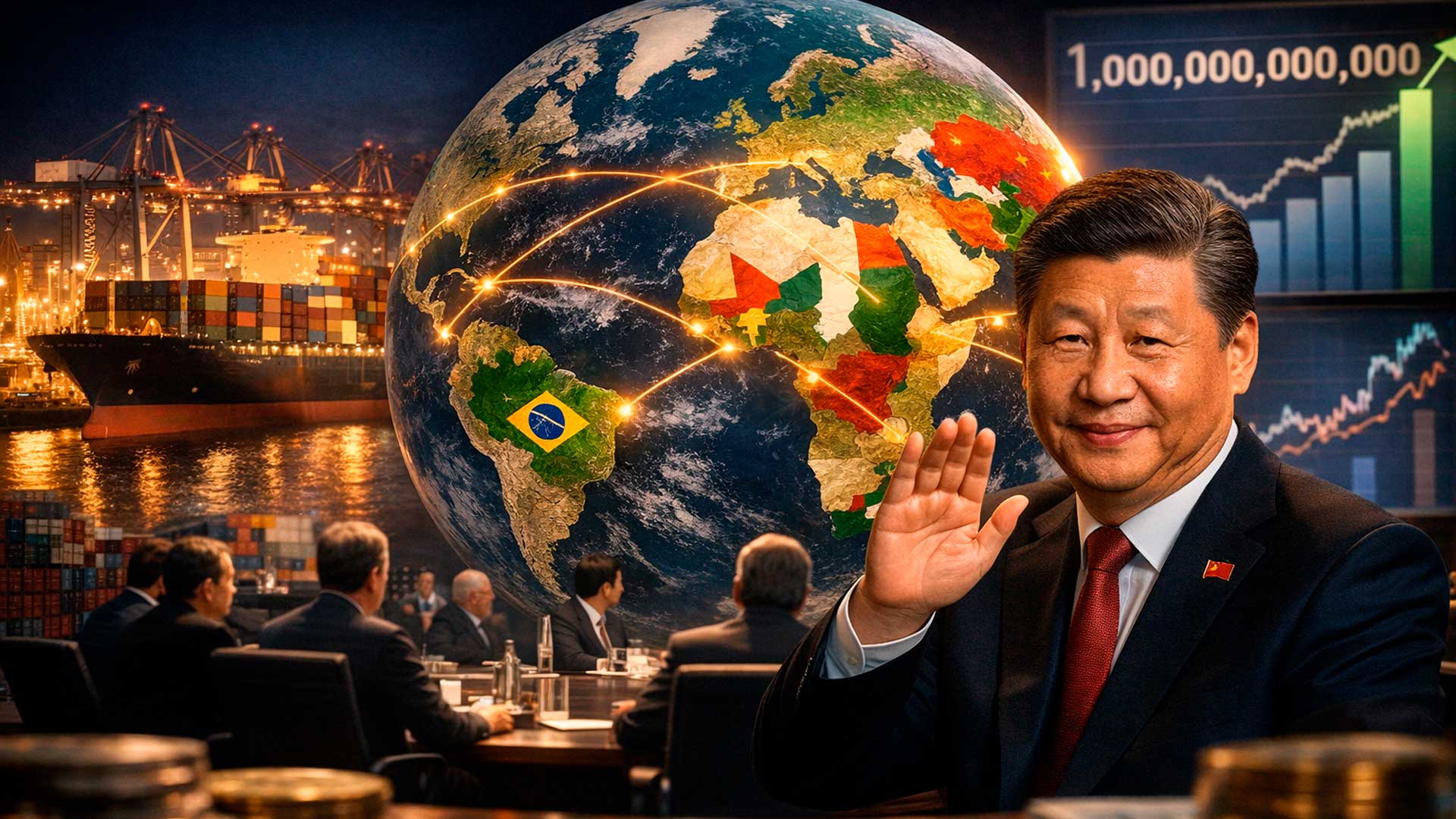
Historical brand of BRICS exposes a concrete change in the center of world trade and expands the space of emerging economies
The trade between BRICS countries surpassed US$ 1 trillion in 2025, consolidating a relevant shift in the global economy. The number shows that the bloc has ceased to be merely a political articulation among emerging economies and has begun to operate as one of the main commercial poles in the world.
In practice, this advancement reinforces a movement that has been gaining strength in recent years. Exchanges between Global South countries have increased, dependence on traditional markets has decreased, and the international economic axis has begun to shift more clearly.
The data was released by TV BRICS and gained weight as it came at a time of expansion for the bloc. With more integration, more volume, and more productive capacity, the group begins to influence trade, investment, and energy flows with greater intensity.
-
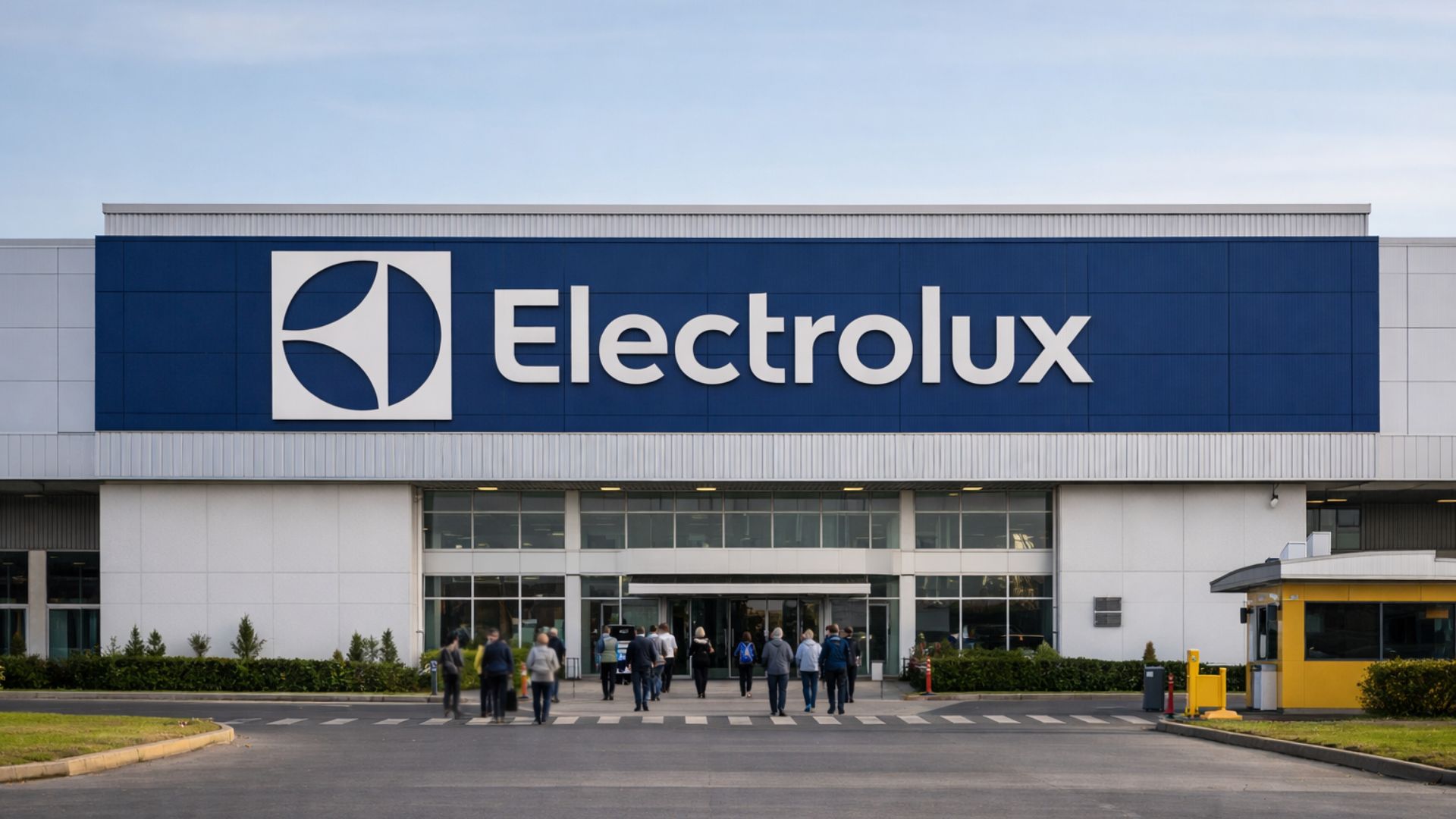
Electrolux surprises, closes colossal factory and lays off 400 people in a mass dismissal that will have a direct effect later this year, following a cost review, with an impact of R$ 272.5 million and R$ 109 million in cash in Chile.
-
The Lula government is pursuing re-election and is therefore preparing a package with discounts of up to 80% on debts, subsidies for diesel, gas for 15 million, and energy, after reaching 51% disapproval six months before the election.

-
The chamber approves a project that transforms plots of up to 2,000 square meters into official rural properties, allowing thousands of small producers who were invisible to the government to now access credit, tax exemptions, and technical assistance.

-
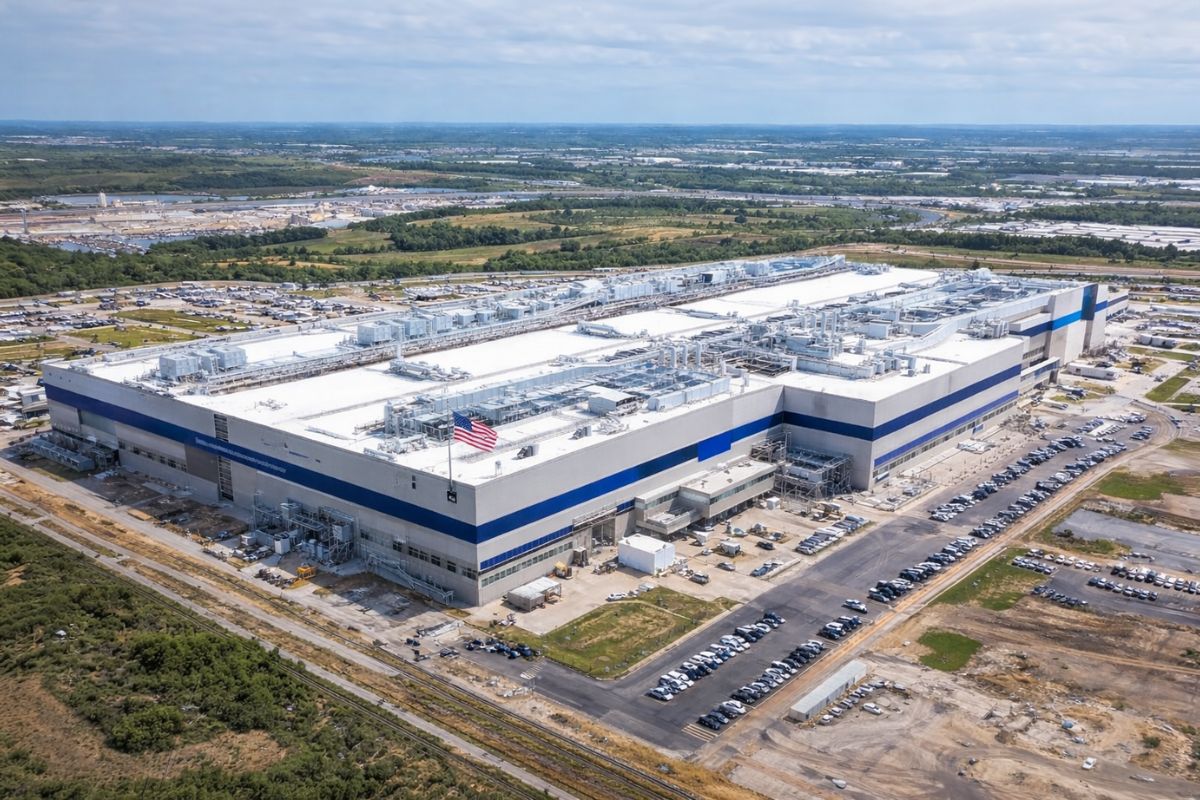
Factory 52, in the USA, cost over $5 billion, covers 270,000 square meters, and manufactures cutting-edge chips: it was named Project of the Year by the world’s largest engineering magazine, marking the global race for semiconductors.
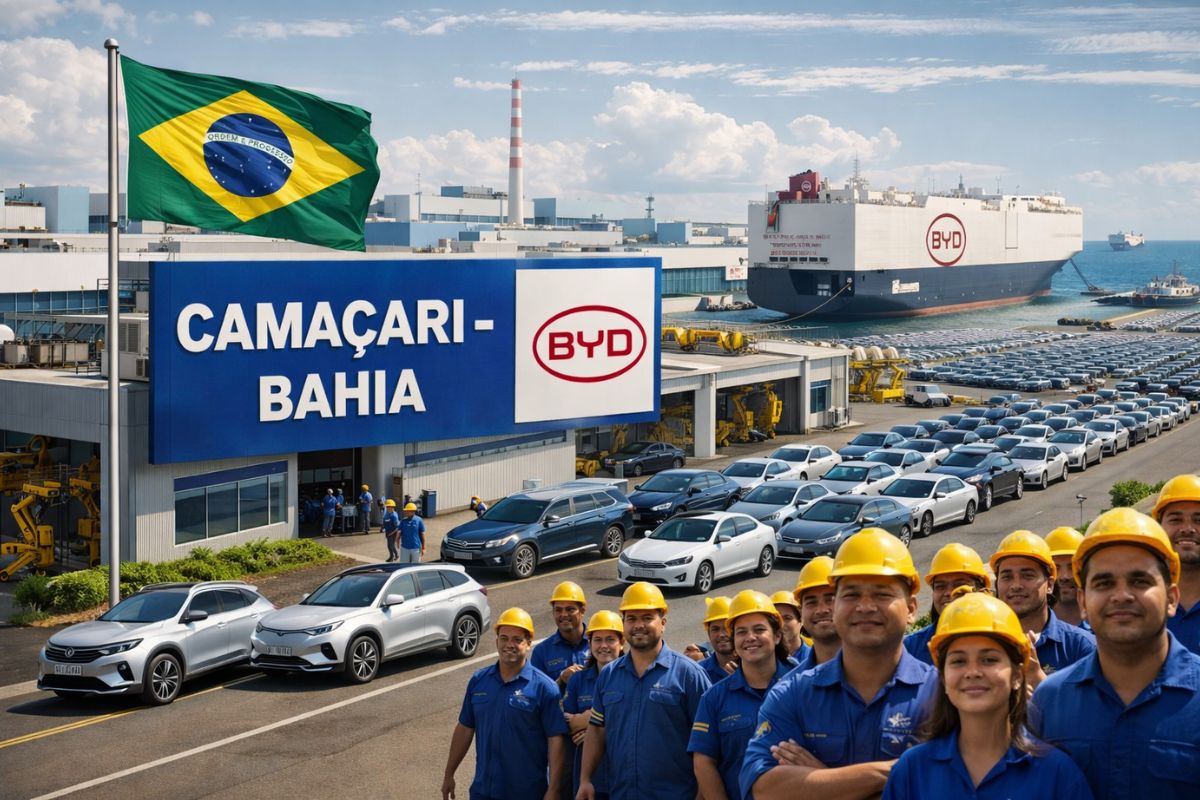
For Brazil, the scenario is strategic. The country gains space to export more but also faces the challenge of improving its infrastructure to take advantage of this window of opportunity.
BRICS gains scale in global trade and takes a central position in international economic decisions
Today, BRICS accounts for about 24% of world trade and nearly 40% of global Gross Domestic Product. These two indicators help explain why the bloc has come to be seen as a central actor in the reorganization of the international economy.
In addition to internal trade above US$ 1 trillion, the countries in the group already represent approximately 26% of global exports, with a flow exceeding US$ 5.7 trillion. This volume enhances the capacity for integration among members and strengthens supply chains outside the traditional circuit between the United States and Europe.
The result is a greater influence over decisions involving logistics, energy, food, technology, and financing. Instead of relying almost exclusively on the old economic centers, the bloc is building its own, broader, and more connected network.
Entry of Saudi Arabia, Iran, and United Arab Emirates expands productive strength and reinforces strategic sectors like energy
The recent expansion of BRICS has increased the economic and geopolitical weight of the group. The entry of Saudi Arabia, Iran, and United Arab Emirates has particularly reinforced the bloc’s presence in strategic areas, especially in the energy sector.
This movement is not merely symbolic. With new members and greater productive complementarity, the bloc improves its capacity to coordinate trade routes, ensure the supply of inputs, and expand consumer markets.
At the same time, the countries have begun to prioritize more direct relations among themselves. The reduction of intermediaries shortens processes, simplifies some operations, and can generate efficiency gains in logistics chains.
In this framework, China remains the main engine of BRICS trade. The country concentrates a large part of industrial exports and acts as the logistical and financial center of the bloc, while Russia and India expand their participation in segments such as energy, food, and technology.
Greater use of local currencies reduces costs, decreases exposure to the dollar, and strengthens the financial autonomy of the bloc
Another decisive factor for the advancement of internal trade is the growth in the use of local currencies in transactions. This practice reduces exchange costs and limits exposure to the dollar, a sensitive point in a global environment subject to financial volatility and geopolitical tensions.
This change also helps provide more predictability to trade relations among members. When operations depend less on an external currency, the bloc gains room to negotiate with greater autonomy and less vulnerability to international fluctuations.
Although the transition is gradual, the accumulated effect is significant. The more BRICS expands its own trade and settlement mechanisms, the more it consolidates an alternative model of economic integration.
Brazil sees growing trade dependence of the bloc and faces bottlenecks in ports, transport, and production disposal
For Brazil, the impacts are already appearing strongly. China continues as the main trading partner of the country, and the other BRICS members are gaining importance in Brazilian economic relations.
In 2024, over 500 million tons of Brazilian cargo were moved in trade with countries in the bloc. This volume pressures national infrastructure and exposes bottlenecks in ports, railways, highways, and storage systems.
In practice, the growth of exports demands faster investments in transport and production disposal. Without this adaptation, Brazil risks losing competitiveness precisely at a time when the BRICS market offers more opportunities.
On the other hand, there is evident potential for gain. The increase in exchanges can expand markets for Brazilian products, especially in commodities and food, as well as contribute to reducing trade costs in more direct operations with the bloc’s partners.
This scenario makes BRICS not only a topic of foreign policy but a concrete issue of national economic strategy. The country needs to decide whether it will merely follow this change or if it intends to occupy a more ambitious position in the new map of global trade.
New commercial axis advances gradually, but the message is clear for those who still bet only on the US-Europe circuit
The level of US$ 1 trillion in internal trade does not merely represent numerical growth. It signals the consolidation of an alternative commercial axis, based on greater integration among emerging economies and less dependence on traditional Western markets.
The movement is still gradual, but its direction is becoming increasingly defined. The center of the global economy is beginning to incorporate the Global South more forcefully, with direct repercussions on investments, production, logistics, and political influence.
For Brazil, this reconfiguration can open space for growth and international repositioning. But the opportunity comes with demands for infrastructure, planning, and negotiation capacity in a more competitive global environment.
Does the advancement of BRICS change the game, or is the bloc still far from truly challenging the US-Europe axis? Leave your comment and say whether Brazil is prepared to take advantage of this shift or if it may fall behind in this competition for space in the new global economy.








Seja o primeiro a reagir!