





 English
  Francês
  Alemão
  Italiano
  Japonês
  Norueguês
  Portuguese
  Spanish
 3 min of reading


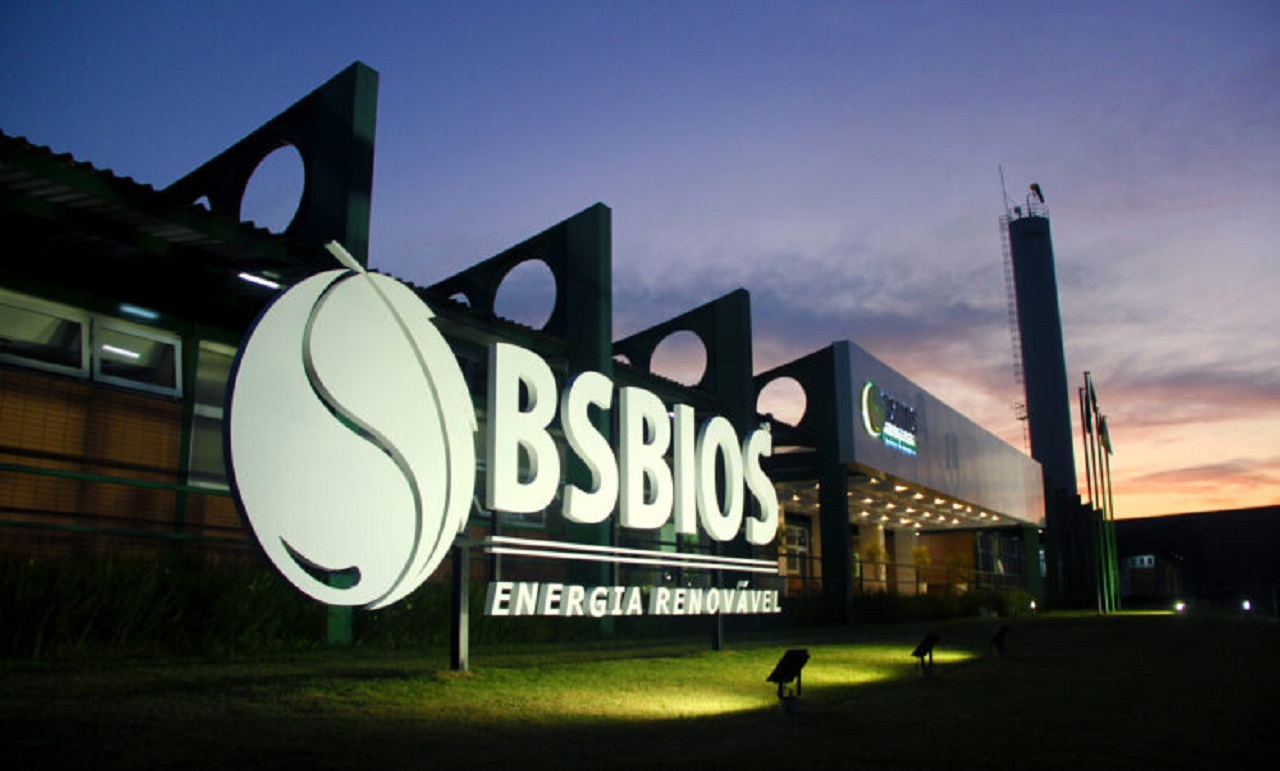
BSBios Announced Plans to Invest in an Ethanol Plant in Passo Fundo (RS), Which Will Have the Capacity to Produce 220 Million Liters of Biofuel, with Investments of R$ 556 Million.
The largest biodiesel producer in Brazil and one of the pioneers in the production of HVO Biojet Fuel in South America, BSBios is preparing to enter the ethanol market. Governor Ranolfo Vieira Júnior signed, this Monday (20), a protocol of intentions between the state government and BSBios to enable the installation of an ethanol plant in Passo Fundo (RS). The document establishes coordinated actions to make the R$ 316 million investment feasible, projected by the company for the first phase of the installation of the ethanol production and bran unit through the processing of cereals such as corn, triticale, wheat, rice, and sorghum.
RS Government Seeks to Foster the Ethanol Production Chain
The protocol provides for tax treatments regarding ICMS to secure suppliers of equipment and industrial machines located in RS and imports of industrial machines and equipment.
The initiative is part of the State Policy for Promoting Ethanol Production, where the State Program for the Development of the Ethanol Production Chain was created. The program aims to boost the production chain and expand the production of biofuel.
-
A study reveals the expansion of renewable energy procurement in Brazil and shows how companies are taking advantage of opportunities to reduce expenses, ensure energy efficiency, and strengthen strategic environmental commitments.

-
Brazil accelerates decarbonization in the South: International forum in Foz do Iguaçu gathers leaders to discuss the advancement of biomethane in the energy matrix and the potential of “caipira pre-salt.”

-
Mato Grosso do Sul excels in the sugar-energy sector: the state reaches a milestone of 22 operating mills and accelerates the production of clean energy in MS with a focus on sustainability.
-
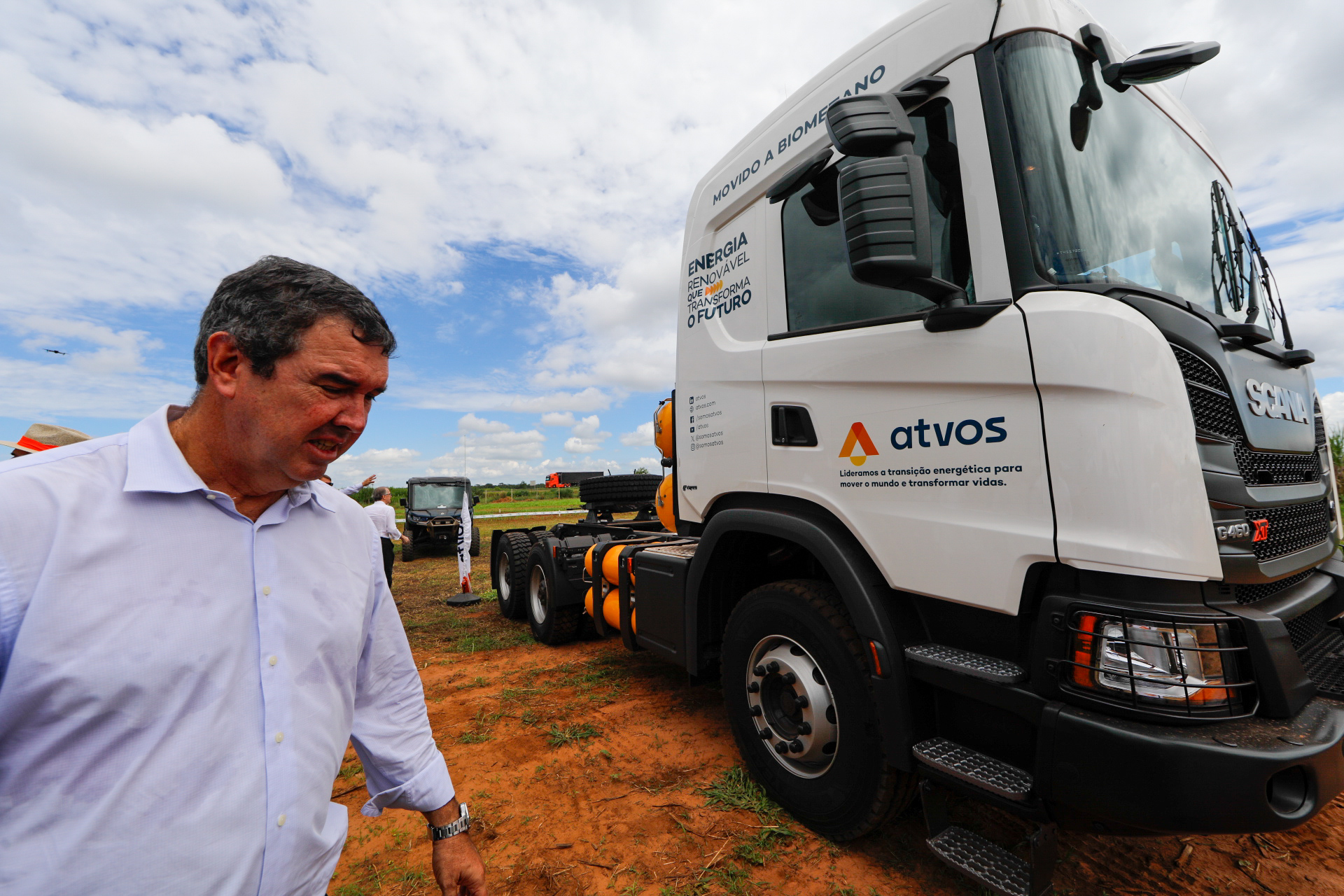
As diesel prices soar due to conflicts in the Middle East, a Brazilian city decides to test a little-known biofuel that promises to completely replace fossil fuel without adaptation and could change the future of energy in the country.

Currently, RS produces less than 1% of its demand. The new ethanol plant in Passo Fundo, according to the expectations of BSBios, is expected to meet 23% of this demand starting in 2027. The Governor emphasized the importance of the understanding with BSBios to drive the search for ethanol self-sufficiency and decarbonization.
According to the governor of RS, the state has immense potential for ethanol production, and the internal demand reaches 1 billion liters annually. The government has been strengthening its commitment to the expansion of production and essential initiatives to leverage this opportunity.
BSBios Ethanol Plant May Produce 220 Million Liters
The company’s ethanol plant in Passo Fundo (RS) is expected to operate in two phases, processing 750 tons of cereals per day in 2024 and 1,500 tons per day in 2027, reaching a total investment of R$ 556 million during this period.
The project is flexible for the production of anhydrous ethanol, which can be added to gasoline or hydrated, and capable of producing 111 million liters in its initial phase and up to 220 million liters when fully installed.
The plant will be installed at km 316 of BR 285, in Passo Fundo. Joel Maraschin, Secretary of Economic Development, emphasized that among the possibilities articulated in the protocol of intentions of the RS government with BSBios is the company’s adherence to the RS Industrial Development Harmonization Program (Integrar) and the State Operation Fund of RS (Fundopem).
According to the secretary, the installation of the ethanol plant in Passo Fundo will economically benefit the region, considering that, according to BSBios, about 140 new direct jobs and one thousand indirect jobs will be generated.
Ethanol Plant Will Also Provide 155 Million Tons of Bran for the Production Chain
The ethanol plant will also offer the market the bran resulting from the ethanol production, obtained immediately after the fermentation process of ethanol production, being a key coproduct of the grain fermentation process and with great potential for use in the production of animal feed aimed at the food production chain.
In total, 155 million tons of bran will be produced annually for the animal protein chain in the second phase of the project.










Seja o primeiro a reagir!