Portuguese
  Spanish


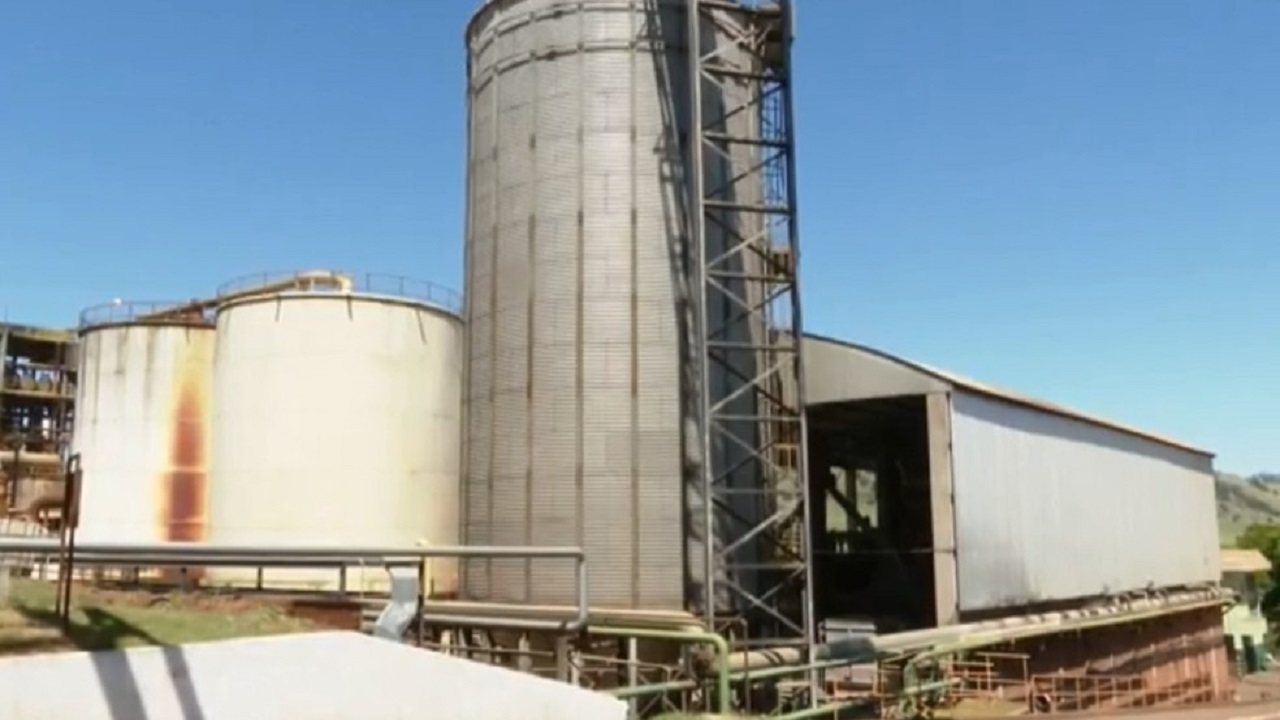

With The Lack Of Sugarcane For Fuel Production In Paraná, A Plant Decided To “Innovate” And Produce Ethanol From Corn. There Are About 400 Thousand Liters Daily
Due to the severe drought that occurred during the last sugarcane harvest, a plant in Paraná, more precisely in Jandaia do Sul, decided to innovate and produce ethanol from corn. Of the 19 fuel plants in the state, this is the only one that continues its production; the rest are taking advantage of the off-season of sugarcane to maintain their equipment.
Read Also
Ethanol Plant From Corn Has Great Efficiency
Fernando Fernandes Nardini, president of the plant in Paraná, states that it is only possible to produce the fuel now due to a structure set up four years ago. Nardini emphasizes that the plant utilized several pieces of equipment that were previously used to process sugarcane ethanol to now produce ethanol from corn.
-
Affordable Housing Project in Brazil’s Mato Grosso Aims for 700 Deliveries and $34 Million in 2026, Outpacing Major Developers in High-Demand Areas

-
Brazil’s Largest Port to Accommodate Bigger Ships by October as Ibama Approves Non-Explosive Removal of Hidden Rocks and Sediments
-
Mexico Develops 3D-Printed Concrete from Corn Waste, Cutting Emissions by 70% and Reducing Construction Waste by 90%
-
Traditional Mortar to Decline by 2026: ACIII-E Solution for Large Porcelain Tiles Offers Better Adhesion and Reduces Risk of Loose Pieces in Floors and Facades


Therefore, it is a completely different plant, yet it manages to achieve an efficiency as good as the plants that are exclusively dedicated to corn, and in the Paraná unit, there is still the possibility of producing ethanol from both products, cane and corn alcohol.
Located in an area full of crops, the ethanol plant in Paraná purchases raw material from independent or cooperative producers. A large amount of corn is received daily, considering there is no sugarcane to be processed. Fernando explains that several plants have been idle since September of last year, and his plant continues to operate, albeit with reduced production.
Learn How Ethanol From Corn Is Produced


The corn grains are taken to the plant to be milled and soon after they undergo a chemical treatment, fermentation, and distillation until they become ethanol. The plant is capable of grinding up to 600 tons daily, and with each ton, it is possible to produce about 400 thousand liters of fuel.
With sugarcane, the production stays around 80 thousand liters. In addition to having a higher production, ethanol from corn requires fewer employees. In sugarcane milling, 300 employees are needed, while for corn, only 100 workers are required.
However, despite the mentioned advantages, the profit margin of ethanol from corn at the Paraná plant is still lower. With corn, the average stands at around 7%, while with sugarcane, this number rises to 40%, and this occurs due to the significant increase in the price of corn bags.
Ethanol Production May Reach 29.2 Billion Liters This Year
The National Supply Company estimates that ethanol production in the country may reach 29.2 billion liters in the 2021/2022 harvest. From this number, around 3 billion will come from corn.
This figure represents an increase of nearly 30% compared to the same period last year, demonstrating the interest of other plants besides this one in Paraná.
During the production of ethanol from both raw materials, a lot of heat is required, which is generated from burning biomass. In a hybrid plant like this, there is no problem, as the sugarcane bagasse and corn itself can be the fuel for the boiler. The leftovers from the corn processing are transformed into WDG, a type of wet bran with a high protein content, which is widely used in animal nutrition.