





 Portuguese
  English
  Spanish
  3 min of reading
  0 comments


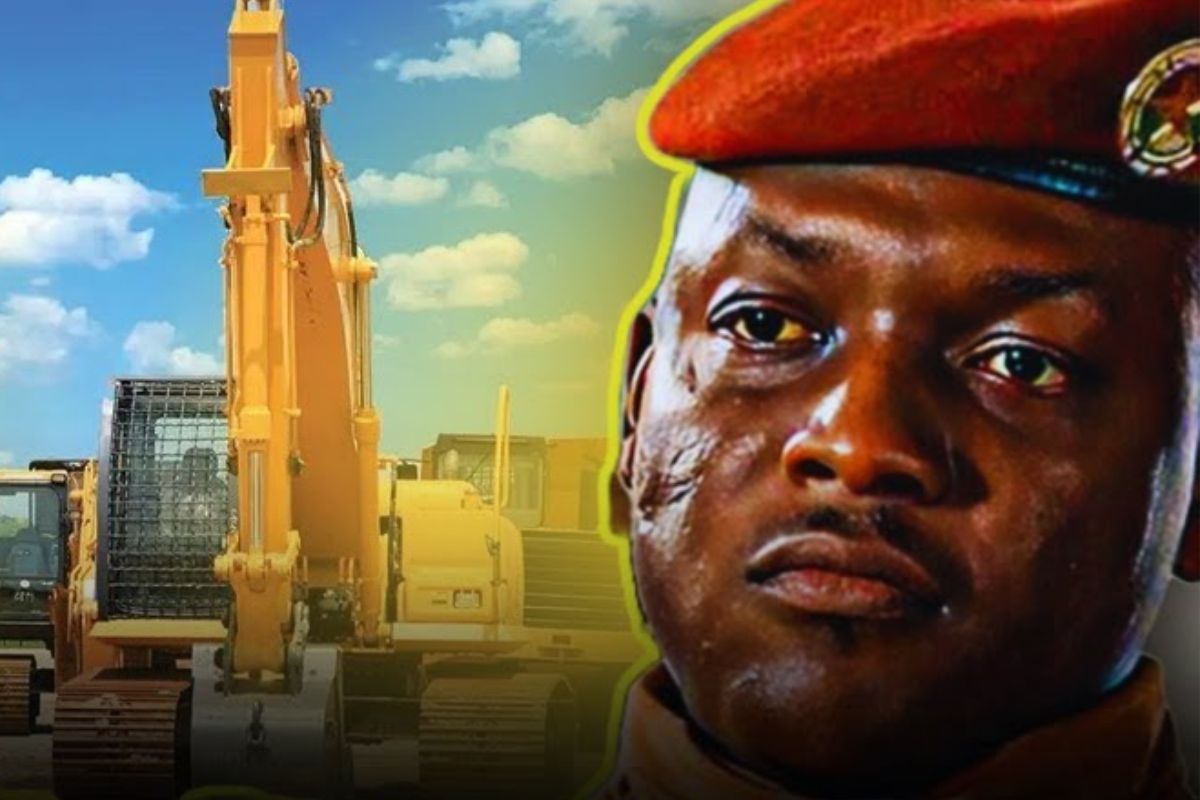


Under The Leadership Of President Ibrahim Traoré, Burkina Faso Adopts The Japanese Technique ‘Donou’ To Build Roads Economically And Sustainably, Empowering Local Communities.
Burkina Faso is implementing a new approach to building roads. Under the leadership of President Ibrahim Traoré, the country adopts the Japanese technique Donou. The method promises more sustainable and accessible roads. A collaboration with the Japan International Cooperation Agency (JICA) enables the initiative, which utilizes a low-cost, high-impact method.
Donou: The Japanese Technique That Revolutionizes Roads In Burkina Faso
Donou is a Japanese term. It means “to wrap earth in a sturdy bag.” The technique involves filling durable bags with local materials. It can be sand, soil, gravel, or firm earth. The opening of the bag is tightly secured. Then, the bags are compacted manually. It is a simple approach, but it is attracting attention in Africa for its potential.
The Initiative Of President Ibrahim Traoré

The implementation of Donou is the result of a collaboration. It involves the Ministry of Infrastructure of Burkina Faso and JICA. President Ibrahim Traoré fully supports the initiative. Between February 17 and 21, 2025, JICA conducted training.
-
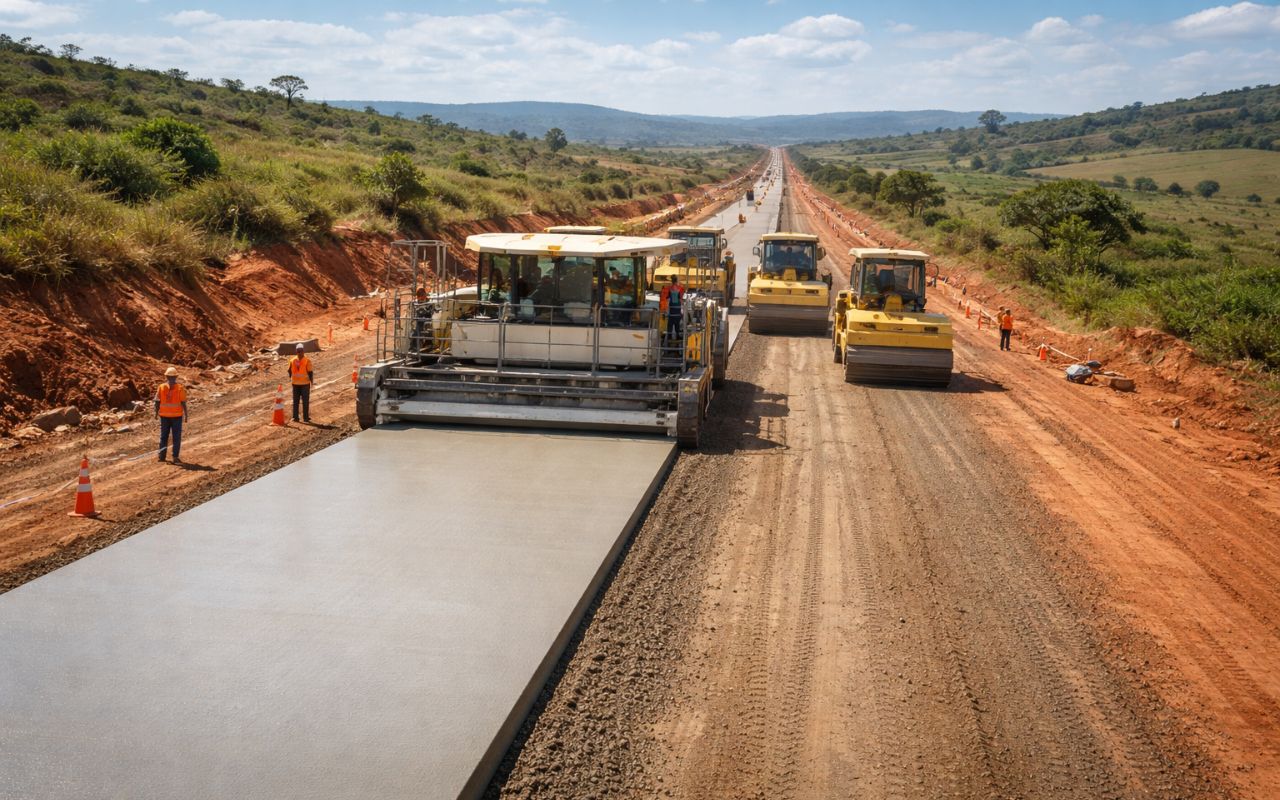
New CCR concrete paving technology promises roads up to 3x more durable, less maintenance, and cost reduction in Brazil.
-
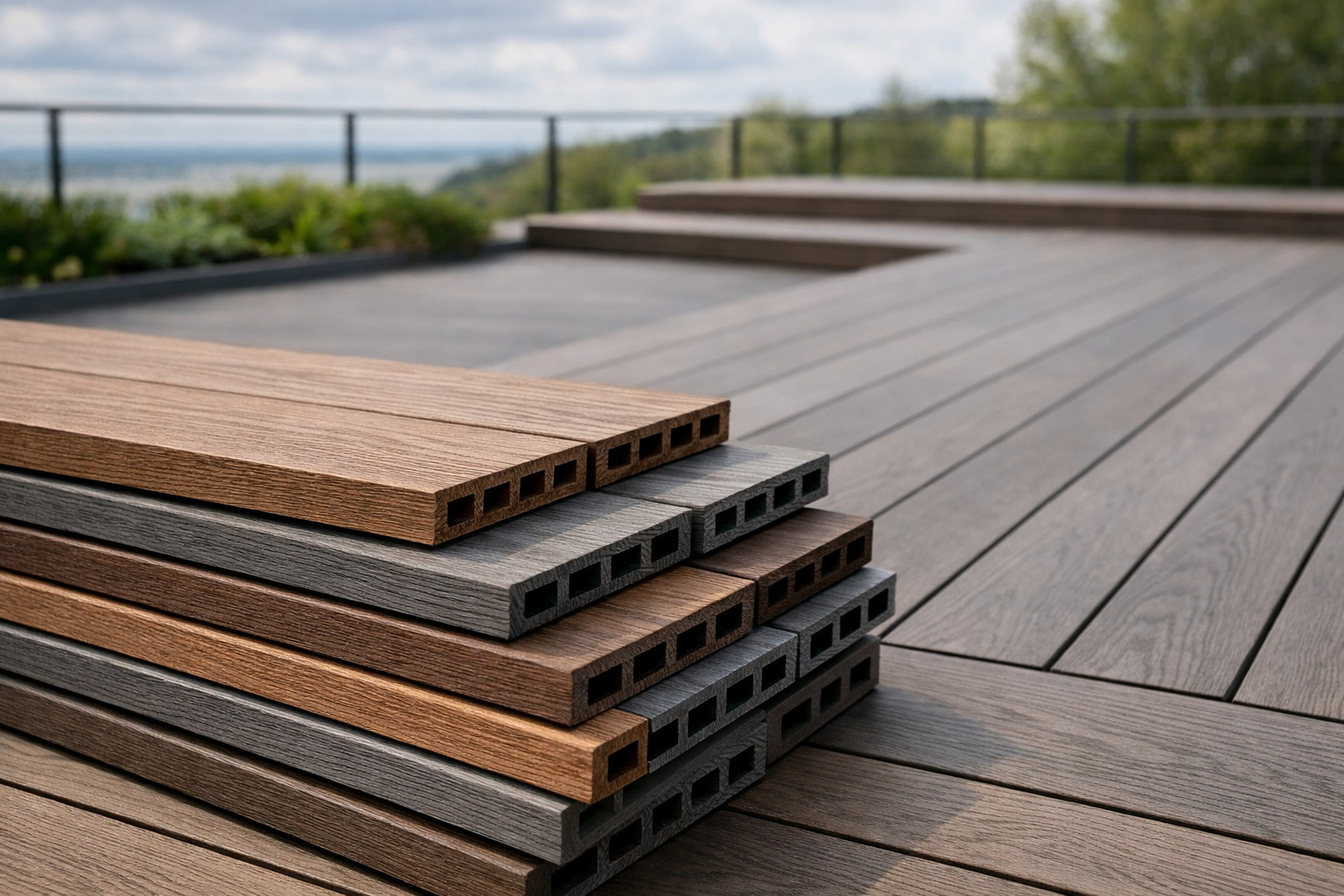
Made from recycled plastic, plastic wood is gaining space in the construction industry because it does not rot, resists moisture, and reduces maintenance costs over the years.
-
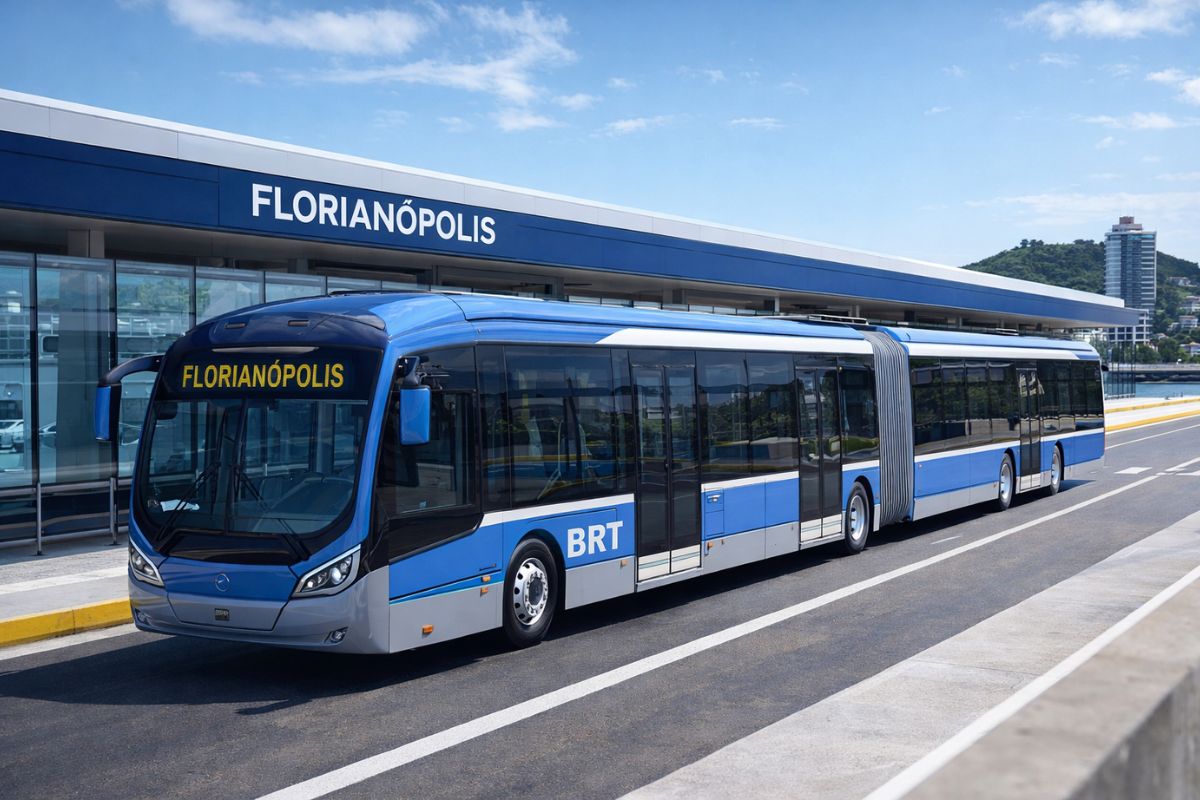
Florianópolis will receive a million-dollar BRT that will begin construction in 2026 with nearly 400 million in funding from the federal government and the Inter-American Development Bank, and the map already shows the routes for the exclusive bus corridors.
-
Without a blueprint, without an engineer, and using scrap from the dump, a father spends 15 years building an 18-room castle for his daughter, featuring tram tracks, 13 fireplaces, and over 700 m², which may now be demolished.

Agents from 12 districts of Ouagadougou and 5 from Bobo-Dioulasso participated. There were theoretical and practical sessions. A demonstration took place on February 20 at the National School of Public Works. President Ibrahim Traoré’s vision is to empower local professionals. Strengthening international partnerships is key to boosting the country’s infrastructure.
How Does The Donou Method Work?
The Japanese technique Donou (Doh-Noh) uses sturdy bags, such as those made from polypropylene, filled with locally available material – common earth, sand, or gravel, ideally with a little moisture. The bags are not completely filled, allowing them to be tightly closed (tied or sewn) and to mold during compaction, which is the next crucial step to provide structure to the material.
The secret of the method lies in the arrangement and manual compaction. The filled bags are carefully arranged in layers, often following an overlapping pattern (similar to bricklaying) to ensure greater stability and weight distribution. After positioning each layer, the bags are vigorously compacted using manual tools (tamper) or even foot stamping, eliminating air voids and transforming the bags into dense, firm blocks that will form the structure of the work.
Normally, this Donou bag structure serves as the base or sub-base of the road or as slope containment. It is almost always necessary to apply a wearing course on top (such as gravel, improved soil, or another simple pavement) for traffic. The great advantage is the low cost, the use of local labor and materials, the elimination of heavy machinery, and the surprising durability and resistance of the compacted structure, making it ideal for rural roads, repairs, and erosion control.
Expanding Donou With The Support Of President Ibrahim Traoré


Despite its potential, the widespread adoption of Donou faces challenges. It is necessary to expand training to all regions of the country. Ensuring consistent quality of materials is crucial. Adapting the technique to different types of terrain will be necessary.
The ongoing support from the government of President Ibrahim Traoré is essential to maintain progress. The strategy is to gradually broaden the initiative’s reach. The partnership with Japan provides a solid foundation. The goal is to consolidate Burkina Faso as a reference for sustainable infrastructure in Africa, inspiring other nations.






Hi, bruno. So how can pavements be plsced on top.? How does their methods with tires work? Would you like to see new methods of bamboo useage an parabolic dish mirrors? Just e me…