





 Portuguese
  English
  Spanish
 6 min of reading
  0 comments


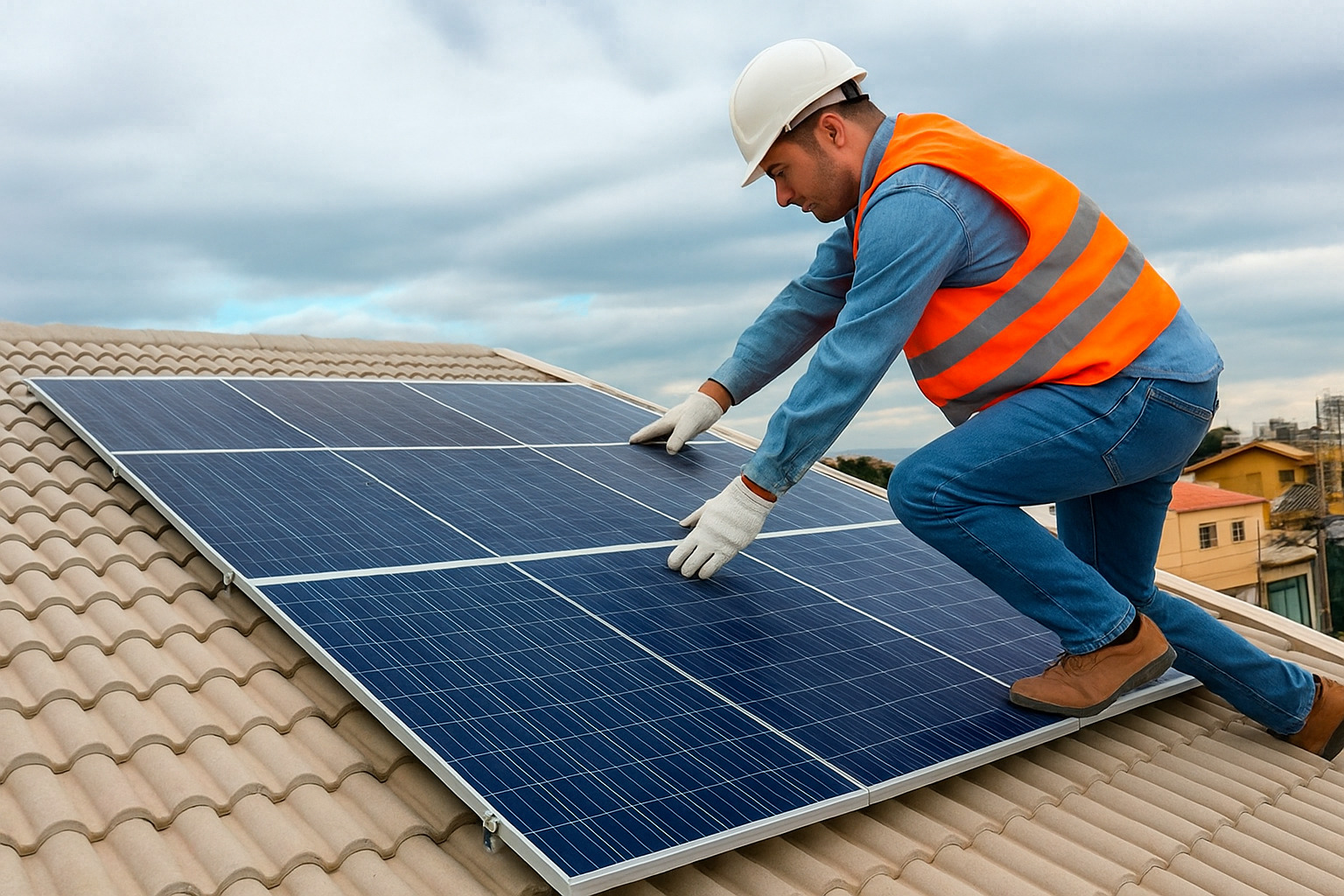
Discover How Solar Energy in the DF Grows Strongly, Uniting Economy in the Electricity Bill, Sustainability, and Job Creation for the Capital.
Electricity has always played a central role in Brazil’s social and economic development. Since the early investments in large hydropower plants in the 20th century, the country has sought to ensure stable and accessible supply.
However, with the increase of the population, rapid urbanization, and climate change, the electricity bill has become a constant concern. In this context, solar energy in the DF emerges as an alternative that combines economy, sustainability, and innovation.
The Federal District, located in the center of Brazil and benefiting from a sunny climate for almost the entire year, has become fertile ground for this energy transformation. Thus, the search for renewable sources has grown, driven by the desire to reduce expenses and the need to decrease dependence on polluting sources, such as thermoelectric plants.
-
Seagri’s headquarters invests in solar energy with Neoenergia Coelba and promises to cut electricity costs, highlighting a strategic advance in sustainability and energy efficiency within state public administration.
-
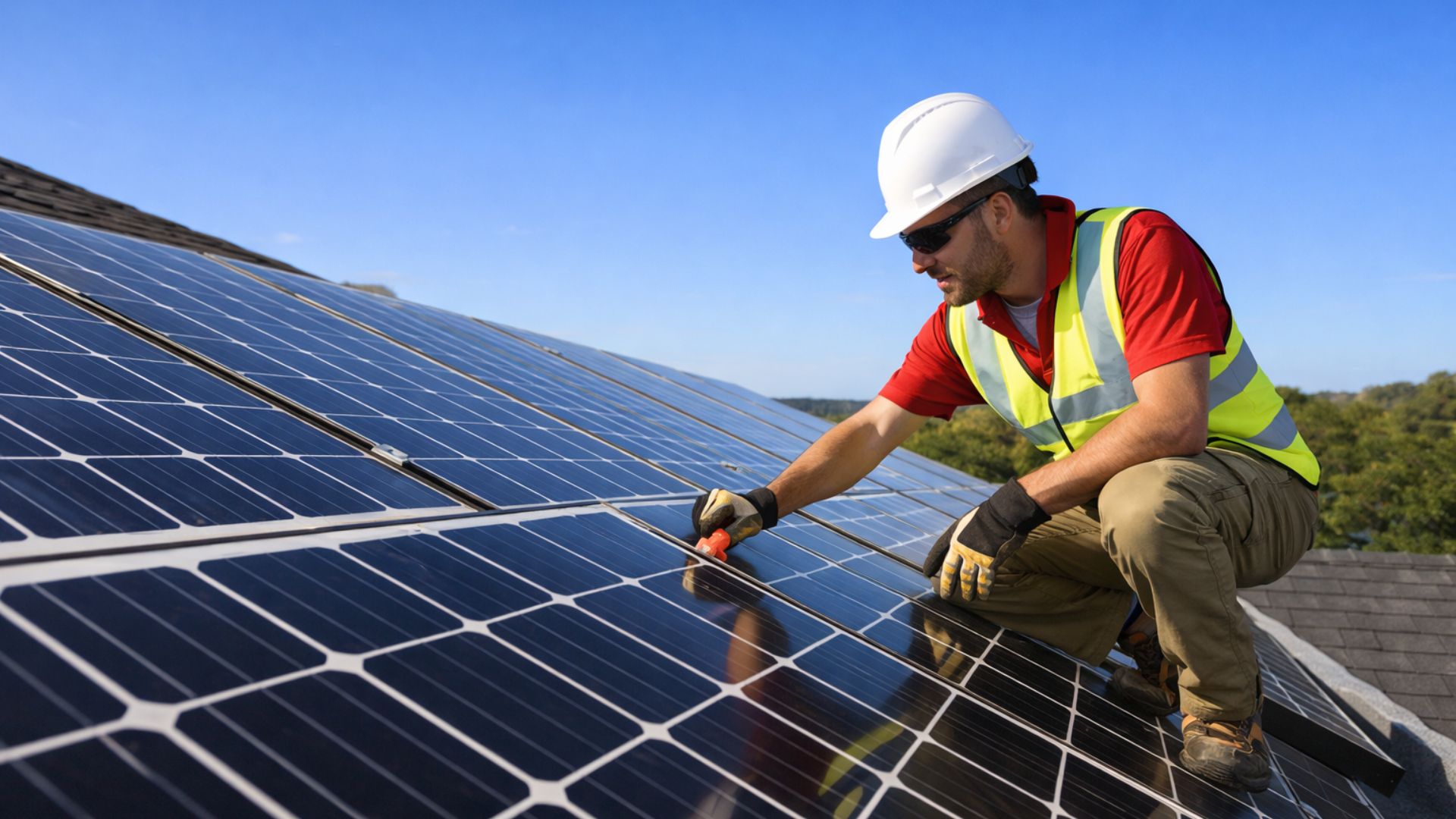
Solar Pyramid draws attention by converting solar energy into million-dollar savings and repositioning the City Hall of Curitiba as an example of innovation, sustainability, and intelligent use of public resources.
-
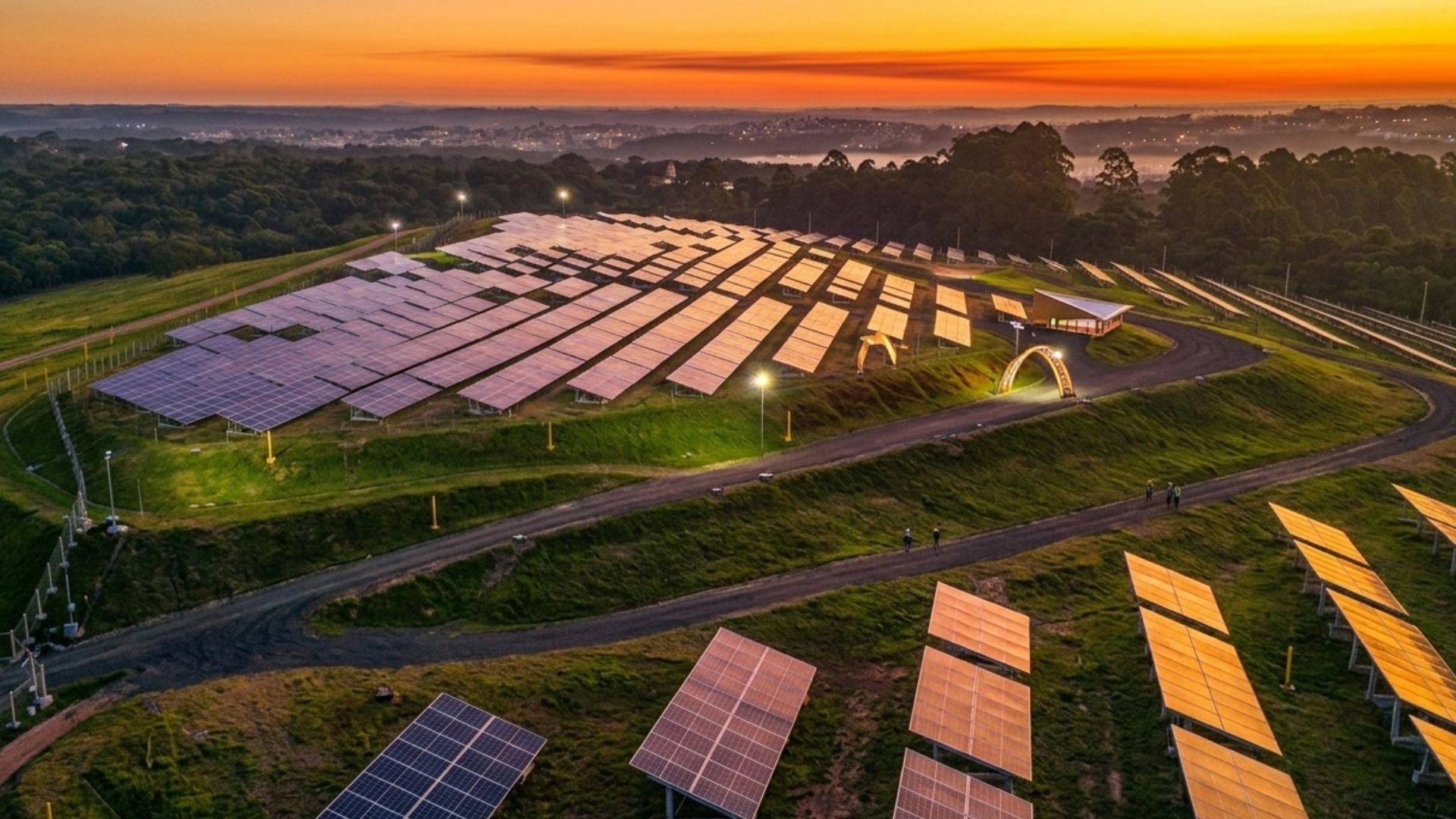
Europe records strong euro economy with solar energy in March and sparks curiosity about which country leads growth that redefines the energy market and reduces costs.
-
Piauí reaches a historic milestone in energy transition: State records nearly 160,000 households powered by solar energy and leads growth in the Northeast.
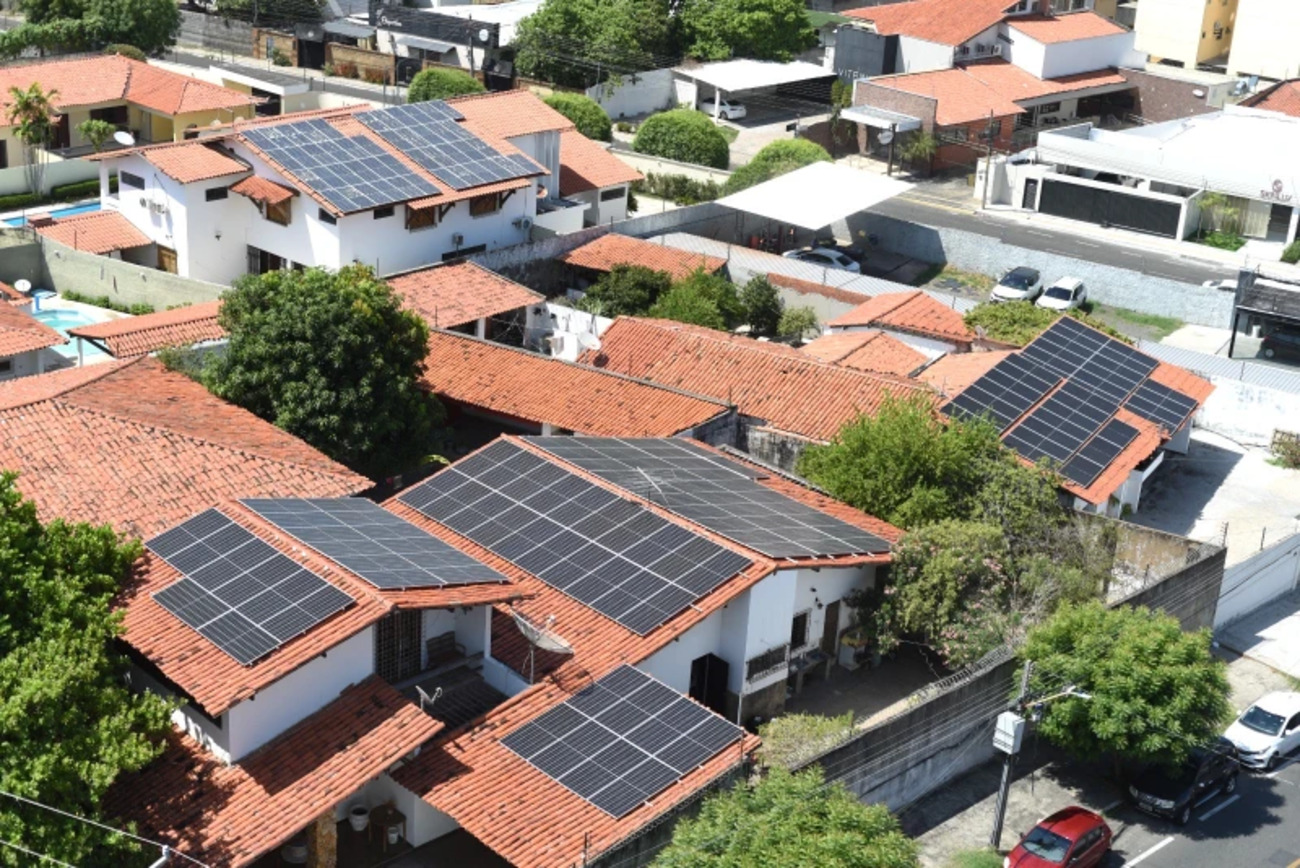

The Beginning of Distributed Generation and Solar Energy
To understand the advancement of solar energy in the DF, it is essential to remember the creation of Distributed Generation in Brazil. In 2012, the National Electric Energy Agency (Aneel) allowed consumers to produce their own electricity from renewable sources, such as solar, wind, or biomass.
Since then, any residence, business, or industry could install solar panels and connect to the grid.
With this model, excess energy began to generate credits that reduced future bills. In this way, the regulatory framework paved the way for an expanding market.
In the Federal District, the favorable climatic conditions and high electricity tariff costs helped consolidate the trend.
At the time, many doubted the viability. After all, the initial investment was high.
However, equipment prices gradually fell, and the efficiency of the panels increased. Thus, solar energy became increasingly accessible, confirming predictions by experts who already highlighted Brazil as a country with great solar potential.
Accelerated Growth in the DF
Solar energy in the DF has grown significantly. The region’s climate, considered one of the most favorable in the country, ensured intense photovoltaic production for almost the entire year.
Consequently, demand has increased, especially given the ever-increasing energy tariffs.
According to the Brazilian Association of Photovoltaic Solar Energy (Absolar), the capital has already surpassed 521 megawatts of installed capacity. This represents tens of thousands of consumers who have decided to invest in a sustainable model.
Furthermore, about 18% of the DF’s energy consumption already comes from distributed solar generation, compared to only 1% five years ago.
Growth, however, is not limited to residences. Small businesses, industries, and even public buildings have also embraced the technology.
The reduction in equipment prices and the expansion of financing options played a crucial role in this process.
The awareness of society has also increased. Many consumers have begun to see solar energy as a long-term investment, capable of enhancing property value and reducing expenses for decades.
In this way, technology has ceased to be a distant promise and has consolidated as a reality.
The Role of Credit and Financing
The advancement of solar energy in the DF is directly related to the expansion of credit. Just in 2024, the granting of financing increased 265% in the Federal District, according to data from Santander Finance.
Thus, families like that of Leandro Quirino, a resident of Taguatinga, were able to install solar panels.
Leandro, who had been paying R$ 500 for a single bill, saw his bill drop to just R$ 31 after installation.
Therefore, similar stories reinforce the perception that the financial return compensates for the initial investment.
In addition, banks created specific credit lines for solar energy, with long terms and reduced interest rates.
As a result, many consumers began to pay installments equivalent to their old electricity bills. This generated an immediate sense of benefit, as the savings are felt in the first month of use.
With this movement, solar energy is gradually democratizing. Although it still poses a challenge for low-income families, financing has shown that access is no longer restricted to privileged groups.
Economic and Social Impacts
The expansion of solar energy in the DF has brought benefits that go beyond household savings. Since 2012, the sector has attracted over R$ 2.4 billion in investments to the region.
As a result, more than 15,000 jobs have been created and hundreds of millions collected in taxes.
This production chain includes equipment manufacturers, installers, maintenance technicians, and specialized professionals. Therefore, solar energy generates quality green jobs that support the energy transition.
Another important impact involves the reduction of energy inequalities. In rural areas or remote regions, photovoltaic systems provide autonomy, decreasing dependence on unstable electric networks.
Thus, previously isolated communities have gained reliable access to electricity.
In addition to boosting the economy, solar energy strengthens energy citizenship. Consumers who produce their own electricity gain more control over consumption and budgeting. This increases the sense of independence.
Sustainability and the Environment
The growth of solar energy in the DF also reflects an environmentally responsible choice.
Unlike thermoelectric plants, which emit polluting gases, photovoltaic energy generates electricity with minimal carbon emissions.
In this way, it contributes to combating climate change.
Brasília, benefiting from a high solar radiation index, has become an example of how climatic conditions favor sustainability.
Experts highlight that, with adequate investments and consistent public policies, solar energy can become one of the main sources of supply for the capital.
Furthermore, photovoltaic generation helps preserve water resources. As Brazil relies heavily on hydropower, dry periods necessitate the use of thermoelectric plants.
Therefore, solar energy emerges as an essential complement, reducing environmental pressures.
At the same time, advancements in technology contribute to the immediate environmental preservation. Each installed panel represents less pollutant emission and greater ecological balance.
Challenges and Future
Despite the progress, solar energy in the DF still faces significant challenges. The initial cost remains a barrier for part of the population.
Although financing makes it easier, inclusive public policies are essential to further democratize access.
Additionally, the electricity grid needs modernization. As more and more consumers produce their own electricity, the system must integrate this excess efficiently, ensuring stability.
Even so, the prospects remain positive. According to estimates from Absolar, the net savings for Brazilians could exceed R$ 80 billion by 2031 due to distributed generation.
This means relief for wallets and greater sustainability for the entire country.
Thus, the future points to continuous growth. As access expands and environmental awareness strengthens, solar energy consolidates as a strategic solution for the Federal District and for Brazil.
Solar energy in the DF symbolizes a profound change in how society deals with energy, economy, and sustainability.
What previously seemed distant is now accessible to thousands of families, businesses, and public institutions.
Consequently, each installed panel represents more than savings on the bill: it symbolizes collective progress towards a cleaner and fairer model.
The Federal District, with its huge solar potential, proves that innovation, environmental responsibility, and economic return can go hand in hand.
As the energy transition advances, solar energy establishes itself as a safe path to ensure accessible, sustainable, and efficient supply for future generations.








Seja o primeiro a reagir!